Gorée
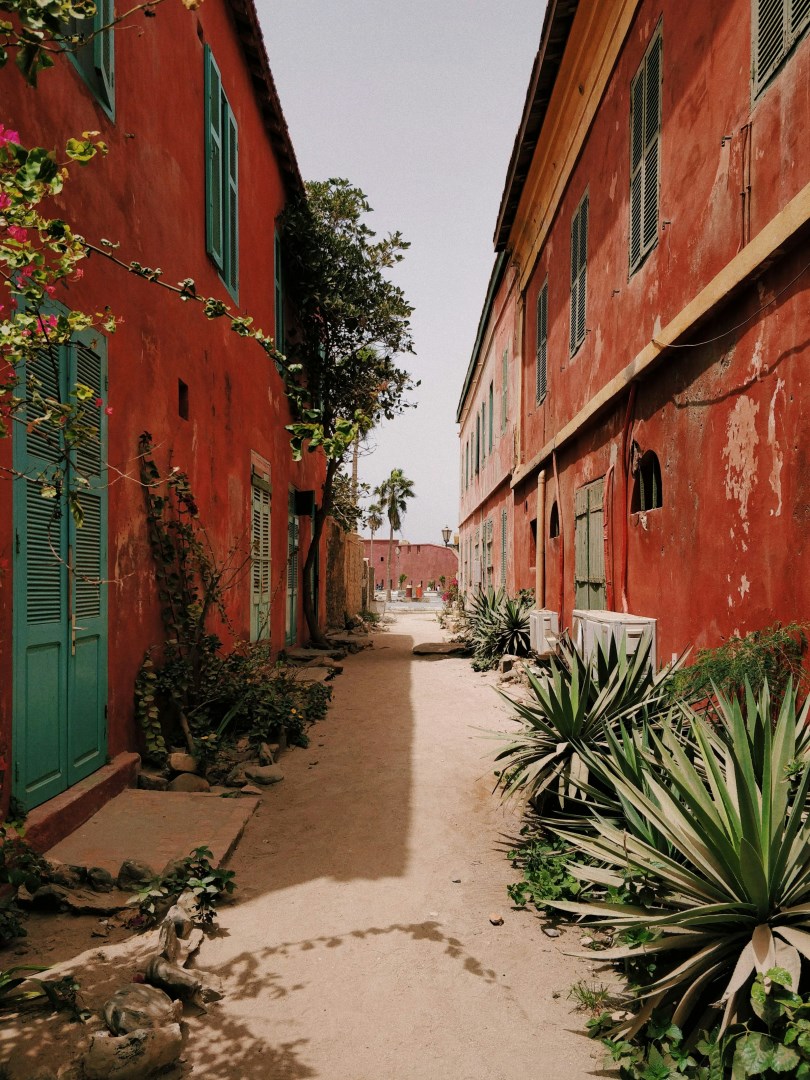
Gorée is a small island off the coast of Dakar, known for its preserved architecture and its central place in Senegal’s history of the Atlantic slave trade. Its narrow streets, pastel-colored buildings, courtyards, and waterfront create a compact historic landscape that contrasts with the modern capital across the water. The island is part of a UNESCO World Heritage Site and is regarded as an important place of memory for the African diaspora.
Dades Gorges
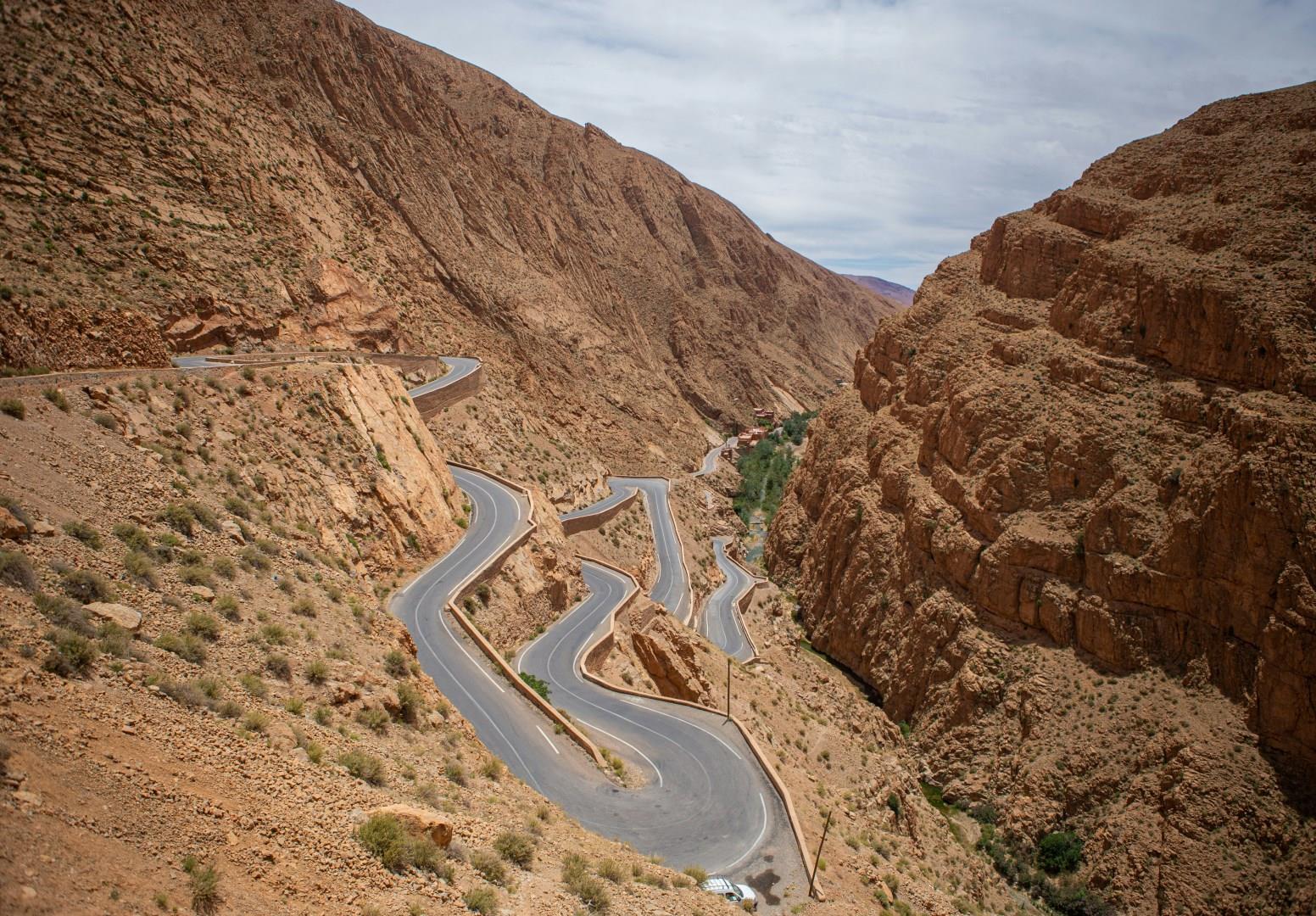
The Dades Gorges, carved by the Dades River in Morocco’s High Atlas Mountains, offer a winding stretch of road, towering rock walls, and centuries-old kasbahs perched on the cliffs. Located between the towns of Boumalne Dades and M’semrir, the gorge is especially known for its switchback road, often nicknamed “the snaking road of Tissadrine.” It’s a favorite among photographers and motorcyclists, with hairpin curves that reveal a new layer of landscape with every turn.

Gibraltar
Gibraltar is located in southern tip of Spain, on a tiny peninsula. It is governed by the British and named after the Rock of Gibraltar, which is located on its east side. The territory is mainly used as a shipping port, and a port-of-call for cruise ships.
Dearborn
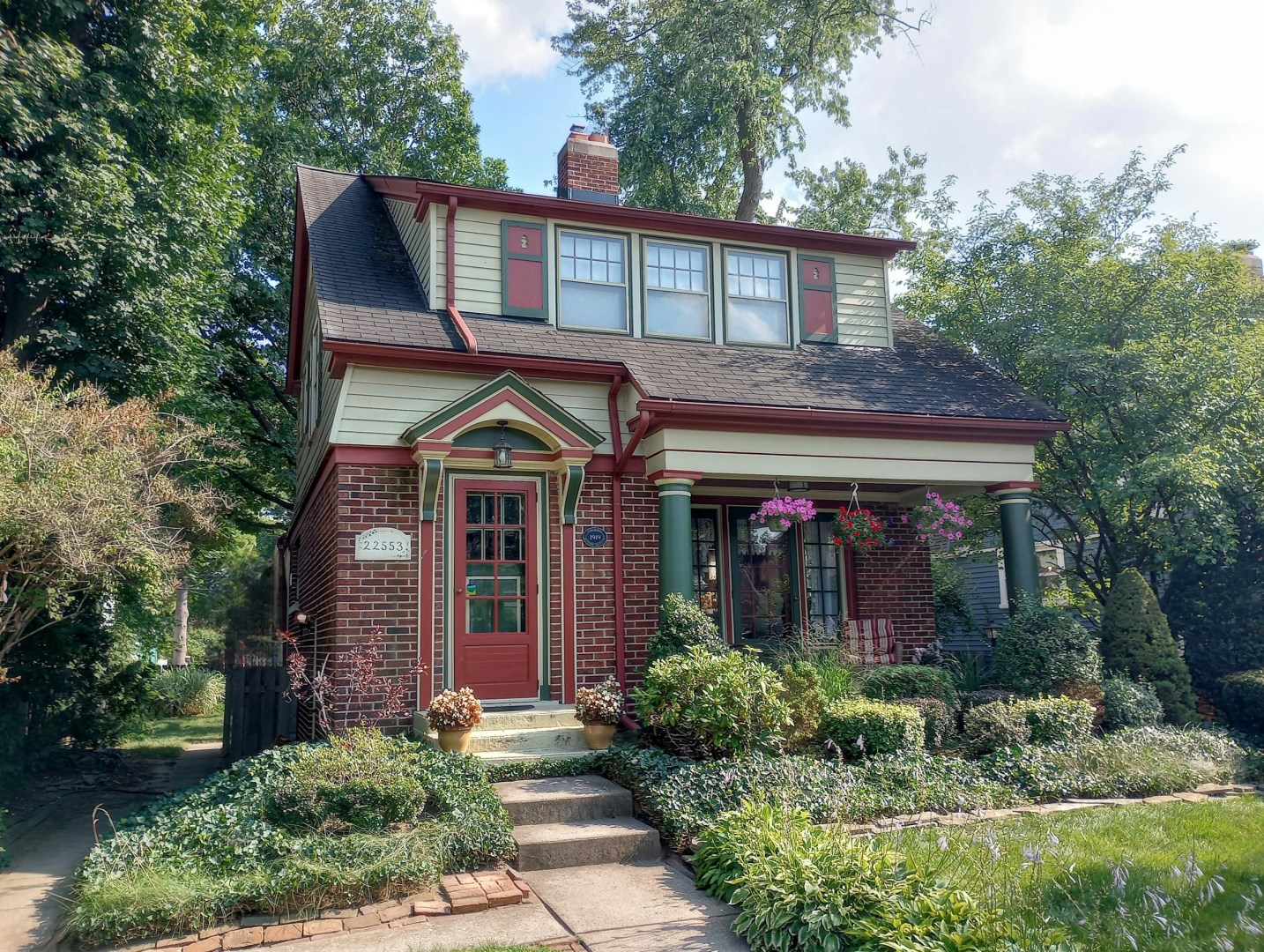
The town of Dearborn is located in southeastern Michigan, named after General Henry Dearboar, a respected physician and Revolutionary Ware hero who served as Secretary of State under President Thomas Jefferson from 1801-1809 and commanded the American Armies during the war of 1812.
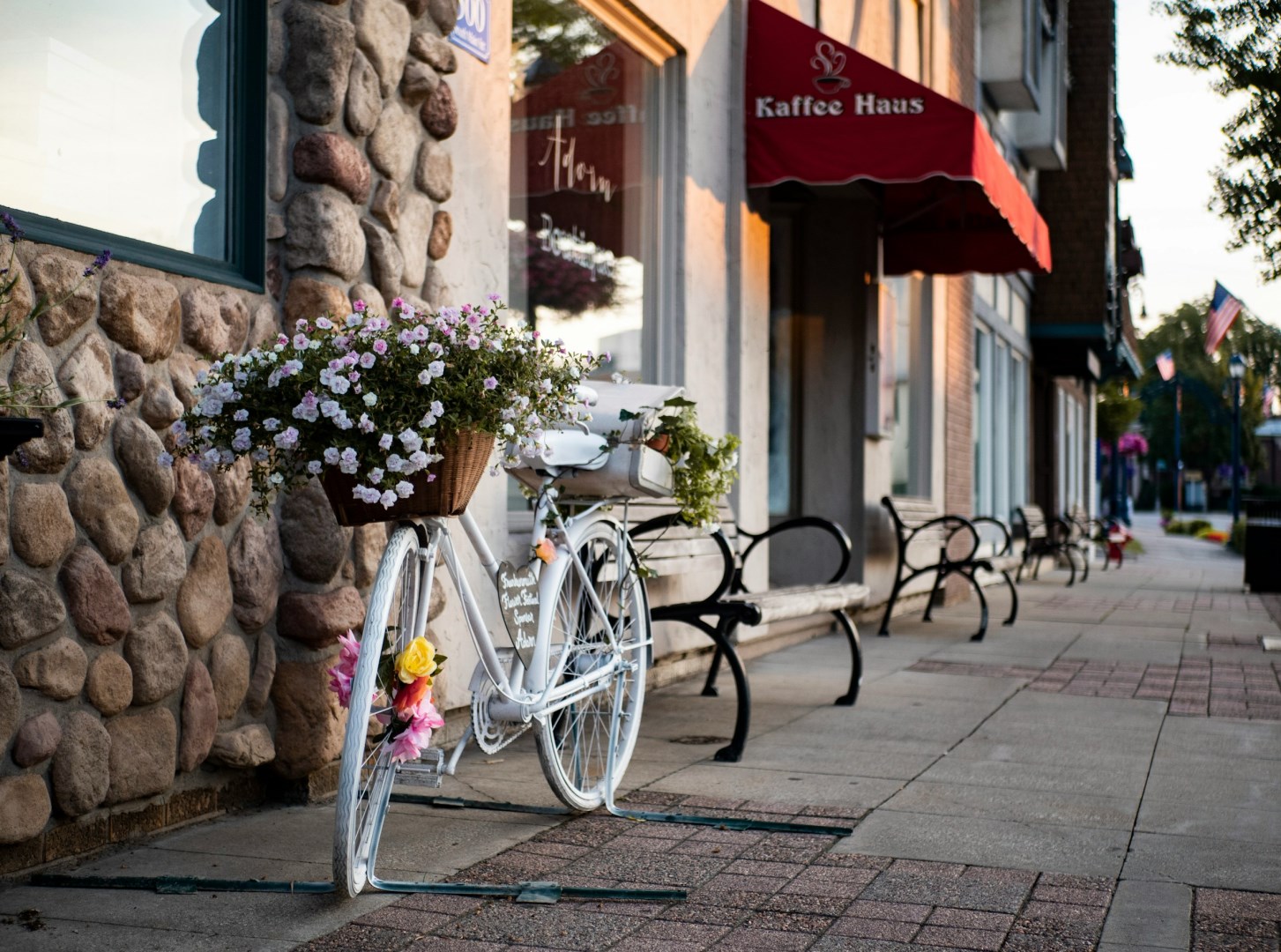
Frankenmuth
Frankenmuth, Michigan, is a small city along the Cass River known for its strong Bavarian identity and distinctive German-inspired architecture. Often called Michigan’s Little Bavaria, it has a compact downtown filled with decorated storefronts, restaurants, specialty shops, and pedestrian-friendly streets. T