Saint Augustine, Florida, is a charming tapestry of history and coastal beauty. As the oldest continuously inhabited European-established settlement in the continental United States, this historic city offers a fascinating glimpse into early American life. Founded by Spanish explorers in 1565, Saint Augustine boasts an array of colonial architecture and historic landmarks.
Alter do Chão is a riverside village in the Brazilian state of Pará, on the banks of the clear Tapajós River. Though part of the larger municipality of Santarém, Alter do Chão has its own rhythm and identity, known far beyond Brazil for the white-sand beaches that appear when river levels drop between July and December. One of the most famous spots is Ilha do Amor (Love Island), a sandbar just off the village shore that feels almost like a hidden world of warm water and bright sky.
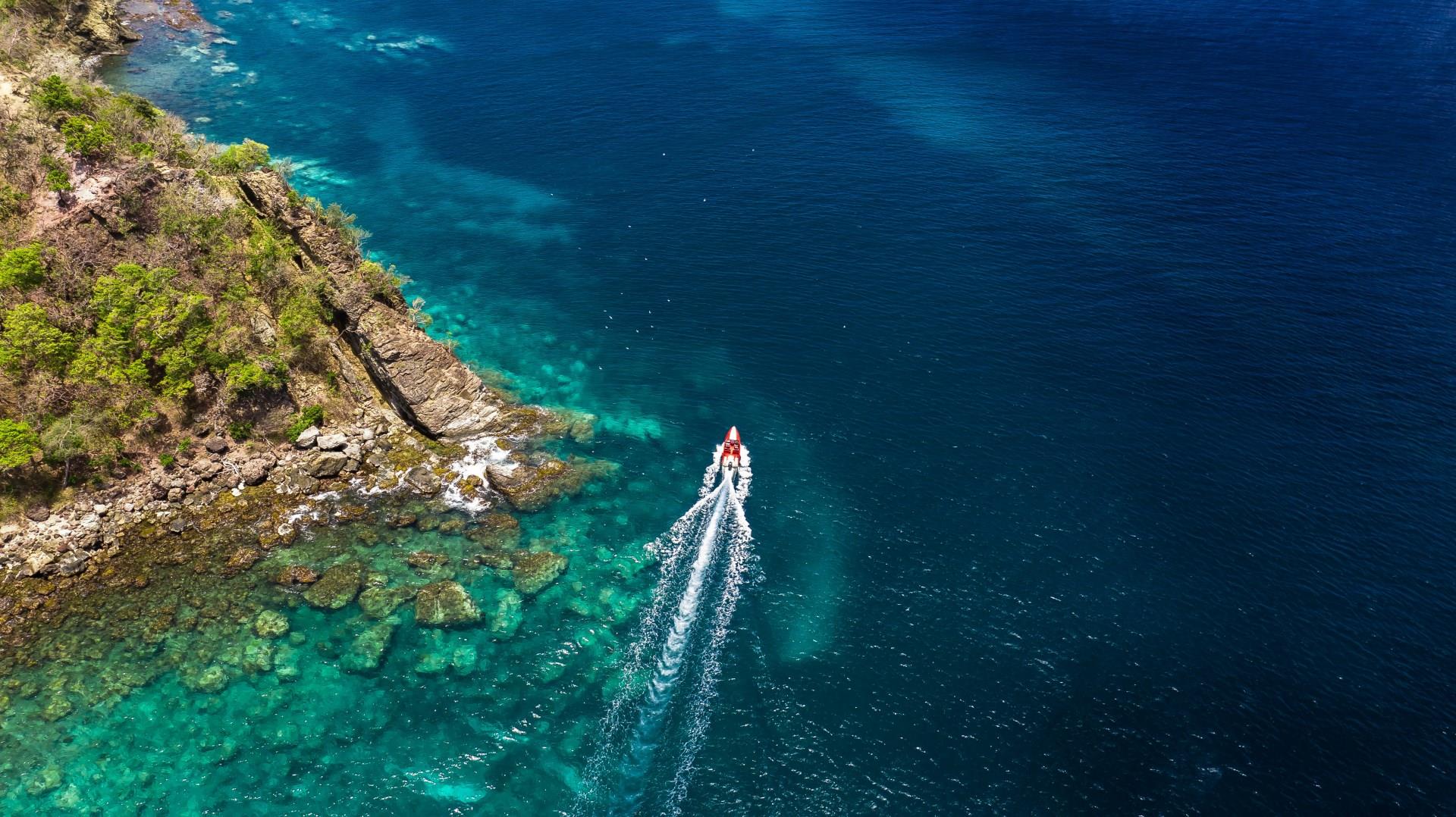
Nevis, the smaller of the two islands in the Federation of St. Kitts and Nevis, is often described as the more tranquil and unspoiled counterpart to its sister island. Dominated by the graceful silhouette of Nevis Peak, a dormant volcano rising to 985 meters, the island is ringed by golden beaches and lush hillsides.
Krujë sits on a rocky hilltop above central Albania and has long been a symbol of the country’s history and independence. At Krujë Castle ancient stone walls rise above the town and offer striking views of the surrounding hills and valleys, and inside the fortress visitors find the Skanderbeg Museum, where armor, documents and displays recount the life and battles of Albania’s national hero.
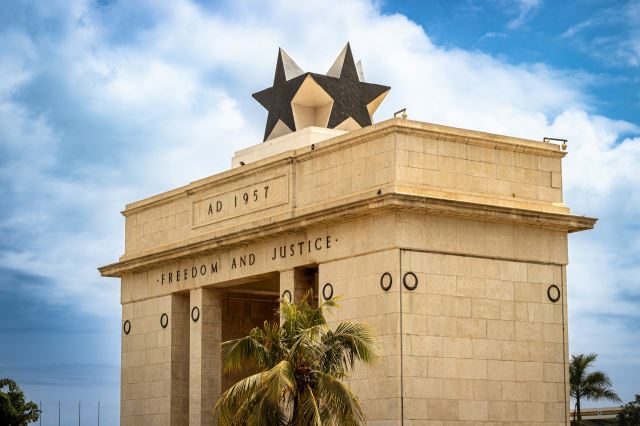
Accra, Ghana’s vibrant capital, blends coastal charm with an energetic urban atmosphere. Situated along the Atlantic Ocean, the city is a hub for arts, culture, and history, offering travelers a lively introduction to the country.
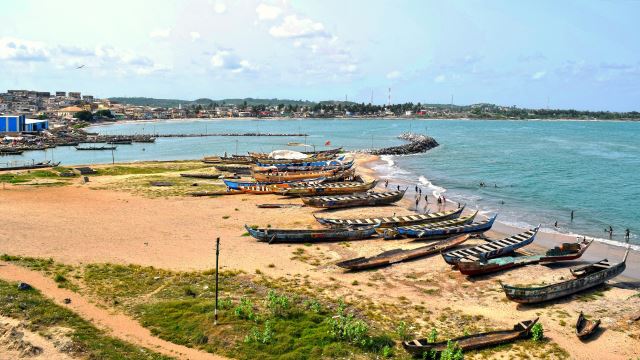
Sekondi-Takoradi, often referred to as the Western Region's commercial hub, is a dynamic urban area brimming with both historical charm and modern vibrancy. The twin cities, Sekondi and Takoradi, offer a unique blend of traditional culture and contemporary development. As Ghana's second-largest port city, Takoradi is a gateway to the region’s rich maritime heritage and booming oil industry, while Sekondi adds a historical touch with its colonial architecture and cultural significance.
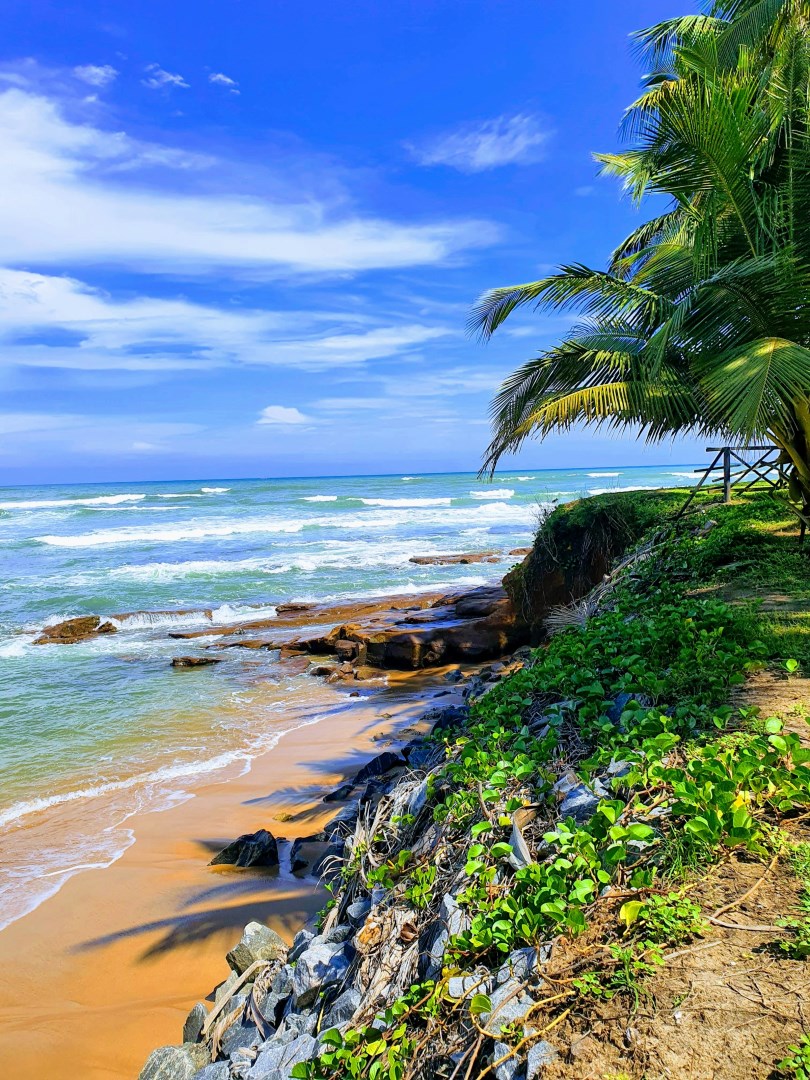
The Takoradi Harbor is a major attraction, where visitors can witness the bustling activities of one of West Africa’s most significant ports. Nearby, the vibrant Market Circle in Takoradi offers a sensory feast with its array of local goods, spices, and crafts, providing an authentic Ghanaian market experience. The beach resorts along the coastline offer pristine sands and a perfect spot to unwind after exploring the city's lively streets.
Sekondi-Takoradi is also home to the Fort Orange, a historic fort built by the Dutch in the 17th century. This fort, now a museum, gives visitors insight into the colonial past of the region and its significance in the trans-Atlantic trade.
For the best experience, plan your visit between November and March, when the weather is pleasant and the city buzzes with various festivals and events.