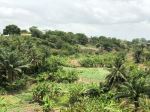
Suchitoto, located in the Cuscatlán department of El Salvador, is a hilltop town known for its cobblestone streets and scenic views of Lake Suchitlán. Once an important center for indigo production, the town still celebrates its dye-making history through artisan workshops where visitors can learn to create textiles using natural indigo. The name “Suchitoto” comes from the Nahuatl language and means “place of flowers and birds,” a nod to the area’s diverse birdlife and surrounding vegetation.
Bled, a small town in northwestern Slovenia, has gained international attention thanks to its lake, which features a lone island topped with a baroque church. Visitors often take traditional wooden boats called pletna to reach the island, where it's customary to ring the church bell and make a wish. According to local legend, the bell was originally cast in memory of a young widow’s lost husband, and today, its chime echoes across the lake as a symbol of devotion and hope.
Zakynthos, also known as Zante, is a Greek island that captivates visitors with its stunning natural beauty and rich cultural heritage. Renowned for its breathtaking beaches, the island's most famous attraction is Navagio Beach, also known as Shipwreck Beach. This picturesque cove, accessible only by boat, features an iconic shipwreck lying on powdery white sand surrounded by dramatic limestone cliffs and crystal-clear turquoise waters.
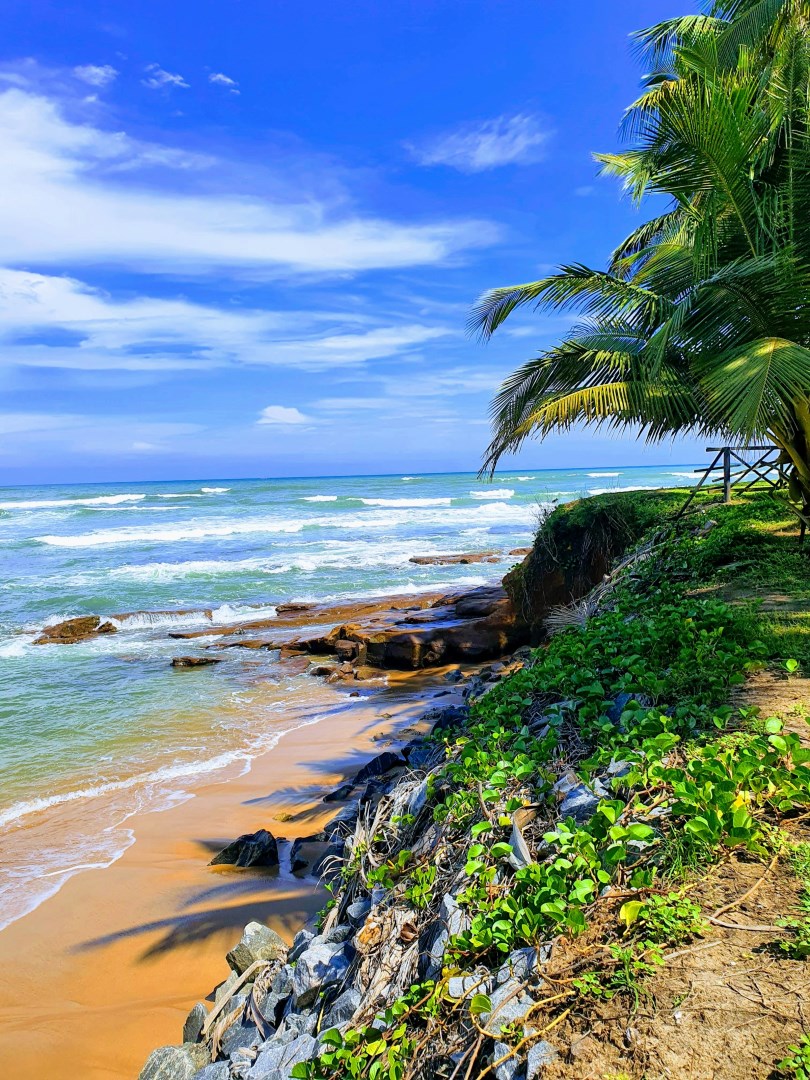
Punta Cana, on the eastern tip of the Dominican Republic, is known for its wide sweep of white-sand beaches and warm Caribbean waters. Once a quiet stretch of coastline lined with coconut palms, it has grown into one of the Caribbean’s most popular destinations while still offering plenty of spots that feel calm and remote.
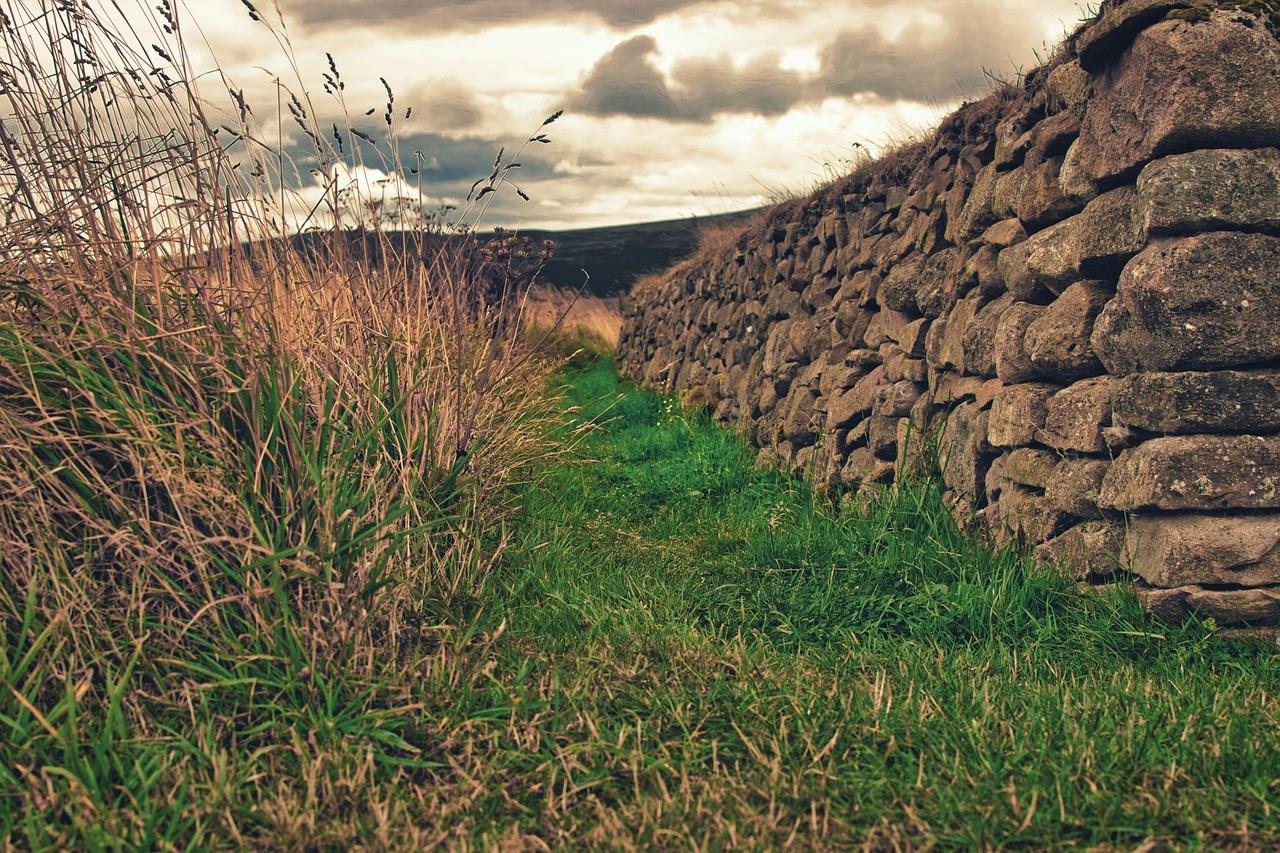
Welcome to England. The green hills, the noble woodlands, the perfect flowering of architecture and remarkable cultural heritage beckon visitors from around the globe.
Sekondi-Takoradi, often referred to as the Western Region's commercial hub, is a dynamic urban area brimming with both historical charm and modern vibrancy. The twin cities, Sekondi and Takoradi, offer a unique blend of traditional culture and contemporary development. As Ghana's second-largest port city, Takoradi is a gateway to the region’s rich maritime heritage and booming oil industry, while Sekondi adds a historical touch with its colonial architecture and cultural significance.
The Takoradi Harbor is a major attraction, where visitors can witness the bustling activities of one of West Africa’s most significant ports. Nearby, the vibrant Market Circle in Takoradi offers a sensory feast with its array of local goods, spices, and crafts, providing an authentic Ghanaian market experience. The beach resorts along the coastline offer pristine sands and a perfect spot to unwind after exploring the city's lively streets.
Sekondi-Takoradi is also home to the Fort Orange, a historic fort built by the Dutch in the 17th century. This fort, now a museum, gives visitors insight into the colonial past of the region and its significance in the trans-Atlantic trade.
For the best experience, plan your visit between November and March, when the weather is pleasant and the city buzzes with various festivals and events.