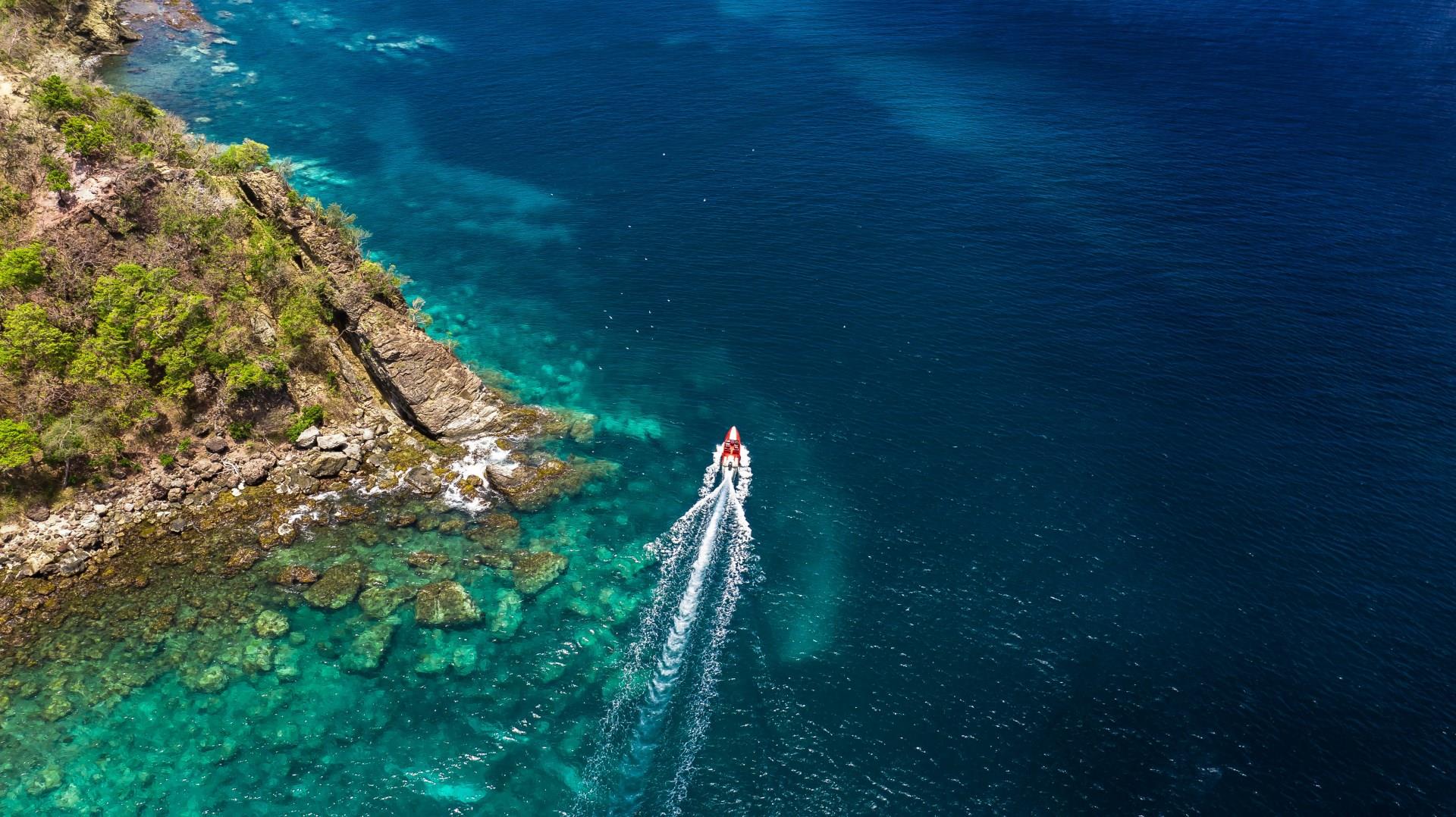
Carriacou, the largest of Grenada’s sister islands, offers a slower pace of life and an intimate window into traditional Caribbean culture. Known as the “Island of Reefs,” it is surrounded by vibrant coral systems that have long supported fishing and sailing traditions.
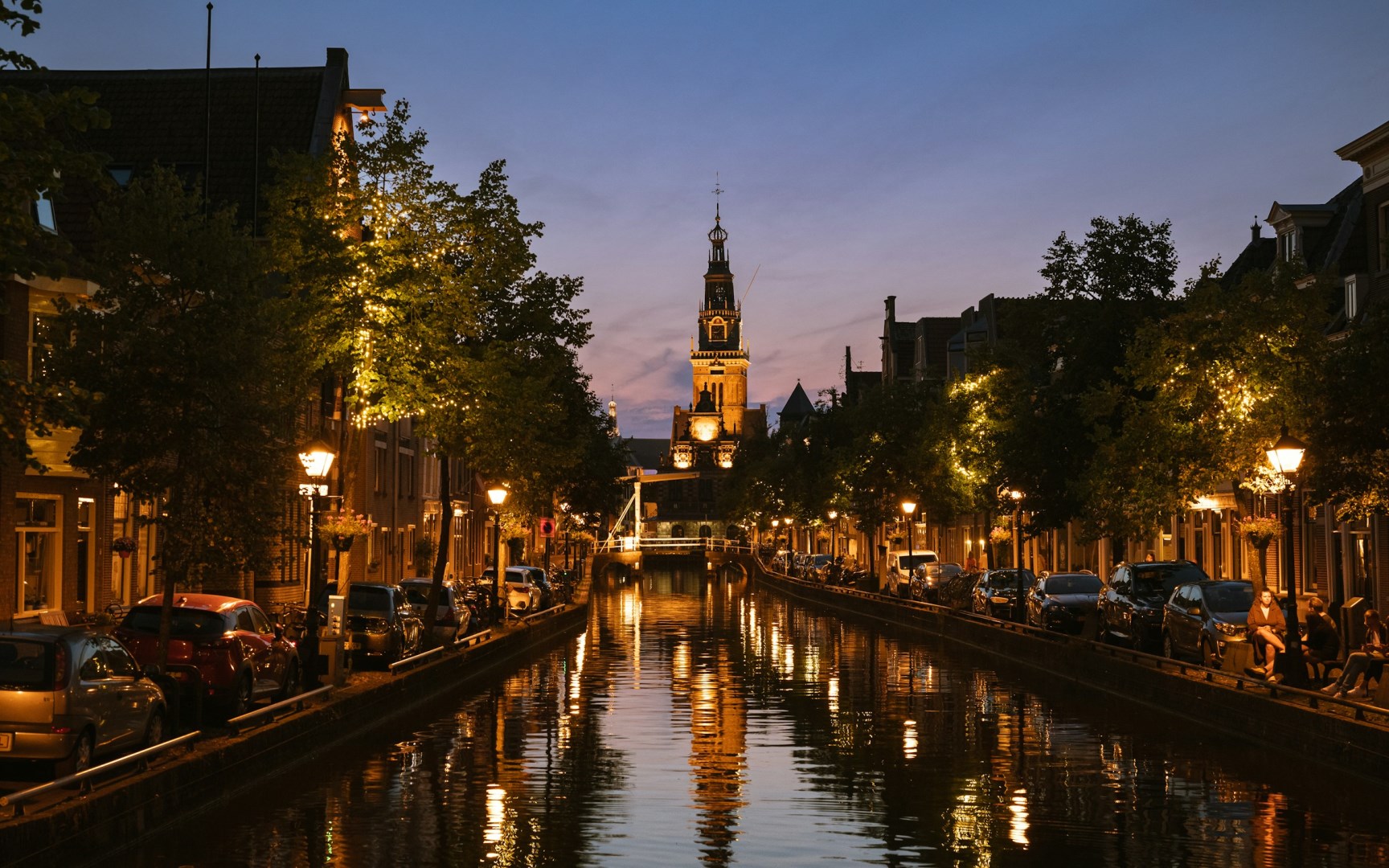
Alkmaar is a historic city in the Dutch province of North Holland, known for its canals, narrow streets, traditional gabled houses, and long association with cheese trading. The old center is compact and largely walkable, with the Waagplein at its heart and the Waag building providing one of the city’s most recognizable landmarks. Canals such as the Oudegracht and Luttik Oudorp wind through the center, while bridges connect streets lined with shops, cafés, and historic buildings.
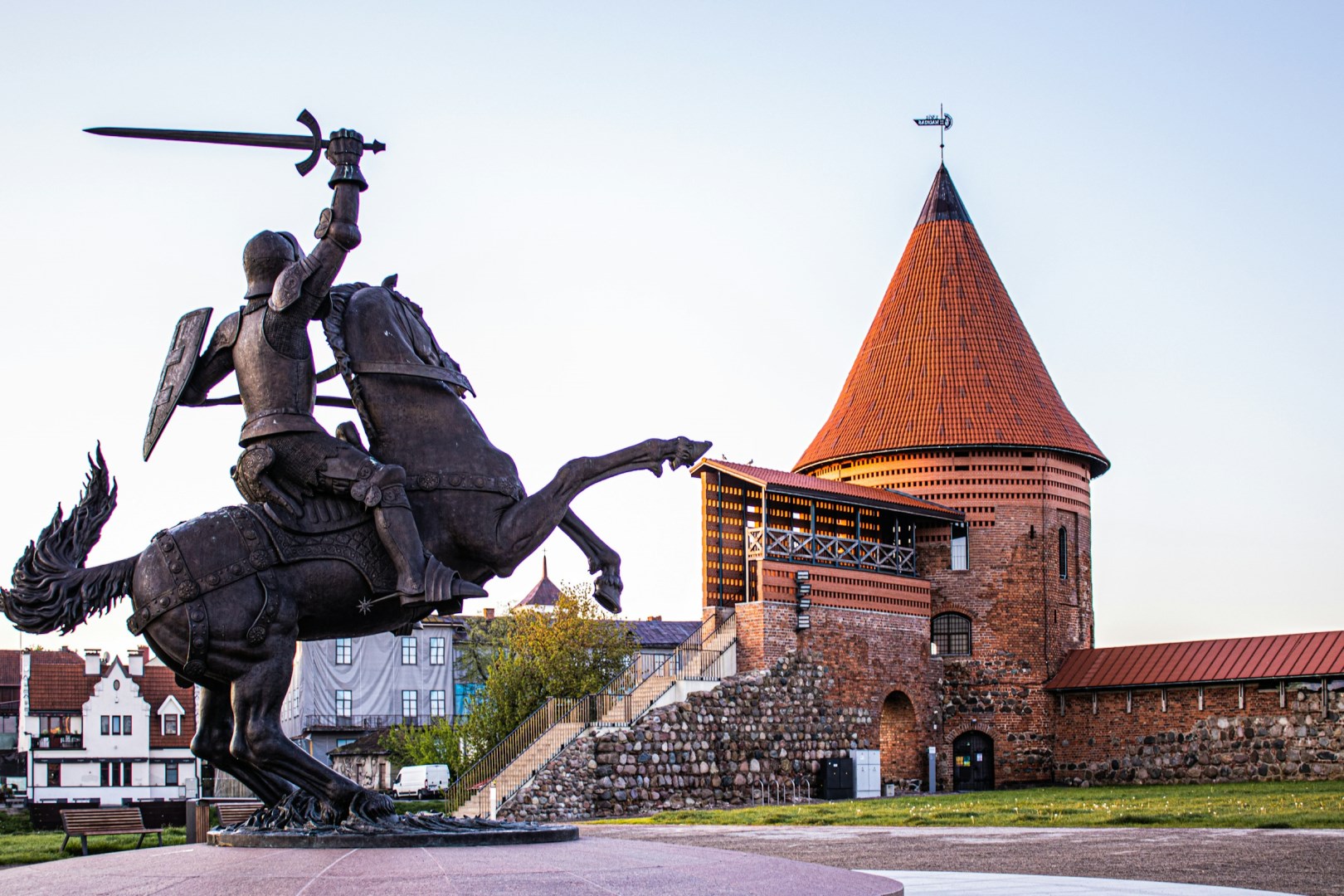
Kaunas is Lithuania’s second-largest city, located at the confluence of the Nemunas and Neris rivers in the country’s central region. Its historic center combines a compact Old Town of Gothic, Renaissance, and Baroque buildings with the broader streets and distinctive architecture of the New Town. Kaunas Castle, standing near the river confluence, is one of the city’s best-known landmarks, while Laisvės Alėja forms a long pedestrian boulevard through the central districts.
Victoria, the capital of Seychelles, is often described as one of the world’s smallest capitals, yet it brims with color and character. Located on Mahé Island, the city is both a cultural hub and a gateway to the surrounding beaches and mountains.
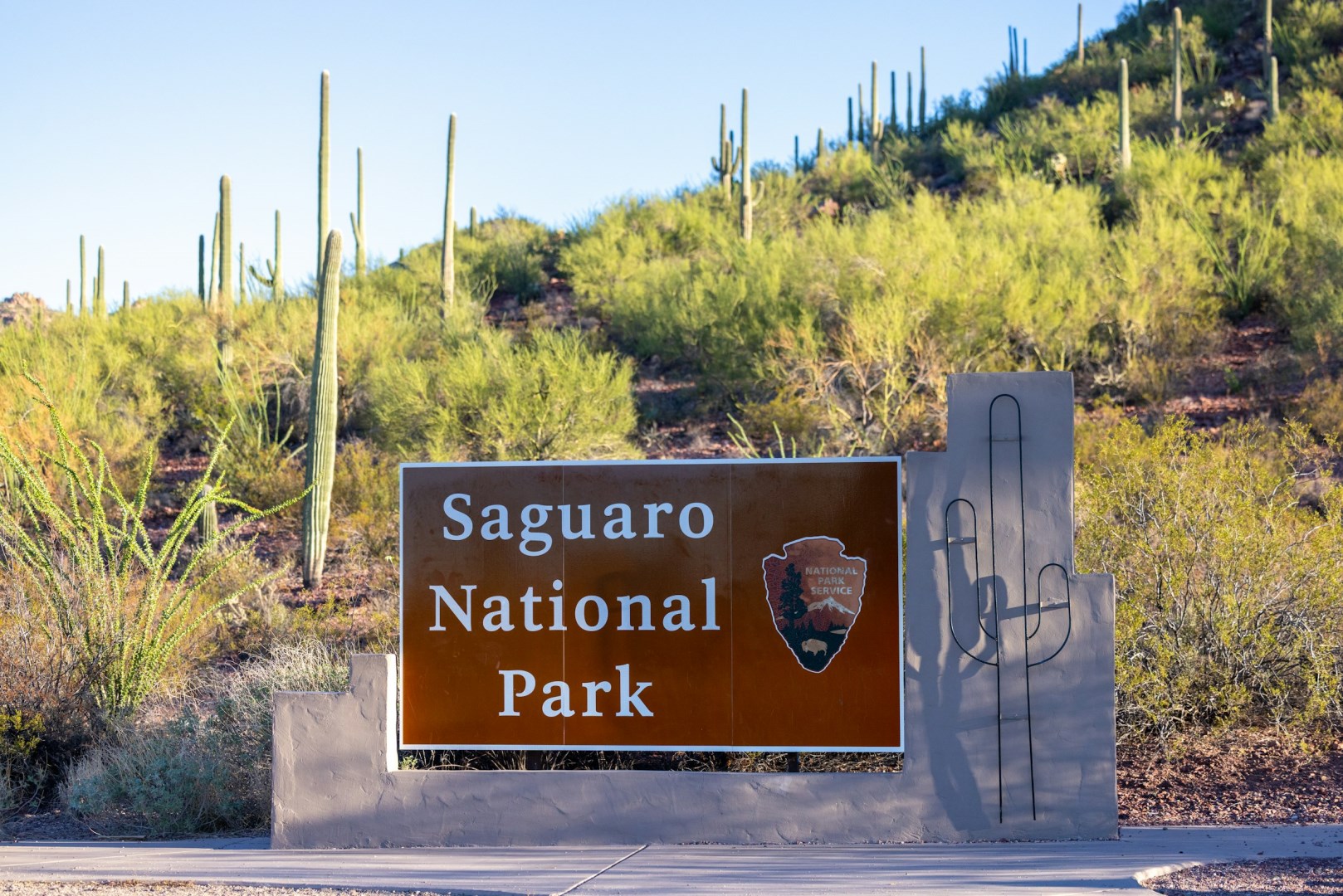
Just outside of Tucson lies Saguaro National Park, which is home to hundreds of saguaro cacti, the iconic symbol of the old West. There are endless scenic hikes and wildlife habitats, and the Arizona-Sonora Desert Museum isn't to be missed. The star of the park, of course, are the cacti themselves, and there are few more beautiful sights than seeing them silhouetted against the beauty of a magnificent desert sunset.
Sekondi-Takoradi, often referred to as the Western Region's commercial hub, is a dynamic urban area brimming with both historical charm and modern vibrancy. The twin cities, Sekondi and Takoradi, offer a unique blend of traditional culture and contemporary development. As Ghana's second-largest port city, Takoradi is a gateway to the region’s rich maritime heritage and booming oil industry, while Sekondi adds a historical touch with its colonial architecture and cultural significance.
The Takoradi Harbor is a major attraction, where visitors can witness the bustling activities of one of West Africa’s most significant ports. Nearby, the vibrant Market Circle in Takoradi offers a sensory feast with its array of local goods, spices, and crafts, providing an authentic Ghanaian market experience. The beach resorts along the coastline offer pristine sands and a perfect spot to unwind after exploring the city's lively streets.
Sekondi-Takoradi is also home to the Fort Orange, a historic fort built by the Dutch in the 17th century. This fort, now a museum, gives visitors insight into the colonial past of the region and its significance in the trans-Atlantic trade.
For the best experience, plan your visit between November and March, when the weather is pleasant and the city buzzes with various festivals and events.
Other Popular Destinations in Ghana
Accra
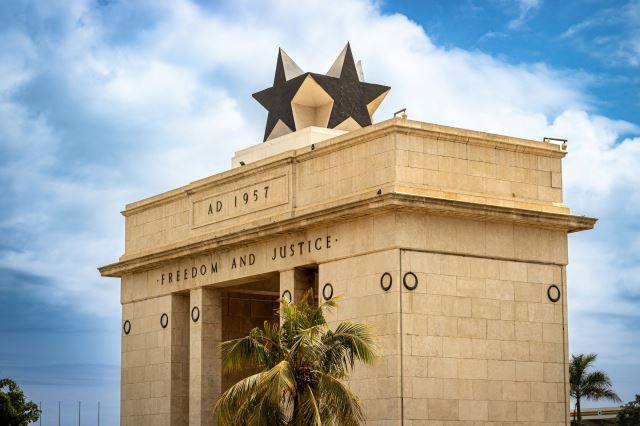
Accra, Ghana’s vibrant capital, blends coastal charm with an energetic urban atmosphere. Situated along the Atlantic Ocean, the city is a hub for arts, culture, and history, offering travelers a lively introduction to the country.
Tema
Tema, a vibrant city in Ghana's Greater Accra Region, offers a captivating blend of urban energy and coastal charm. As Ghana’s largest port city, Tema is a hub of economic activity, but it also boasts rich cultural and recreational attractions. The city's Harbour is one of the busiest in West Africa, facilitating significant maritime trade. Visitors can explore the port area, which provides insight into Ghana’s commercial and industrial sectors.