Portland, Maine
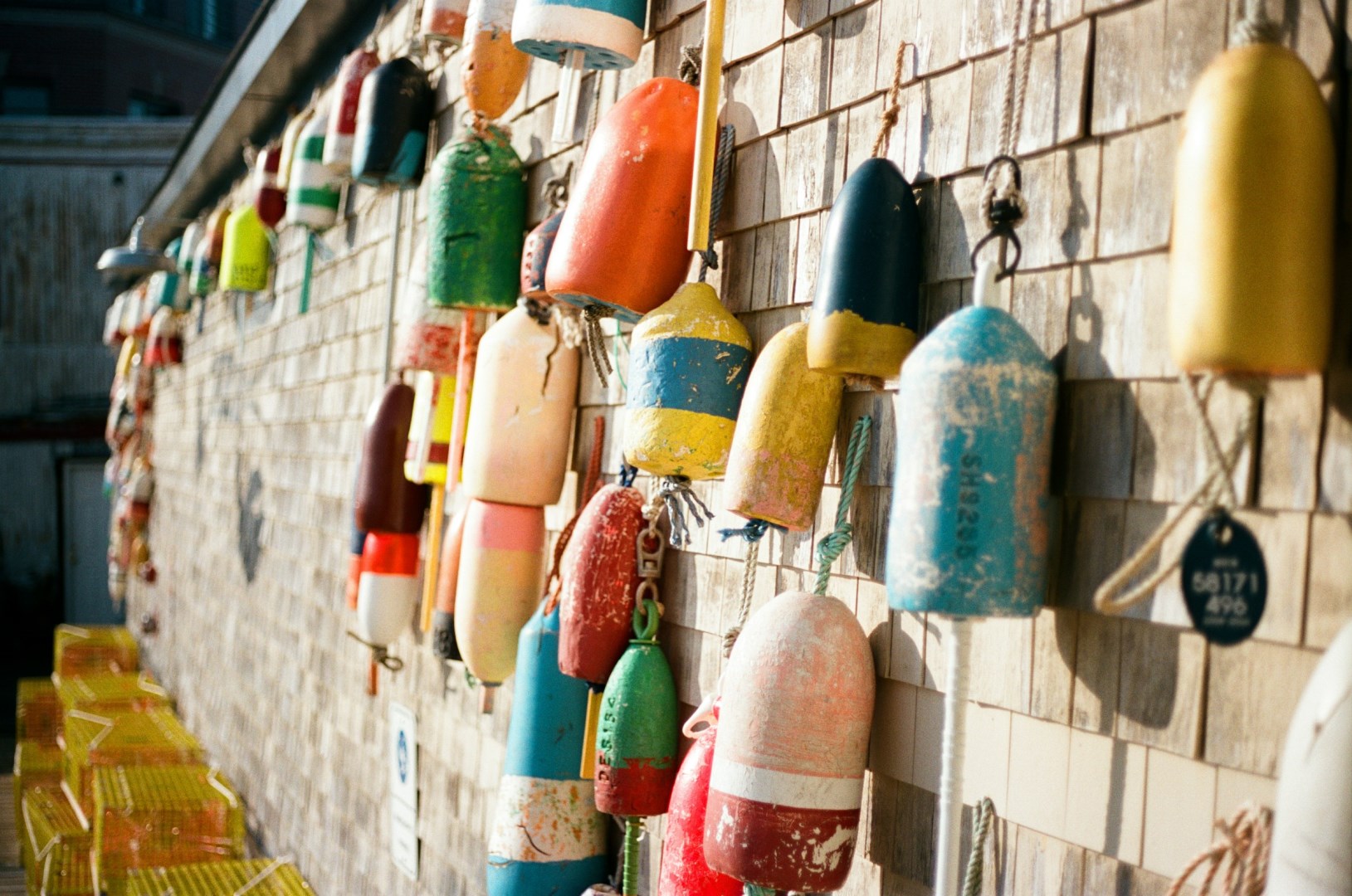
Dotted with lighthouses along its shoreline, Portland, Maine is a coastal gem in the northeastern United States and a veritable paradise for lovers of fresh seafood, craft breweries, and small-town charm. At the center of downtown Portland, the Old Port neighborhood boasts a number of unique and historical buildings, trendy restaurants and bars, and picturesque views of the Portland Harbor.

Maui Island
Maui is a Hawaiian paradise offering an incredible variety of landscapes, experiences, and cultural traditions. Known for its valleys, beaches, and volcanic peaks, Maui attracts visitors who want to immerse themselves in nature and Hawaiian heritage. The island’s crown jewel is Haleakalā National Park, where the massive dormant volcano provides beautiful scenery and unforgettable sunrise views. Visitors can hike through the park or stargaze under one of the clearest night skies in the world.

St. Malo
Saint-Malo, a captivating walled city on the coast of Brittany, France, invites visitors to step back in time while embracing the beauty of the rugged coastline. Known for its rich maritime history, this former pirate stronghold has retained its medieval charm, with narrow cobblestone streets, towering granite walls, and fortifications that echo tales of seafaring adventures.
Copacabana Beach
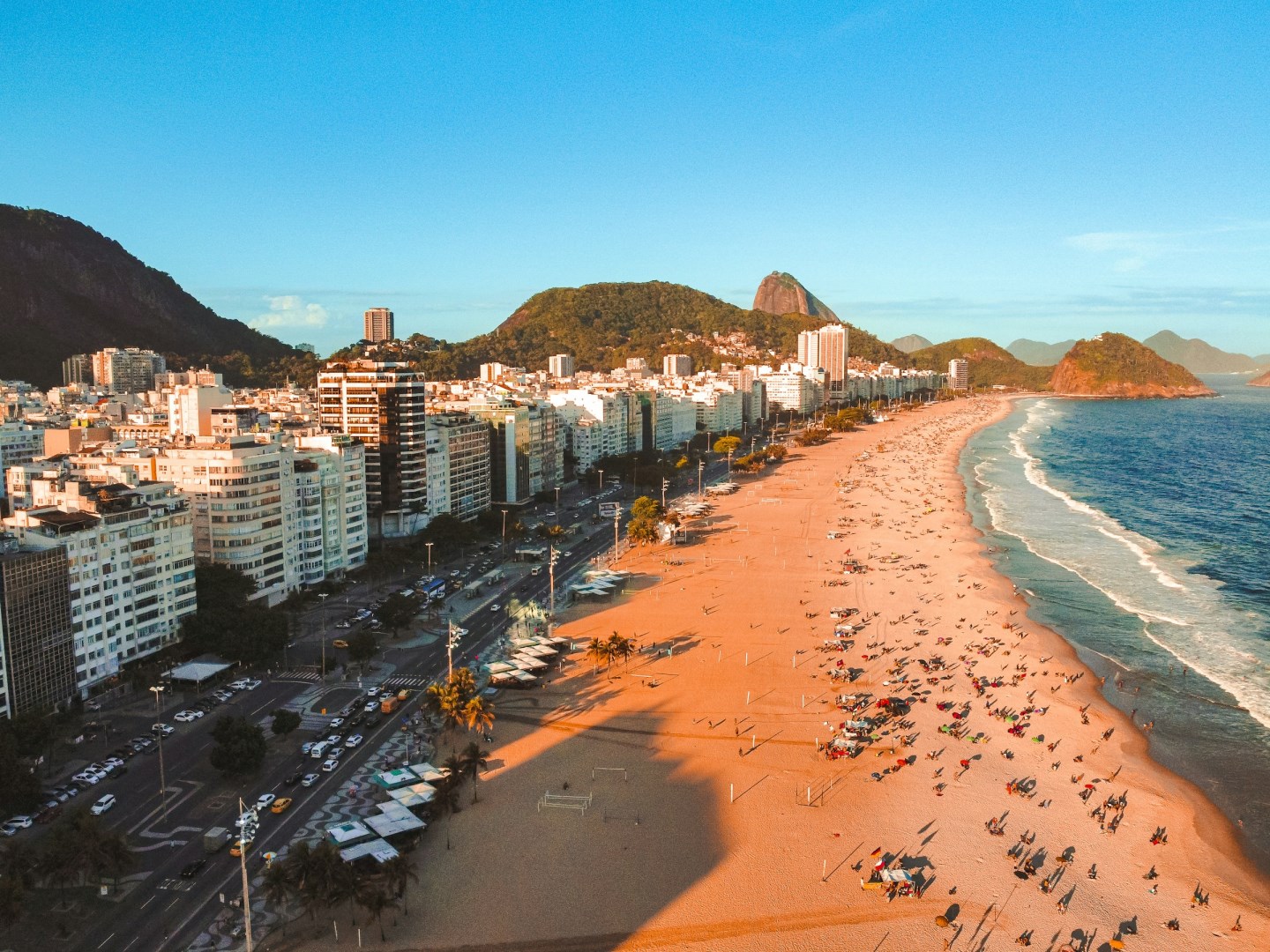
The splendid beach location of the Copacababa allows you to absorb the warmth of Acapulco's sunshine in a relaxing, low key atmosphere.
Alleppey
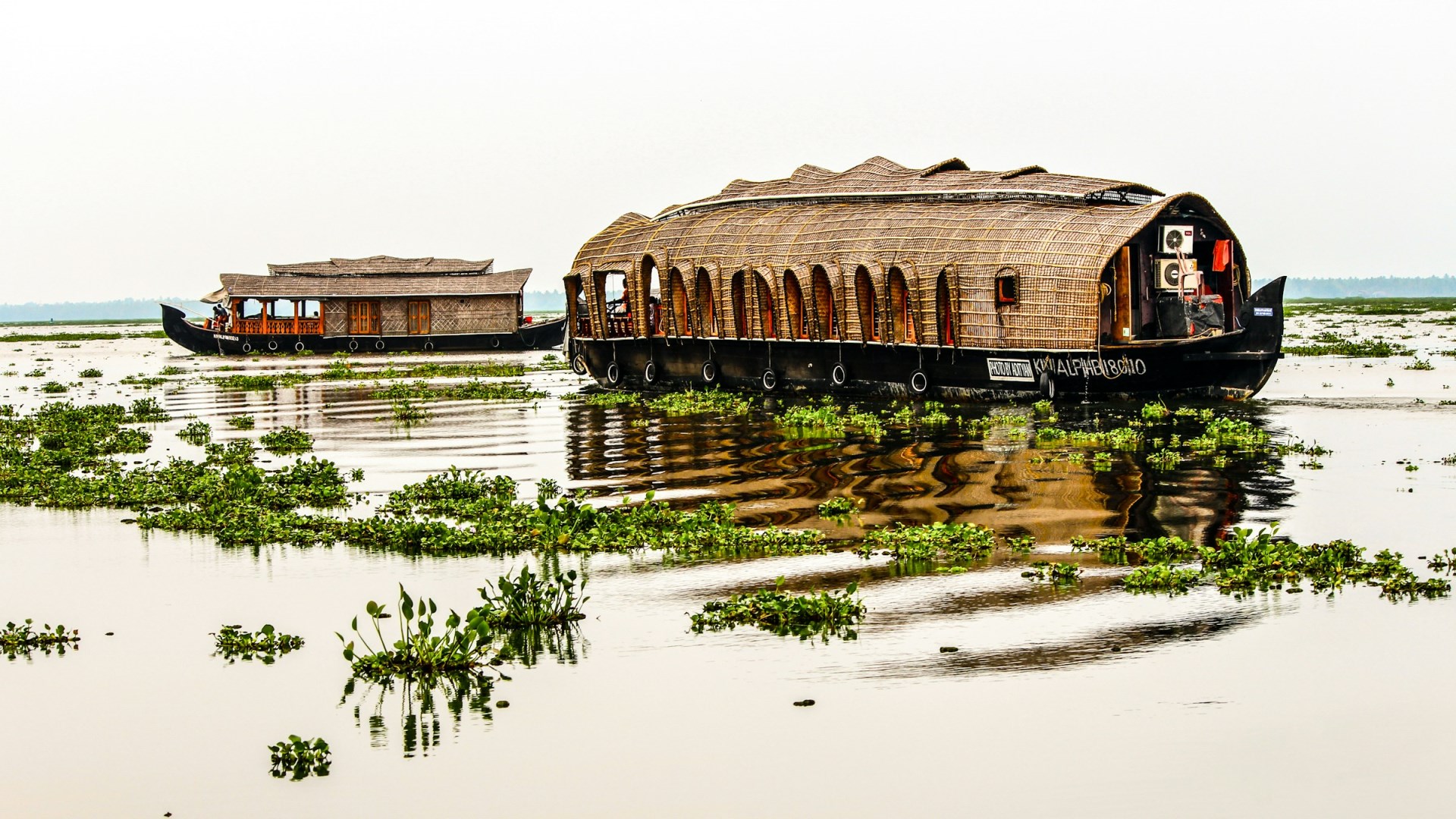
Alleppey, officially known as Alappuzha, is a coastal city in Kerala renowned for its interconnected backwaters, canals, lagoons, and low-lying paddy fields. The city sits between the Arabian Sea and the extensive waterways of Kerala, with coconut palms and villages lining many of the canals. Traditional houseboats, known as kettuvallams, are a defining feature of the area and cruise through waterways linked to Vembanad Lake. Alleppey also has a long connection with maritime trade, coir producti