Zákynthos
Zakynthos, also known as Zante, is a Greek island that captivates visitors with its stunning natural beauty and rich cultural heritage. Renowned for its breathtaking beaches, the island's most famous attraction is Navagio Beach, also known as Shipwreck Beach. This picturesque cove, accessible only by boat, features an iconic shipwreck lying on powdery white sand surrounded by dramatic limestone cliffs and crystal-clear turquoise waters.

Mainz
A charming city nestled on the banks of the Rhine, Mainz, Germany lies southwest of Frankfurt and is replete with historic buildings and famous museums. The city's Altstadt district meets the river's edge and boasts a variety of beautiful and fascinating landmarks.

Tunis
Tunis' white-washed, blue-shuttered buildings hide a treasure trove of Arabic and Ottoman art. Inspect illuminated manuscripts from the Koran, follow the twists and turns of the fascinating old Medina (inner city), marvel at the ornate Palace of Dar Ben Abduallah and the magnificent Djamaa-Ez-Zitouna Mosque, whose 184 columns were "recycled" from the rocky ruins of Carthage.

Basel
Basel is the global center of the pharmaceutical industry, but most travelers visit for the world-famous ART Basel festival, as well as the numerous art galleries, iconic architecture and museums.
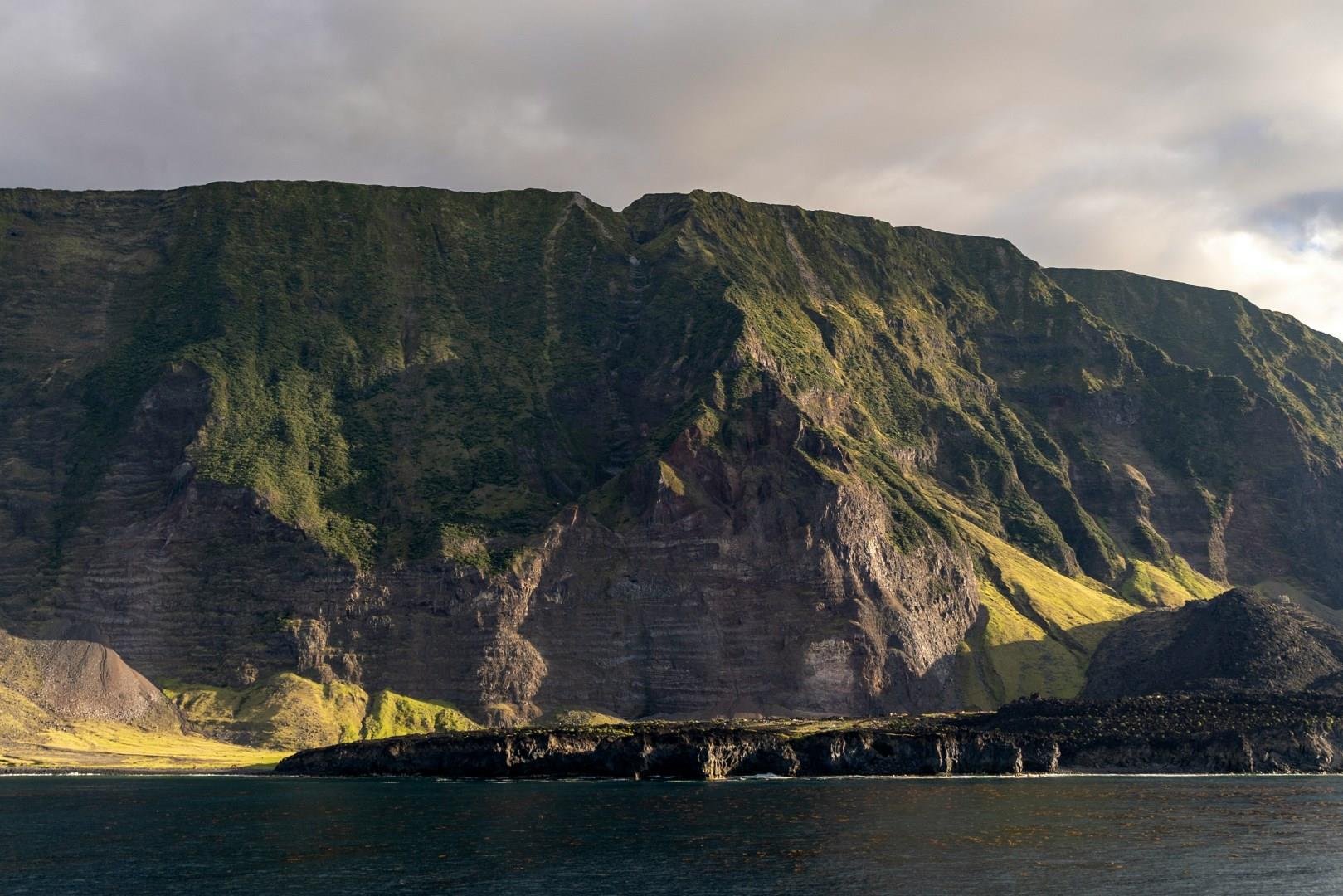
St. Helena
St. Helena is a remote island in the South Atlantic Ocean, known for its dramatic cliffs, volcanic landscapes, and rich history. It is most famous as the place where Napoleon Bonaparte spent his final years in exile, and visitors can explore Longwood House and other historic sites that tell the story of this period.