Warsaw
Warsaw stands as one of Europe’s most resilient cities, having rebuilt itself almost entirely after World War II. The Old Town, meticulously reconstructed using paintings by Italian artist Bernardo Bellotto, feels centuries old but is, in fact, less than a hundred years in its current form. Behind the medieval facades lie stories of uprisings, resistance, and quiet defiance. Visitors walking through Castle Square can enter the Royal Castle, where Poland’s Constitution of May 3, 1791 was adopted.
Palmer Station
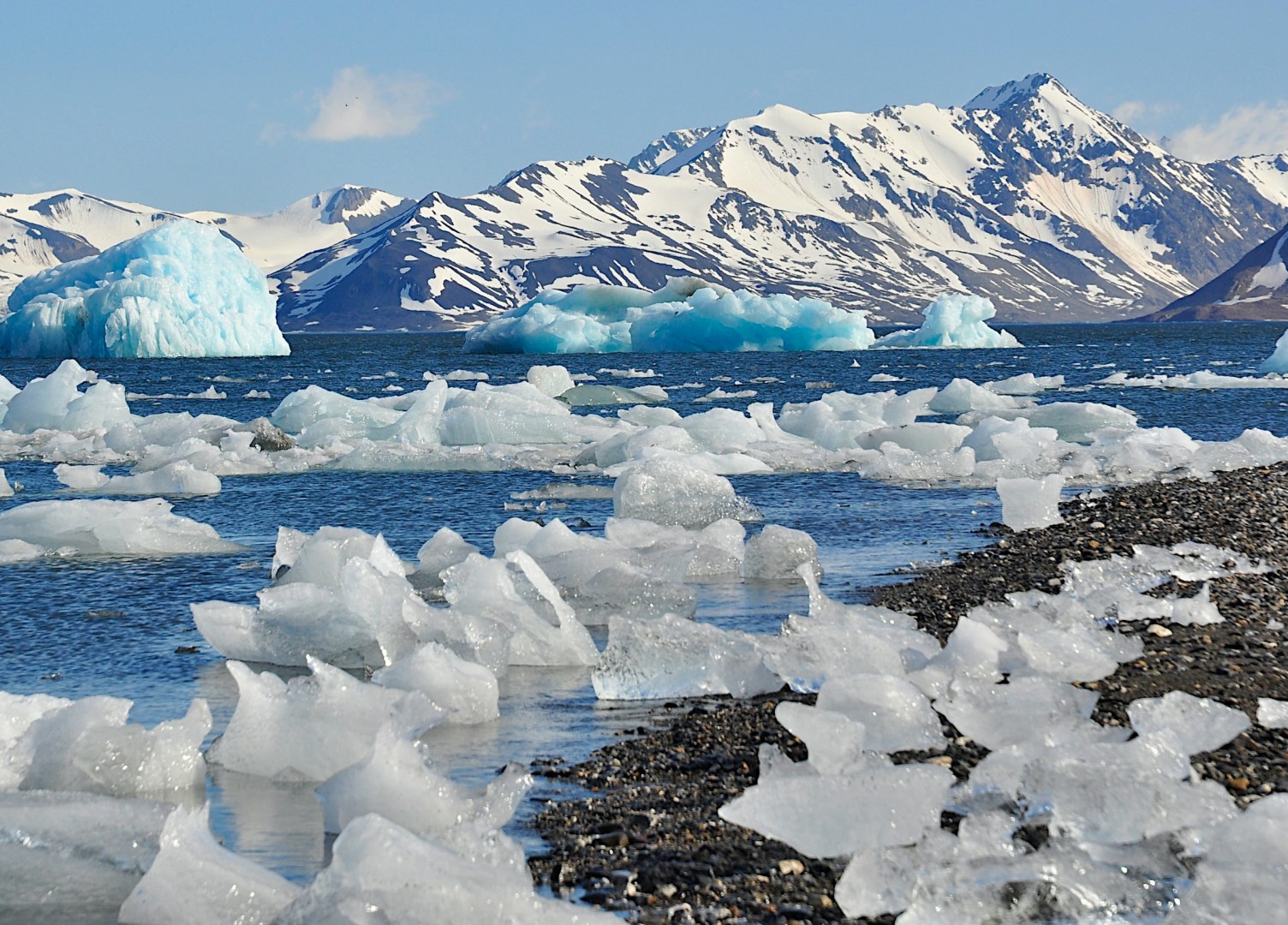
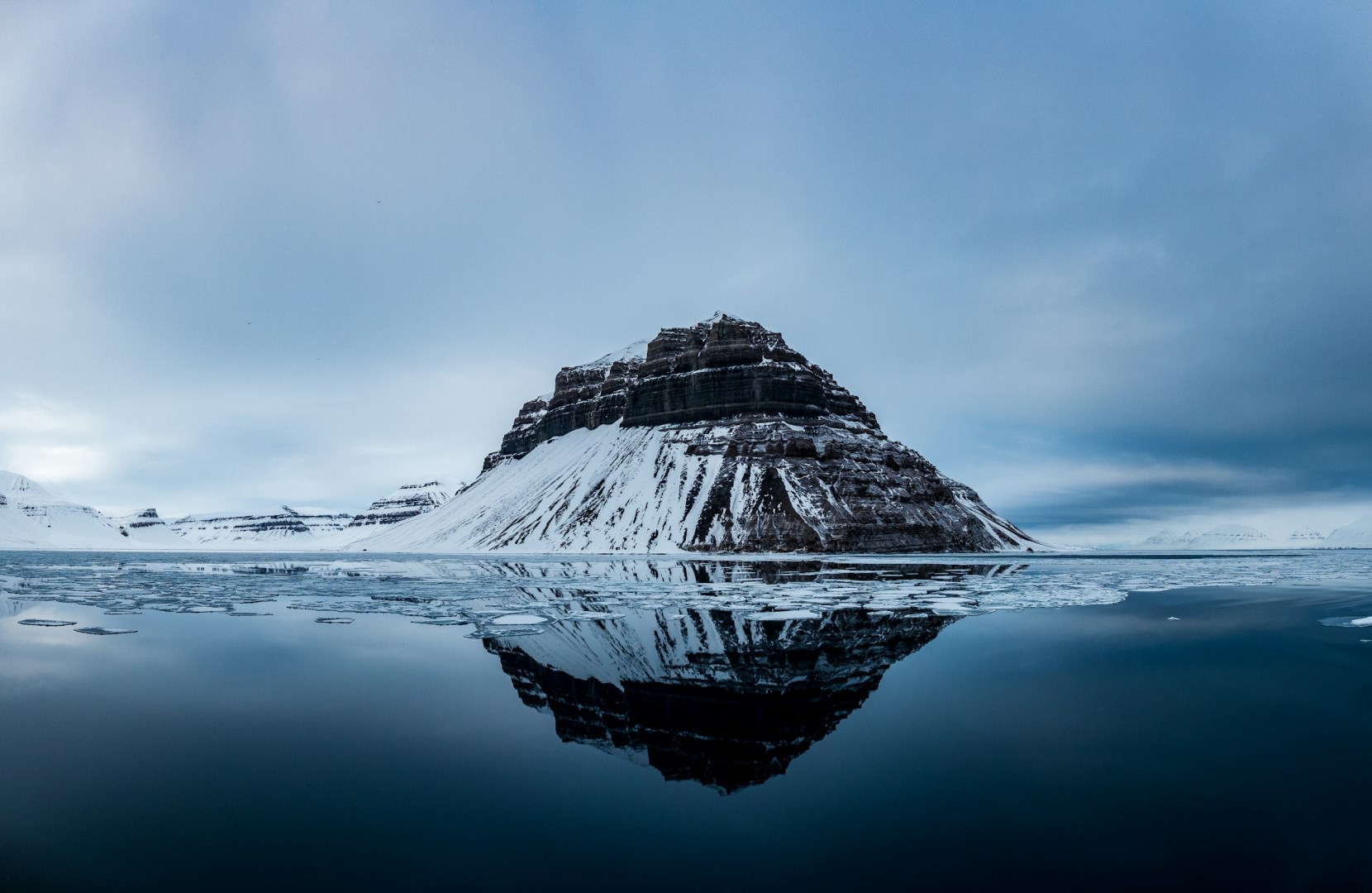
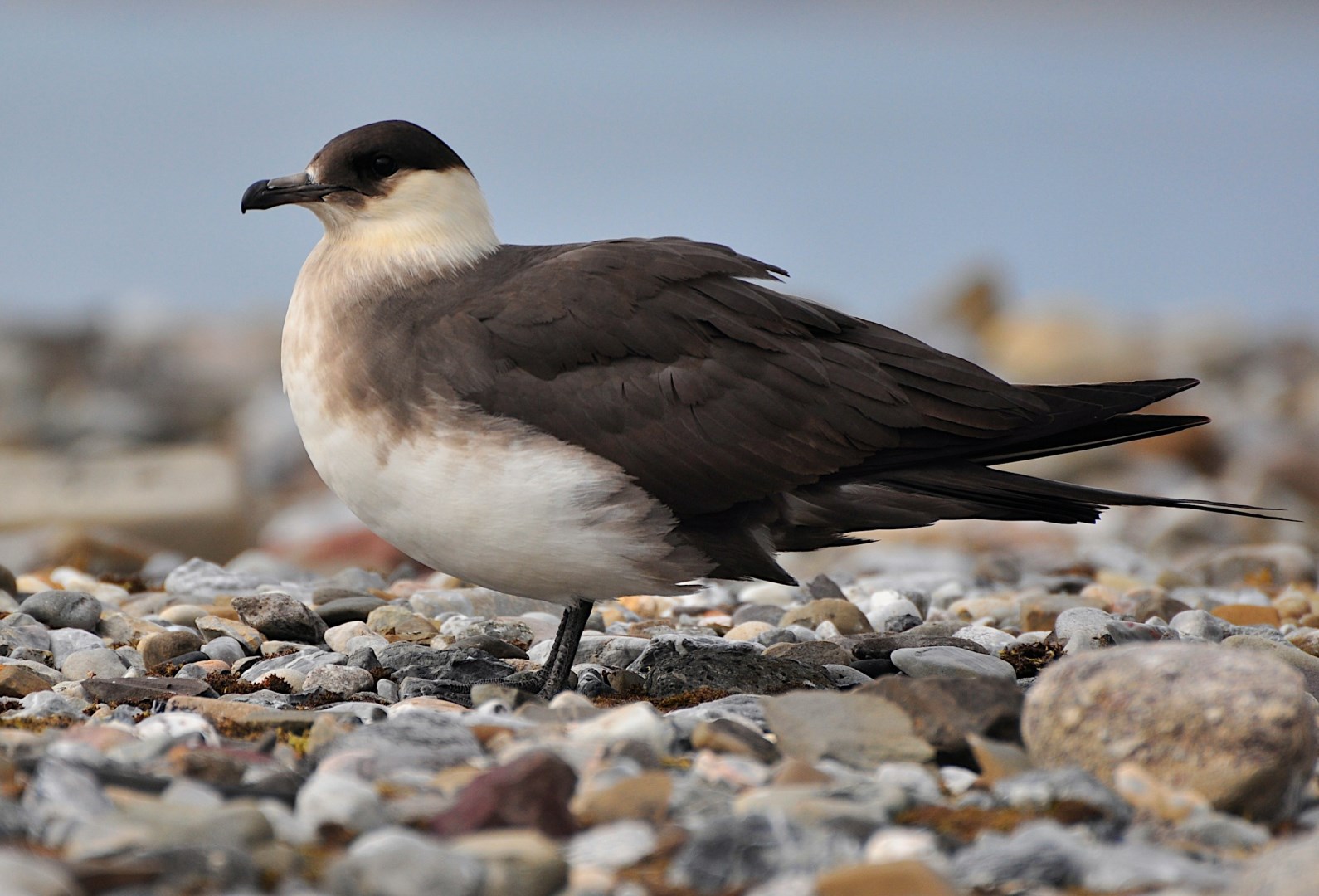
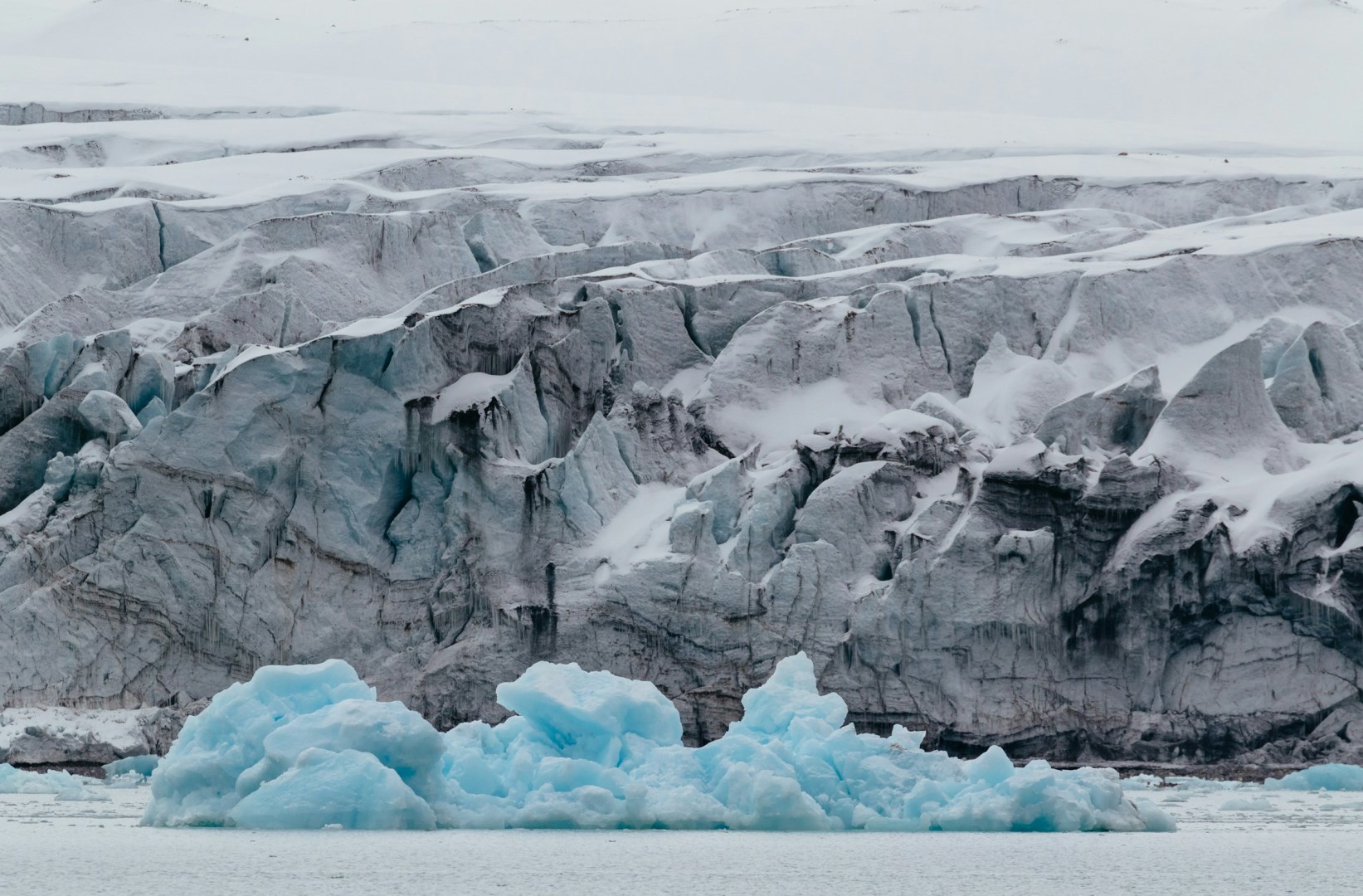
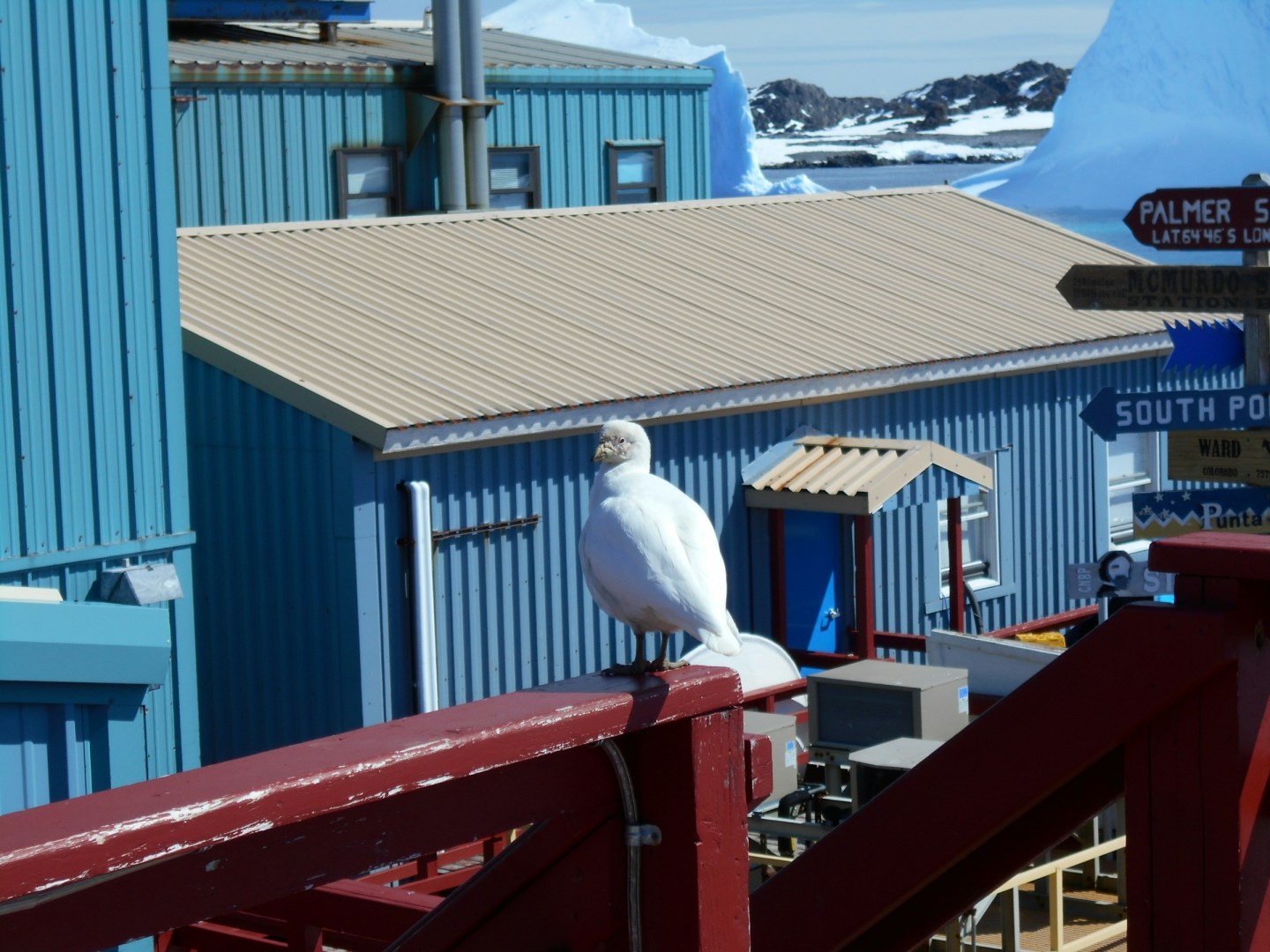
The waters and shores around Palmer Island support characteristic Antarctic wildlife. Penguins, seals, and seabirds inhabit the wider archipelago, while whales may pass through the channels during periods when sea ice permits access. The surrounding landscape features steep mountain faces, glaciers, rocky islands, and narrow passages that create constantly changing views from the water.
Kununurra
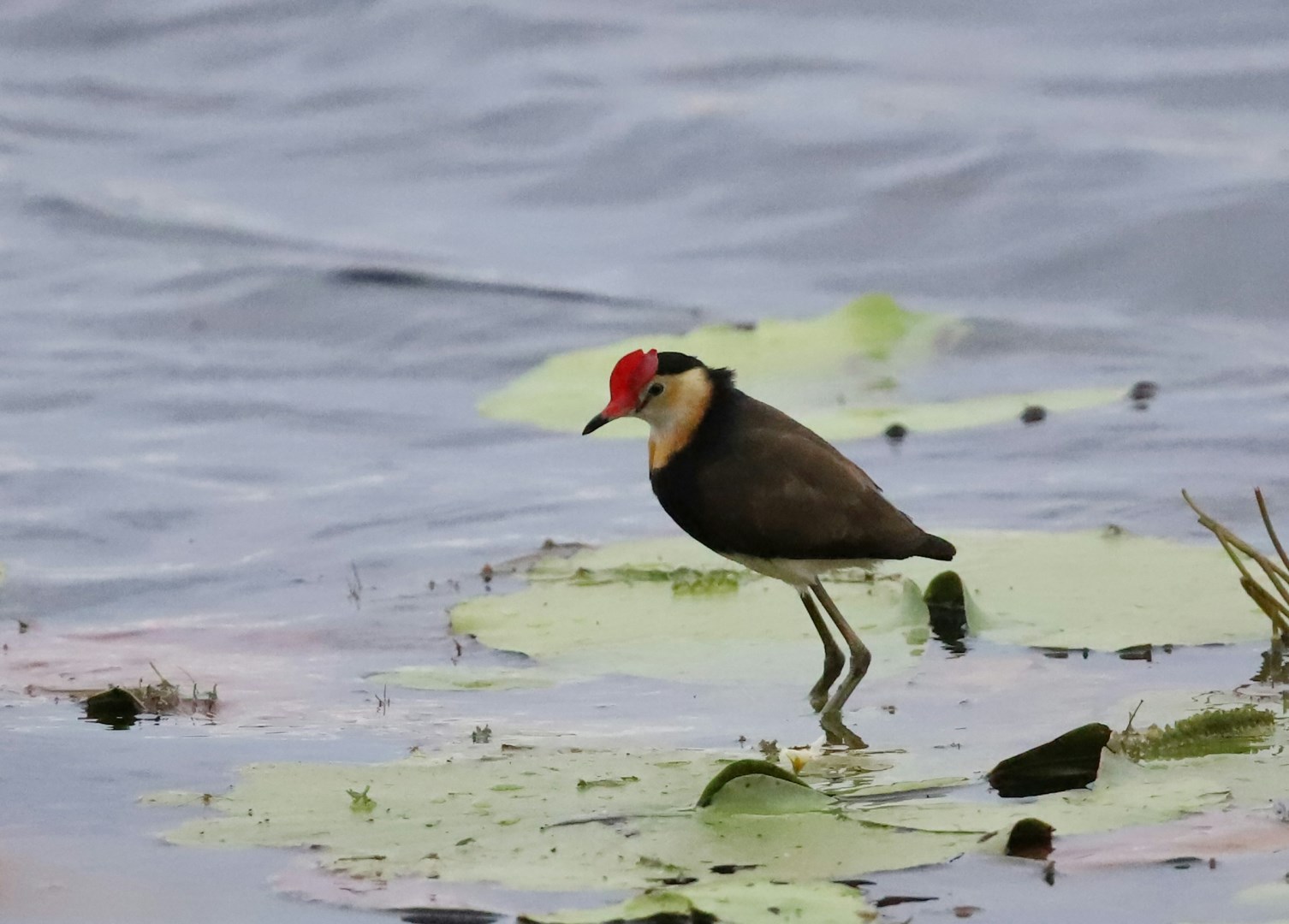
Kununurra is known by the local Miriwoong people as 'Gananoorrang', and is situated in the far north eastern corner of Western Australia just a short distance from the Northern Territory border. Kununurra is centred around the Ord River, with several lakes at lagoons surrounding the town itself. There is a fabulous lookout from the town at Kelly's Knob, giving views all around the area.

Anchorage
Alaska's largest city is the perfect place for anyone who wants a vacation filled with wildlife, outdoor activities, glaciers and gorgeous parks. Explore the rich culture and history of the indigenous people at the Alaska Native Heritage Center, hike the exquisite landscape of Flattop Mountain and finish the day with one of the many diverse restaurants and local beers.
Mount Fuji
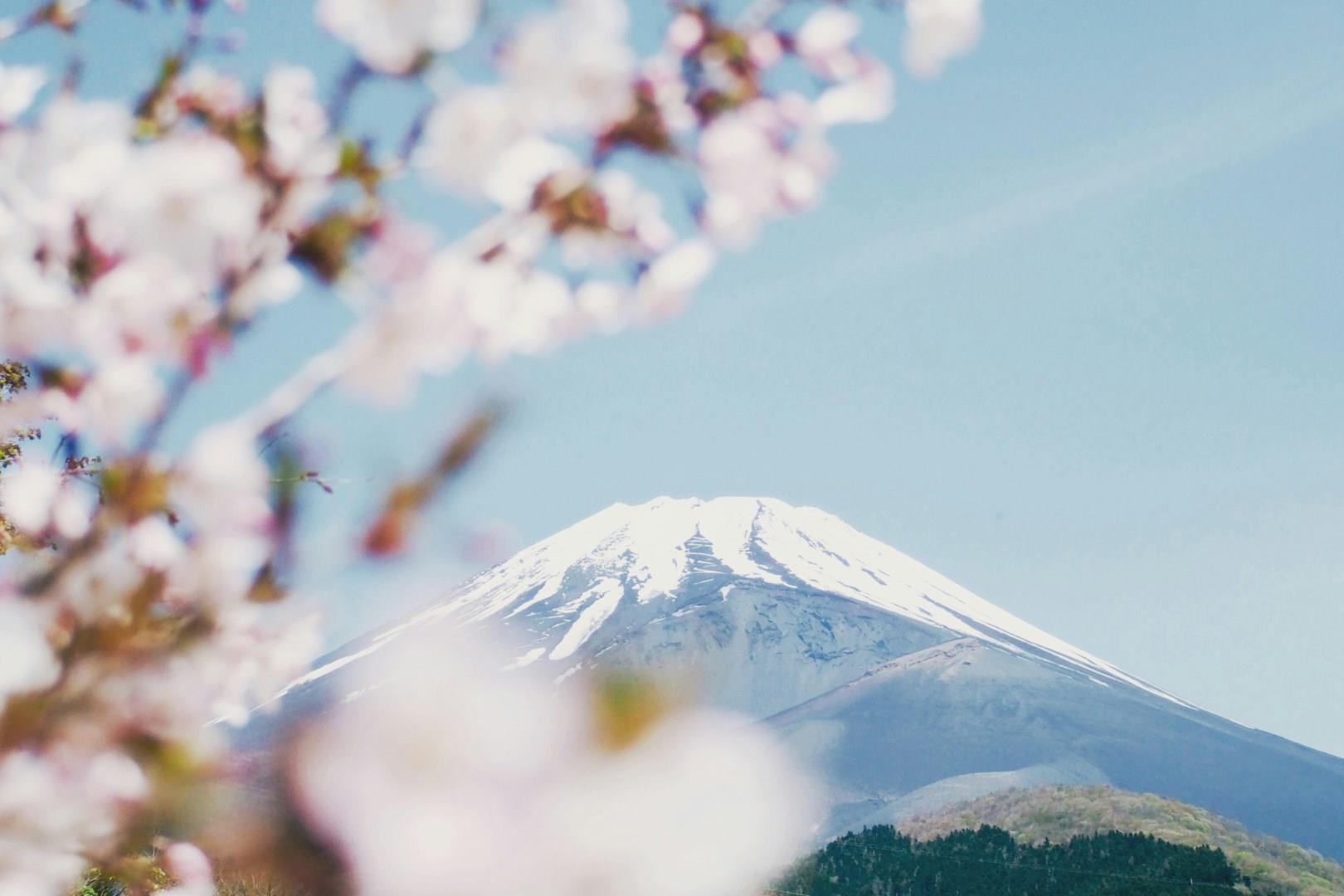
Mount Fuji rises above central Japan as both a physical landmark and a cultural symbol, long associated with pilgrimage, art, and seasonal ritual.