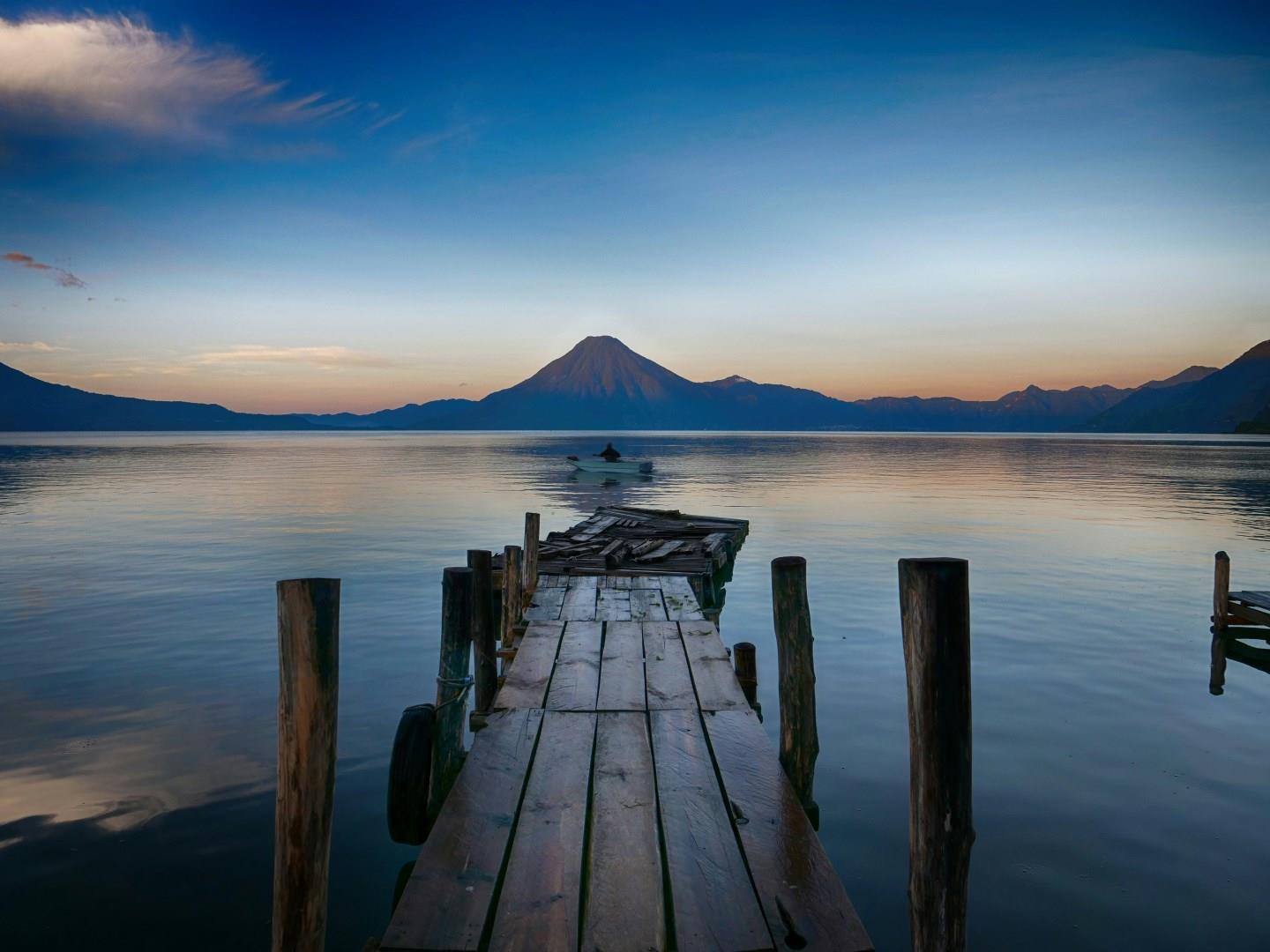
Panajachel, on the shores of Guatemala’s Lake Atitlán, is a vibrant town framed by volcanic peaks and the shimmering waters of one of the world’s most picturesque lakes.
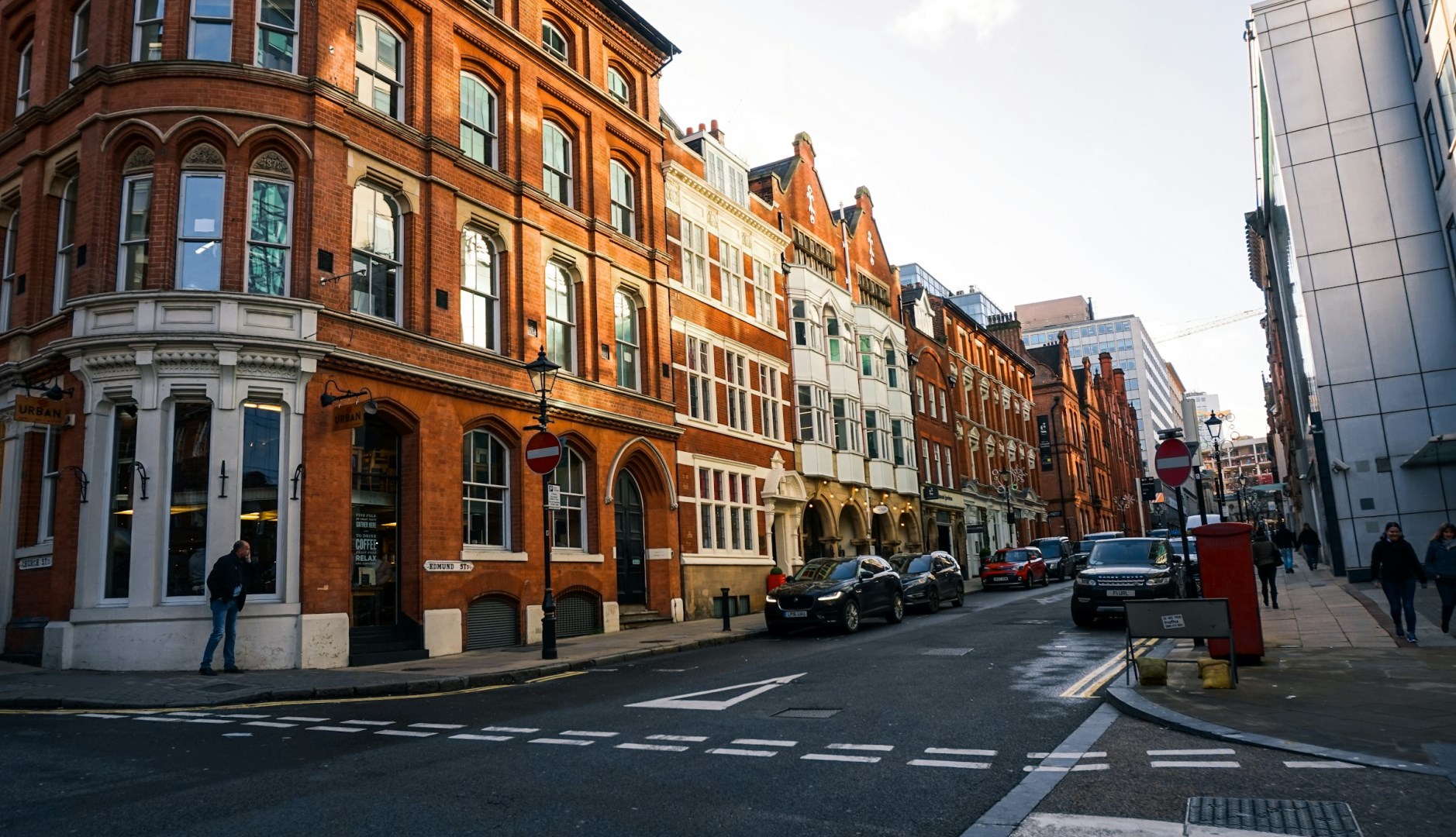
Located in northwest England, Birmingham has a tremendous history as an industrial city. Close to coal and iron ore supplies, it was here that Bouton and Watt harnessed steam power to run machinery. The Museum of Science and Industry resides here and provides an excellent look at England's history.
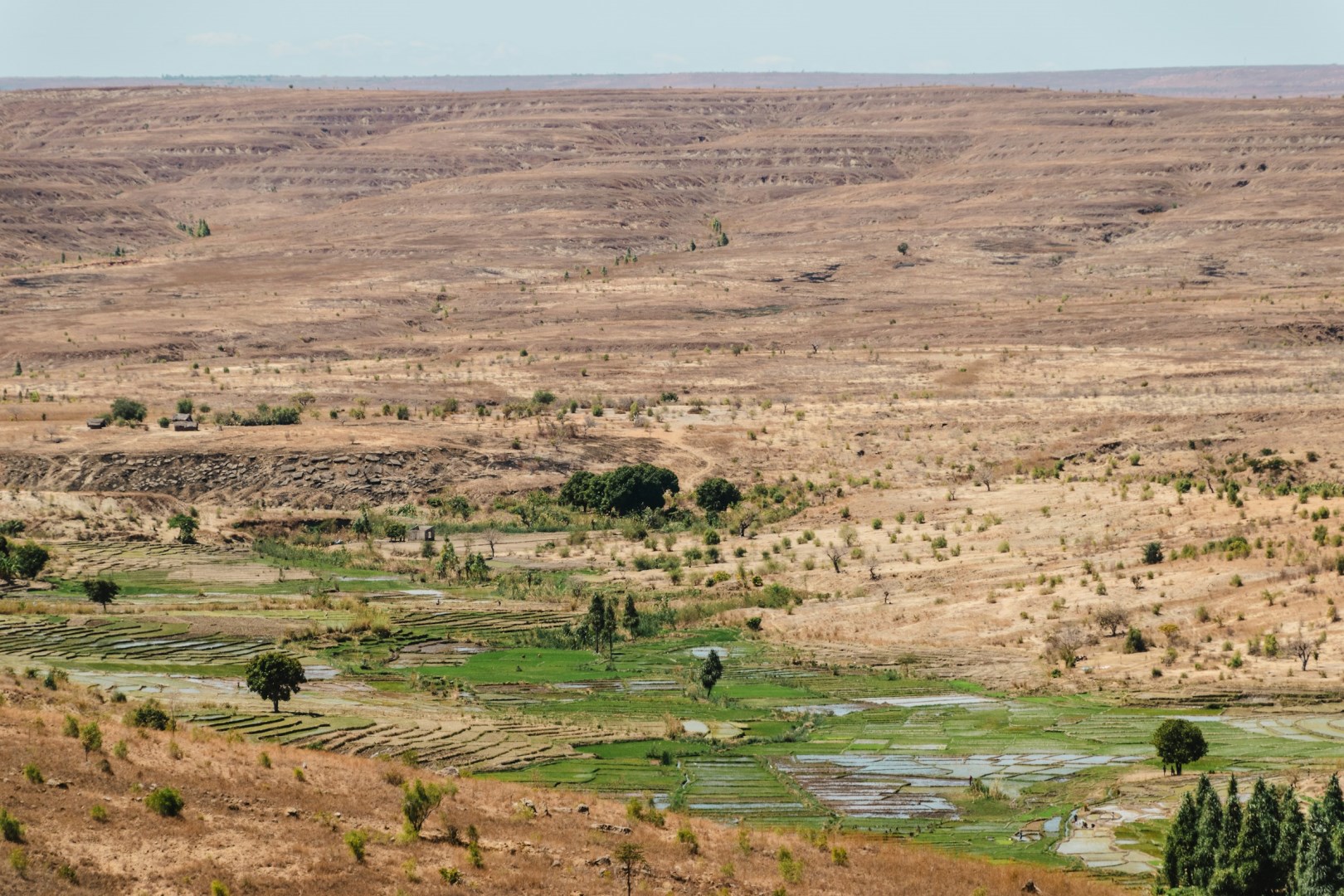
Isalo National Park lies in southern Madagascar near the town of Ranohira, protecting about 81,540 hectares of sandstone massifs, deep canyons, grasslands, forests, and rocky plateaus. Its landscape has been shaped by erosion into unusual cliffs, ridges, gorges, and isolated rock formations. The park's semi-arid climate creates strong contrasts between dry open slopes and greener canyon floors, where streams support pockets of vegetation.
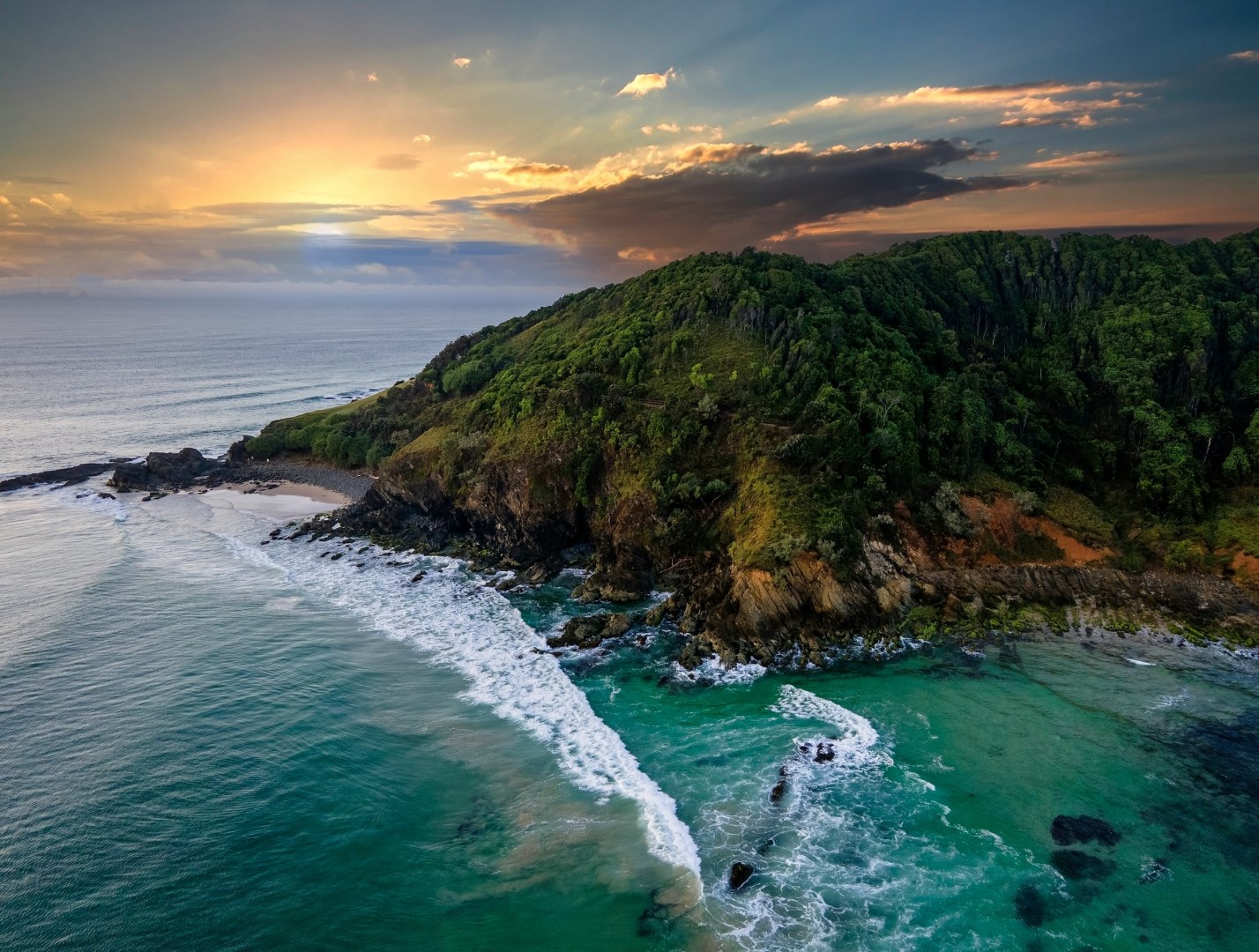
Byron Bay lies on the far north coast of New South Wales, Australia, where wide beaches meet the deep blue Pacific and the point of land known as Cape Byron marks the easternmost tip of the mainland. Standing tall above the coastline, the Cape Byron Lighthouse has guided ships since 1901 and now greets walkers and sightseers who take the scenic cliff-top path for views stretching toward whales during their migration season.
This island is Australia's third largest, only a short flight or ferry trip from the mainland. The abundance of native flora and fauna are unthreatened due to its remoteness. Sea lions basking in the sun and penguins promenading are a spectacle to see. PirKangaroo Island, often described as Australia’s "Galápagos," is a wildlife sanctuary and nature lover's paradise located off the coast of South Australia.
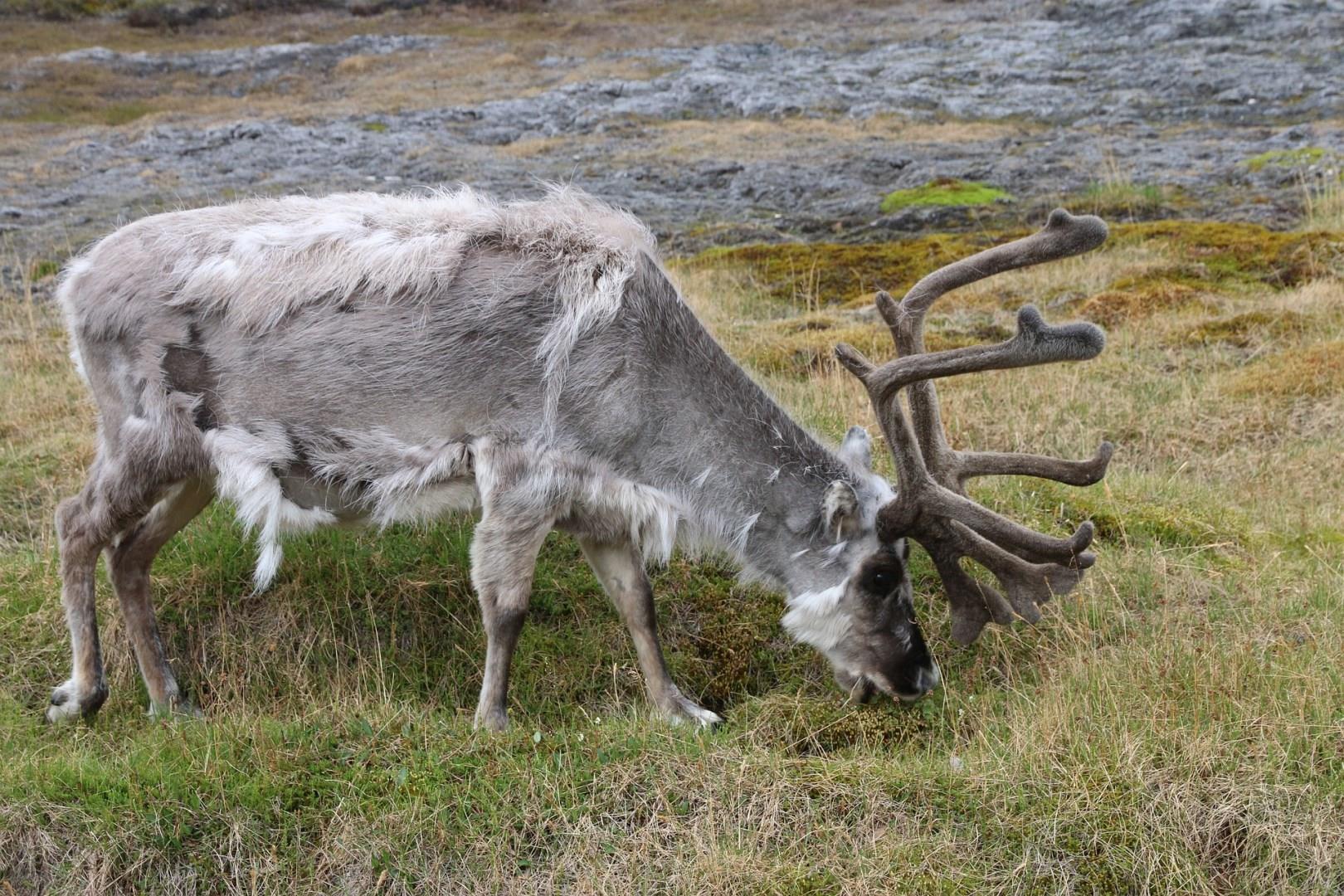
Photo Credit: Photo by Fredrik Solli Wandem on Unsplash
Photo Credit: Photo by Rod Long on Unsplash
Photo Credit: Photo by Dylan Shaw on Unsplash
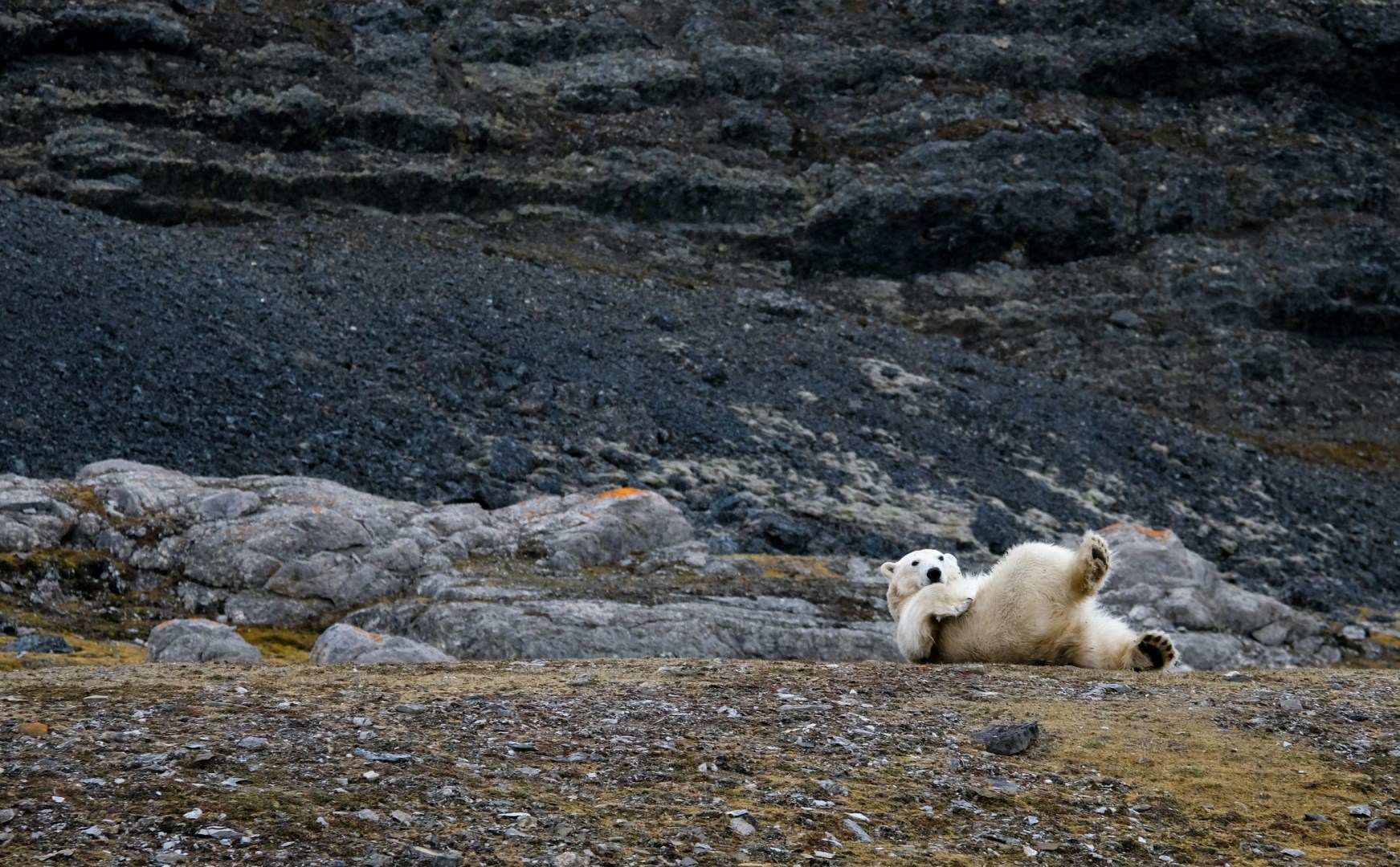
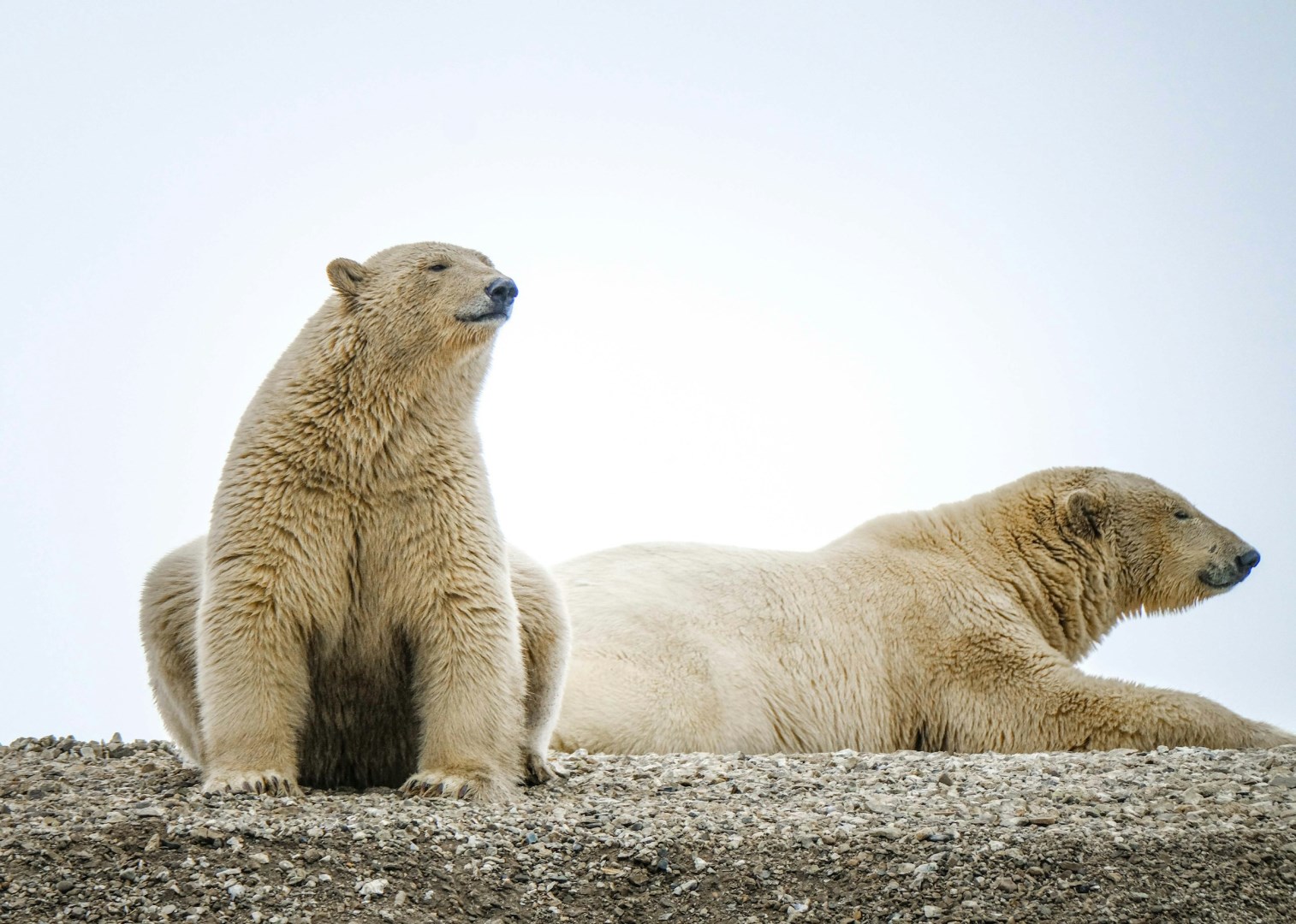
Polar Bears
Photo Credit: Photo by Francesco Ungaro on Unsplash
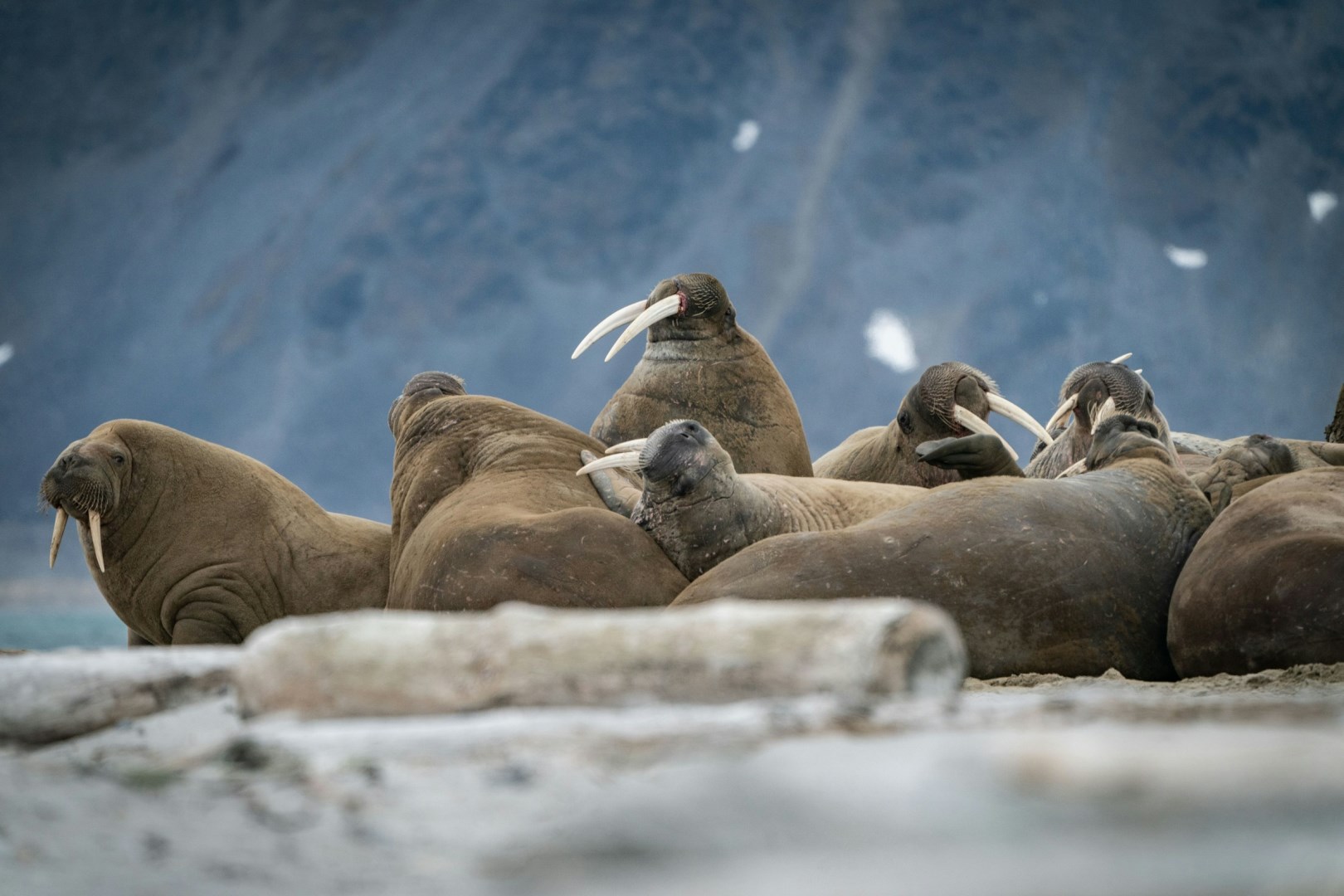
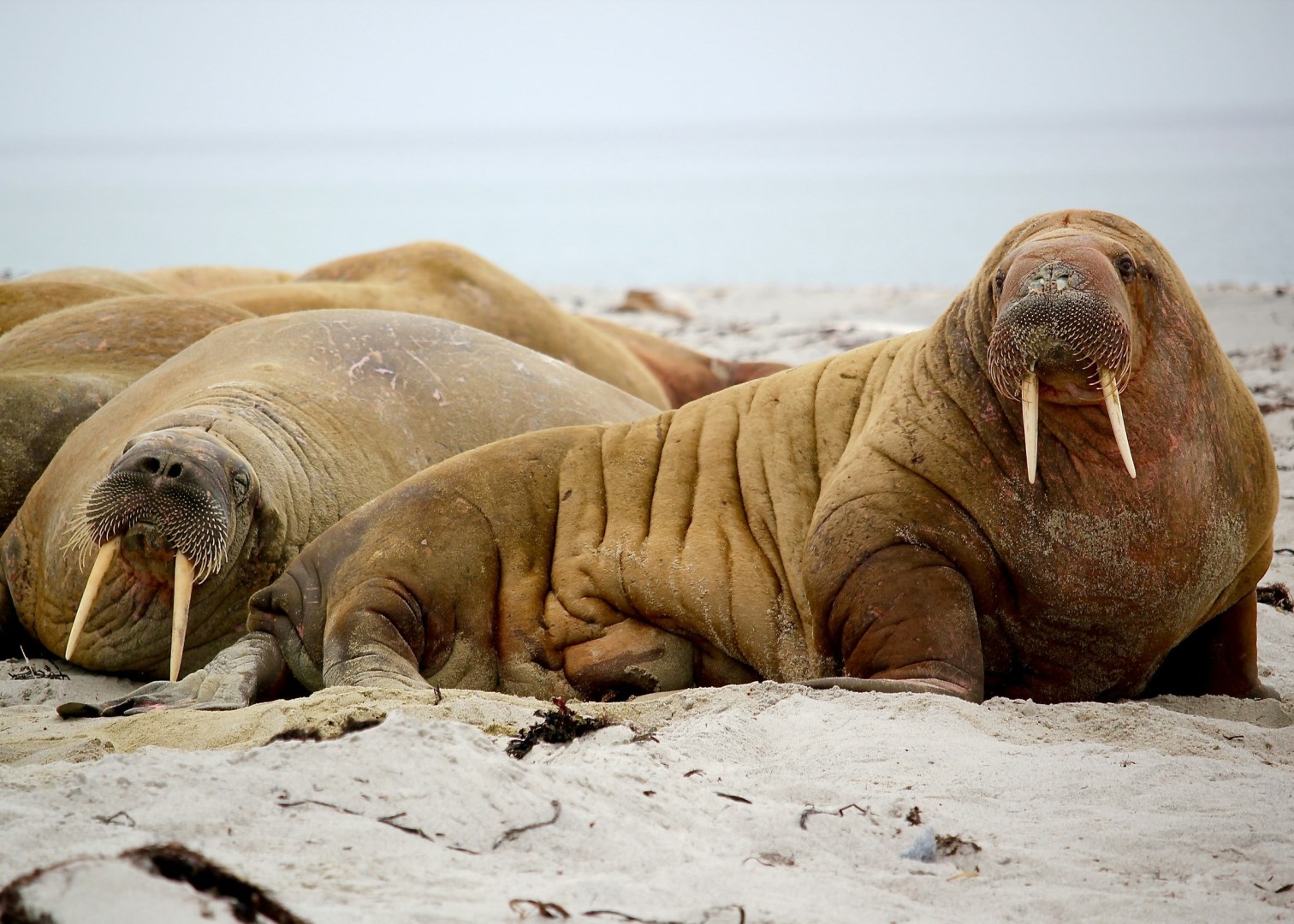
Walrus at Smeerenburgbreen
Photo Credit: Photo by Jay Ruzesky on Unsplash
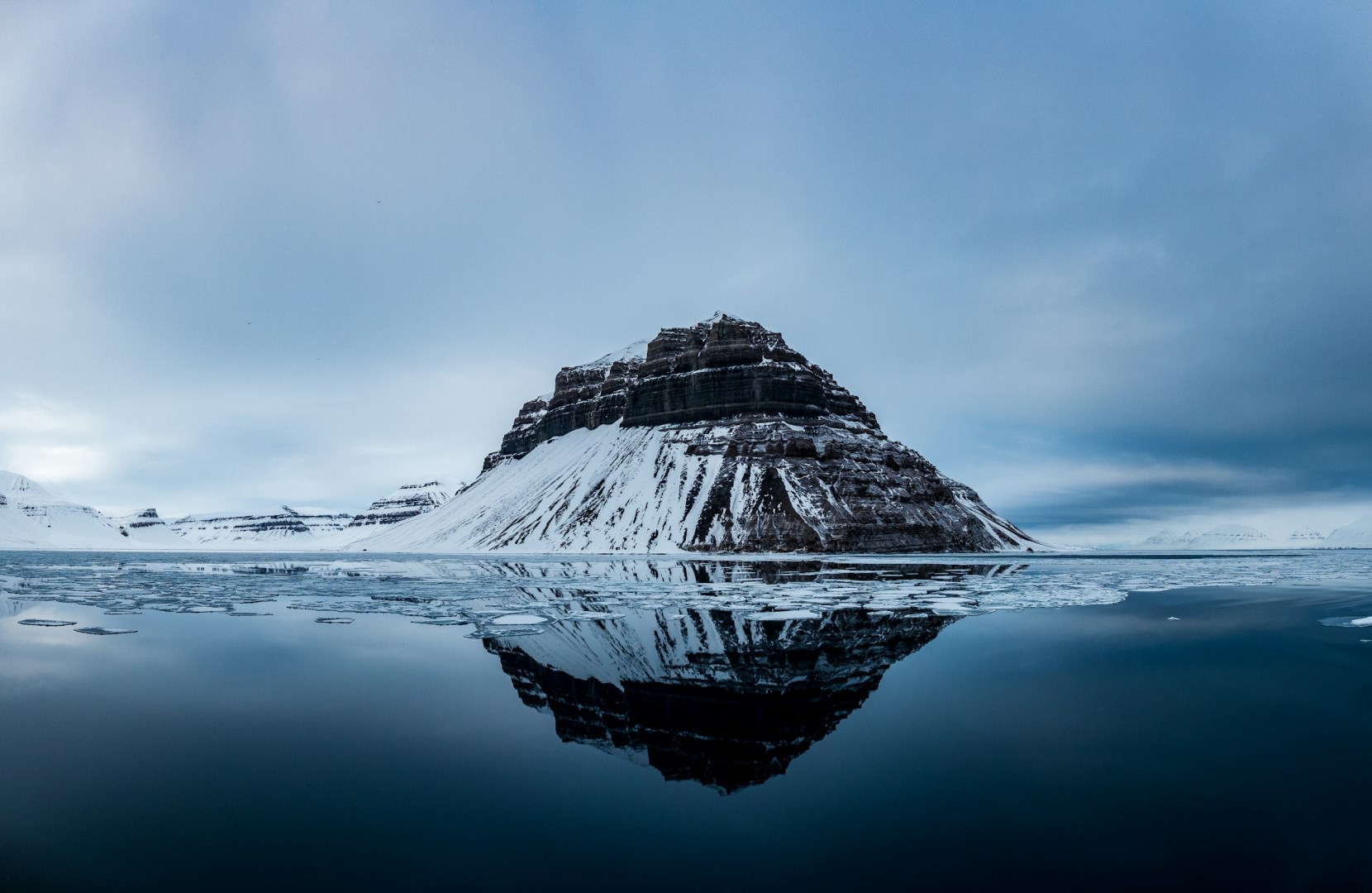
Billefjorden
Photo Credit: Photo by Lloyd Woodham on Unsplash
Photo Credit: Photo by Daniel Fatnes on Unsplash
Photo Credit: Photo by Dylan Shaw on Unsplash
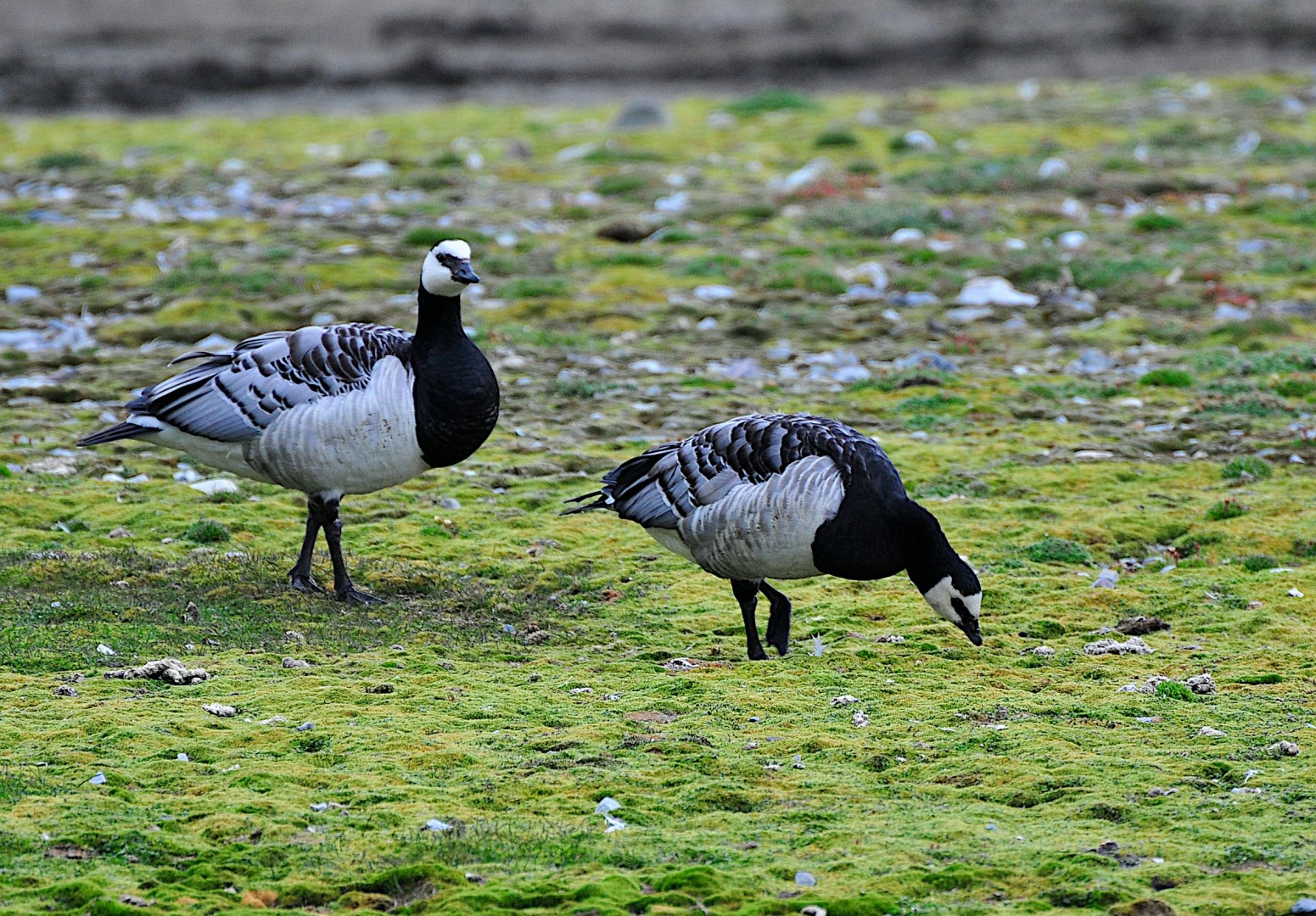
Barnacle goose
Photo Credit: Photo by Jacek Urbanski on Unsplash
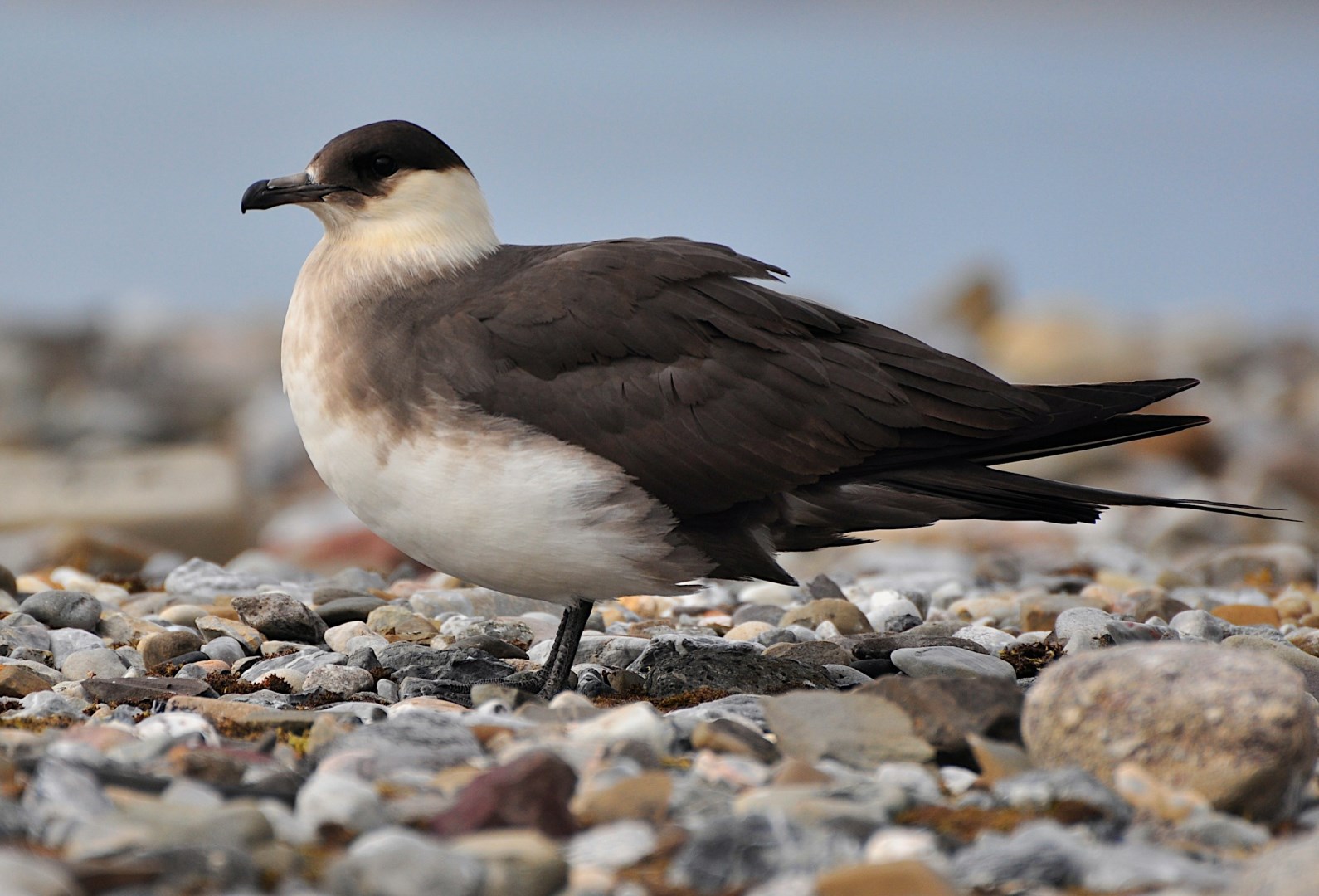
Arctic skua
Photo Credit: Photo by Jacek Urbanski on Unsplash
Photo Credit: Photo by Bob Brewer on Unsplash
Photo Credit: Photo by Chris Marquardt on Unsplash
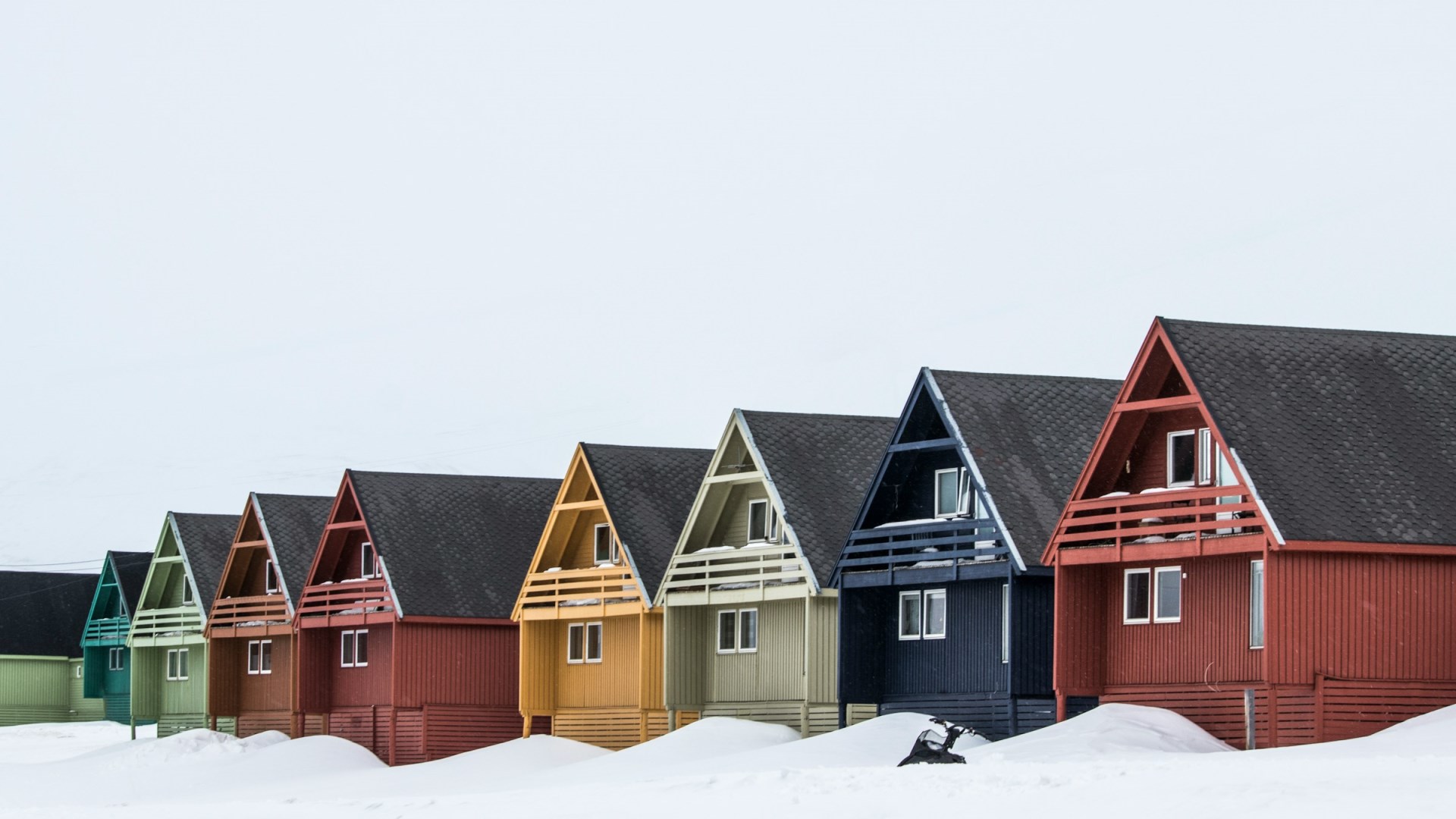
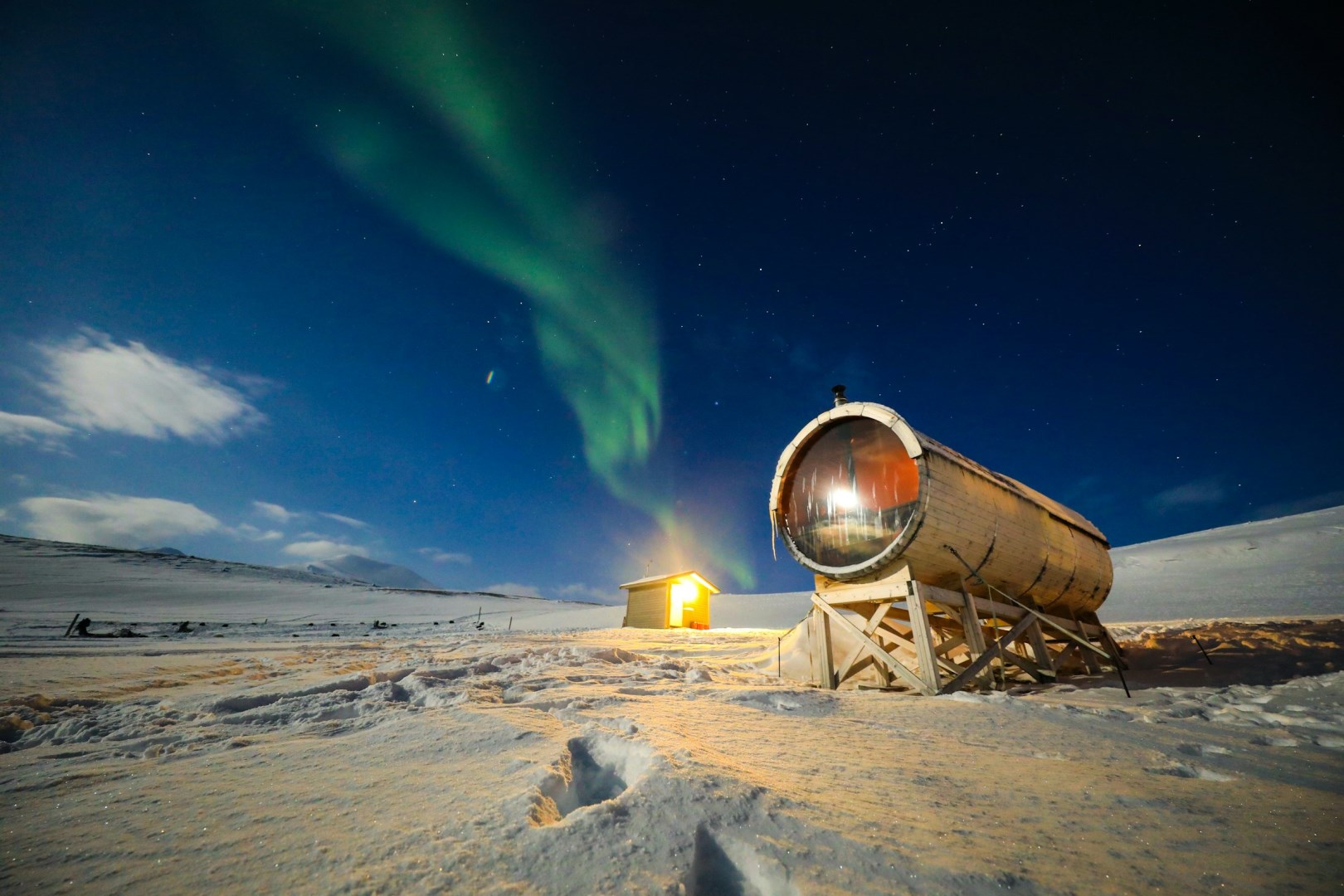
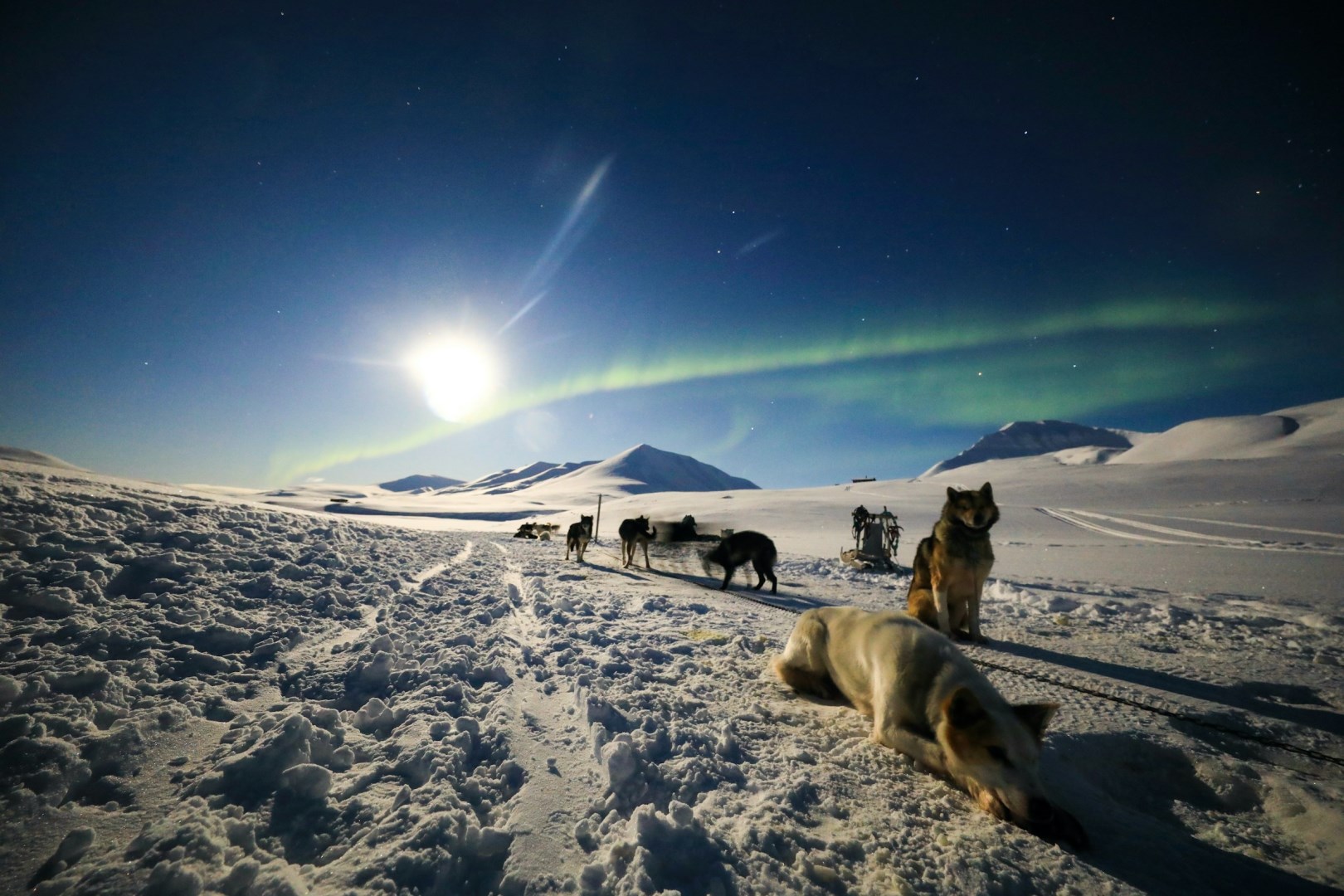
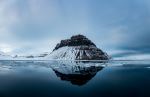
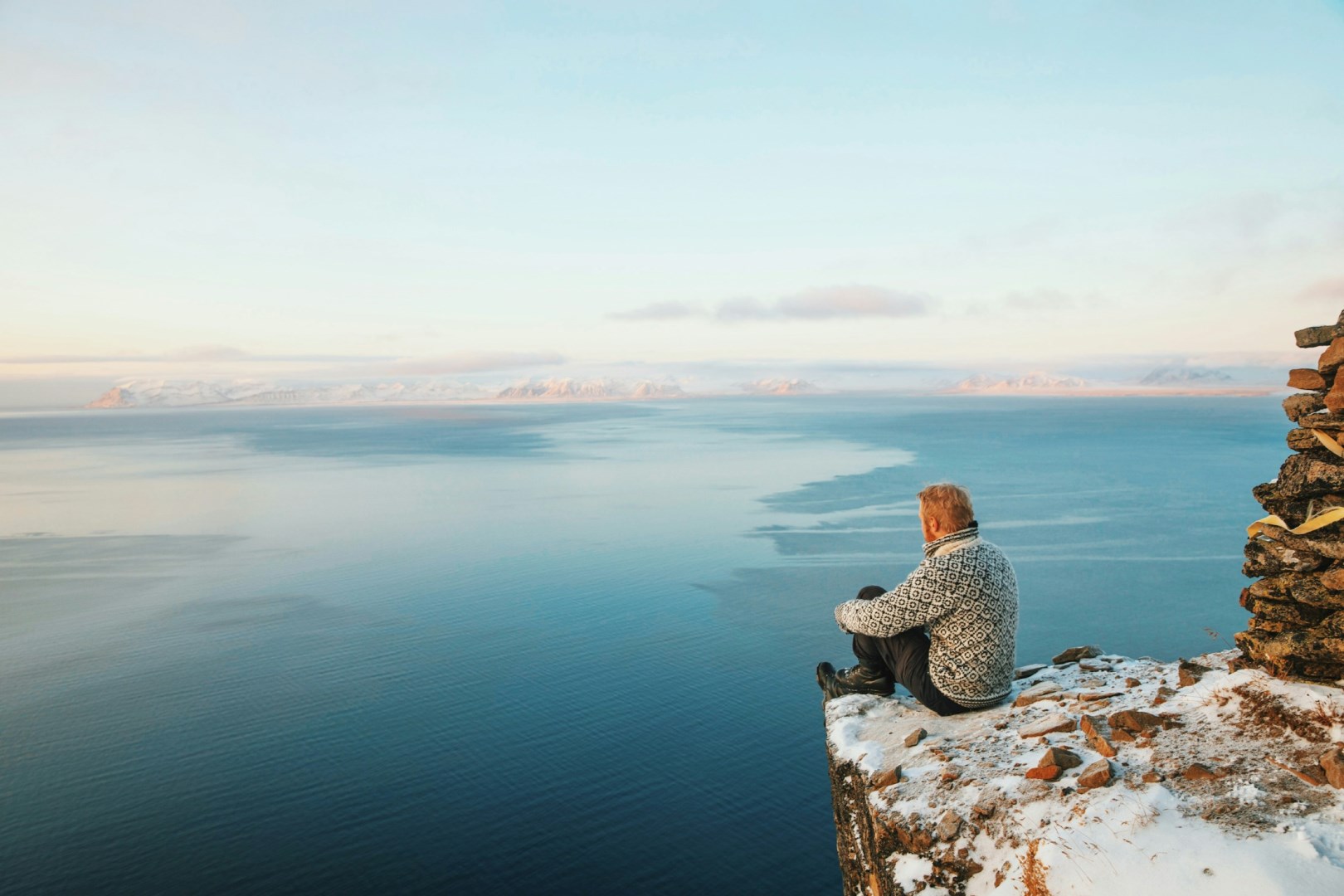
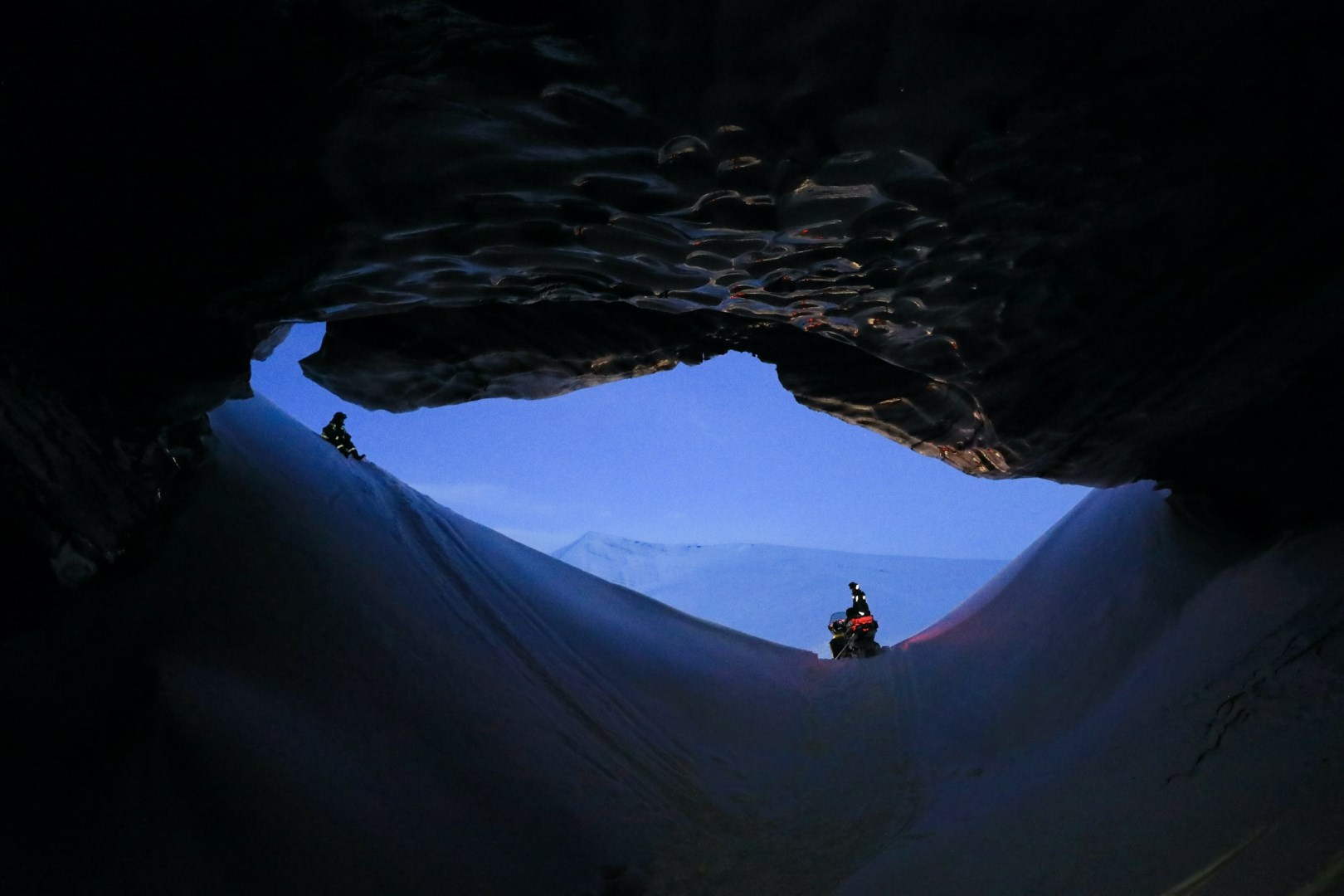
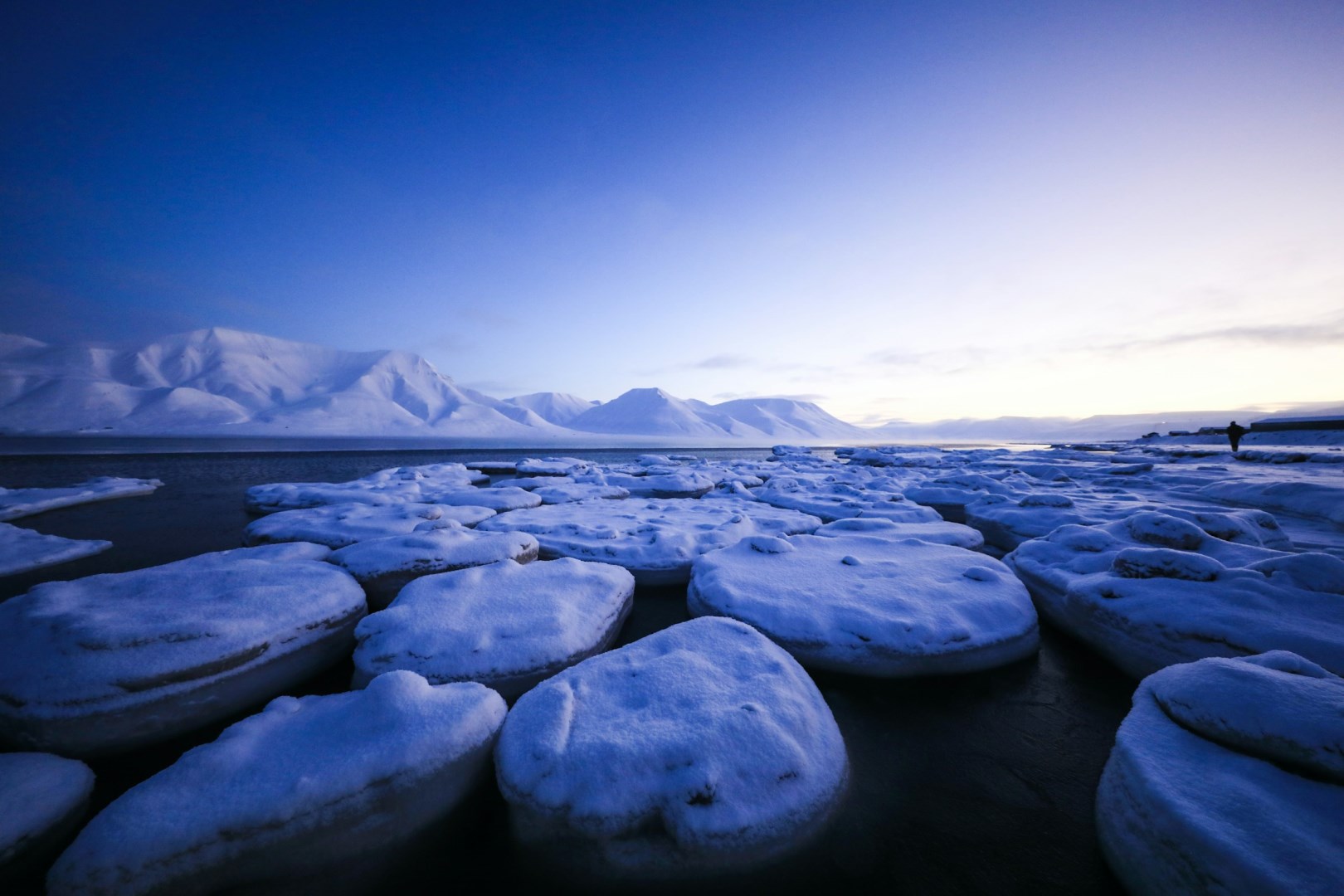
The remote and austerely beautiful Svalbard, a Norwegian archipelago, lies north of continental Norway in the Arctic Ocean, a mere 650 miles from the North Pole. A hub for Dutch, English, French, Norwegian, and Russian whalers between the 17th and 19th centuries, this collection of glacial islands officially joined the Kingdom of Norway in 1925 with the Svalbard Act and continues to be used in coal mining enterprises. Spitsbergen, the only permanently inhabited island in the Svalbard archipelago, and its largest settlement, Longyearbyen, have become popular stops for tourists, who often arrive on arctic cruises.
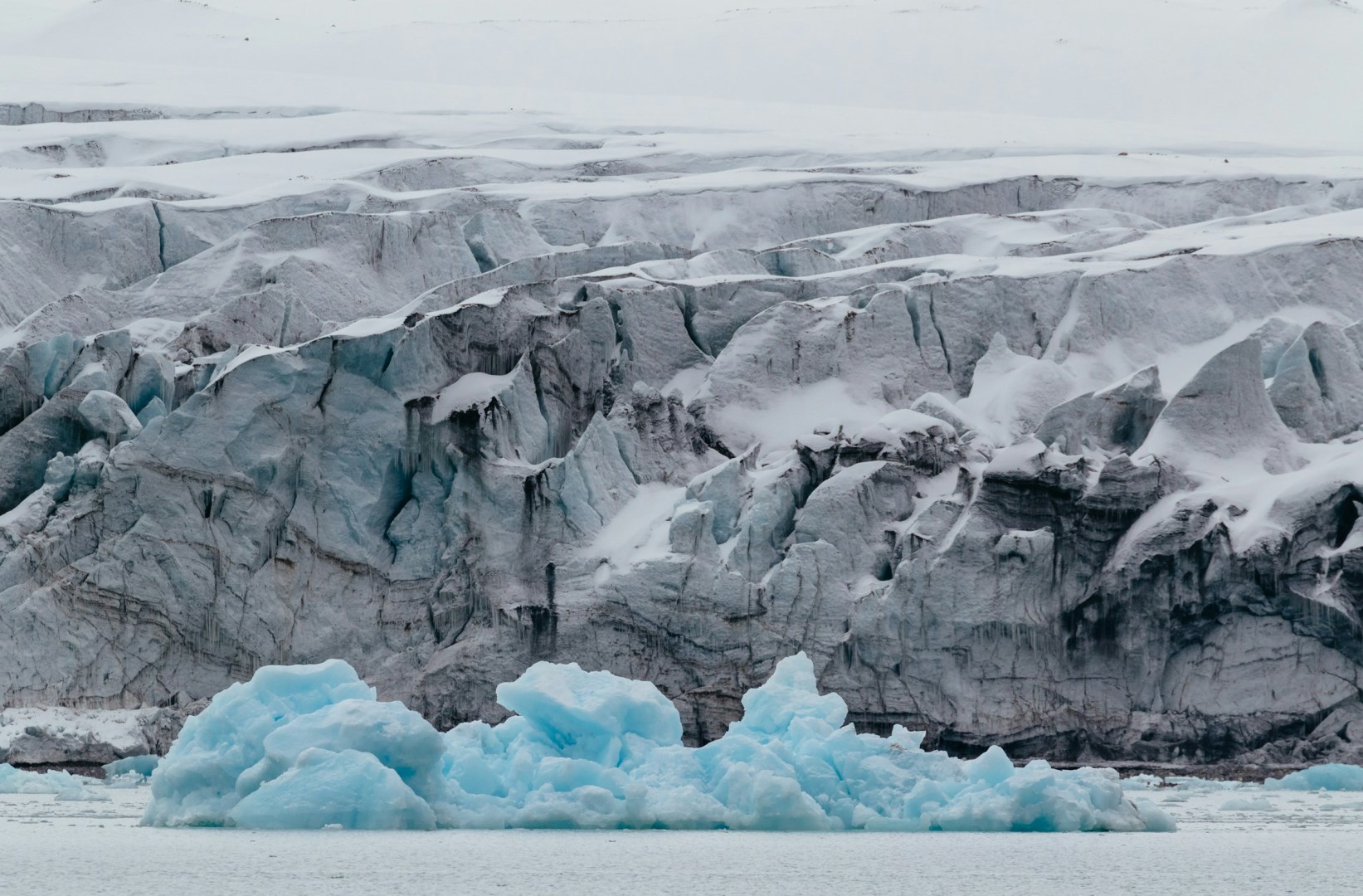
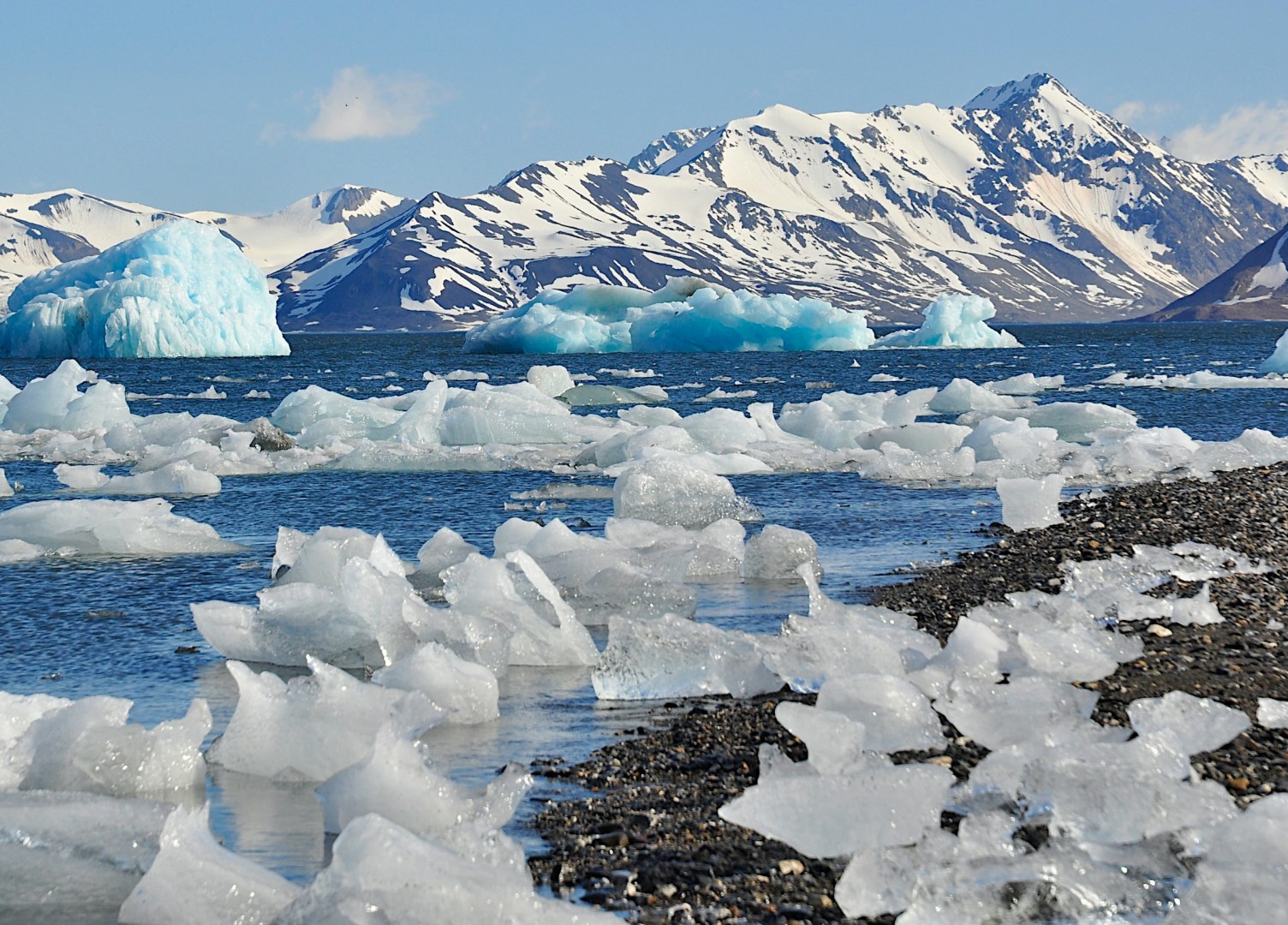
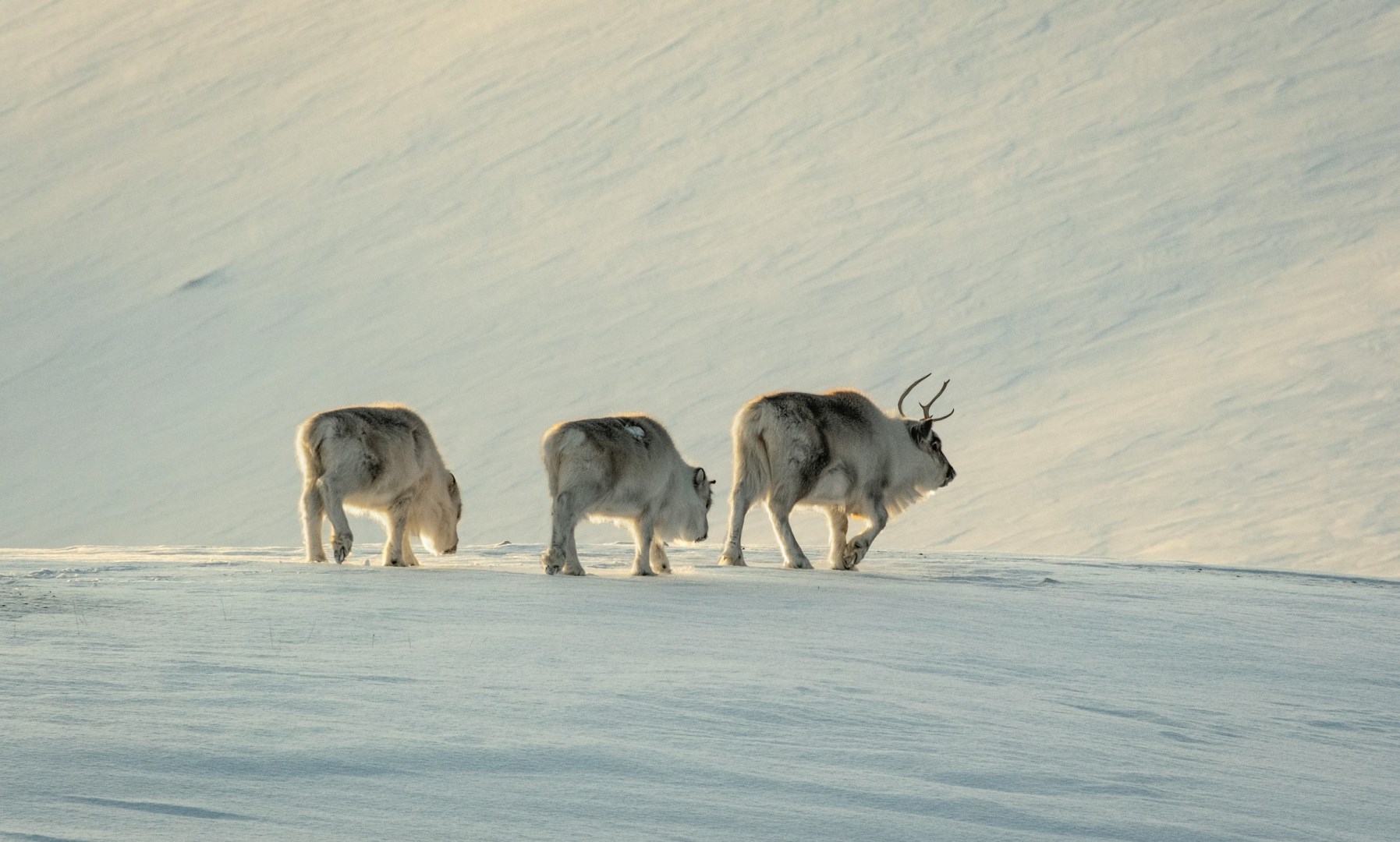
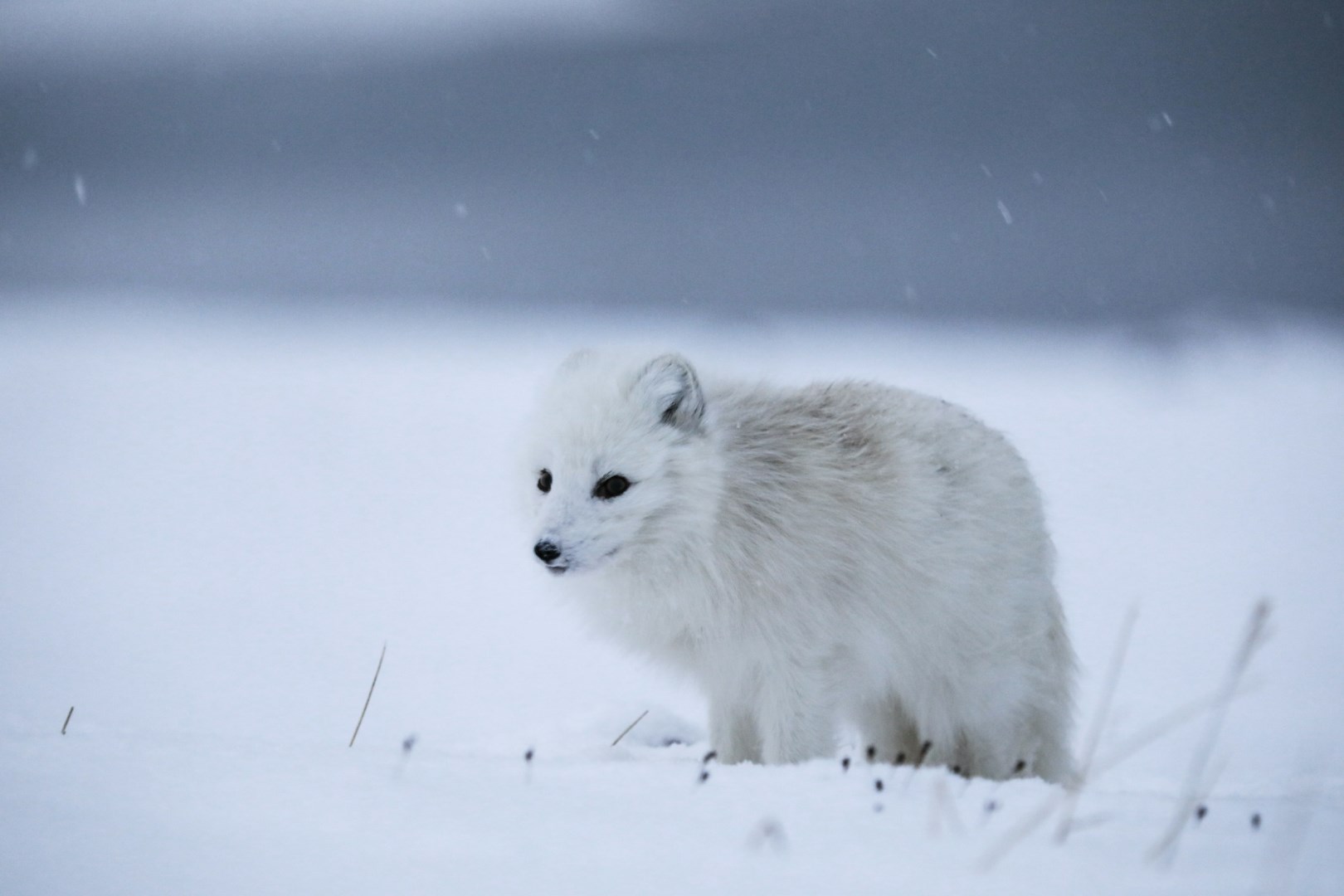
This mountainous archipelago offers magnificent views of stark white glaciers and snowfields, which cover a vast stretch of the region. Arctic flora and fauna fascinate; catch a glimpse of polar bears, reindeer, arctic foxes, and walruses amongst the mossy tundra and icy coasts. In the summer, visitors will witness the rare splendor of Svalbard’s midnight sun.
Other Popular Destinations in Norway
Bergen
Charming Bergen will sweep you away with its picturesque architecture and breathtaking natural beauty. Nestled between stunningly verdant mountains and the winding fjords of the North Sea, this scenic town will delight you at every turn.
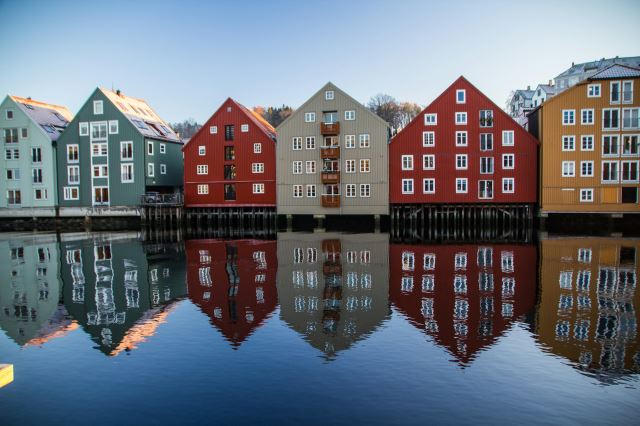
Trondheim
Nestled along the Trondheim Fjord in central Norway, Trondheim offers a captivating blend of rich history and vibrant modern life. As Norway’s first capital, Trondheim boasts a legacy that includes the striking Nidaros Cathedral, an iconic landmark whose construction began in the 11th century.