Wadi Rum
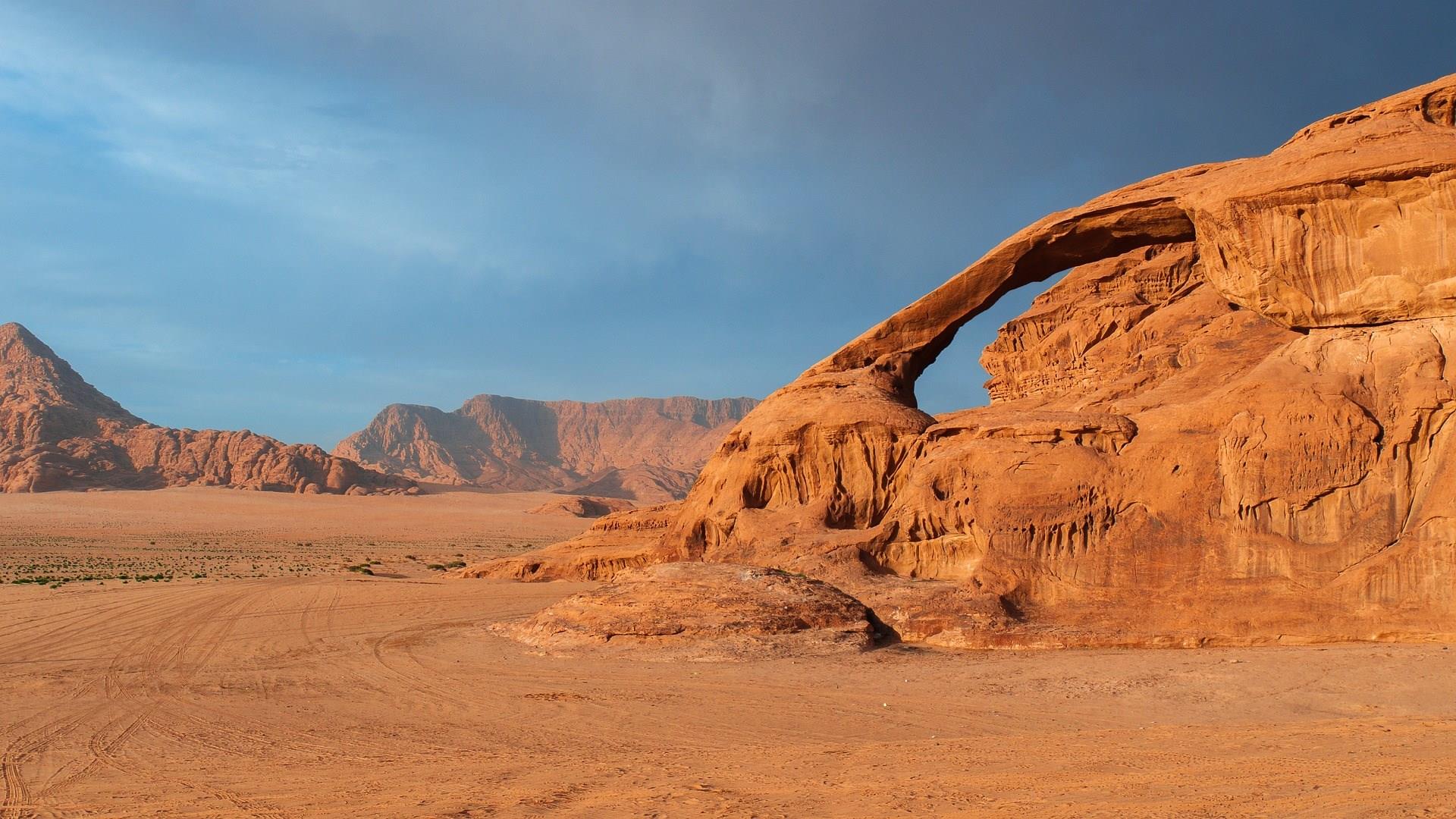
Wadi Rum, often called the “Valley of the Moon,” is a desert landscape in southern Jordan renowned for its dramatic sandstone mountains, sweeping red sand dunes, and ancient history carved into the rock. Its vast, otherworldly scenery has made it both a UNESCO World Heritage Site and a backdrop for films set on distant planets.

La Digue
La Digue, the fourth-largest island in the Seychelles, offers a quintessential tropical paradise experience. Known for its idyllic beaches and charming laid-back atmosphere, La Digue is a haven for nature lovers and those seeking a serene escape. The island’s most iconic beach, Anse Source d'Argent, is renowned for its stunning granite boulders and crystal-clear waters, making it one of the most photographed beaches in the world.
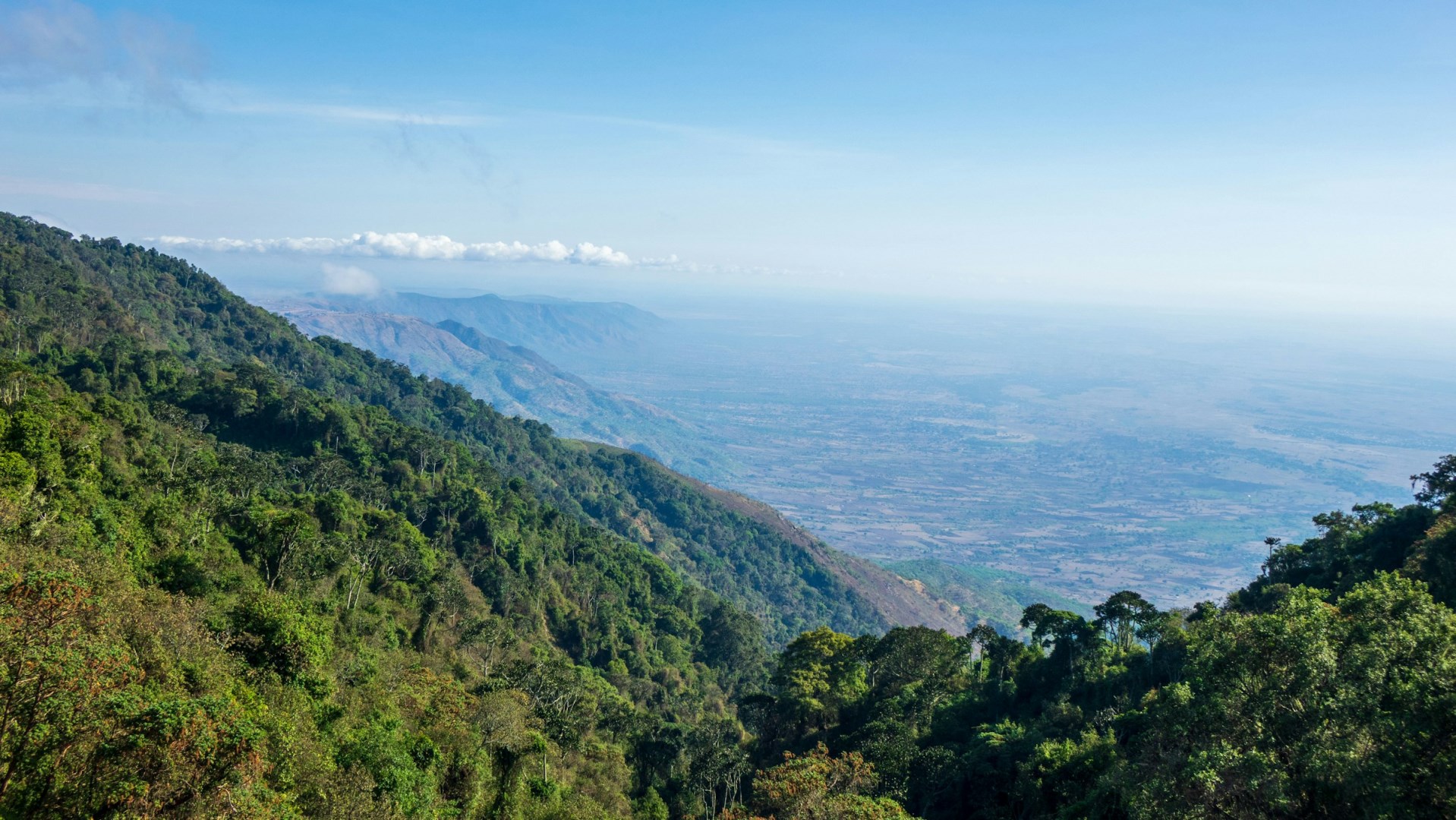
Mbeya
In southern Tanzania, this pleasant town is the capital of the Mbeya region and an important trading center for tobacco, tea, cocoa and cattle. It is the last railroad stop in the country before entering Zambia
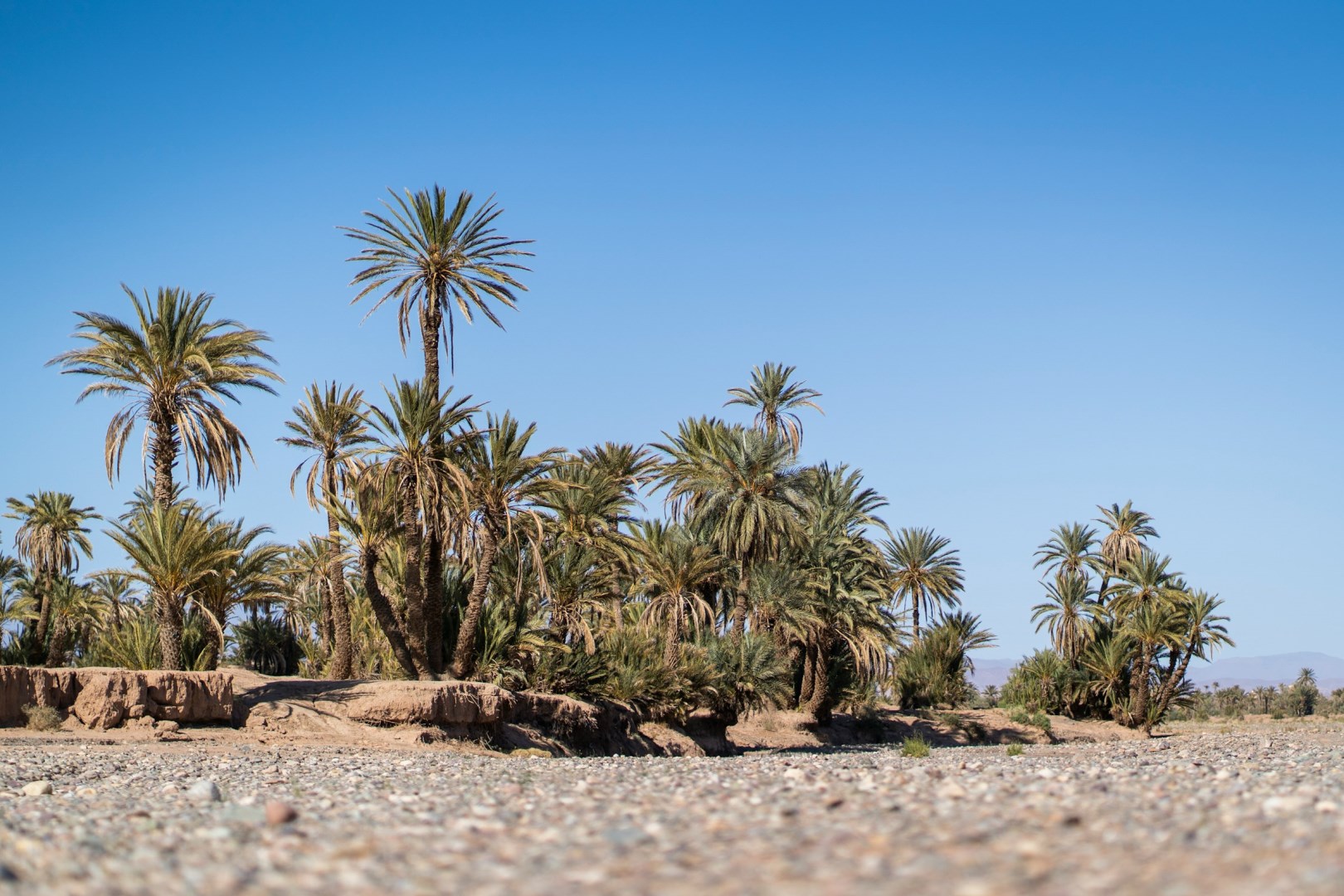
Skoura
Skoura is an oasis town in southern Morocco, set between Ouarzazate and the Dadès Valley. Its defining feature is a broad palm grove where date palms, olive trees, fruit gardens, and traditional earthen buildings grow together. Unlike the dry terrain surrounding it, the oasis has a cultivated landscape supported by local irrigation systems. Skoura is particularly known for its concentration of kasbahs, including tall fortified residences built from rammed earth.
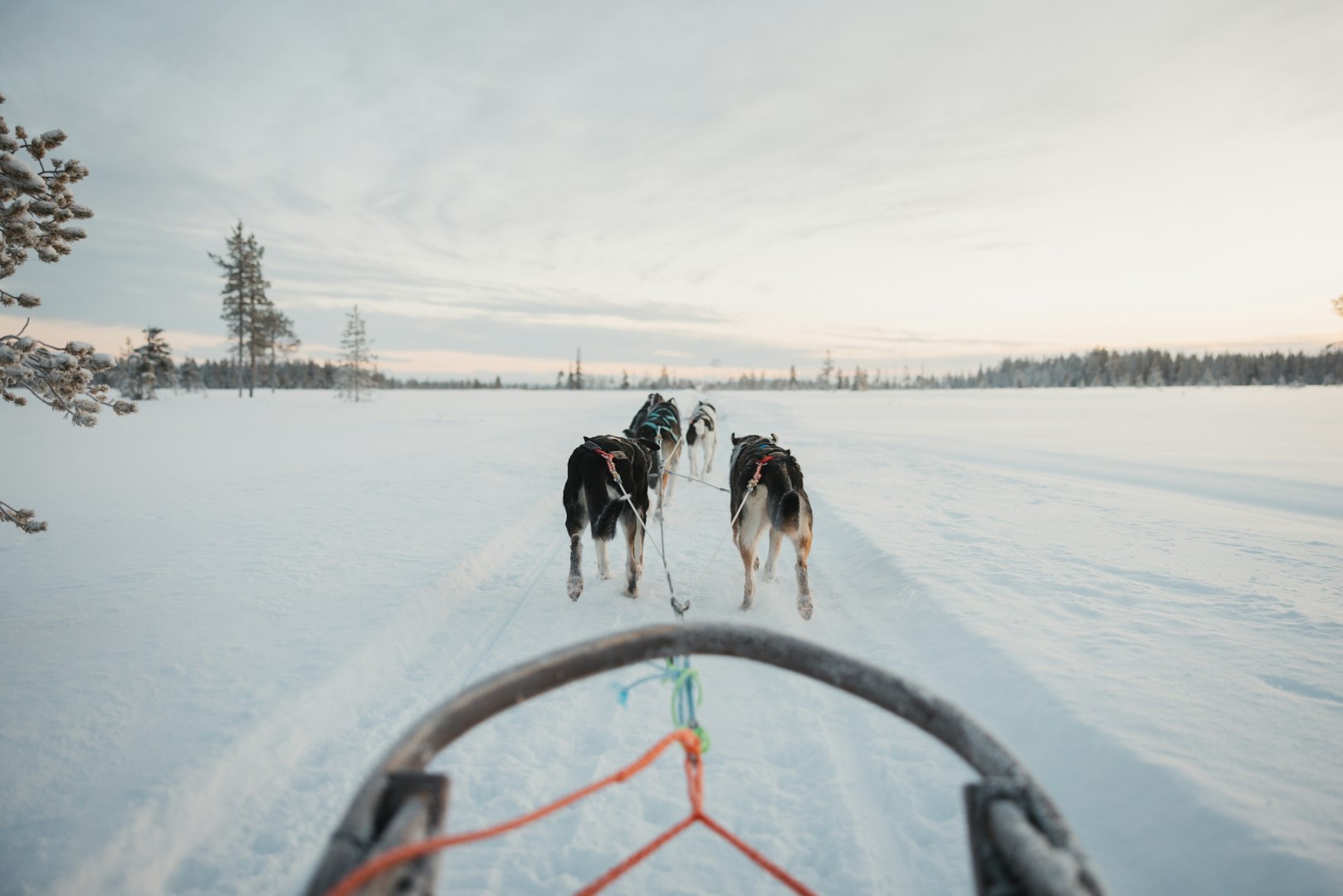
Levi
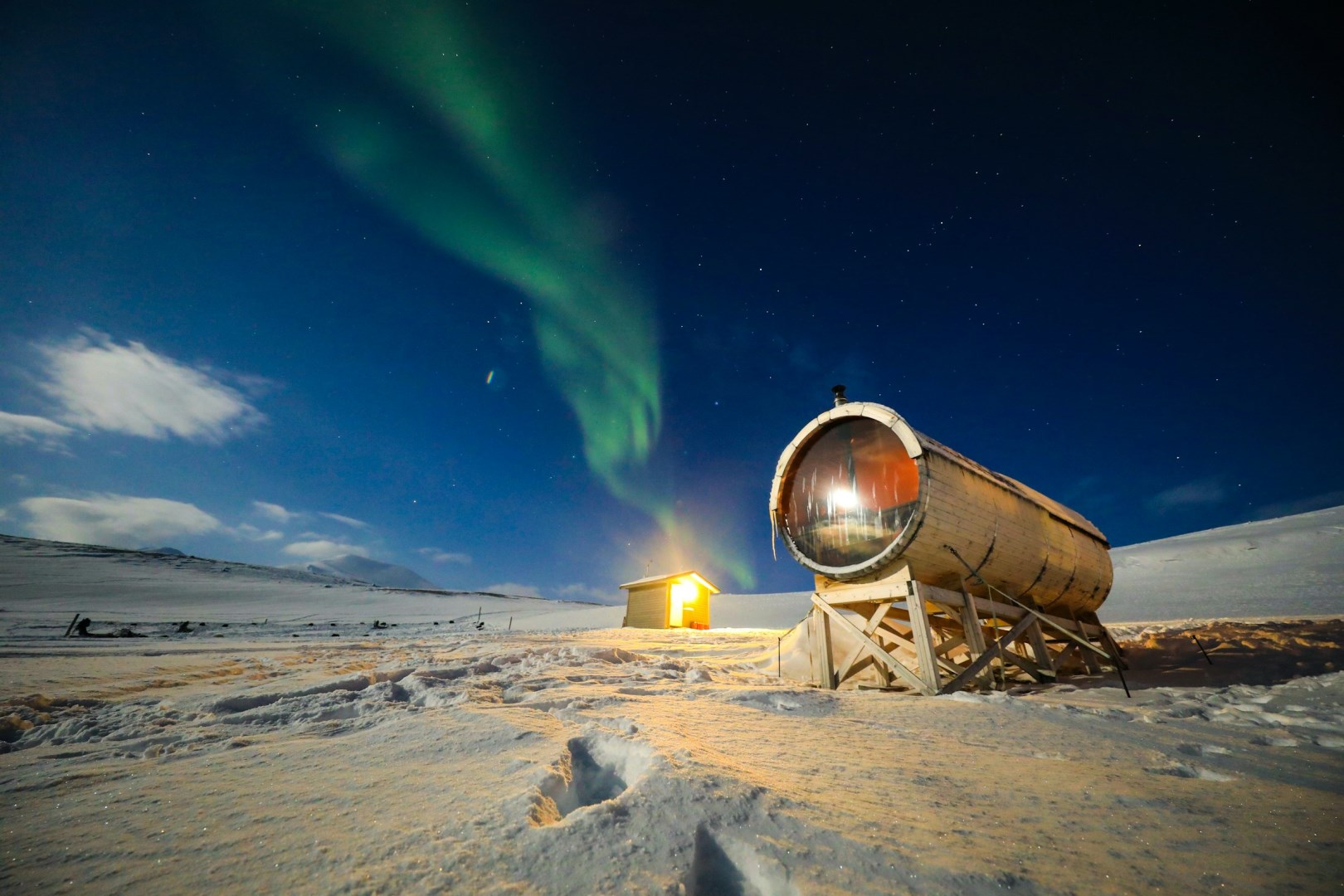
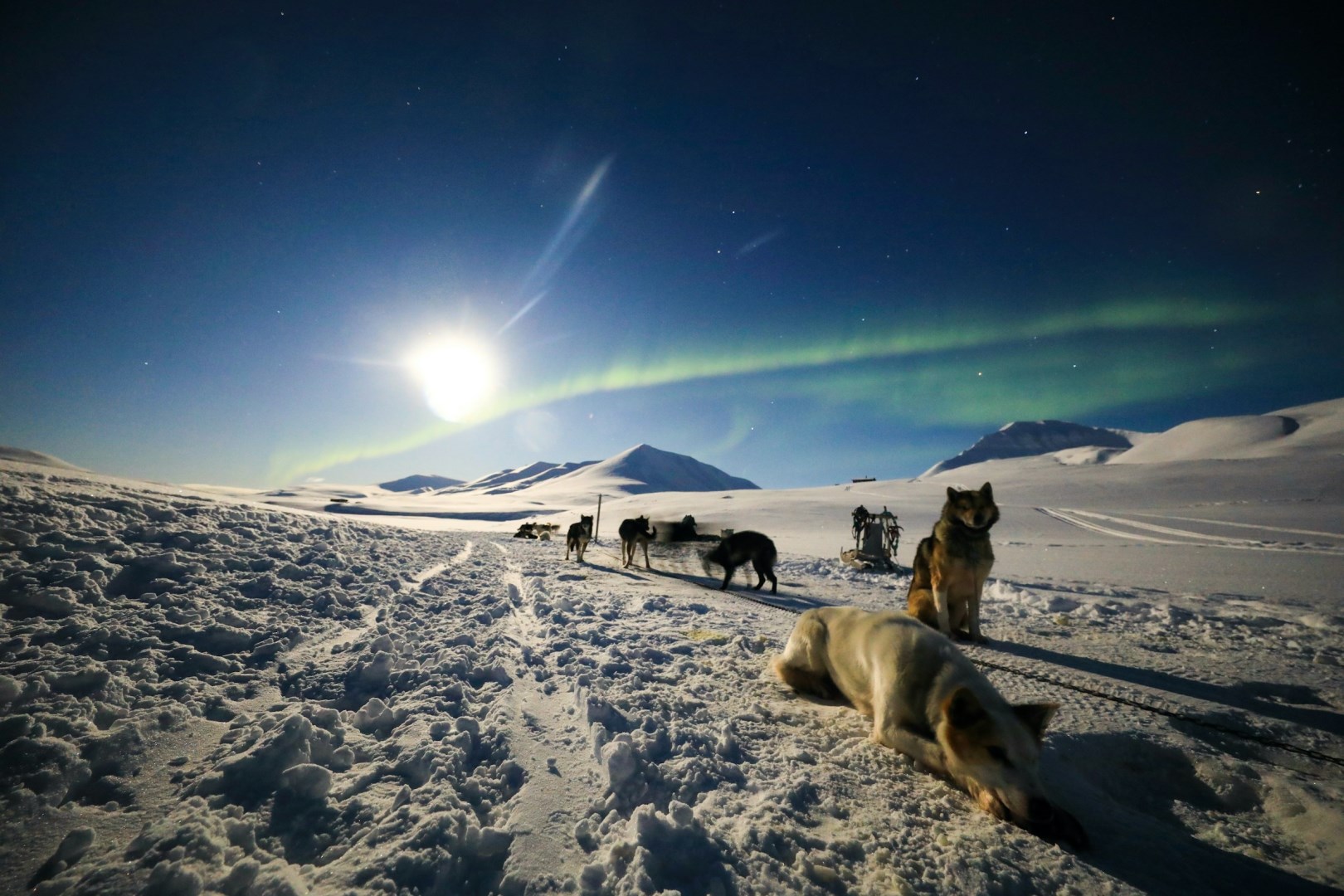
Levi is a fell resort in Finnish Lapland, located near the village of Sirkka in the municipality of Kittilä. The settlement sits beside Levi Fell, which rises above the surrounding forests and provides the setting for a large network of outdoor routes and ski slopes. Levi has developed into one of Finland’s best-known year-round resort areas, with accommodation, restaurants, shops, and activity providers concentrated around the fell.