Australia, a land of stunning contrasts and vibrant cultures, offers an unforgettable experience for every kind of adventurer. From the ancient landscapes of the Outback to the bustling urban centers, this vast country is rich in both history and natural beauty.
Yangon, Myanmar’s largest city, blends colonial heritage, cultural diversity, and spiritual landmarks. Once the country’s capital, it remains the economic and cultural hub, with lively markets, tree-lined avenues, and historic buildings that reflect its layered past under British, Burmese, and regional influences.
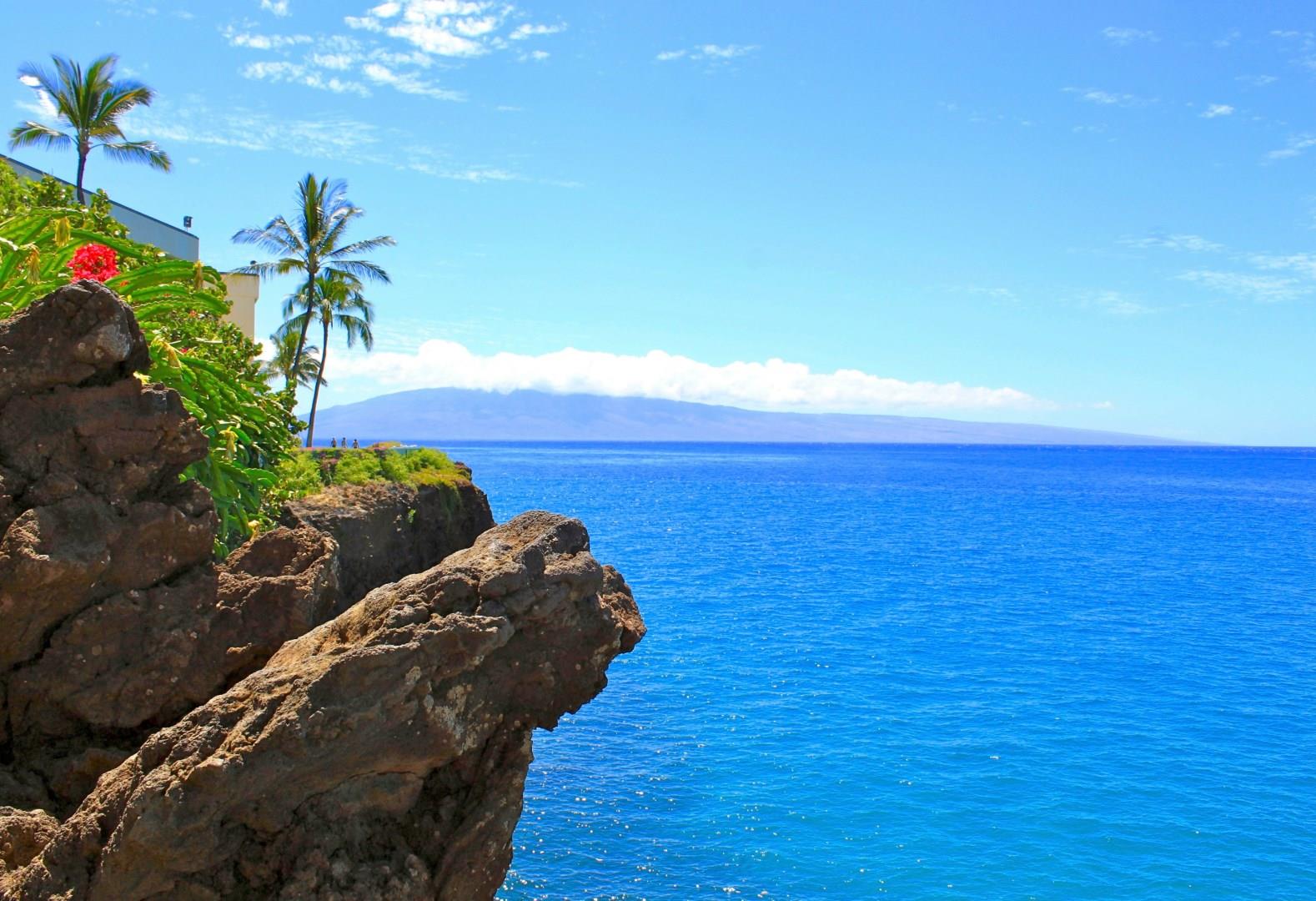
In ancient times, Kaanapali was a royal retreat for the rulers of Maui, who delighted in the perfect three-mile stretch of white sand beach, the gentle waves, warm sunny days and the majestic West Maui Mountains. Maui royalty surfed, raced their outrigger canoes, feasted at luaus that lasted for weeks, and where the Kaanapali Golf Course now blankets the land, they played ulu maika, a form of lawn bowling with heavy lava balls.
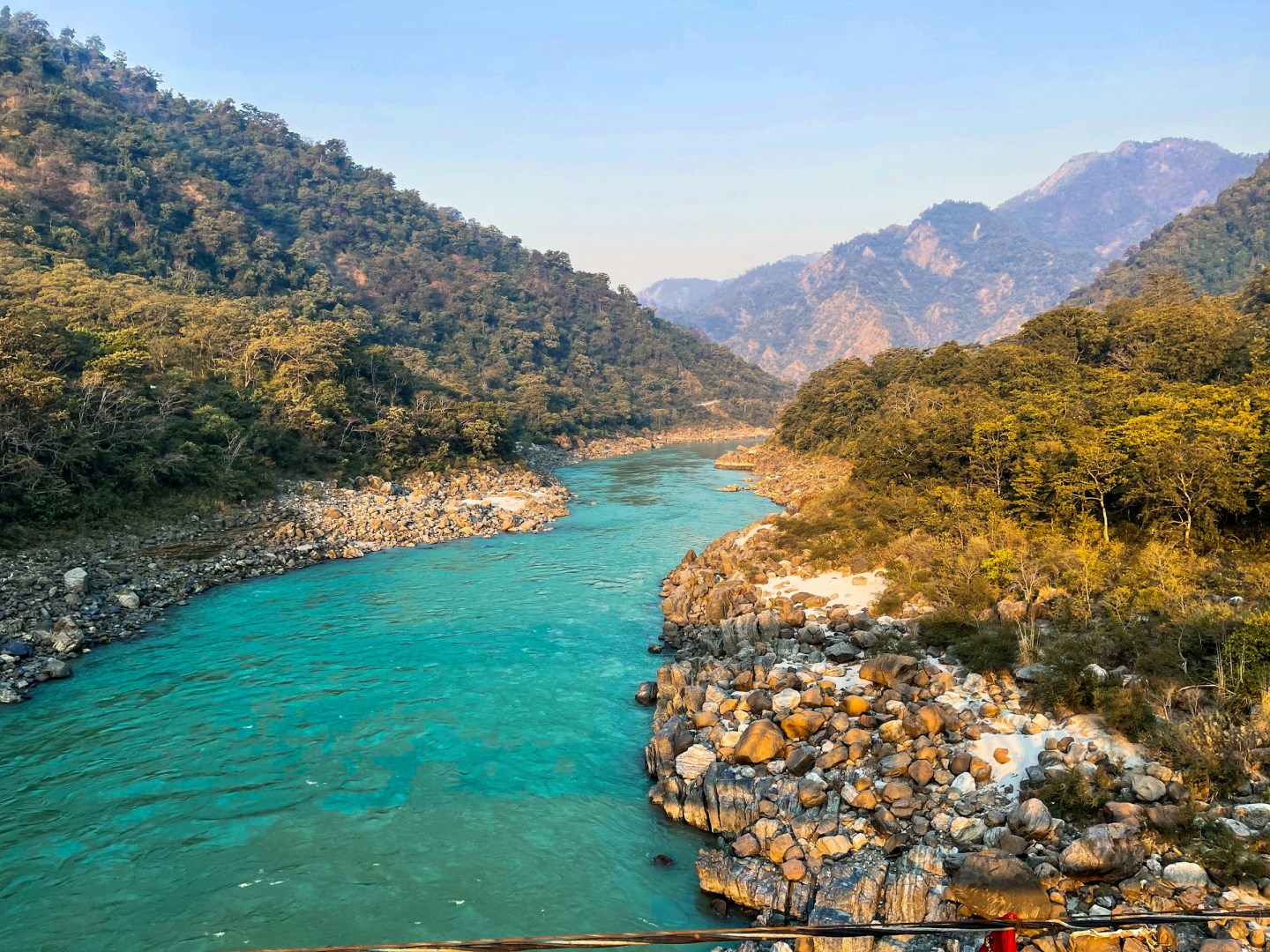
The River Ganges, flowing through India and Bangladesh, supports millions of people living in the river basin. In Hinduism, the river is considered the most sacred, and as a result it is in important element of many Hindu rituals and festivals.
Bhutan, often called the “Land of the Thunder Dragon,” is a Himalayan kingdom known for its dramatic landscapes and deeply rooted traditions. Towering peaks, forested valleys, and winding rivers set the stage for a country that has long prioritized harmony between nature and culture.
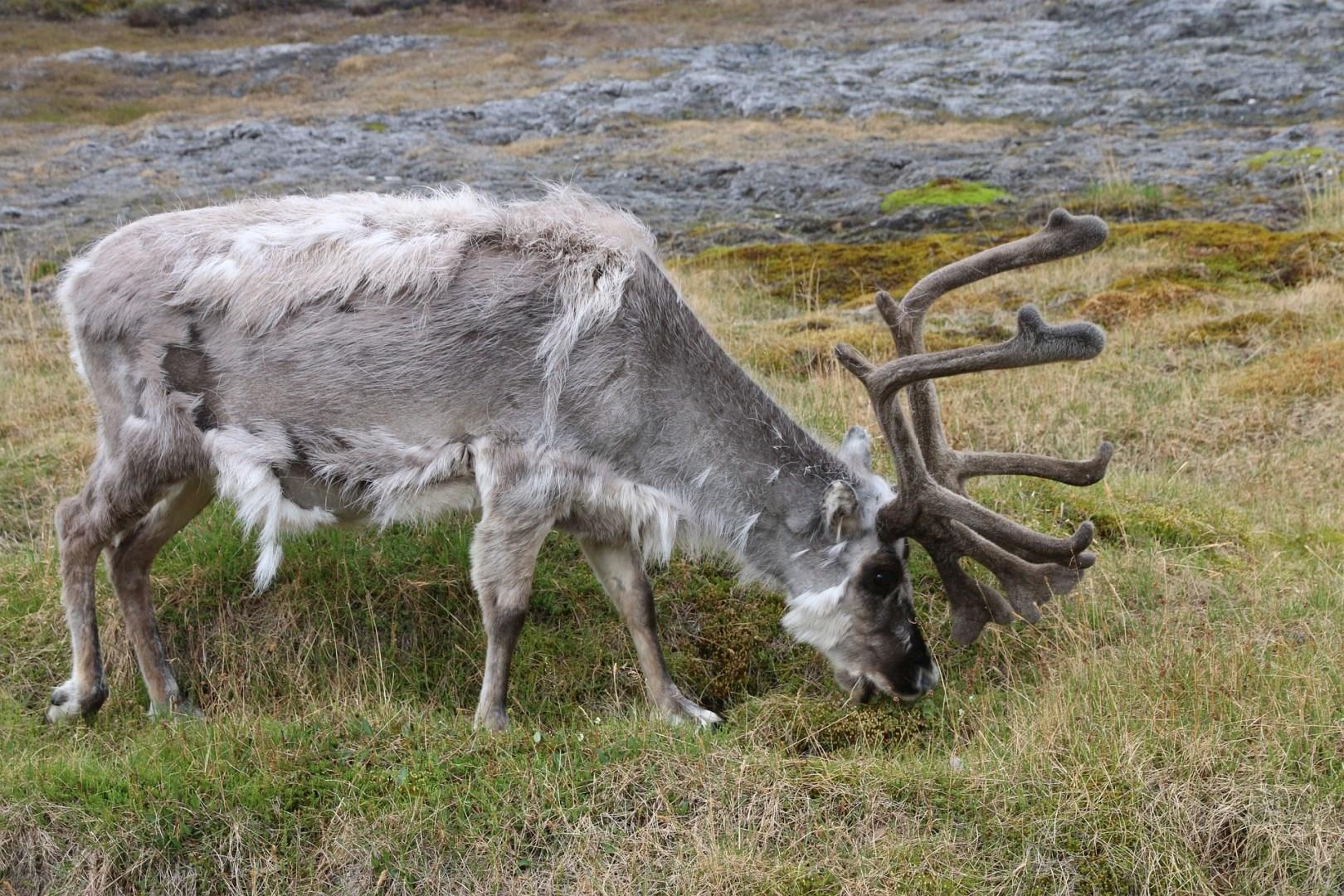
Photo Credit: Photo by Fredrik Solli Wandem on Unsplash
Photo Credit: Photo by Rod Long on Unsplash
Photo Credit: Photo by Dylan Shaw on Unsplash
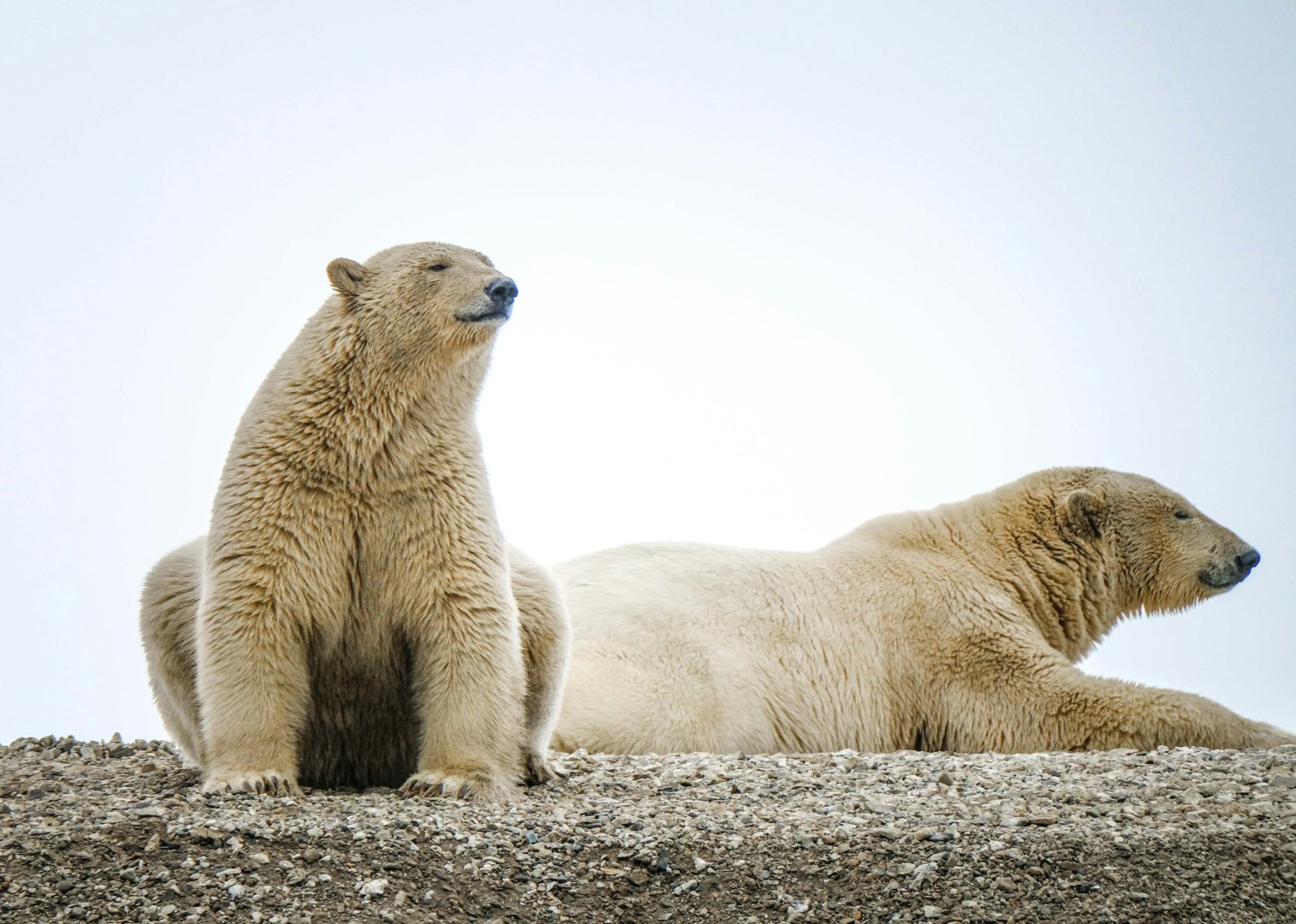
Polar Bears
Photo Credit: Photo by Francesco Ungaro on Unsplash
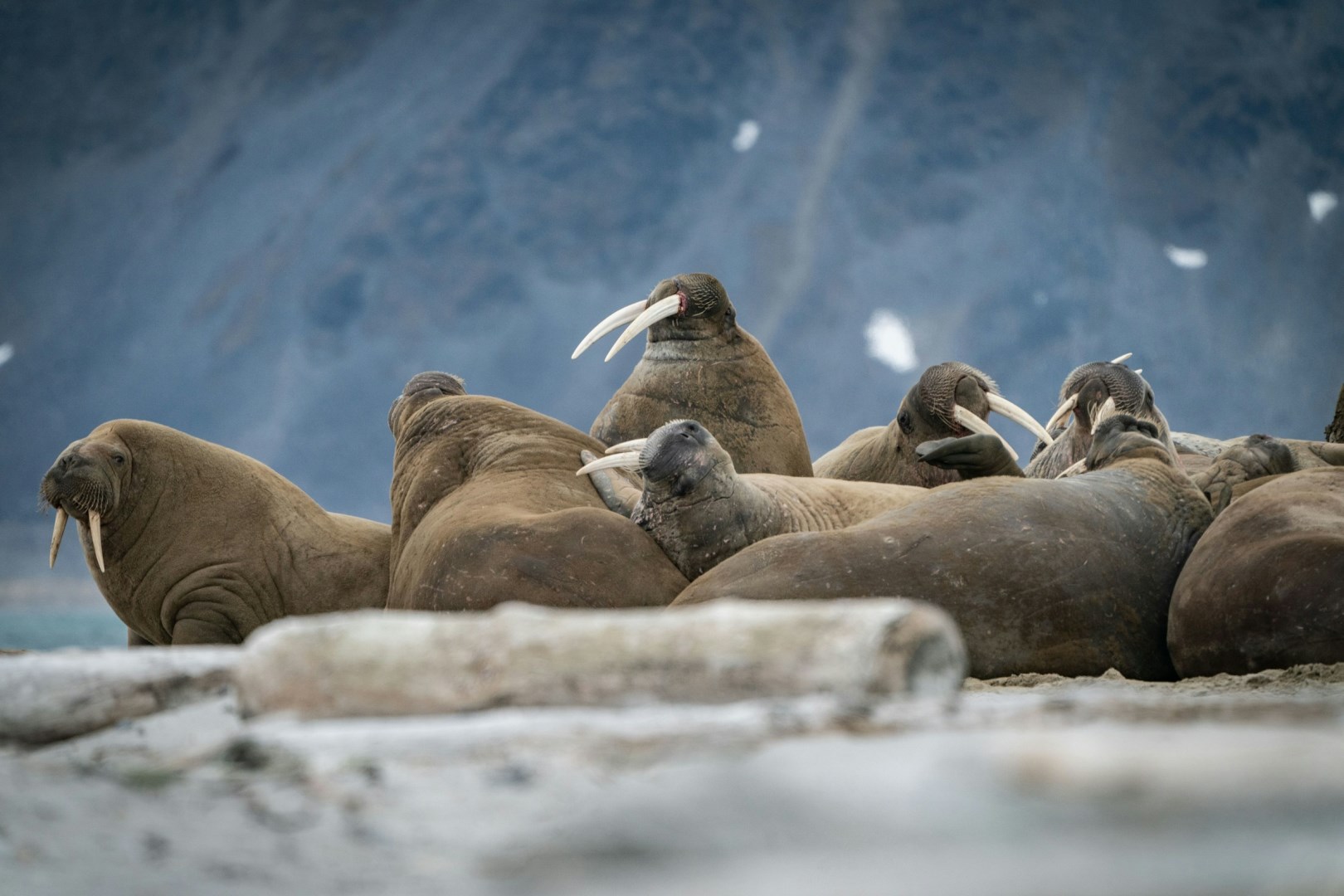
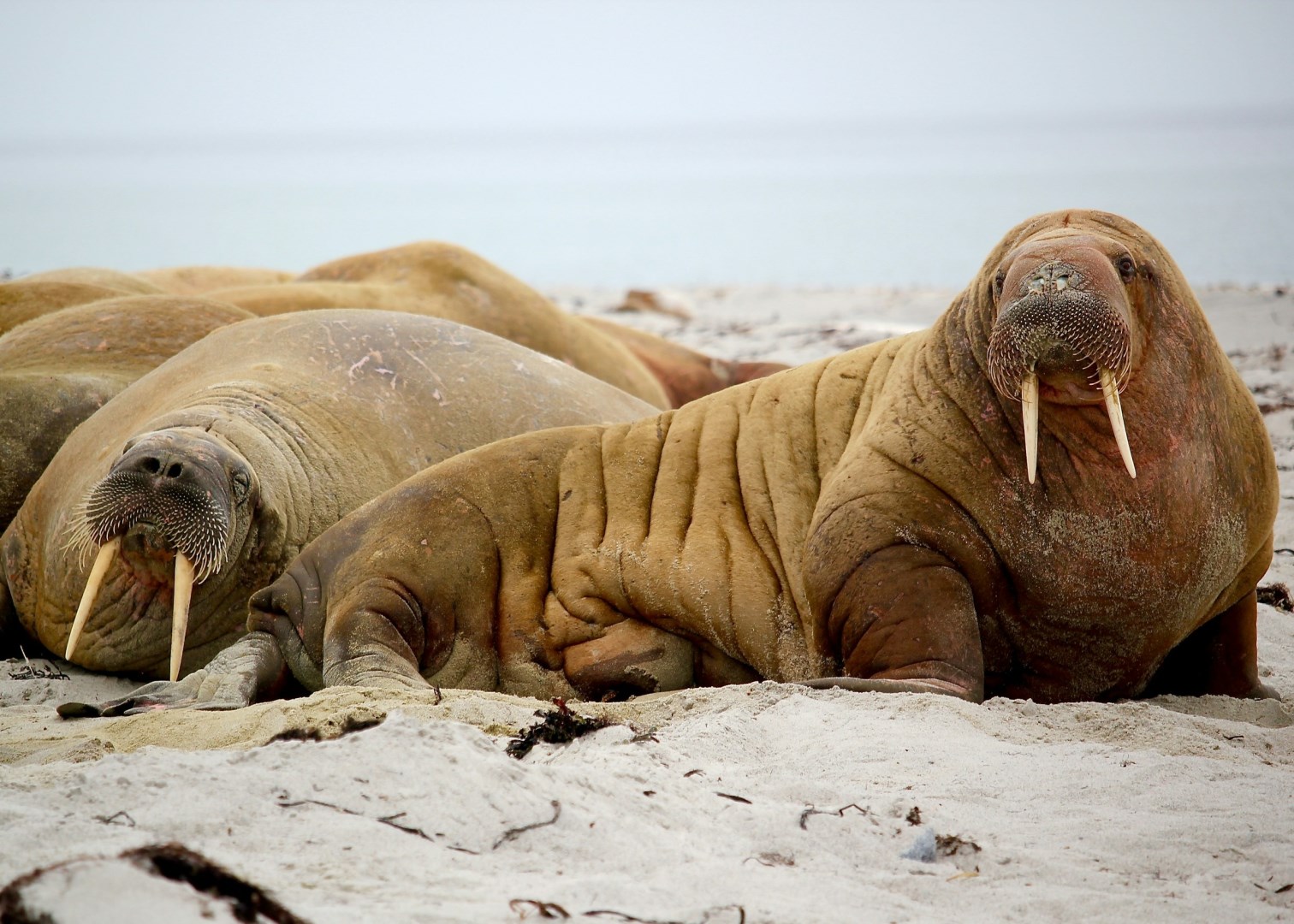
Walrus at Smeerenburgbreen
Photo Credit: Photo by Jay Ruzesky on Unsplash
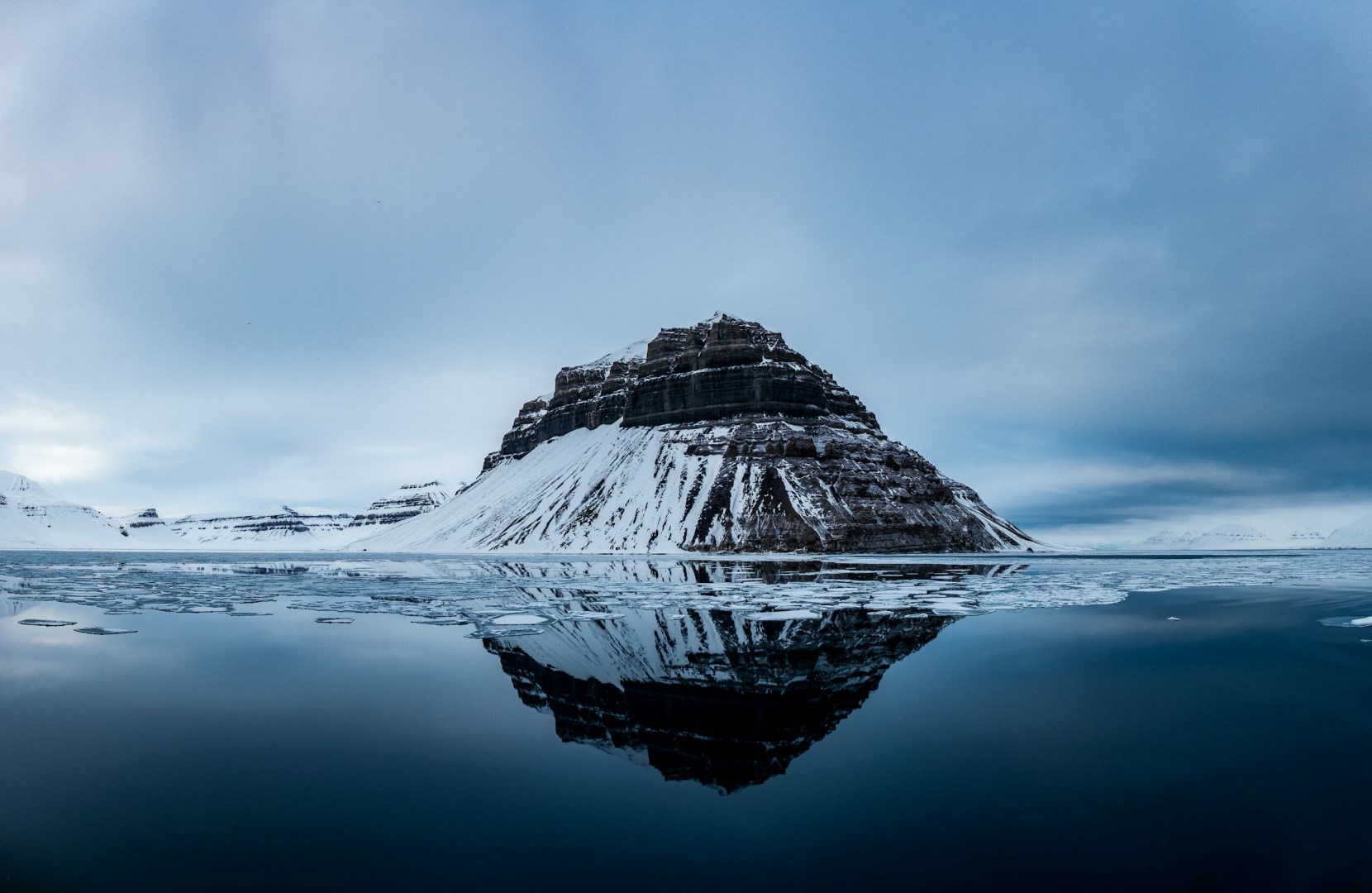
Billefjorden
Photo Credit: Photo by Lloyd Woodham on Unsplash
Photo Credit: Photo by Daniel Fatnes on Unsplash
Photo Credit: Photo by Dylan Shaw on Unsplash
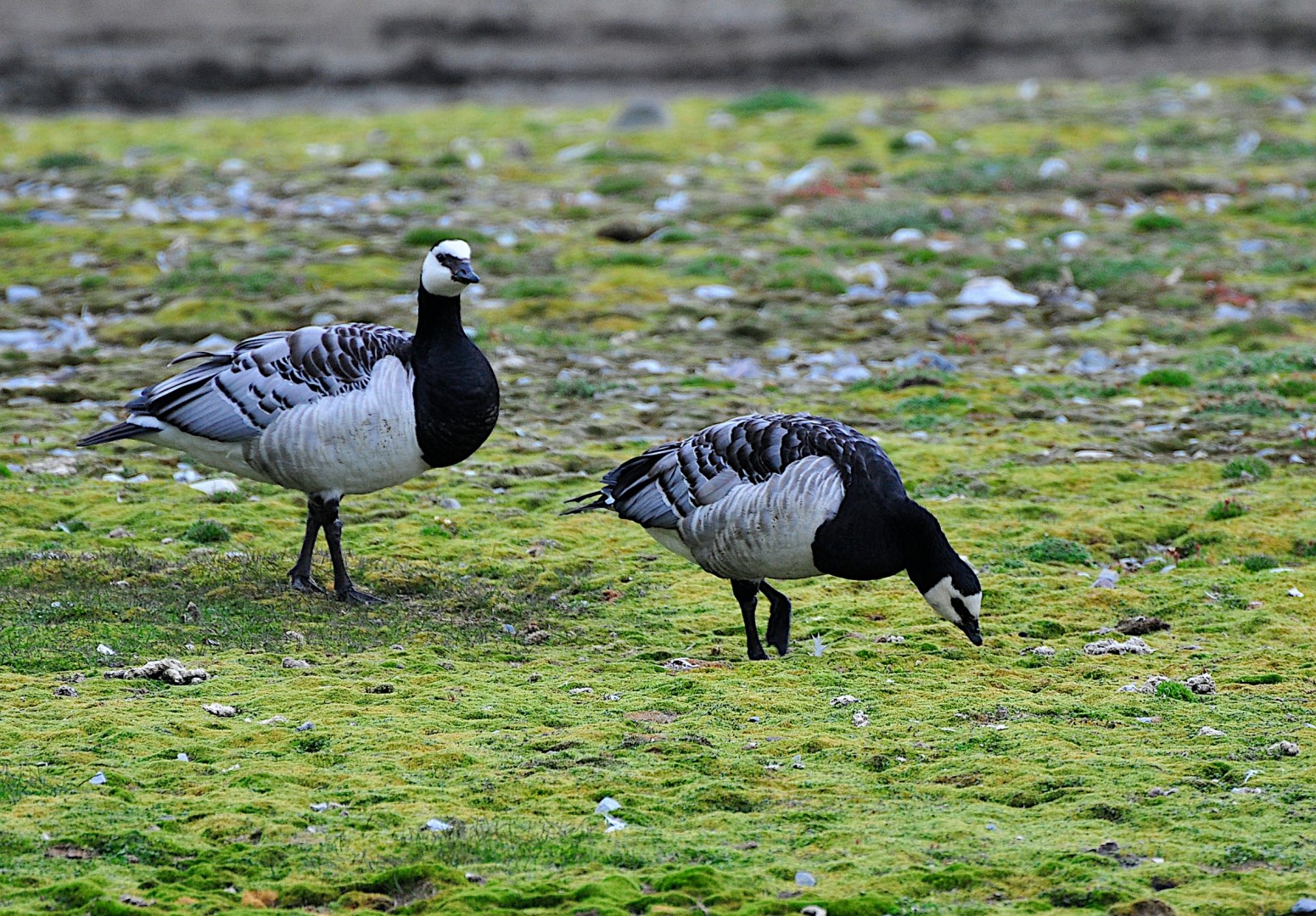
Barnacle goose
Photo Credit: Photo by Jacek Urbanski on Unsplash
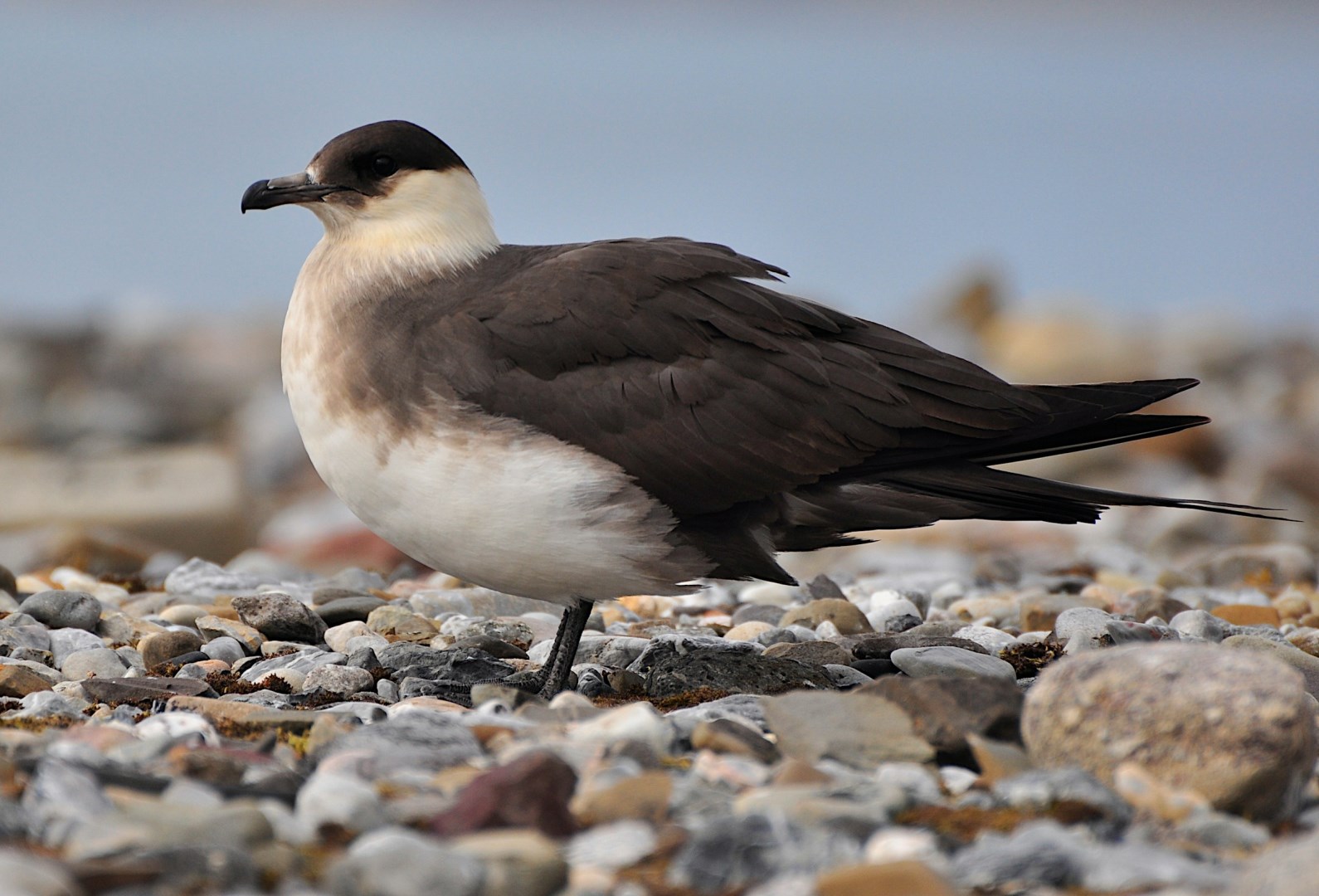
Arctic skua
Photo Credit: Photo by Jacek Urbanski on Unsplash
Photo Credit: Photo by Bob Brewer on Unsplash
Photo Credit: Photo by Chris Marquardt on Unsplash
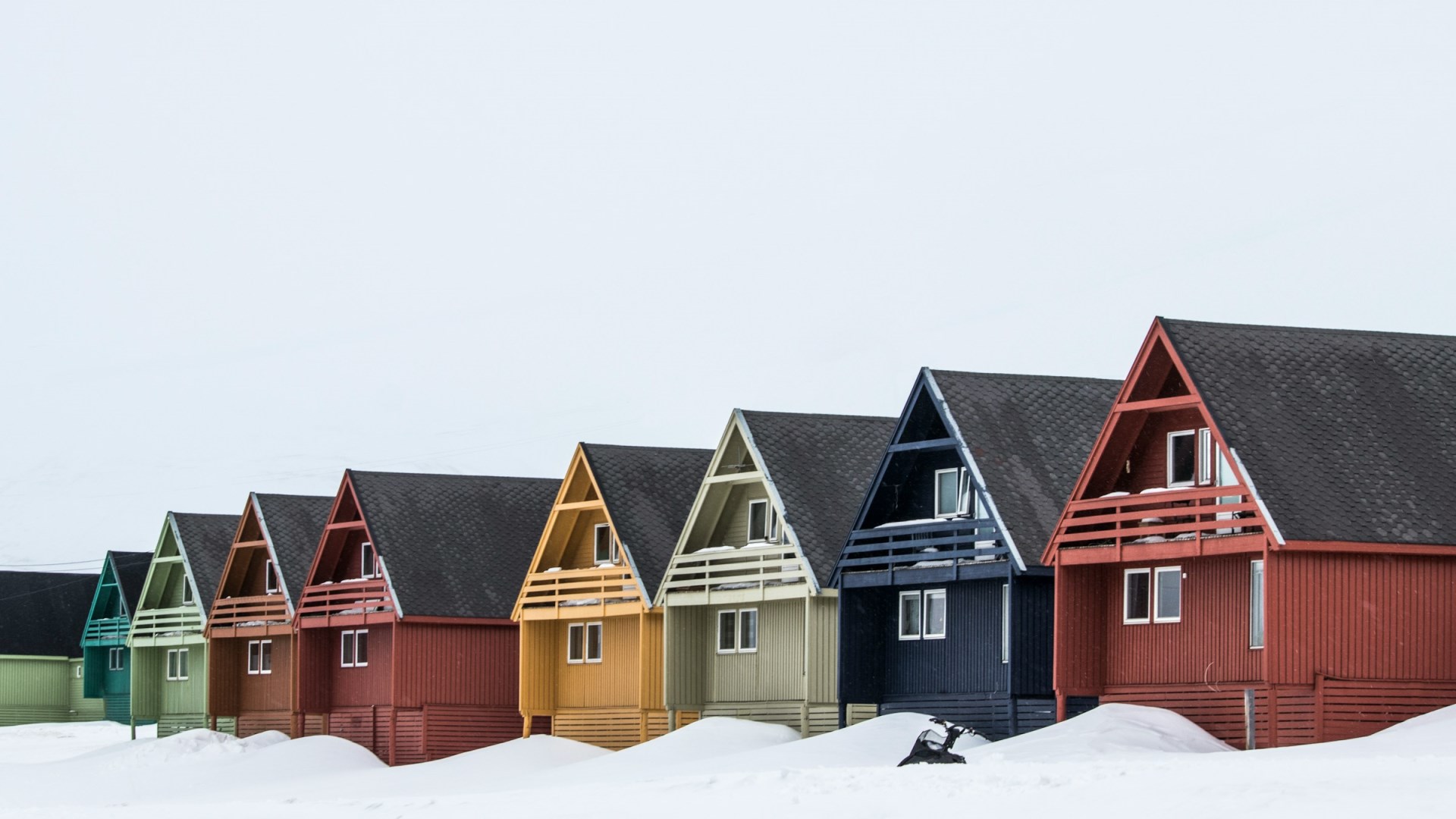
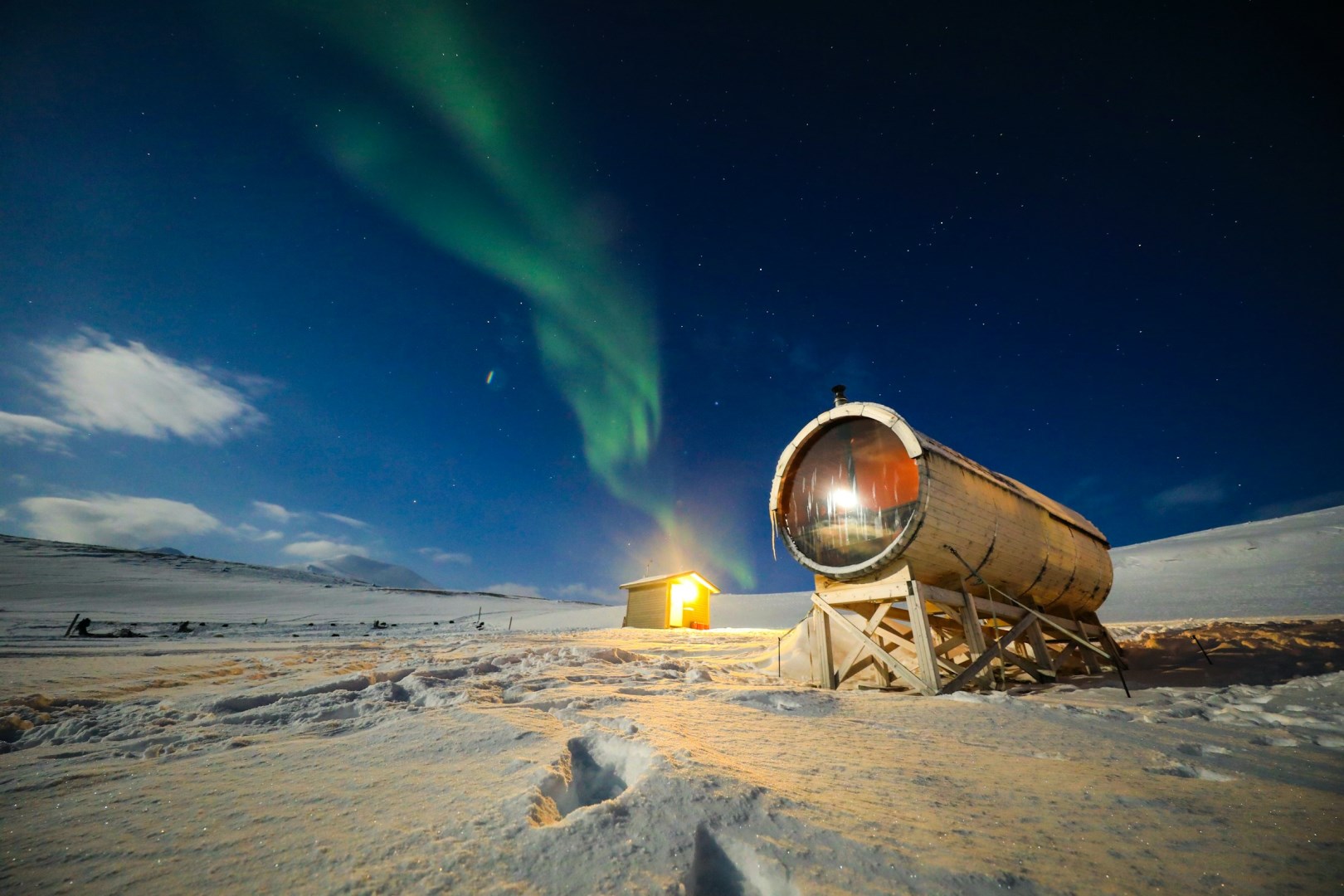
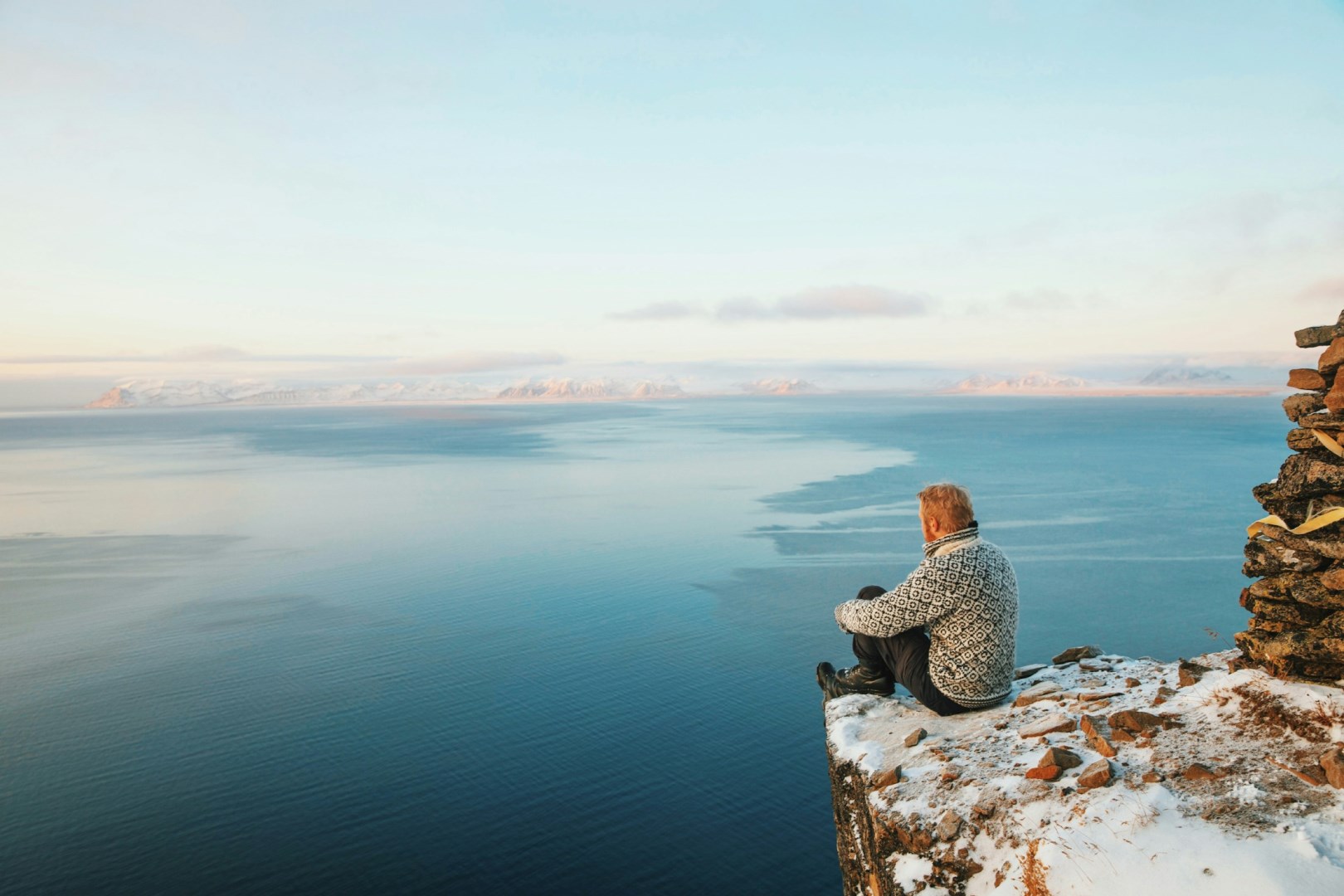
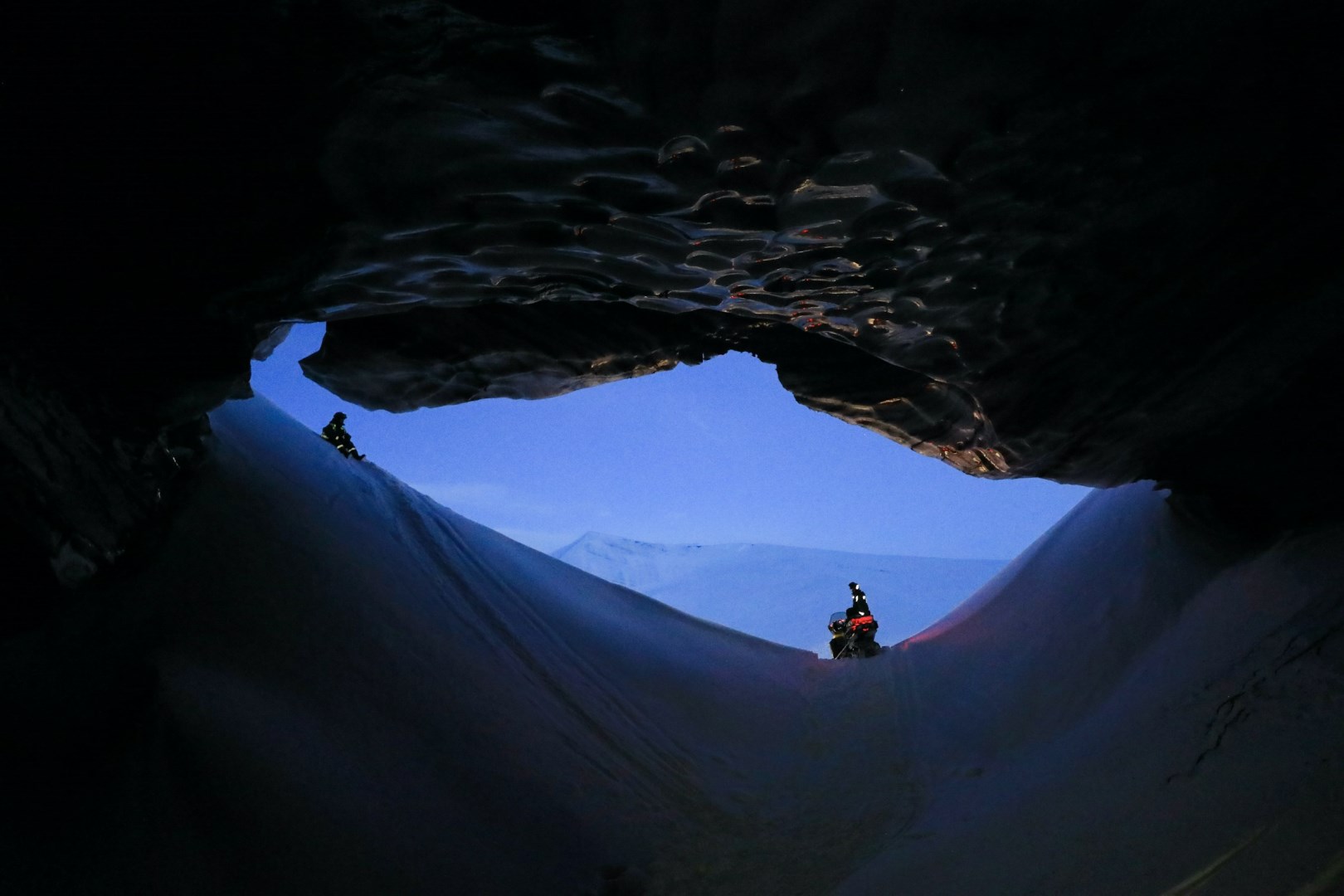
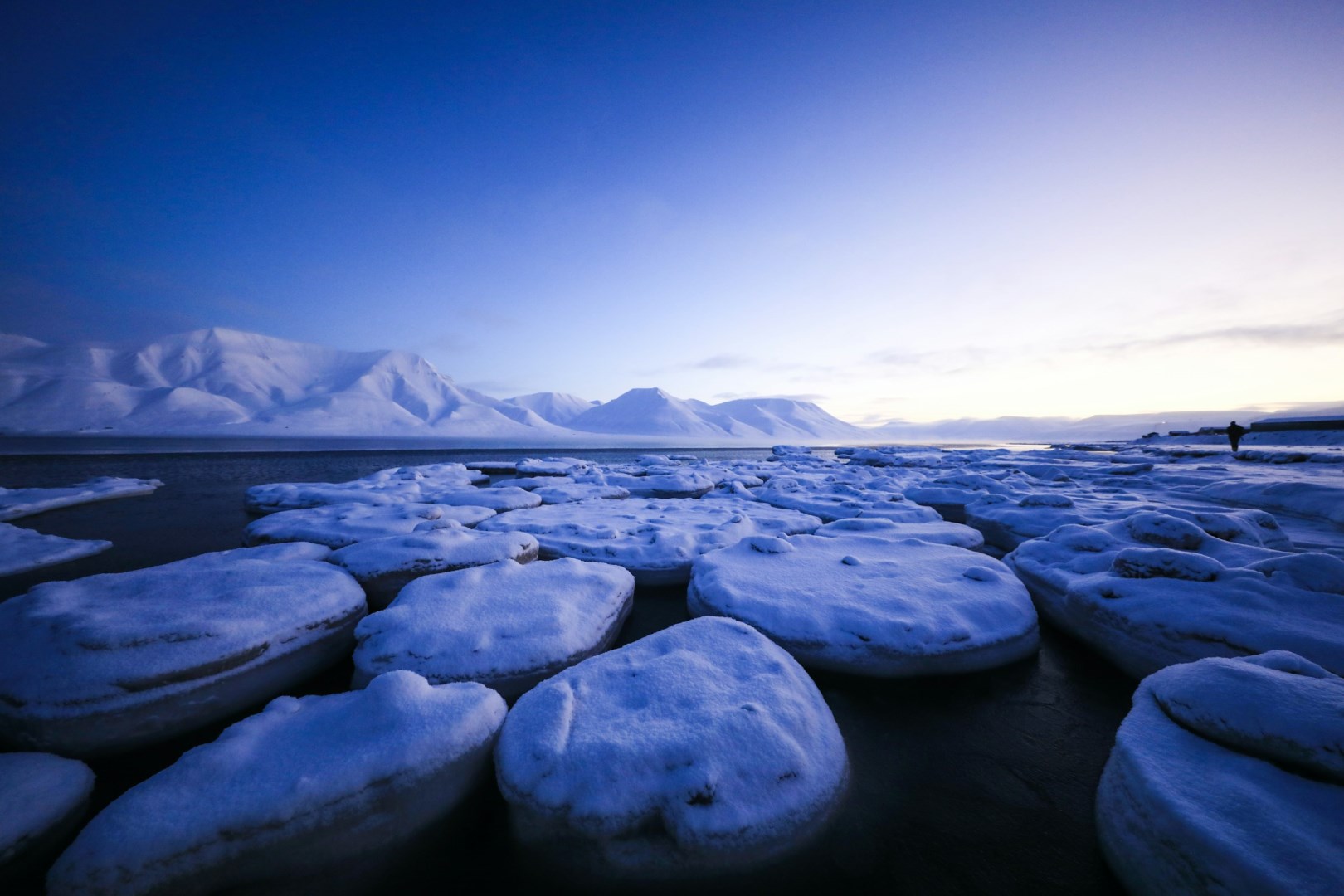
The remote and austerely beautiful Svalbard, a Norwegian archipelago, lies north of continental Norway in the Arctic Ocean, a mere 650 miles from the North Pole. A hub for Dutch, English, French, Norwegian, and Russian whalers between the 17th and 19th centuries, this collection of glacial islands officially joined the Kingdom of Norway in 1925 with the Svalbard Act and continues to be used in coal mining enterprises. Spitsbergen, the only permanently inhabited island in the Svalbard archipelago, and its largest settlement, Longyearbyen, have become popular stops for tourists, who often arrive on arctic cruises.

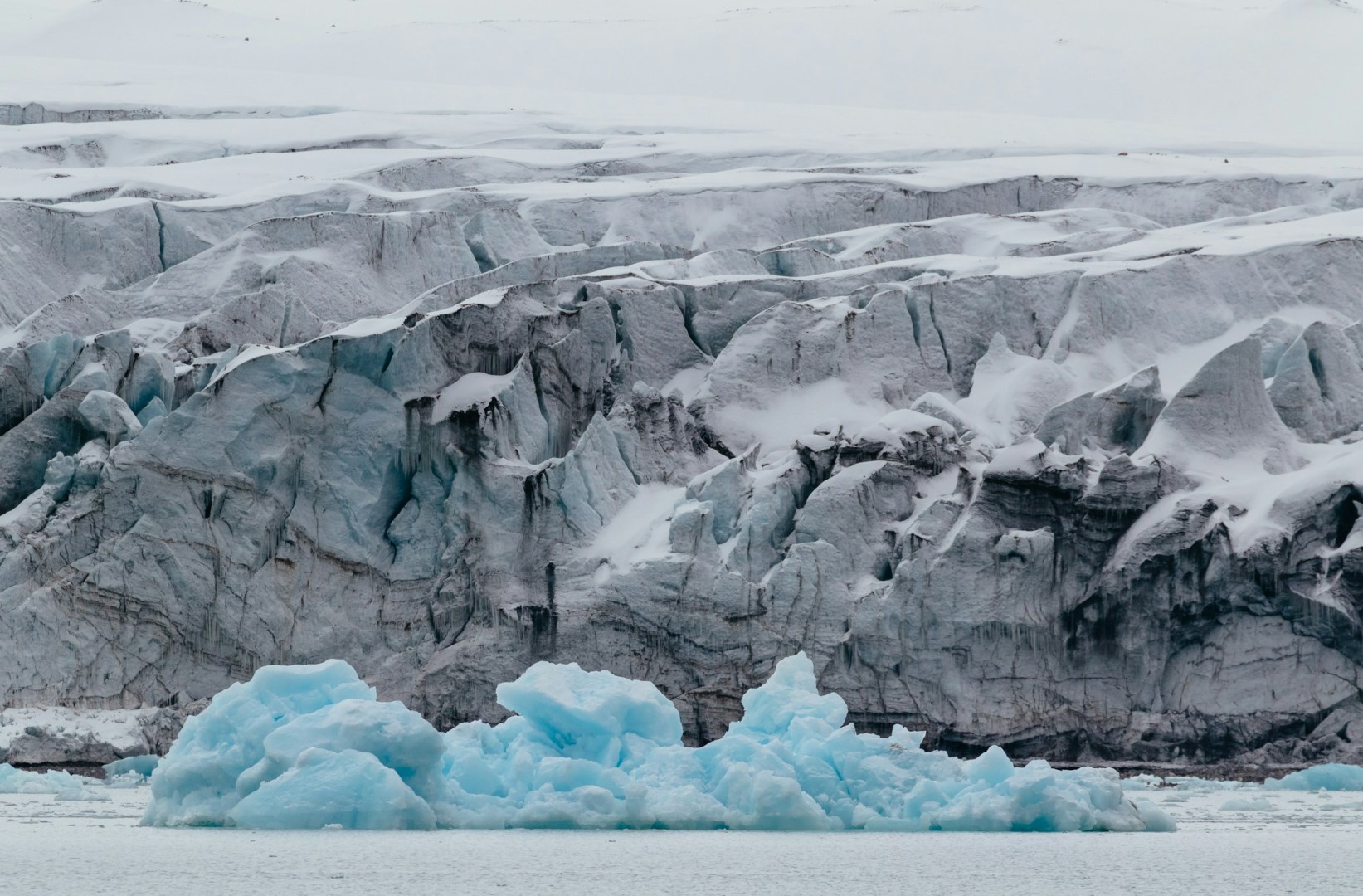
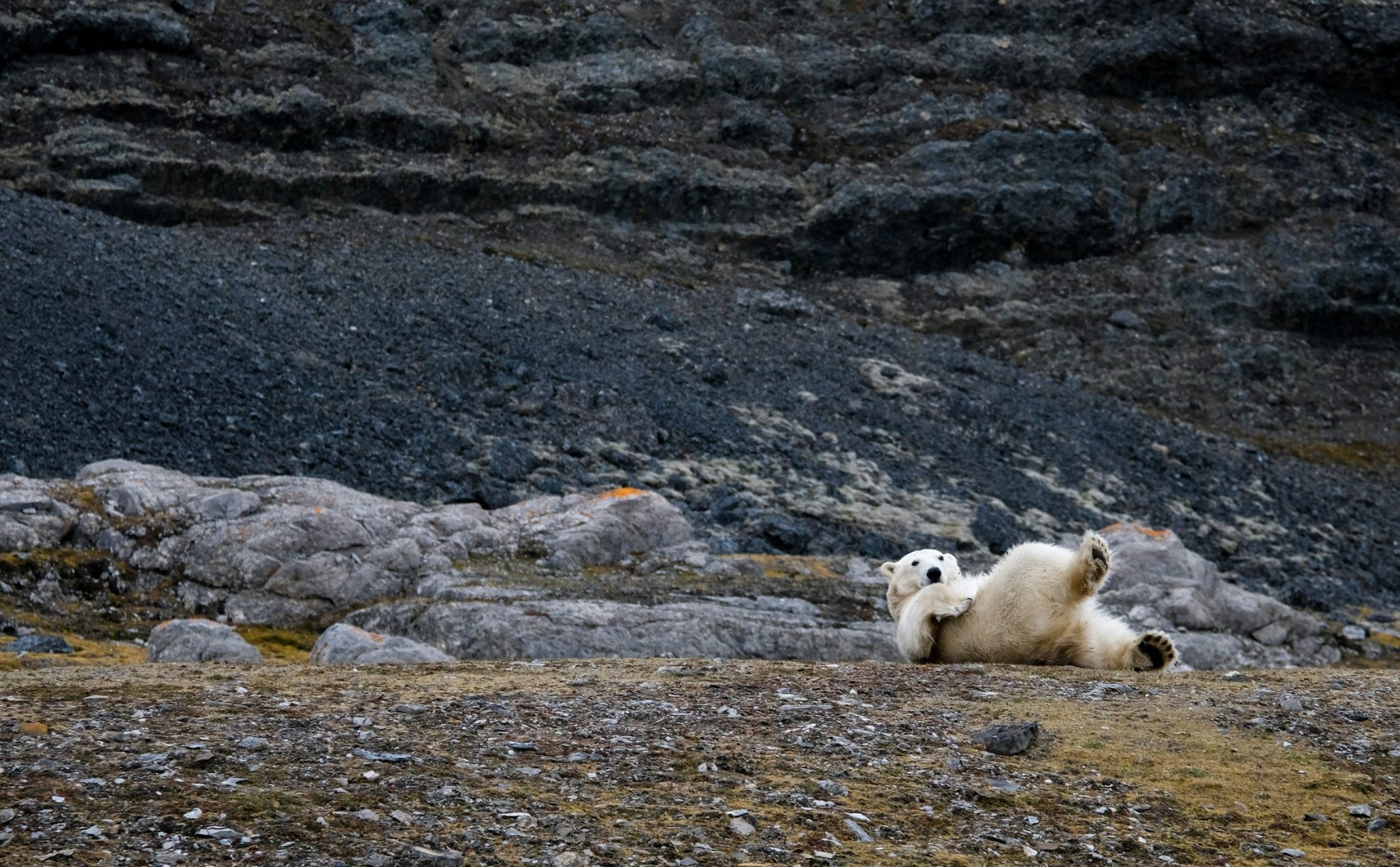
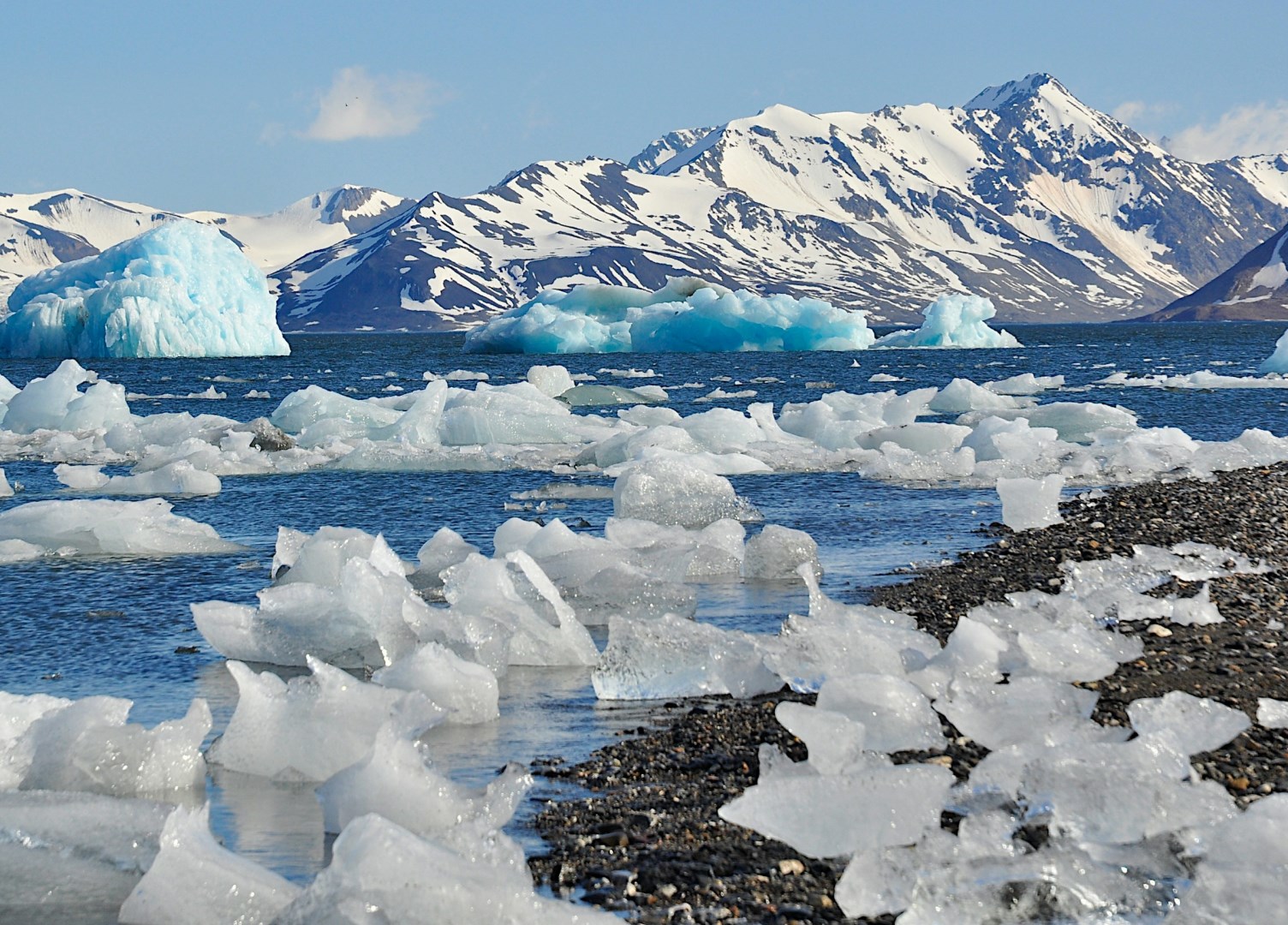
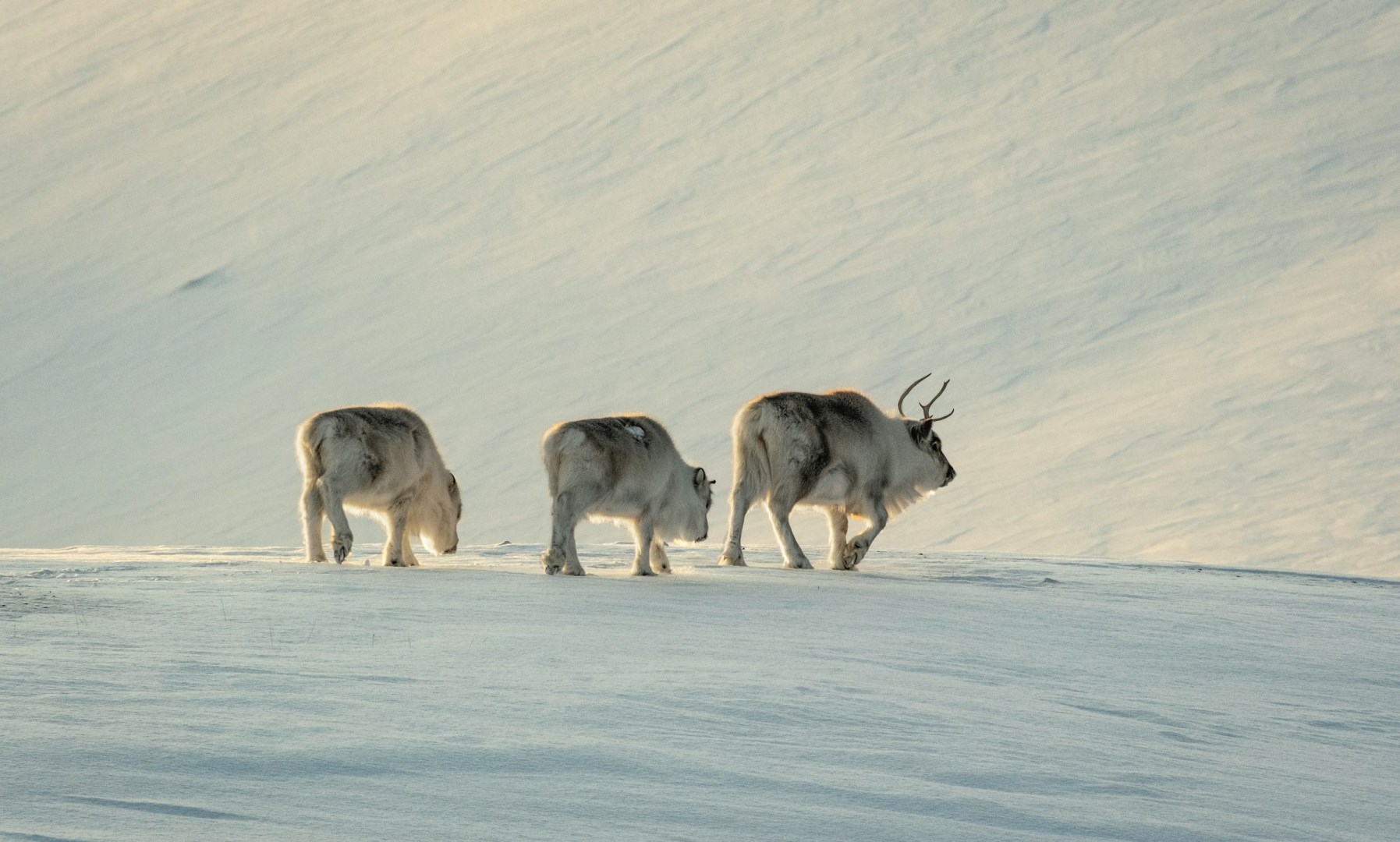
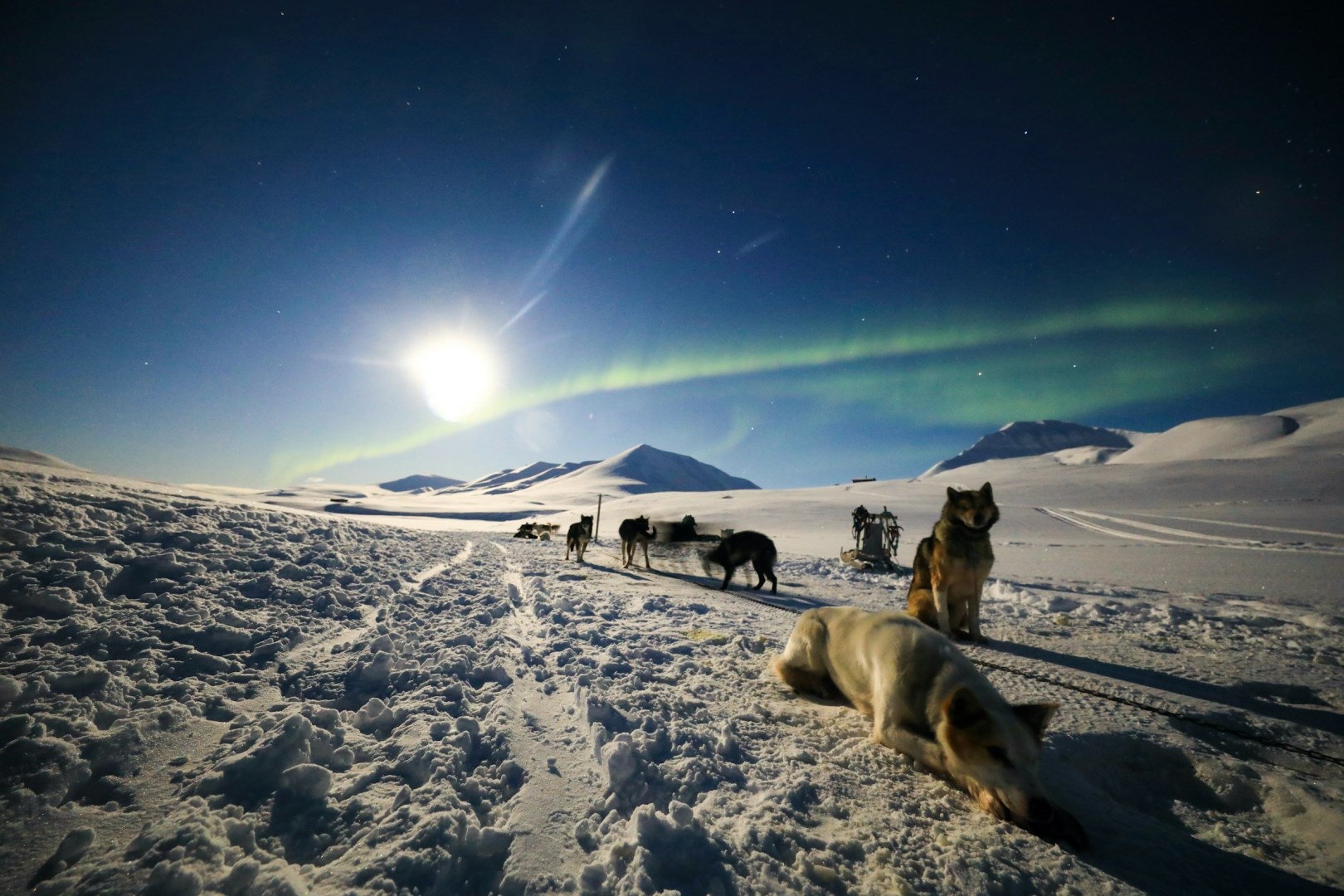
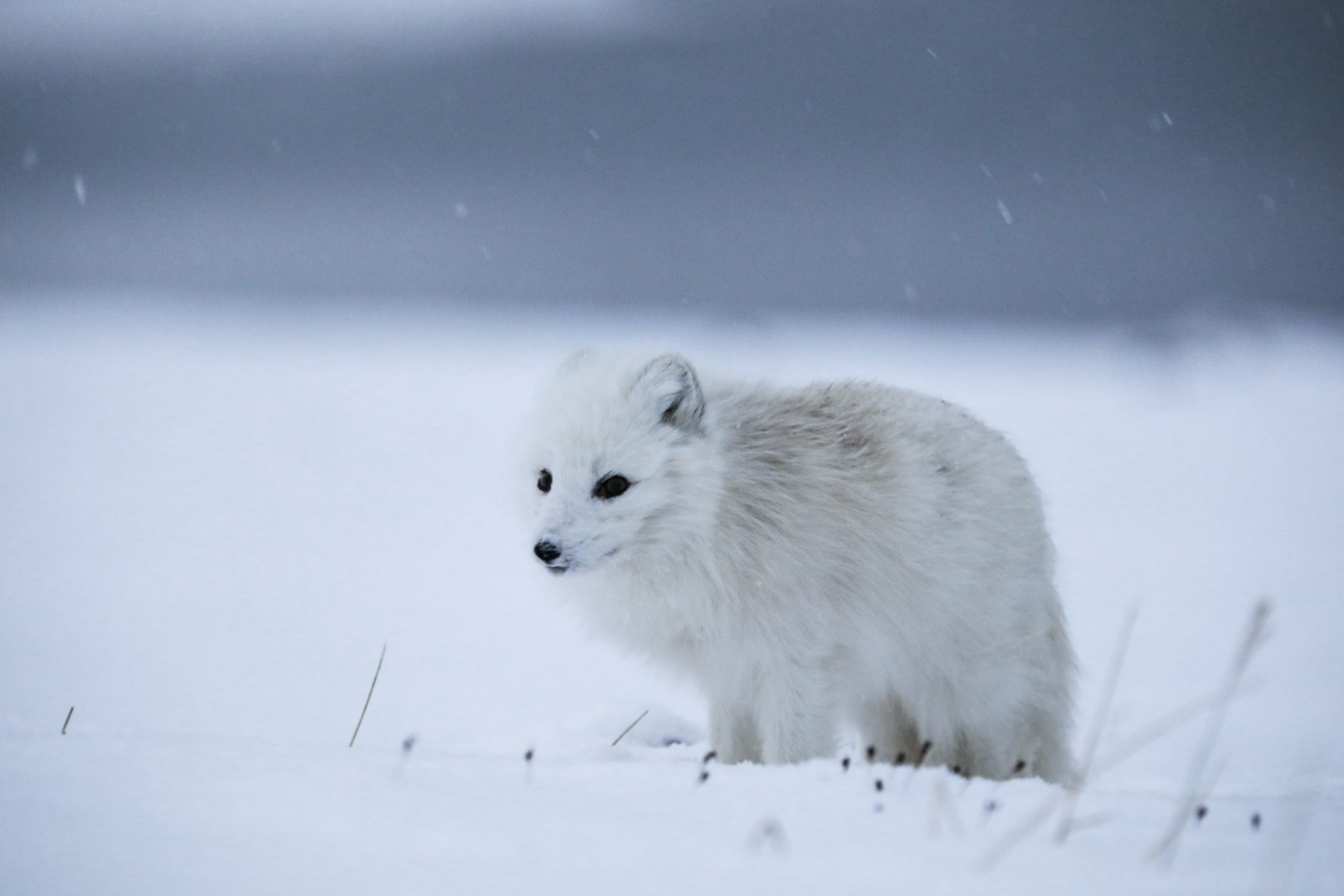
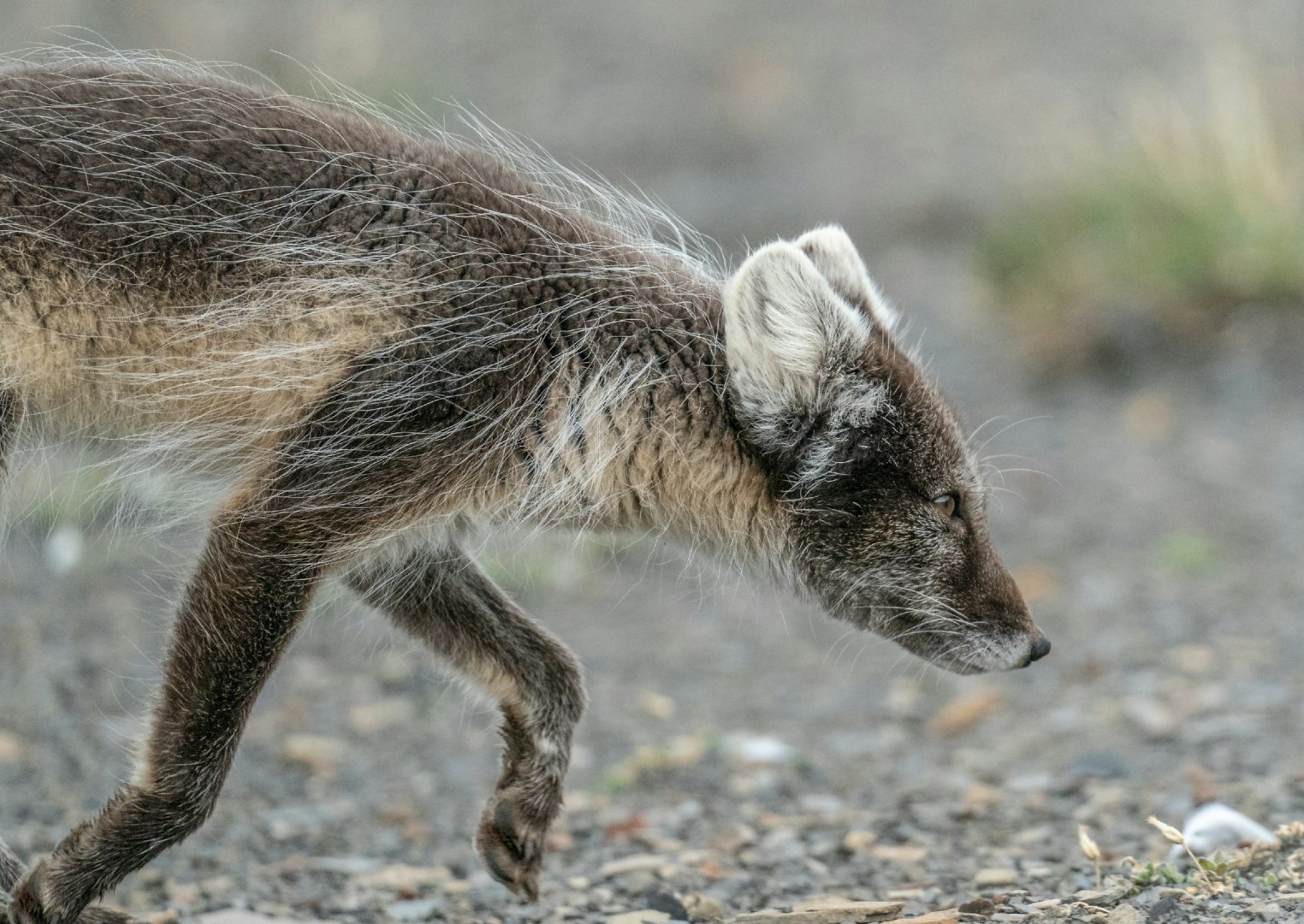
This mountainous archipelago offers magnificent views of stark white glaciers and snowfields, which cover a vast stretch of the region. Arctic flora and fauna fascinate; catch a glimpse of polar bears, reindeer, arctic foxes, and walruses amongst the mossy tundra and icy coasts. In the summer, visitors will witness the rare splendor of Svalbard’s midnight sun.
Other Popular Destinations in Norway
Bergen
Charming Bergen will sweep you away with its picturesque architecture and breathtaking natural beauty. Nestled between stunningly verdant mountains and the winding fjords of the North Sea, this scenic town will delight you at every turn.
Trondheim
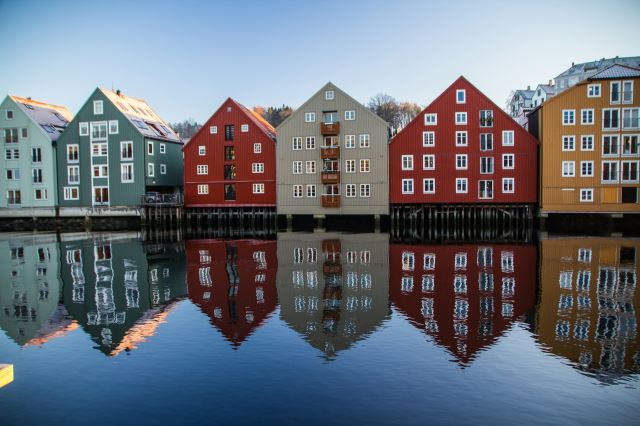
Nestled along the Trondheim Fjord in central Norway, Trondheim offers a captivating blend of rich history and vibrant modern life. As Norway’s first capital, Trondheim boasts a legacy that includes the striking Nidaros Cathedral, an iconic landmark whose construction began in the 11th century.