Turkmenistan
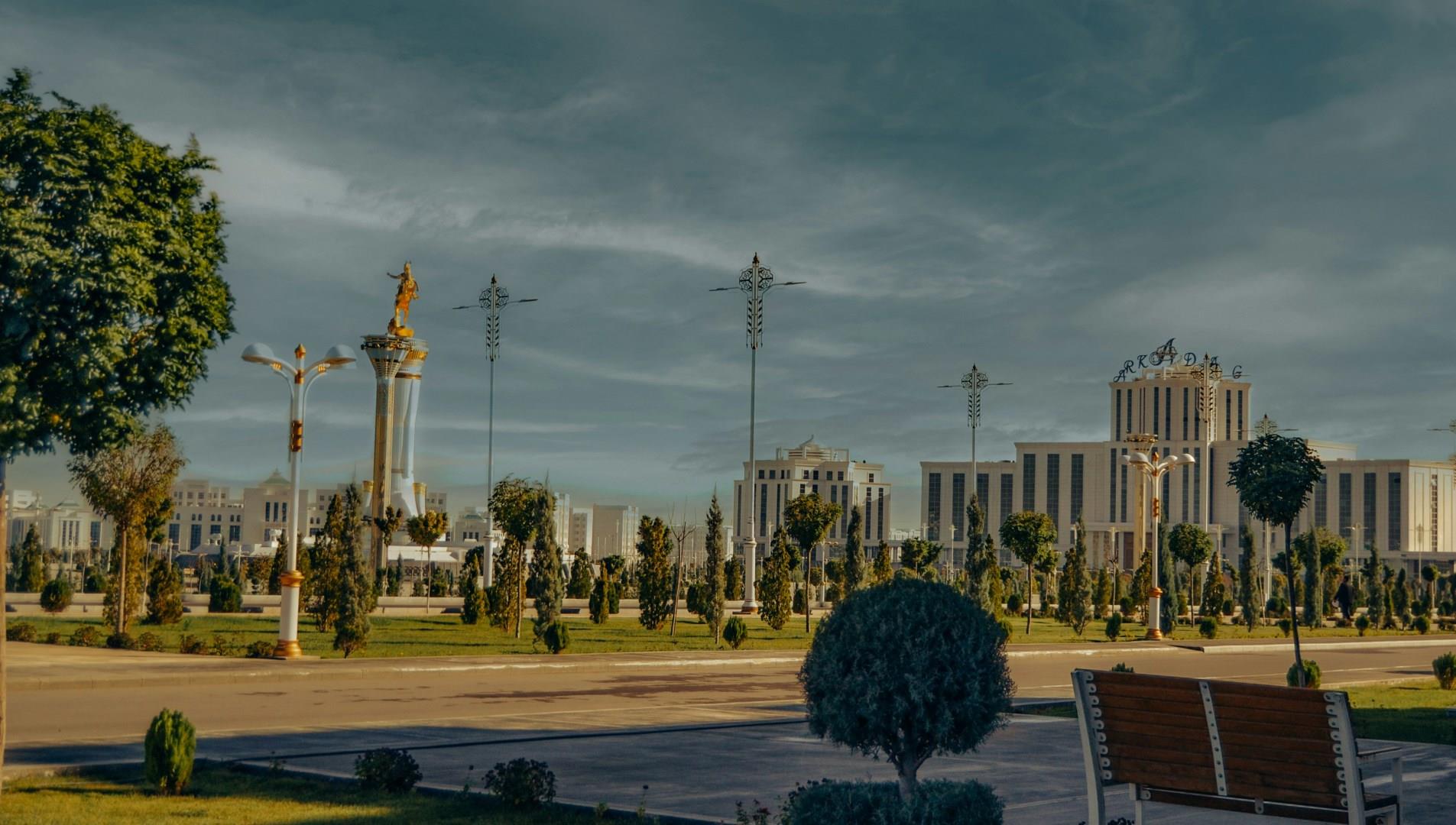
Turkmenistan is a land of striking contrasts, where vast deserts meet ancient Silk Road history. The country is dominated by the Karakum Desert, an expanse of sand and scrub that covers most of its territory, yet it is also home to oases where cities flourished as trading posts for caravans journeying between Persia, China, and beyond.

Cardiff
Cardiff, the capital of Wales, is a city brimming with history, culture, and modern vibrancy. At the heart of its historic charm stands the Cardiff Castle, a magnificent structure that dates back to Roman times and has been a centerpiece of Welsh history for centuries. Explore the castle’s stunning medieval architecture and lavish interiors, or take a walk around the castle grounds, which offer picturesque views of the city skyline.

Atacama Desert
The Atacama Desert in Chile, the driest non-polar desert on Earth, is a place of extraordinary beauty and otherworldly landscapes. Stretching over 600 miles along the Pacific coast, the Atacama's stark, lunar-like terrain is punctuated by salt flats, active geysers, and rugged canyons. One of the most striking sights is the Valle de la Luna, or Valley of the Moon, where wind-sculpted sand dunes and jagged rock formations create a surreal environment that appears as if it's straight from another
Aizuwakamatsu
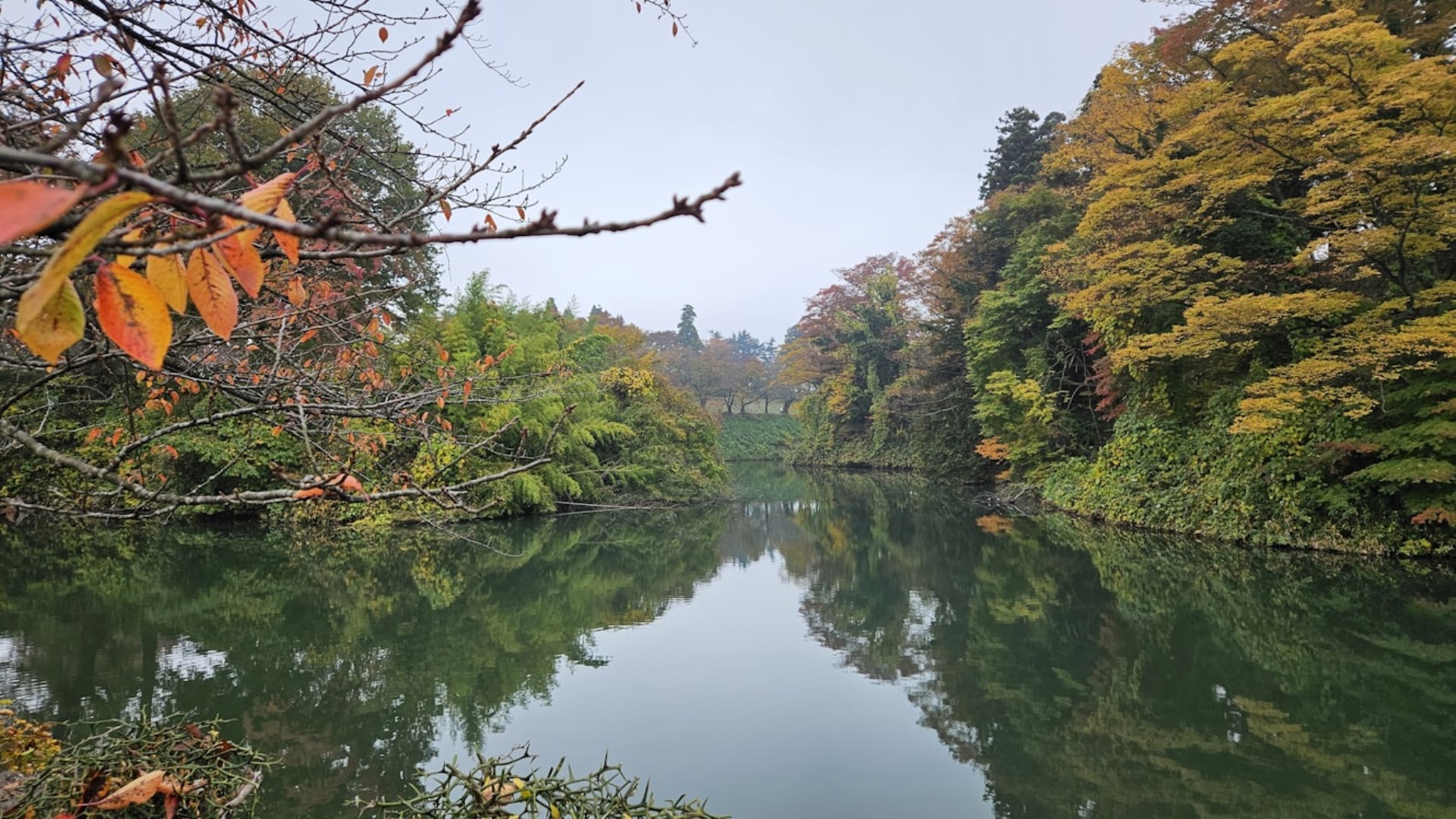
Aizuwakamatsu in Fukushima Prefecture is a city where samurai history is tangible. Once a stronghold of the Aizu domain, it played a pivotal role in the late Edo period and the Boshin War.

Chile
Stretching over 4,200 kilometers along the southwestern coast of South America, Chile is a country of dramatic contrasts and hidden surprises. From the world’s driest desert in the north to the icy fjords of Patagonia in the south, Chile offers a landscape that constantly reinvents itself. Visitors can walk through the Atacama Desert, where NASA tests Mars rovers, or gaze at the clearest night skies on Earth from the high-altitude observatories near San Pedro de Atacama.