From its natural wonders to its historic charm, the St. Lawrence River invites visitors to explore its endless possibilities. Whether by land or water, this iconic river promises a journey filled with discovery and unforgettable moments.
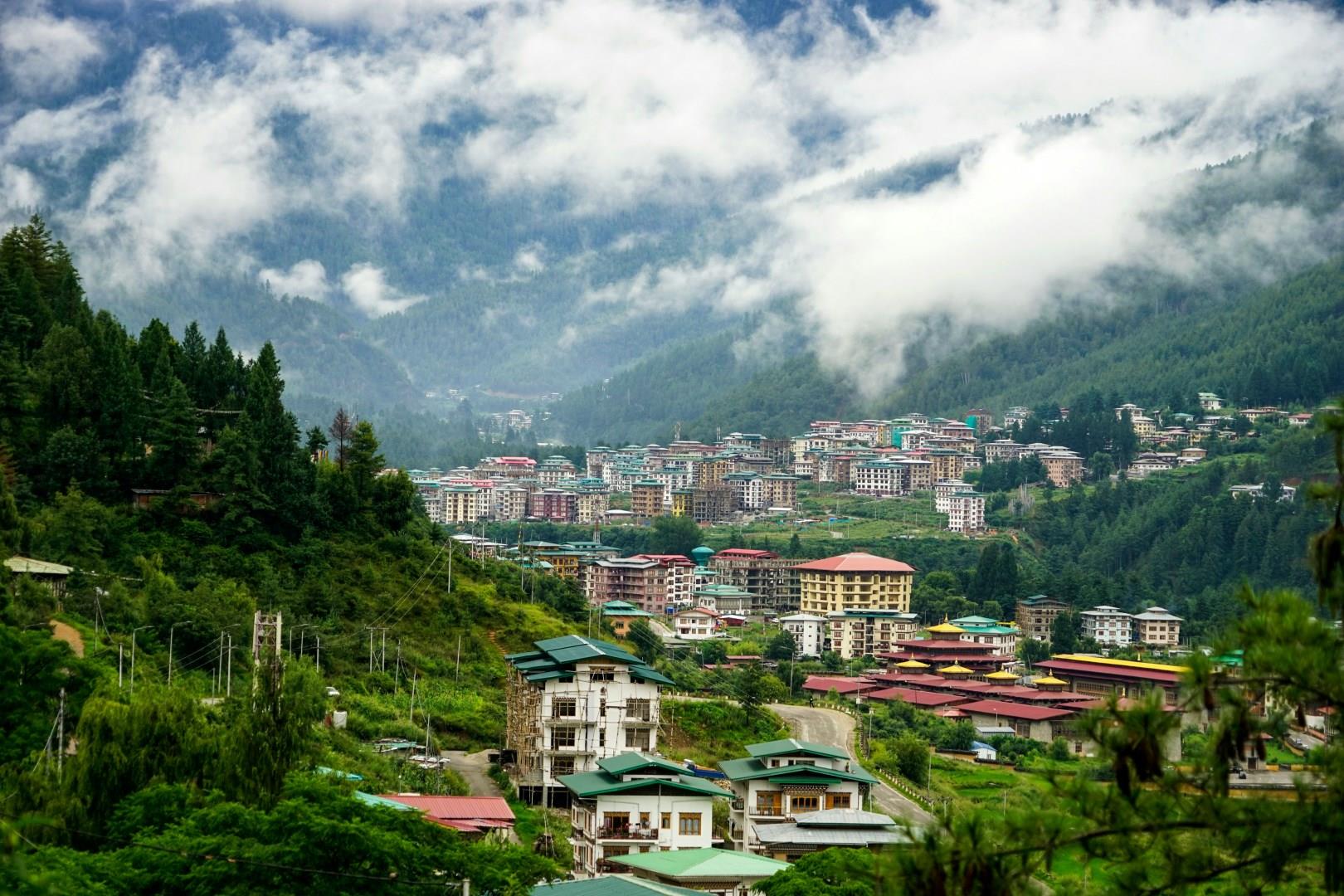
Thimphu, the capital of Bhutan, is a city where tradition and modern life meet in unexpected ways. Streets are lined with traditional Bhutanese architecture, colorful prayer flags, and shops selling handicrafts, while government offices and modern facilities operate alongside centuries-old temples.
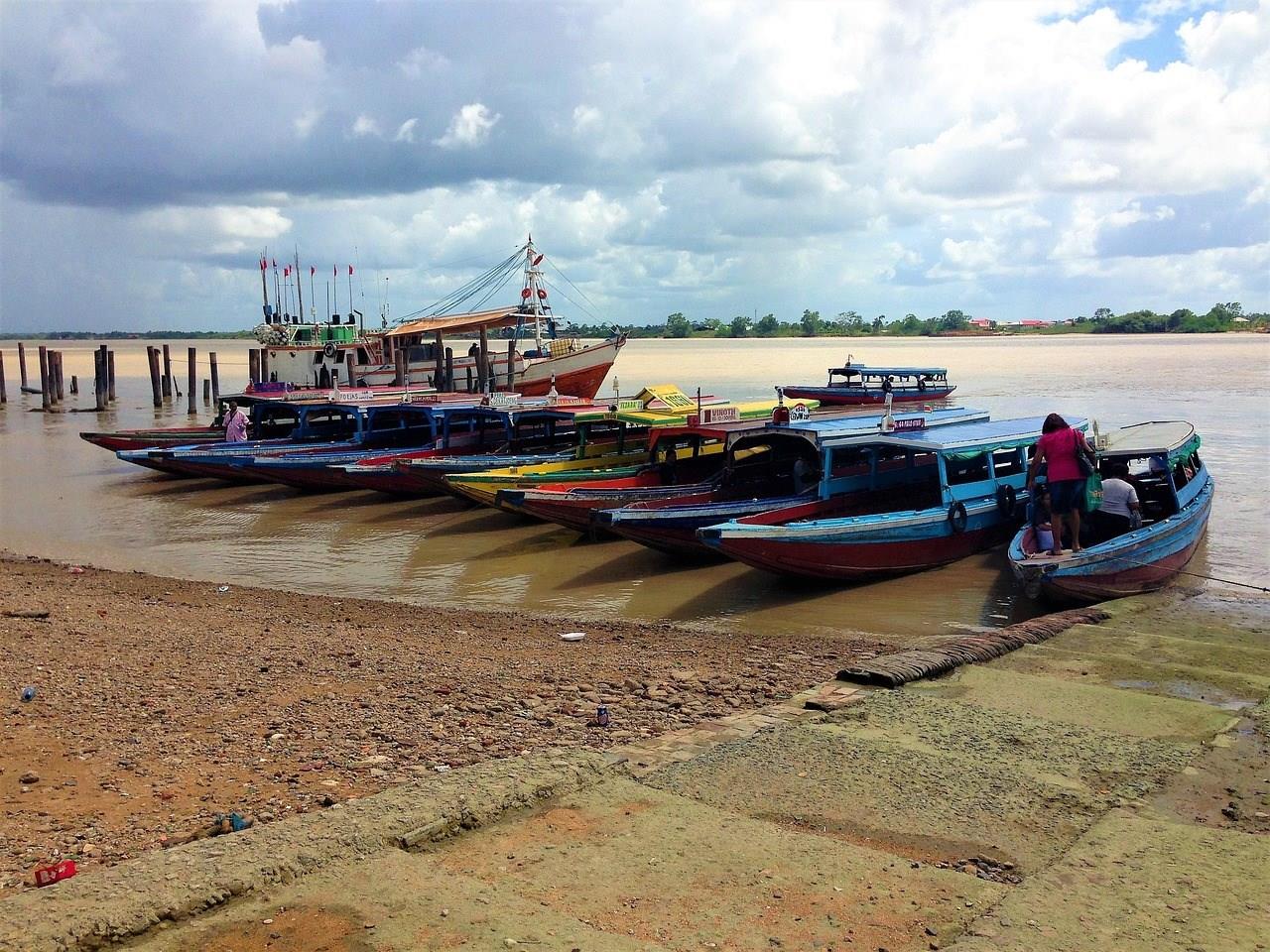
Paramaribo, Suriname’s capital, unfolds like a living storybook along the Suriname River, where wooden structures from the 17th and 18th centuries still stand today. This historic heart reveals a rare fusion of Dutch design and local craftsmanship. Visitors can stroll the Waterkant, a riverside avenue, and take in landmarks such as Fort Zeelandia, the neoclassical Reformed Church, and the lofty wooden Cathedral of St. Peter and Paul.
Honolulu, the capital of Hawaiʻi and the largest city in the Pacific, blends the energy of a major urban center with the deep roots of Native Hawaiian culture. Set on the island of Oʻahu, it’s home to iconic beaches, royal history, and a rhythm all its own. This sunny capital city is the main portal to the larger Hawaiian archipelago, and the perfect base for exploring Oahu.
Virginia is a state where past and present share the same ground. In places like Colonial Williamsburg, costumed interpreters walk the same streets once frequented by American revolutionaries, while nearby Jamestown and Yorktown complete what's known as the Historic Triangle. Outside its historic corridors, Virginia surprises visitors with its changing landscapes, from the rolling horse farms of Middleburg to the rugged terrain of the Blue Ridge Mountains.
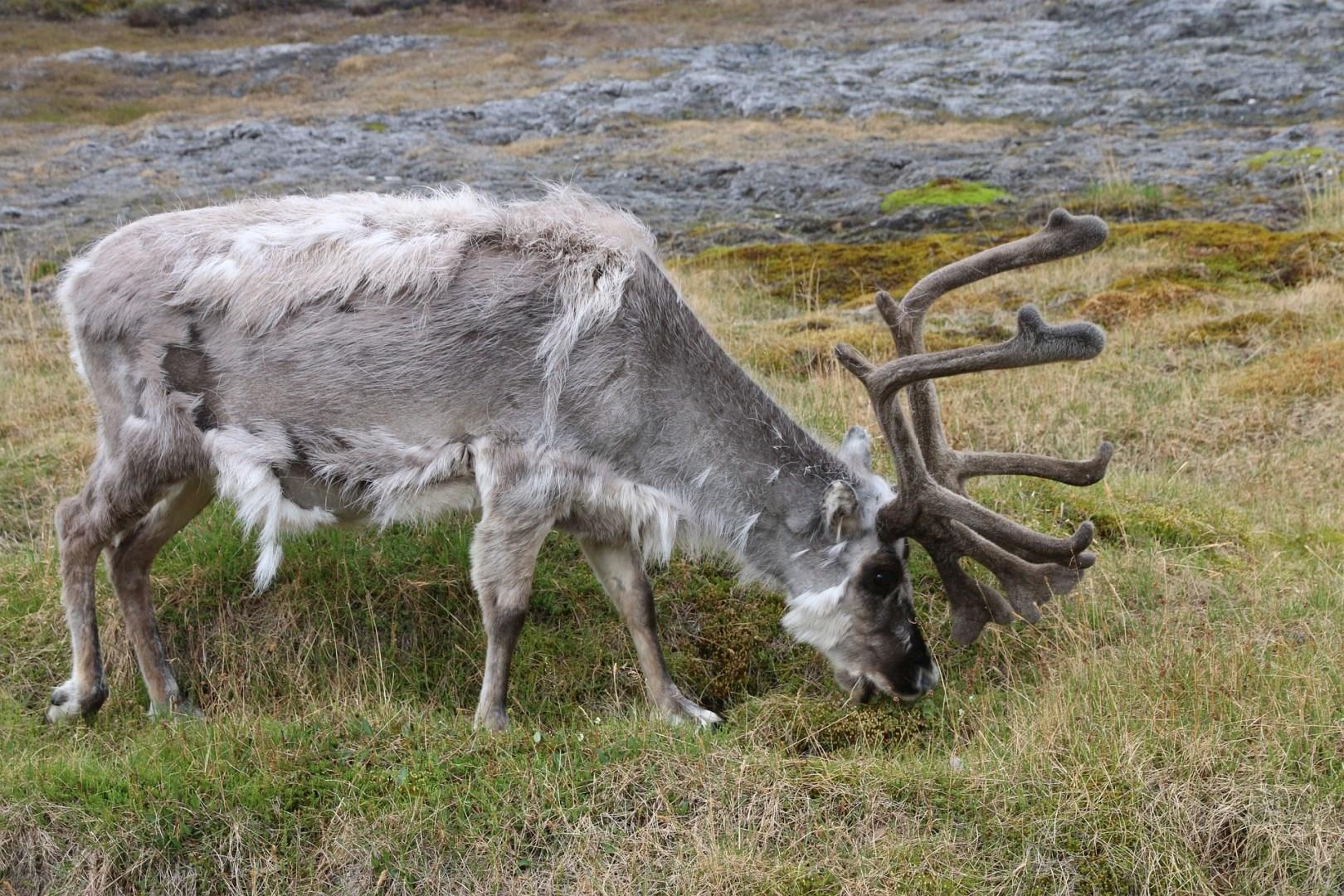
Photo Credit: Photo by Fredrik Solli Wandem on Unsplash
Photo Credit: Photo by Rod Long on Unsplash
Photo Credit: Photo by Dylan Shaw on Unsplash
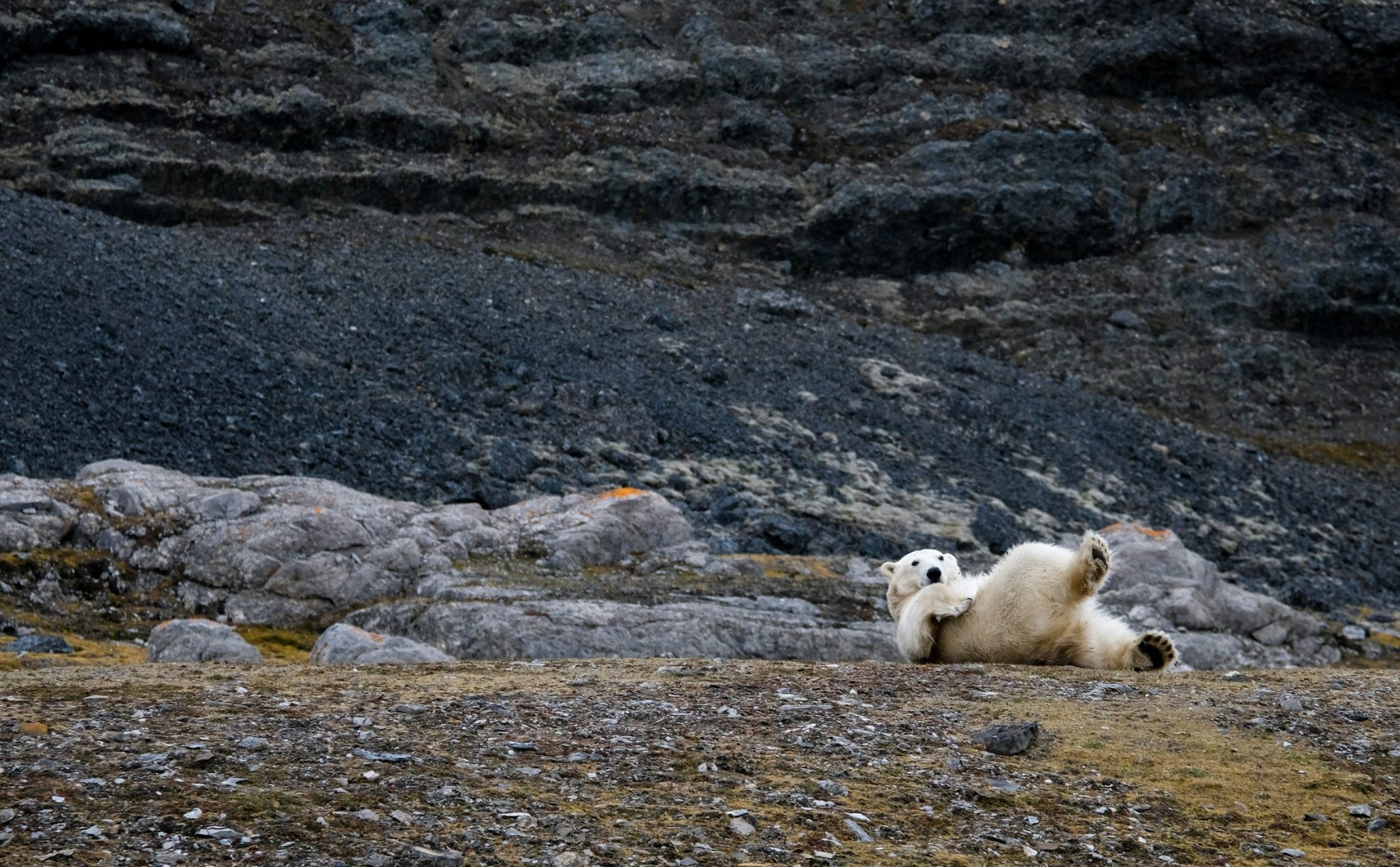
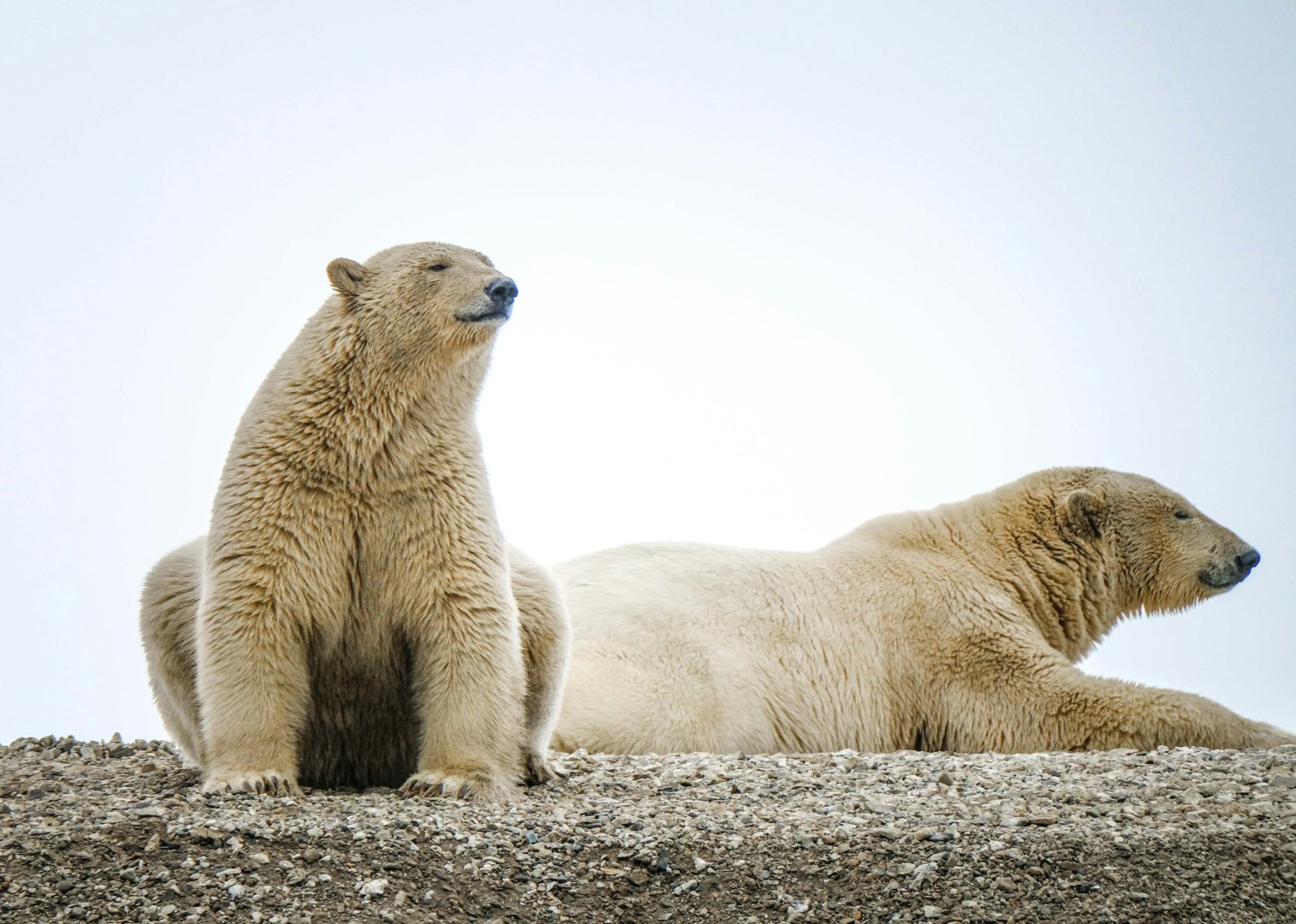
Polar Bears
Photo Credit: Photo by Francesco Ungaro on Unsplash
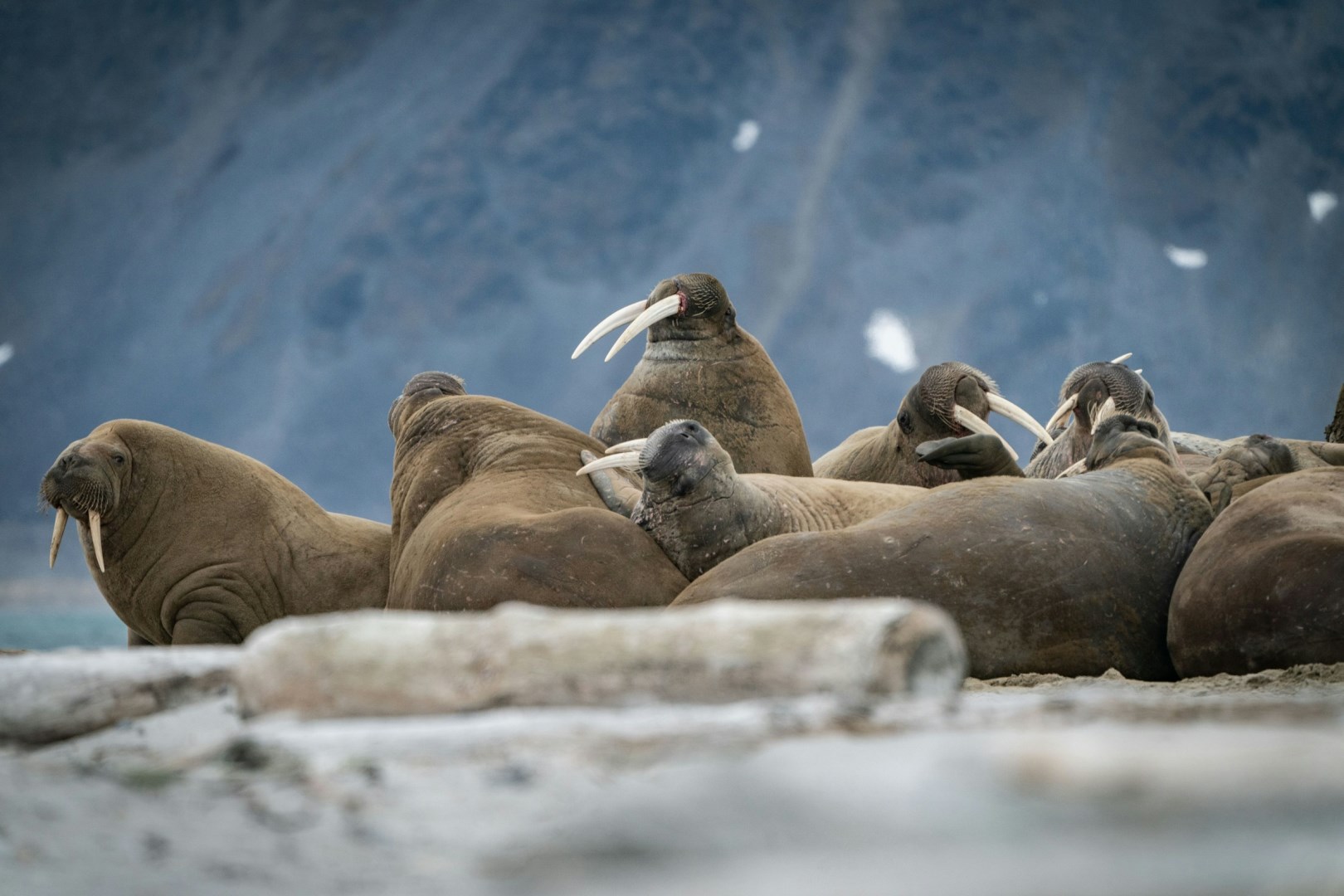
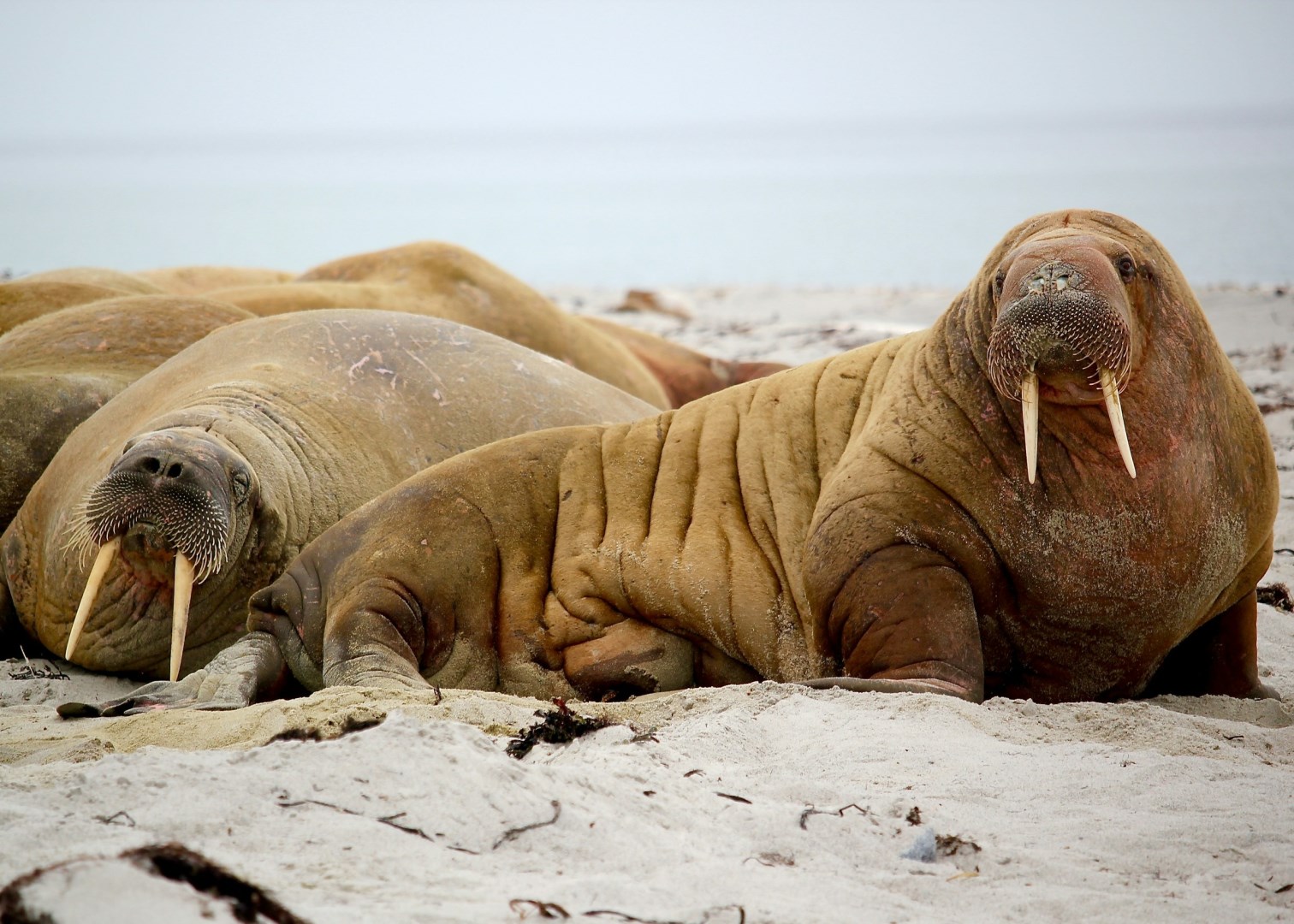
Walrus at Smeerenburgbreen
Photo Credit: Photo by Jay Ruzesky on Unsplash
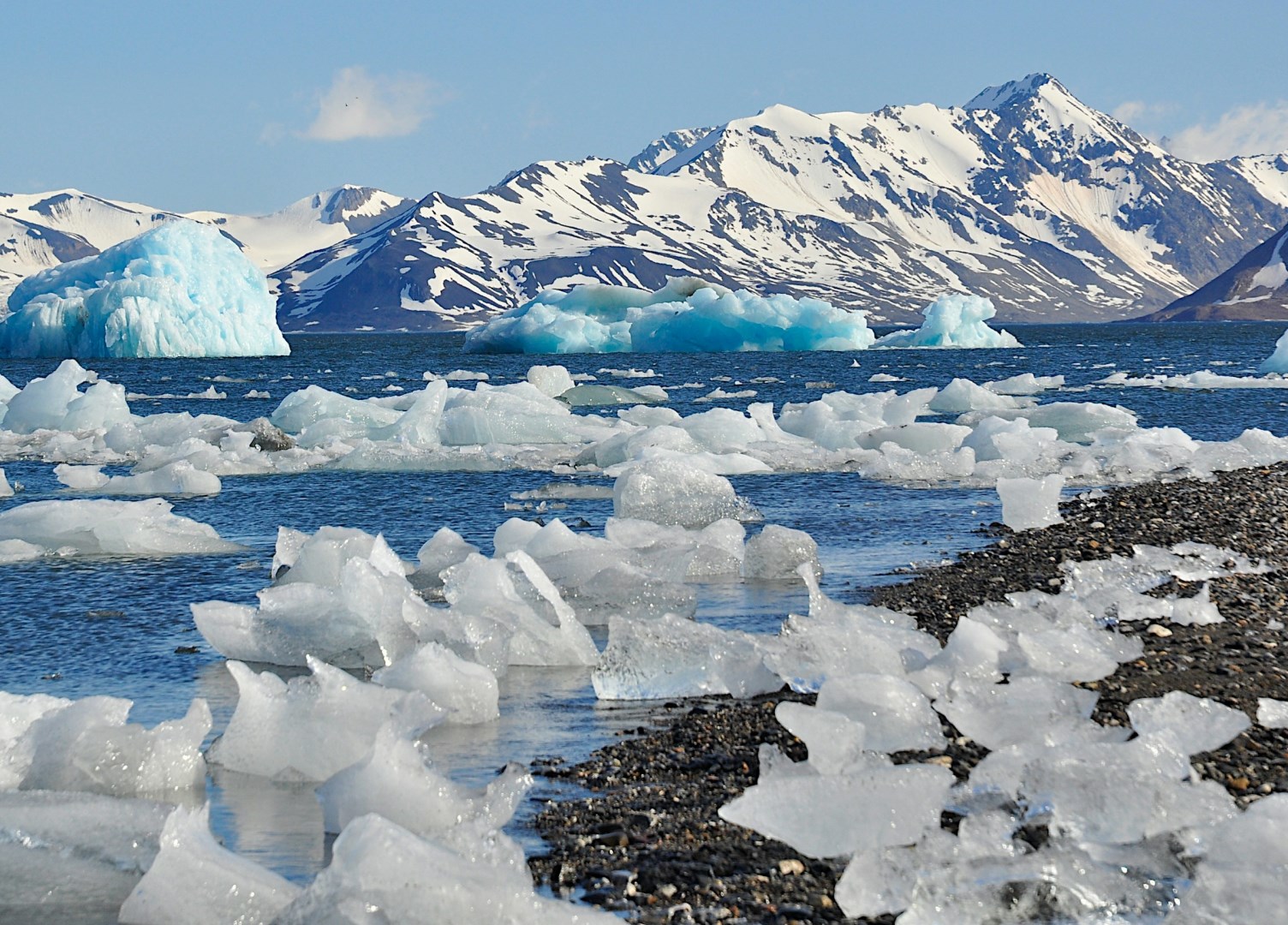
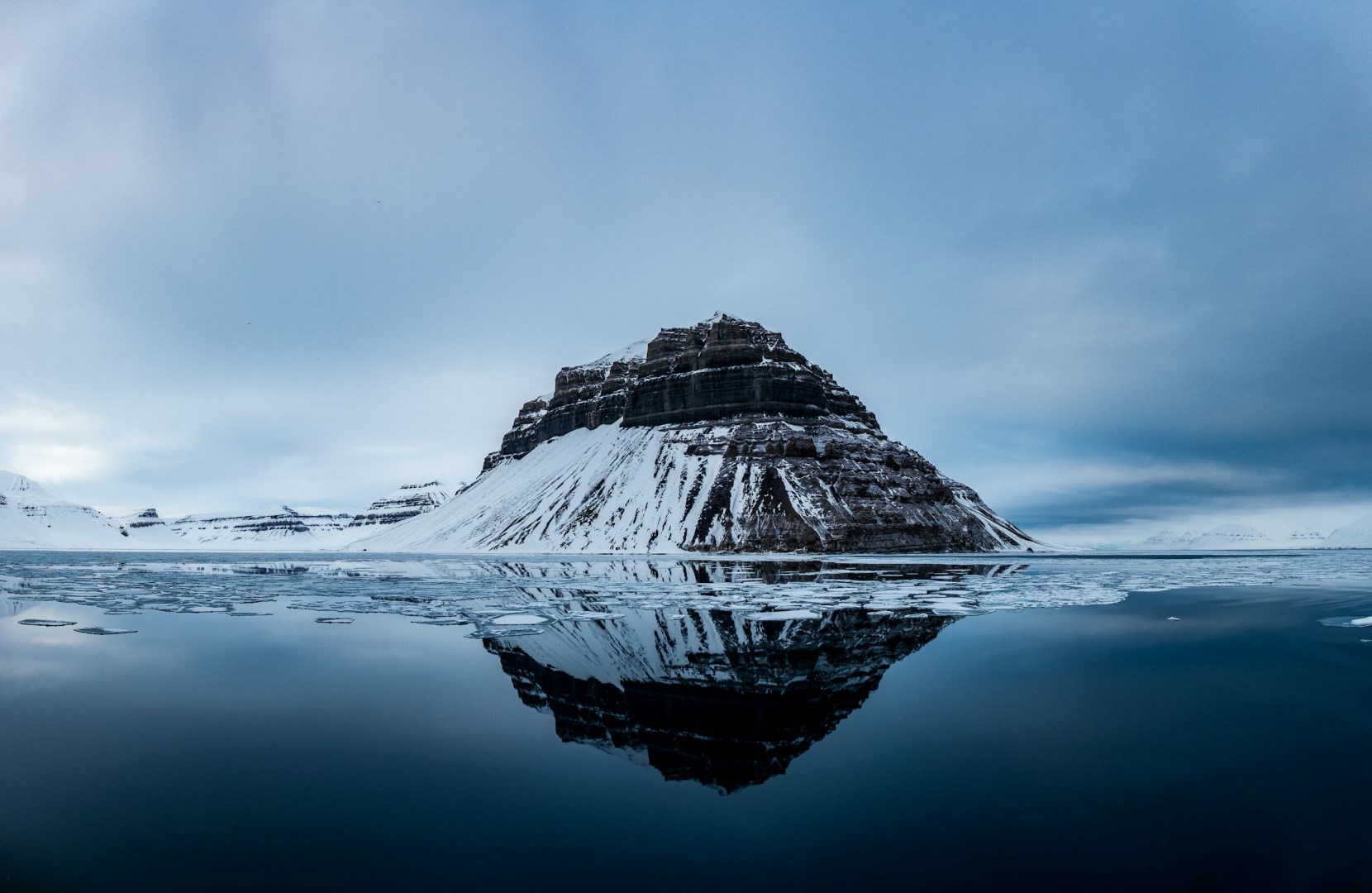
Billefjorden
Photo Credit: Photo by Lloyd Woodham on Unsplash
Photo Credit: Photo by Daniel Fatnes on Unsplash
Photo Credit: Photo by Dylan Shaw on Unsplash
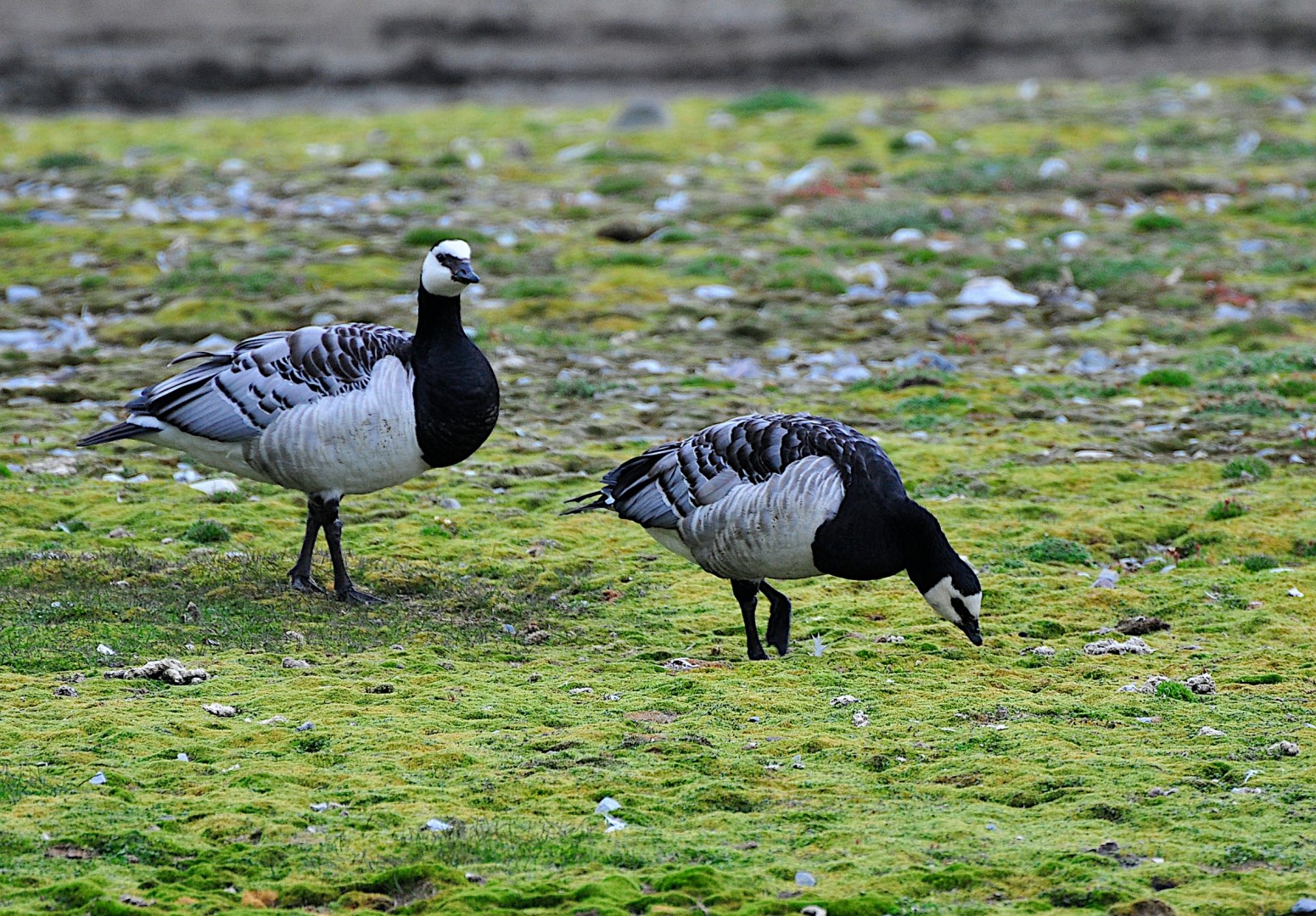
Barnacle goose
Photo Credit: Photo by Jacek Urbanski on Unsplash
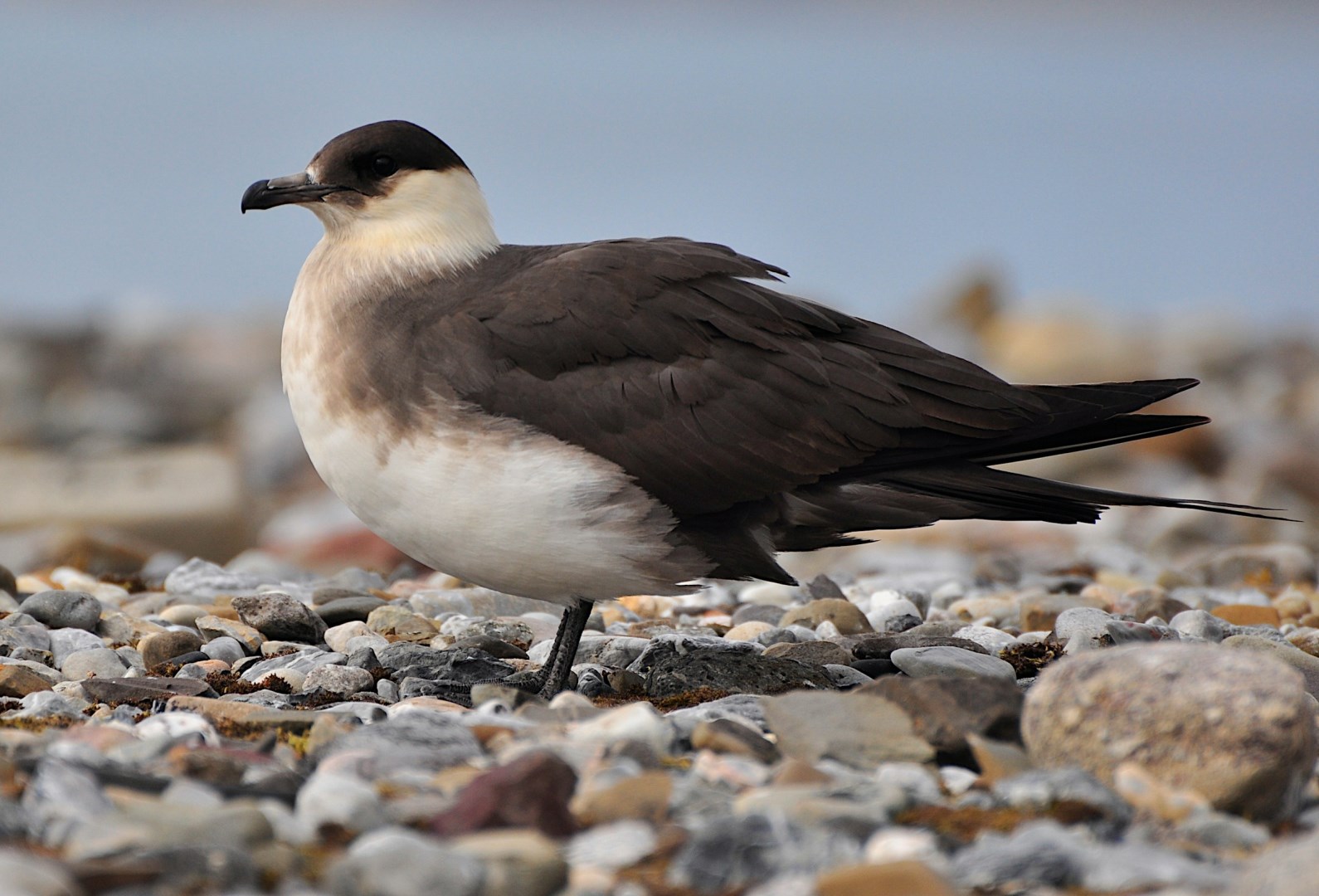
Arctic skua
Photo Credit: Photo by Jacek Urbanski on Unsplash
Photo Credit: Photo by Bob Brewer on Unsplash
Photo Credit: Photo by Chris Marquardt on Unsplash
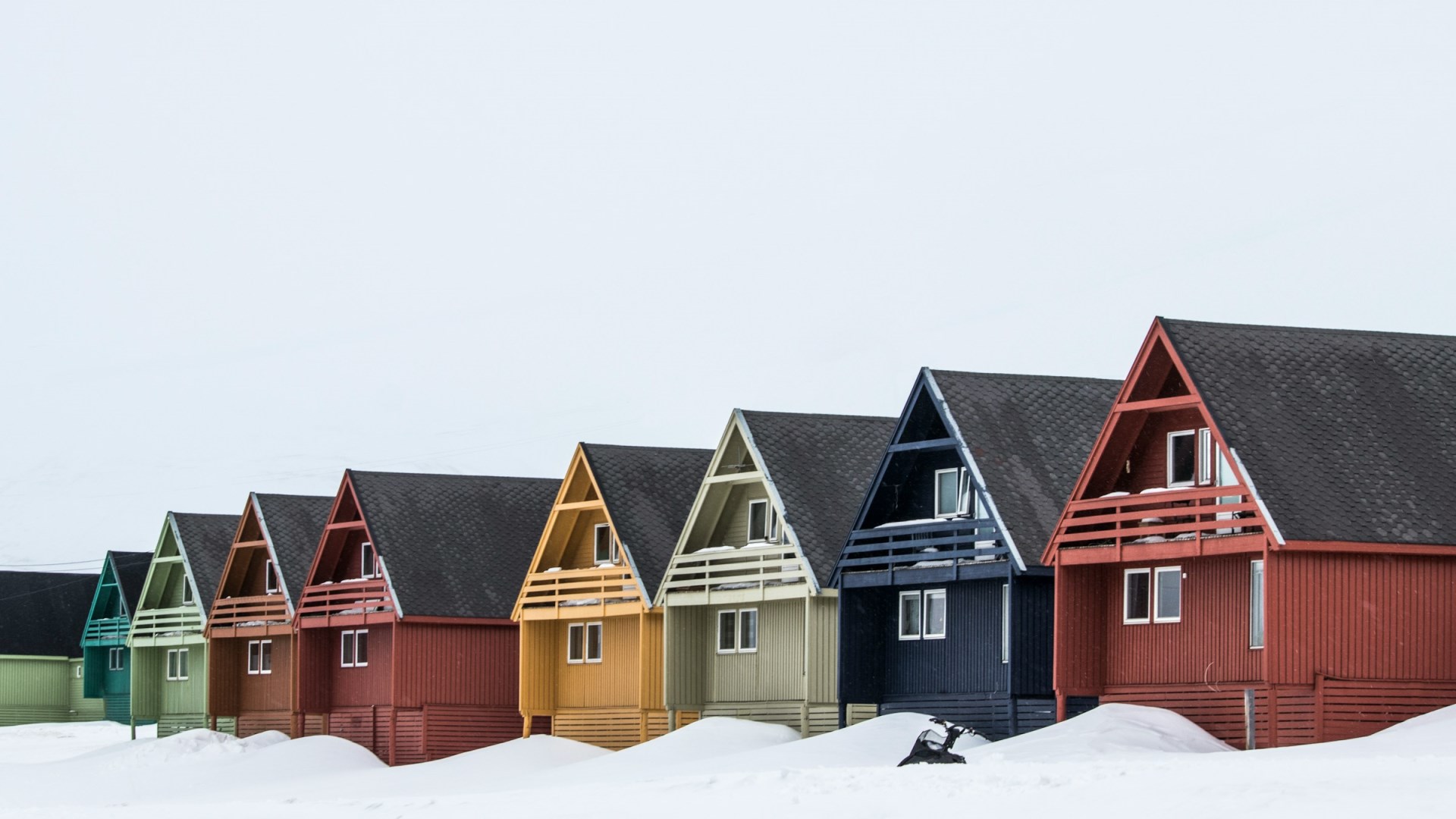
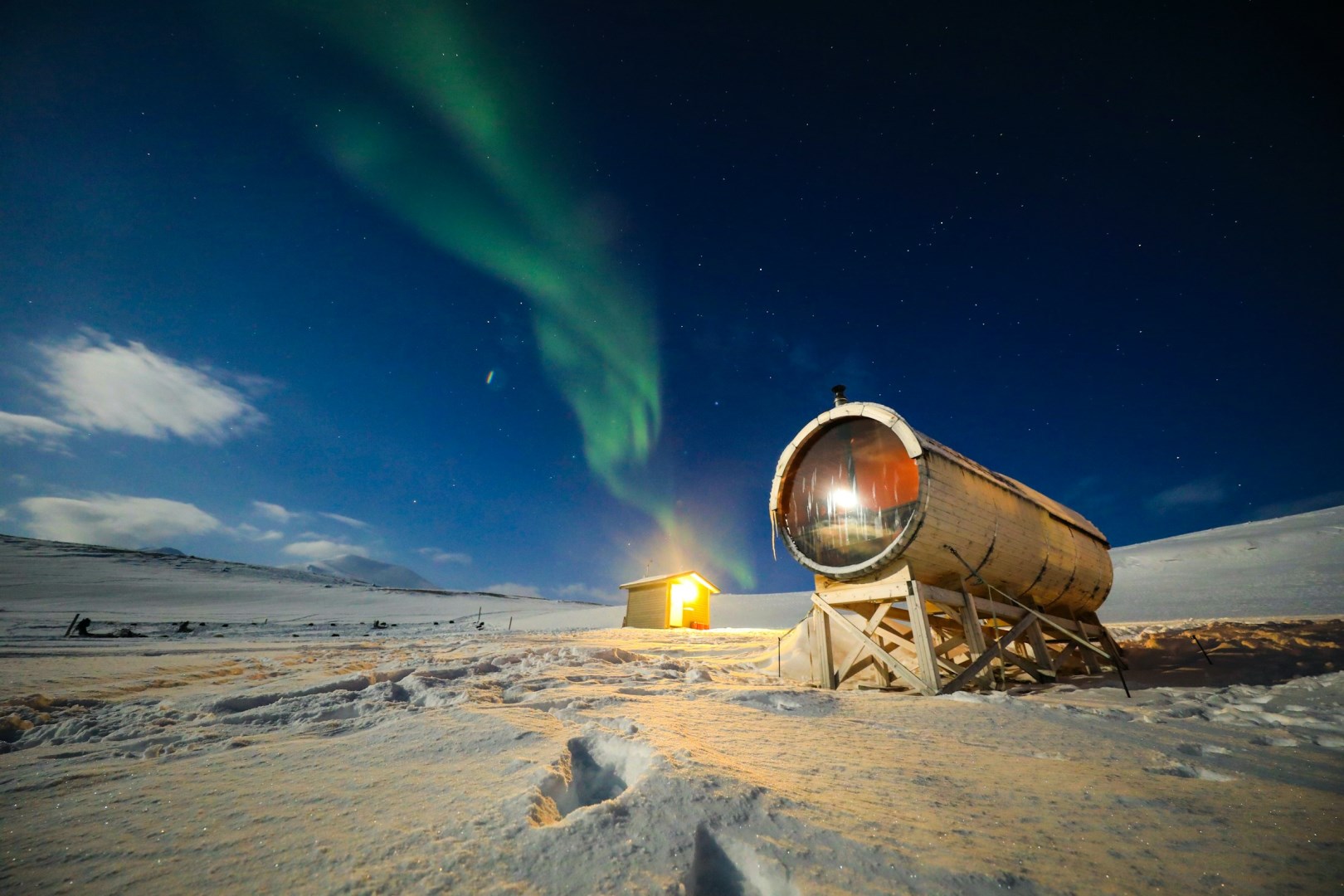
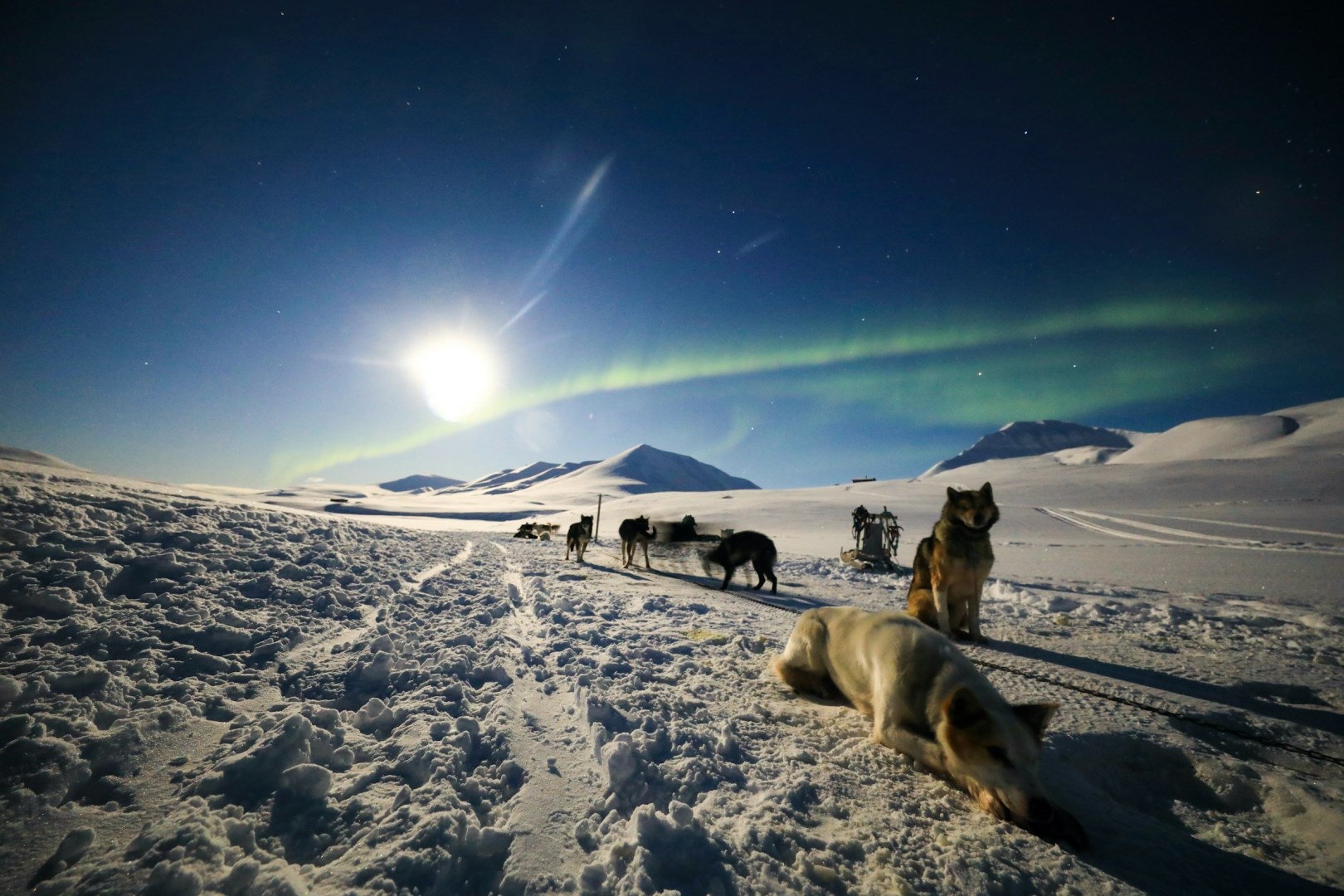
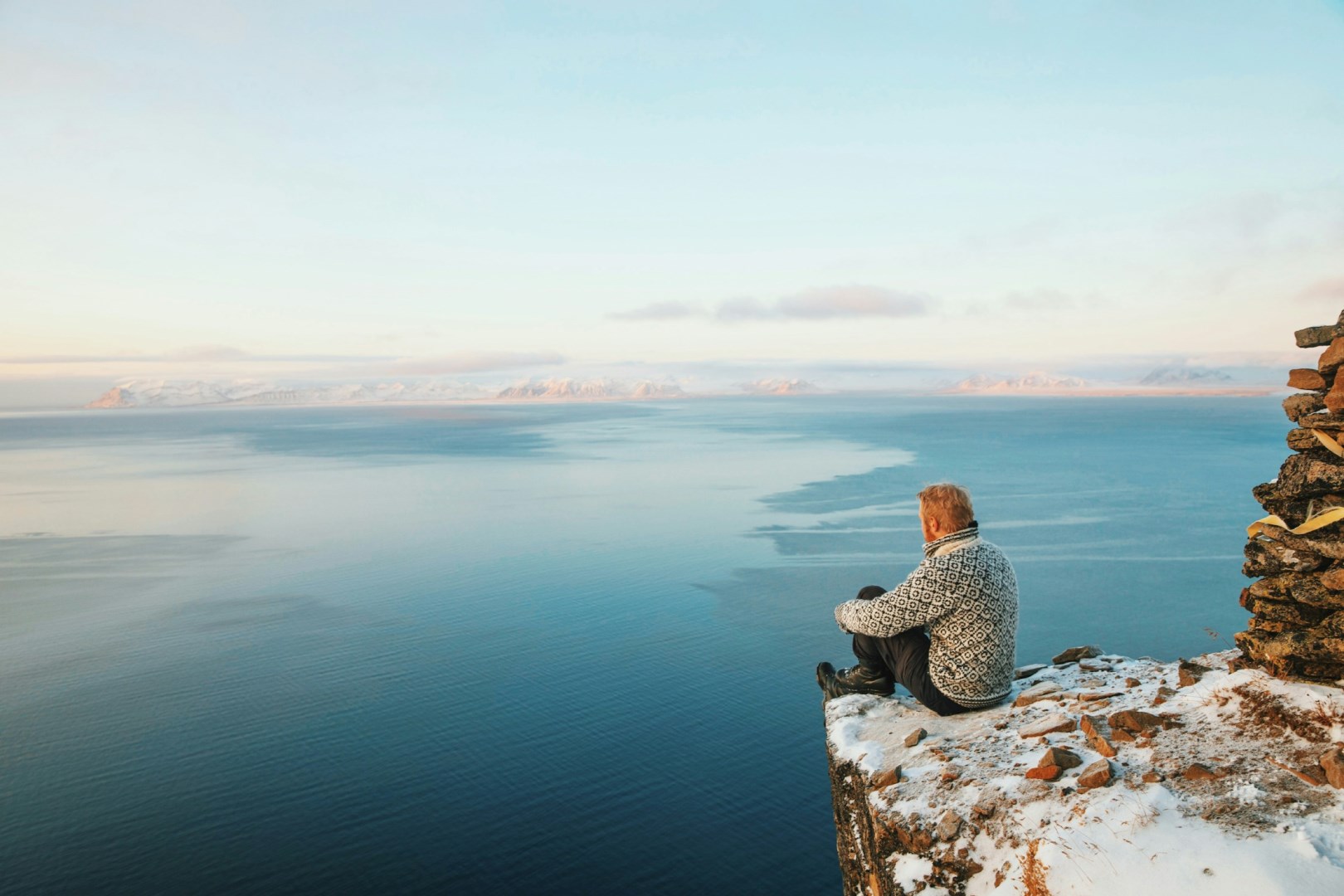
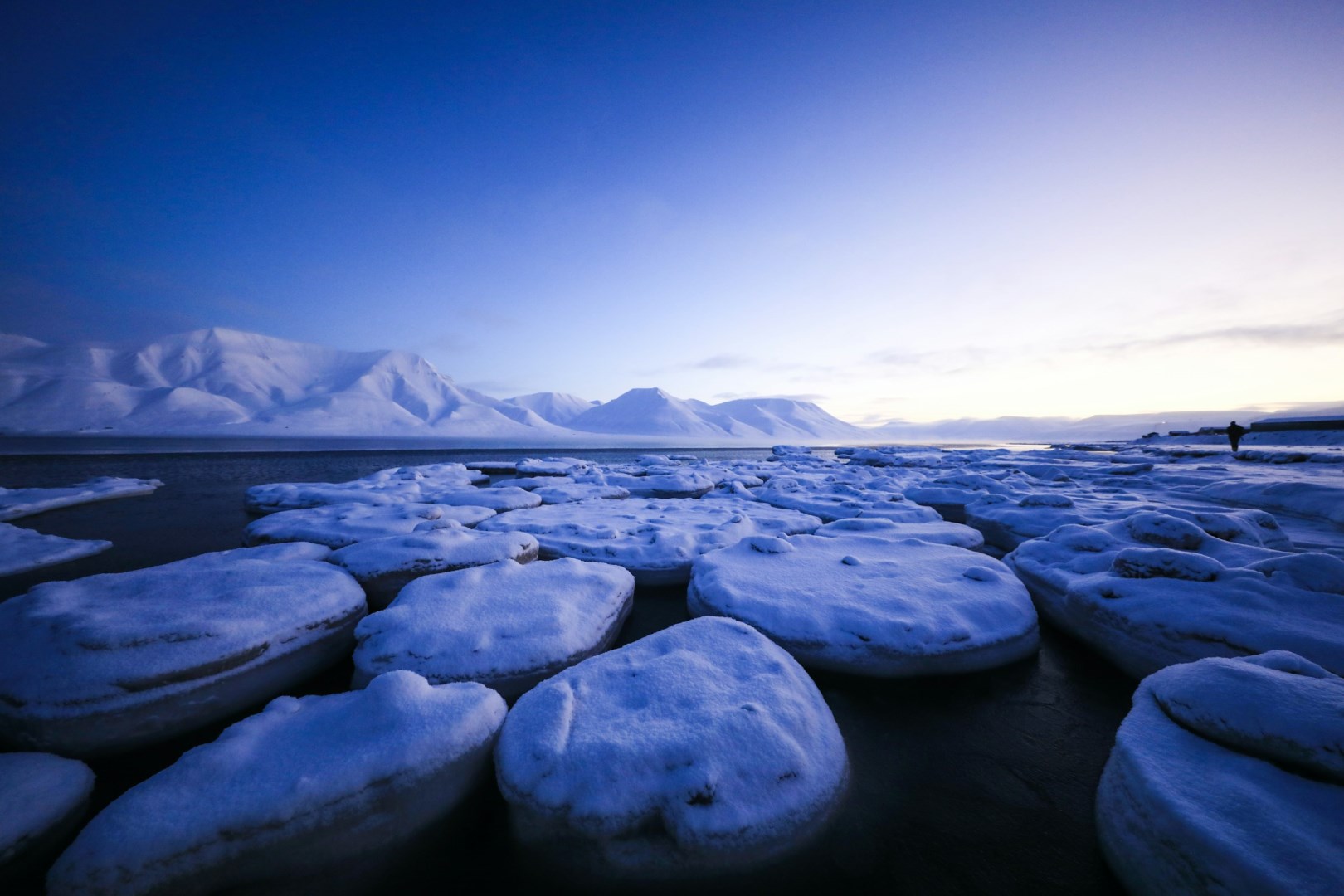
The remote and austerely beautiful Svalbard, a Norwegian archipelago, lies north of continental Norway in the Arctic Ocean, a mere 650 miles from the North Pole. A hub for Dutch, English, French, Norwegian, and Russian whalers between the 17th and 19th centuries, this collection of glacial islands officially joined the Kingdom of Norway in 1925 with the Svalbard Act and continues to be used in coal mining enterprises. Spitsbergen, the only permanently inhabited island in the Svalbard archipelago, and its largest settlement, Longyearbyen, have become popular stops for tourists, who often arrive on arctic cruises.

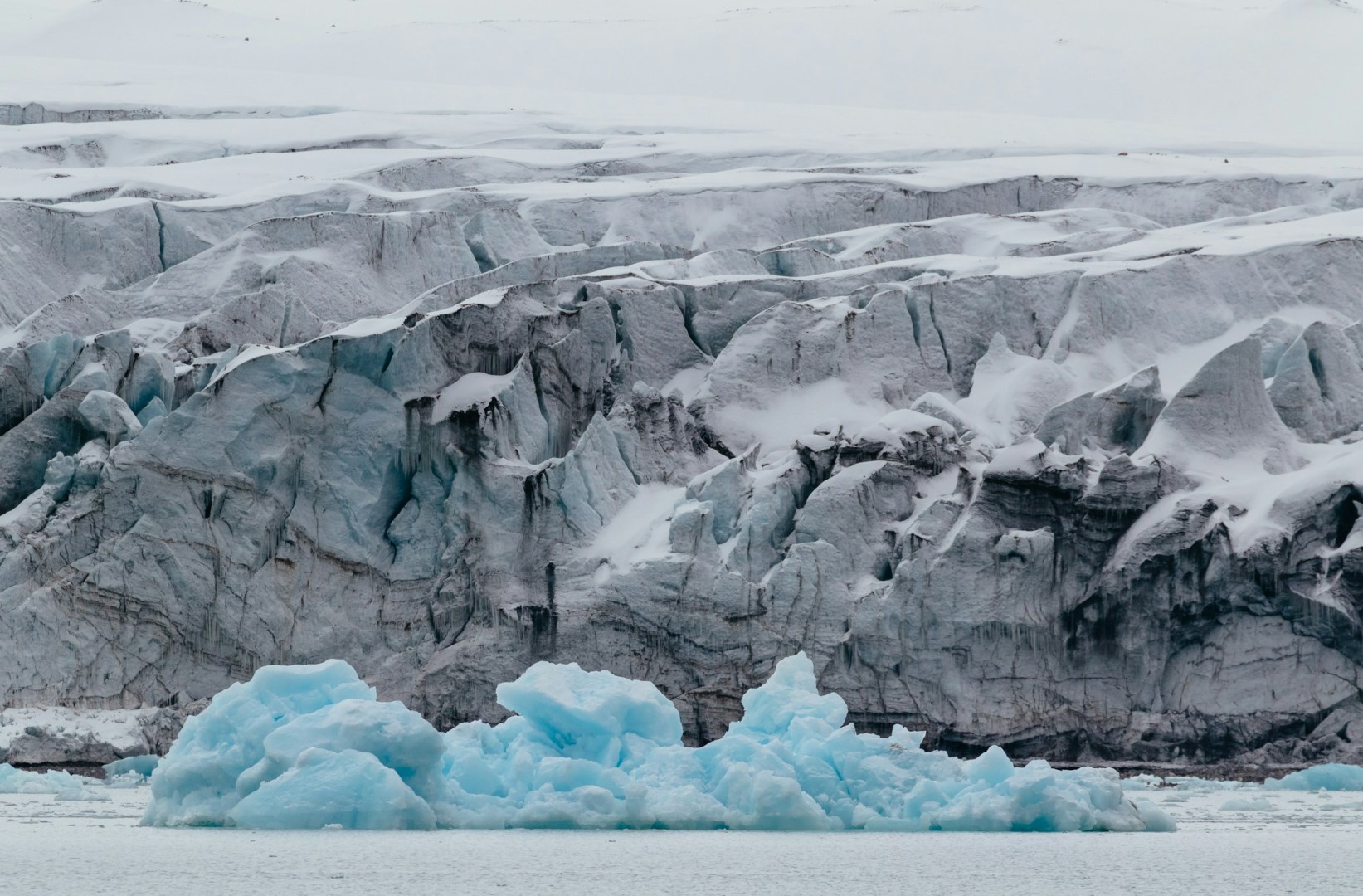
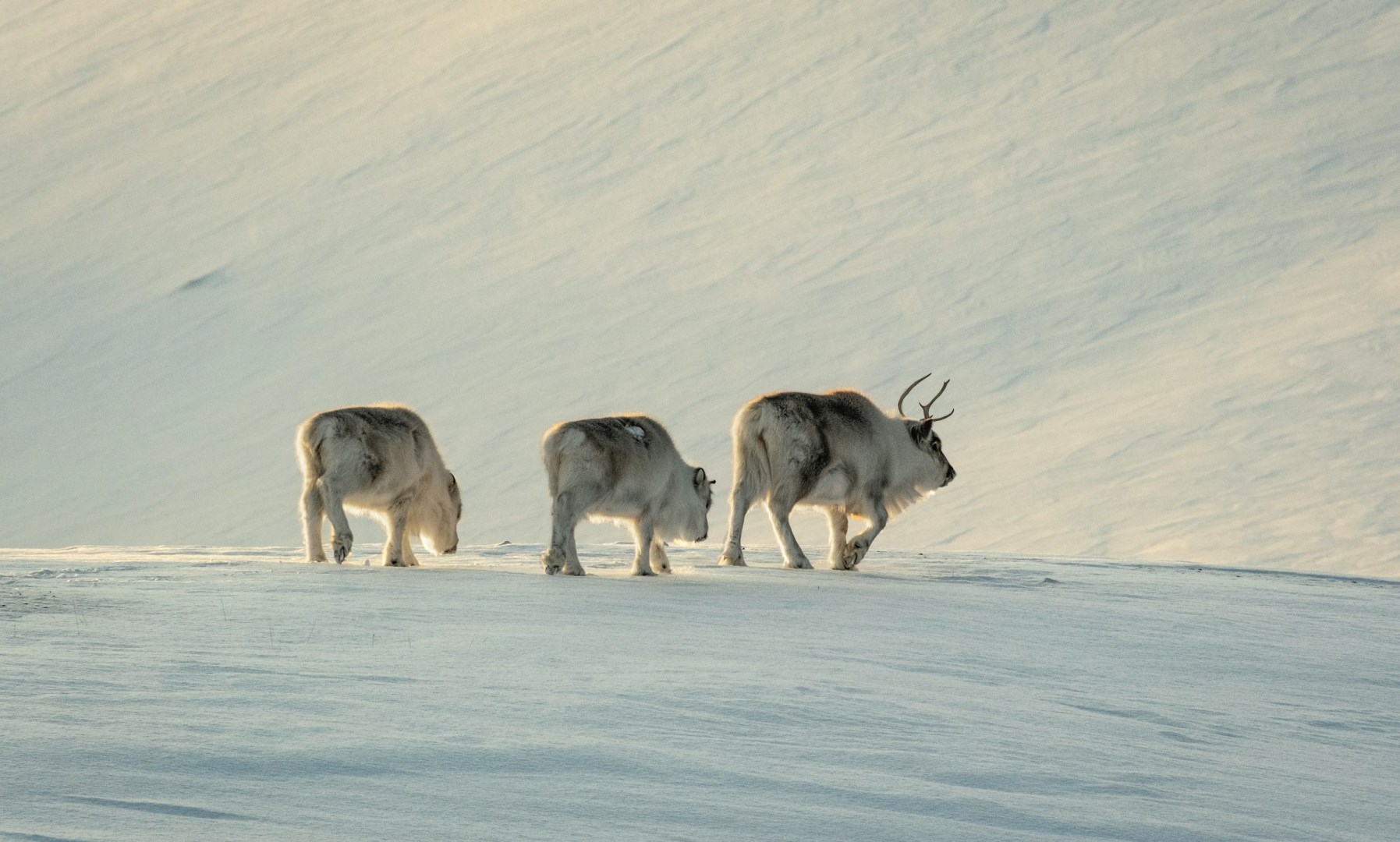
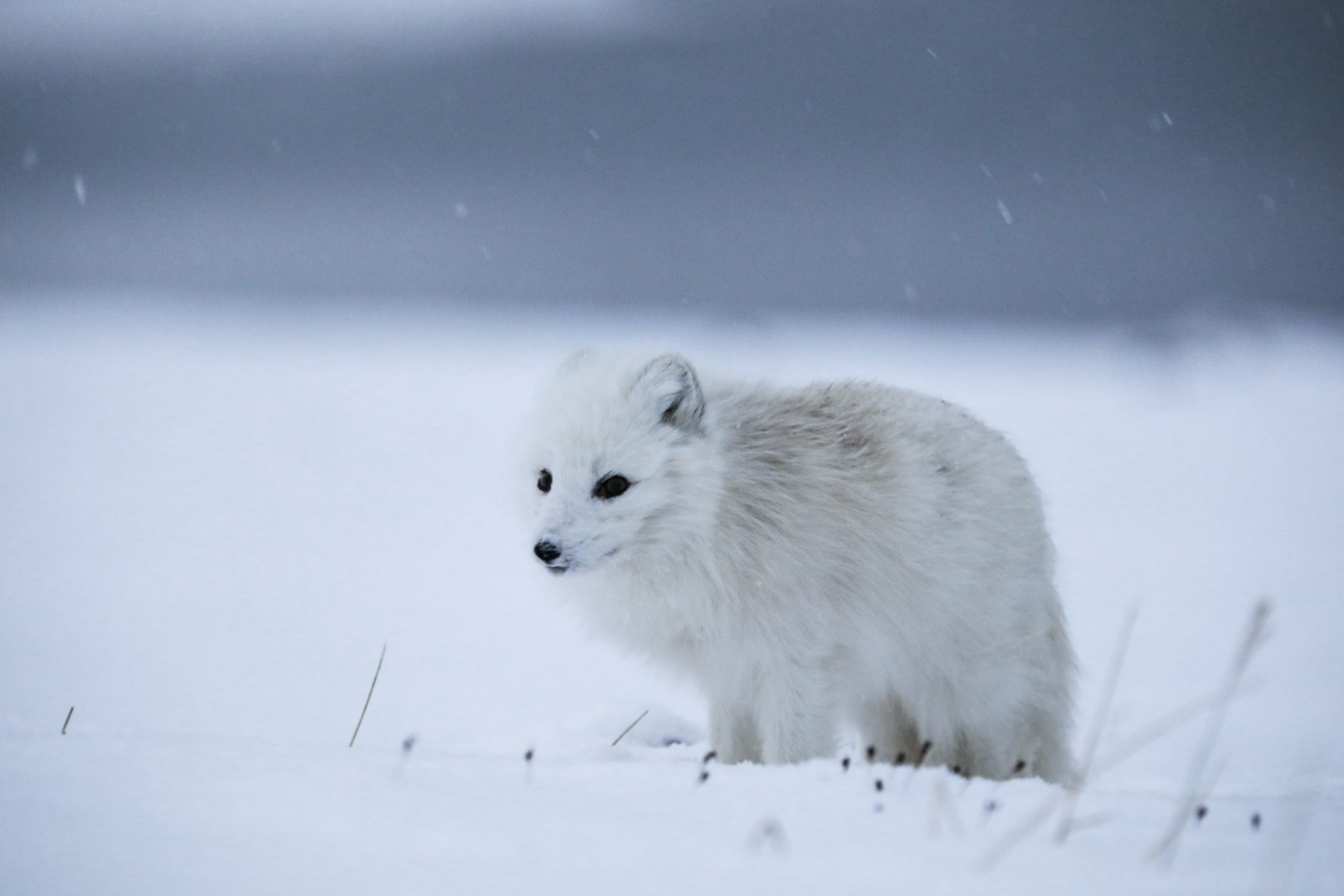
This mountainous archipelago offers magnificent views of stark white glaciers and snowfields, which cover a vast stretch of the region. Arctic flora and fauna fascinate; catch a glimpse of polar bears, reindeer, arctic foxes, and walruses amongst the mossy tundra and icy coasts. In the summer, visitors will witness the rare splendor of Svalbard’s midnight sun.
Other Popular Destinations in Norway
Bergen
Charming Bergen will sweep you away with its picturesque architecture and breathtaking natural beauty. Nestled between stunningly verdant mountains and the winding fjords of the North Sea, this scenic town will delight you at every turn.
Trondheim
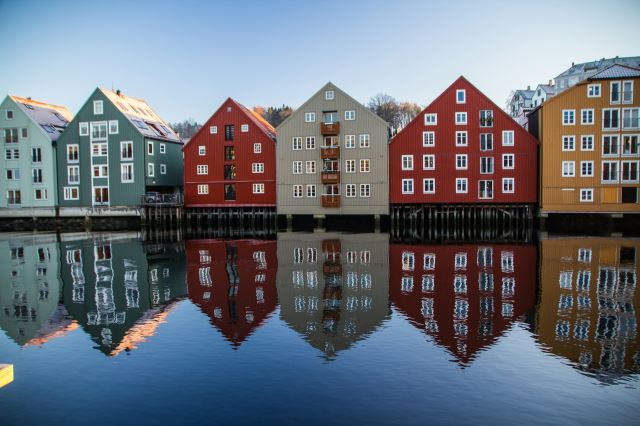
Nestled along the Trondheim Fjord in central Norway, Trondheim offers a captivating blend of rich history and vibrant modern life. As Norway’s first capital, Trondheim boasts a legacy that includes the striking Nidaros Cathedral, an iconic landmark whose construction began in the 11th century.