Kodiak
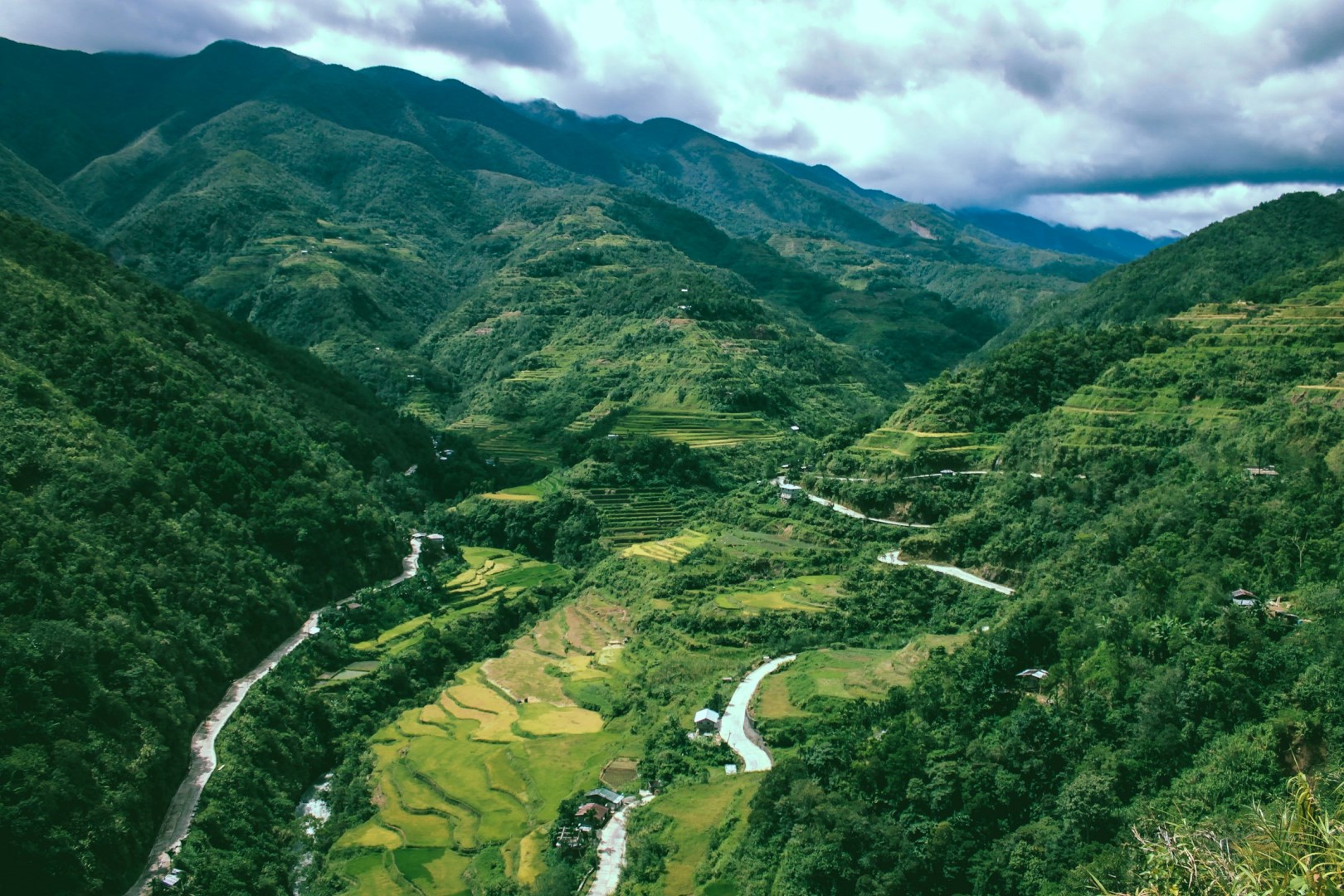
Kodiak Island's primary city, Kodiak is among seven communities on the island. All transportation, whether by ferryboat or aircraft, goes through here.
Kafue National Park
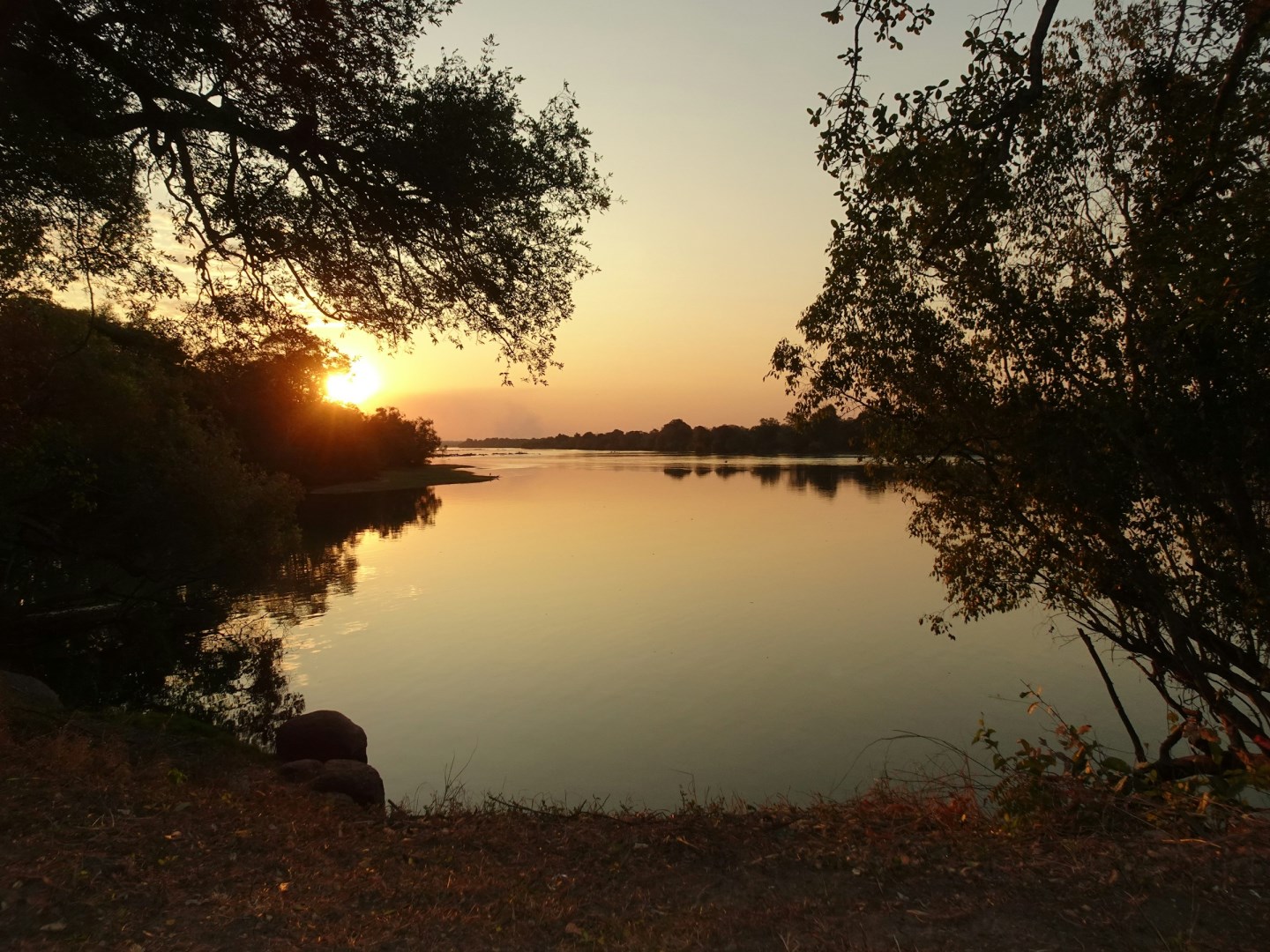
Kafue National Park is in western and central Zambia and is the country’s largest national park, covering about 22,400 square kilometers. The park takes its name from the Kafue River, which runs through the protected area and supports a wide range of wetlands, floodplains, grasslands, and woodland. Much of the park is covered by miombo woodland, while the northern Busanga Plains form extensive seasonal wetlands that become open grassland as floodwaters recede.
Churchill
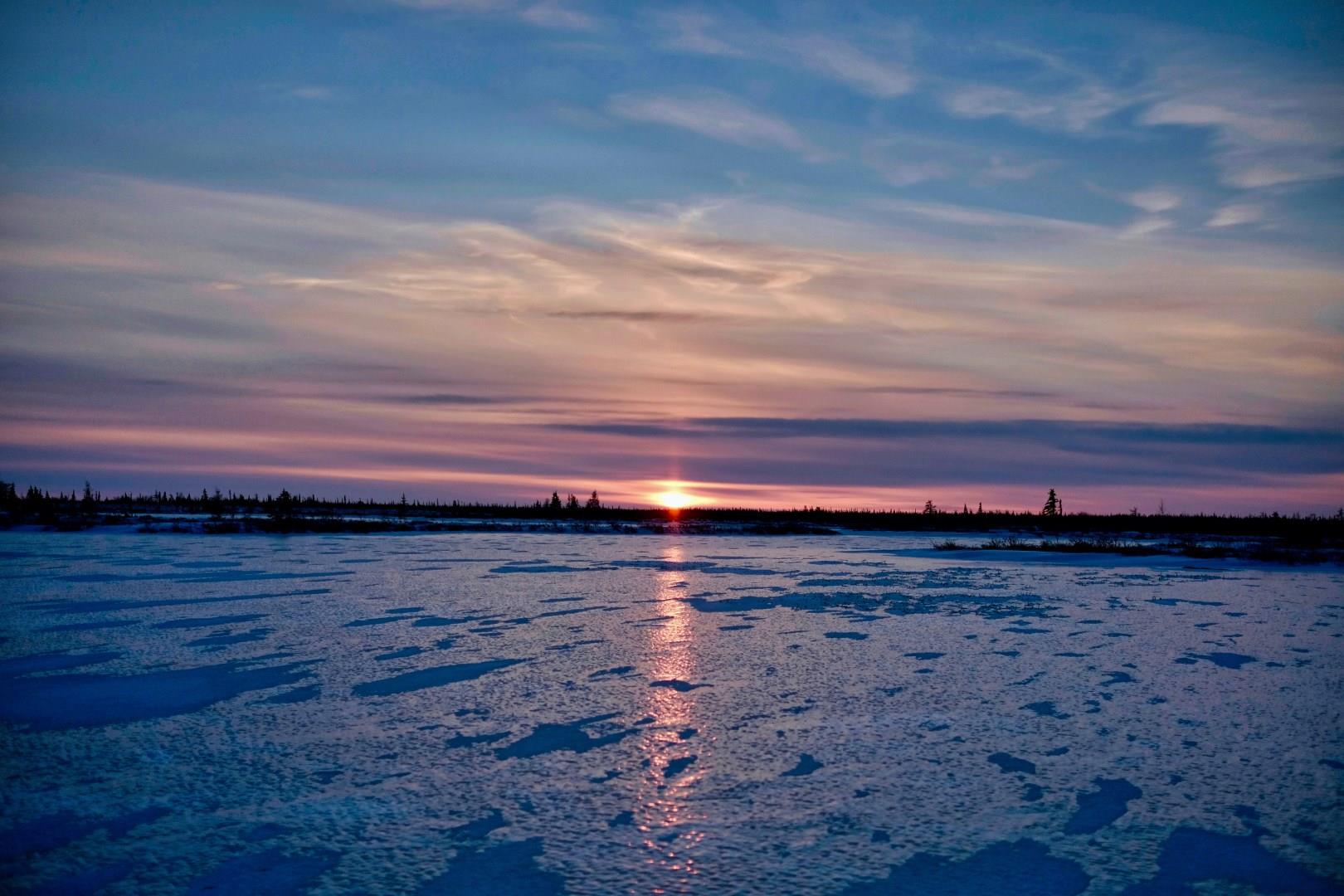
Nestled along the shores of Hudson Bay in northern Manitoba, Churchill is a unique and captivating destination known for its remarkable wildlife and rugged beauty. Often referred to as the "Polar Bear Capital of the World," Churchill offers an unparalleled opportunity to witness these majestic creatures in their natural habitat. Each year, visitors flock to the town from October to November for the polar bear viewing season, when the bears migrate along the coast waiting for the bay to freeze.
Volubilis
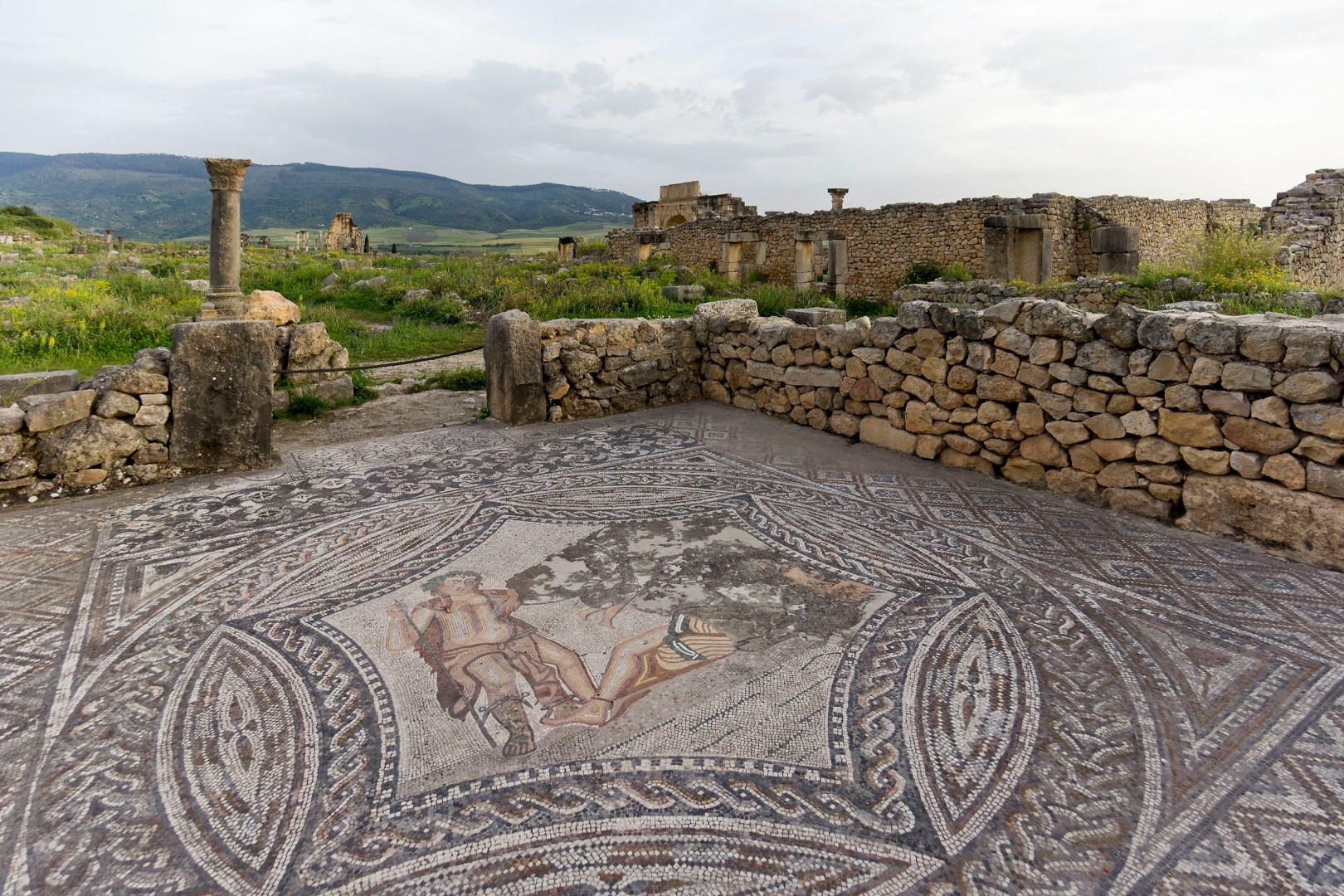
Volubilis is an extensive archaeological site in northern Morocco, located near the pilgrimage town of Moulay Idriss Zerhoun and surrounded by fertile farmland at the foot of Jbel Zerhoun. The ruins represent one of the country’s most important ancient urban sites, with temples, public buildings, residences, defensive walls, and elaborate mosaic floors spread across a broad hillside. Its location overlooking the surrounding agricultural plain helps explain the settlement’s importance.
Redwood National Park
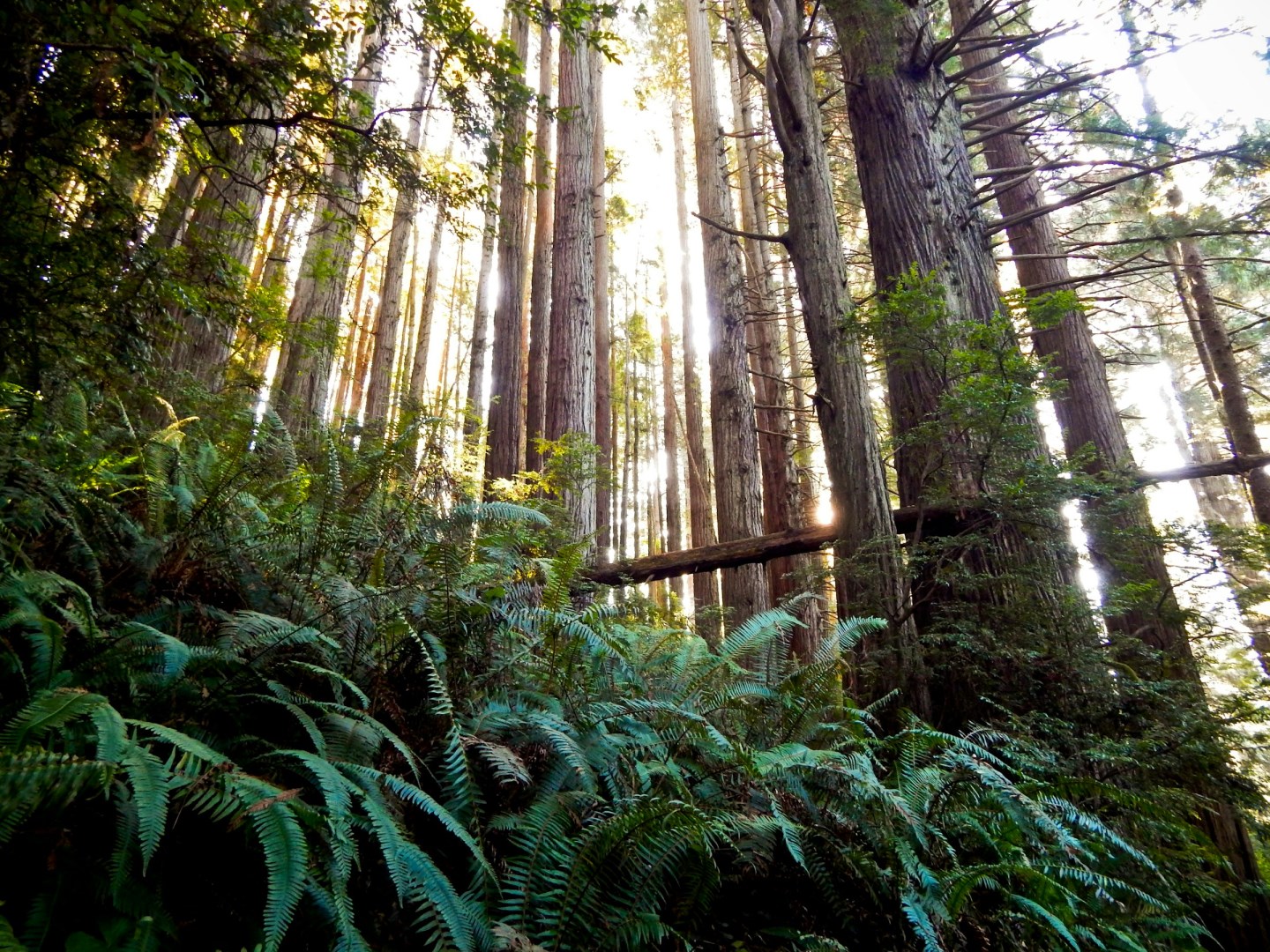
Redwood National and State Parks protect a remarkable coastal landscape in northern California, where ancient redwood forests grow alongside rivers, prairies, wetlands, and the Pacific Ocean. The protected area extends across a series of parks in Del Norte and Humboldt counties, preserving some of the tallest trees on Earth. Dense stands of coast redwoods create shaded forest environments beneath a canopy of towering trunks, while nearby coastal bluffs and beaches provide a striking contrast.