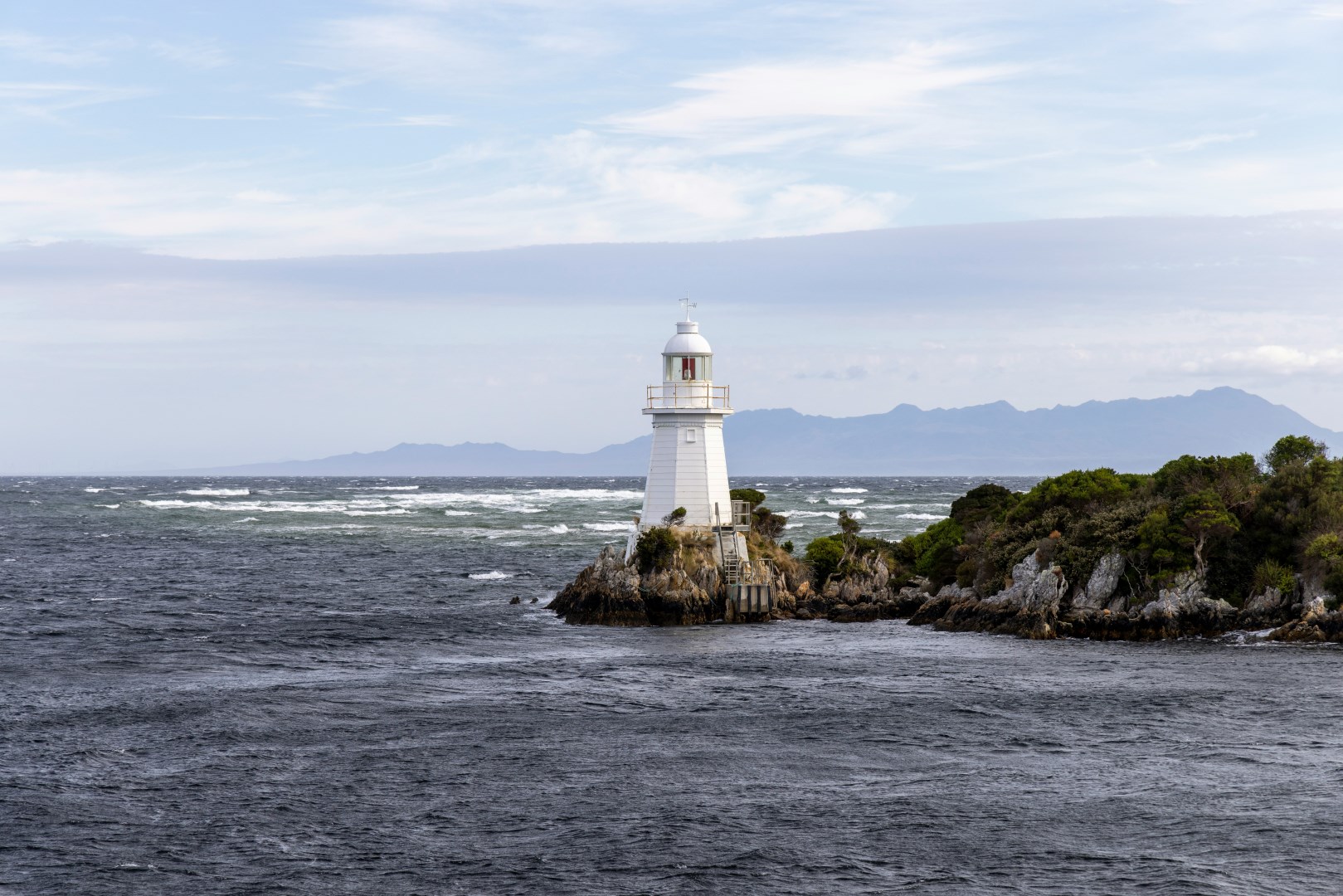
Strahan
Set on the edge of a vast harbor on Tasmania’s wild west coast, Strahan feels like a place shaped by both sea and story. Once a busy port serving nearby mining settlements, it still carries echoes of ships, timber yards, and hardworking crews who relied on the sheltered waters of Macquarie Harbour. Today, that same harbor is the starting point for journeys into remote landscapes, with boats gliding toward places that were once feared as much as they were relied upon.
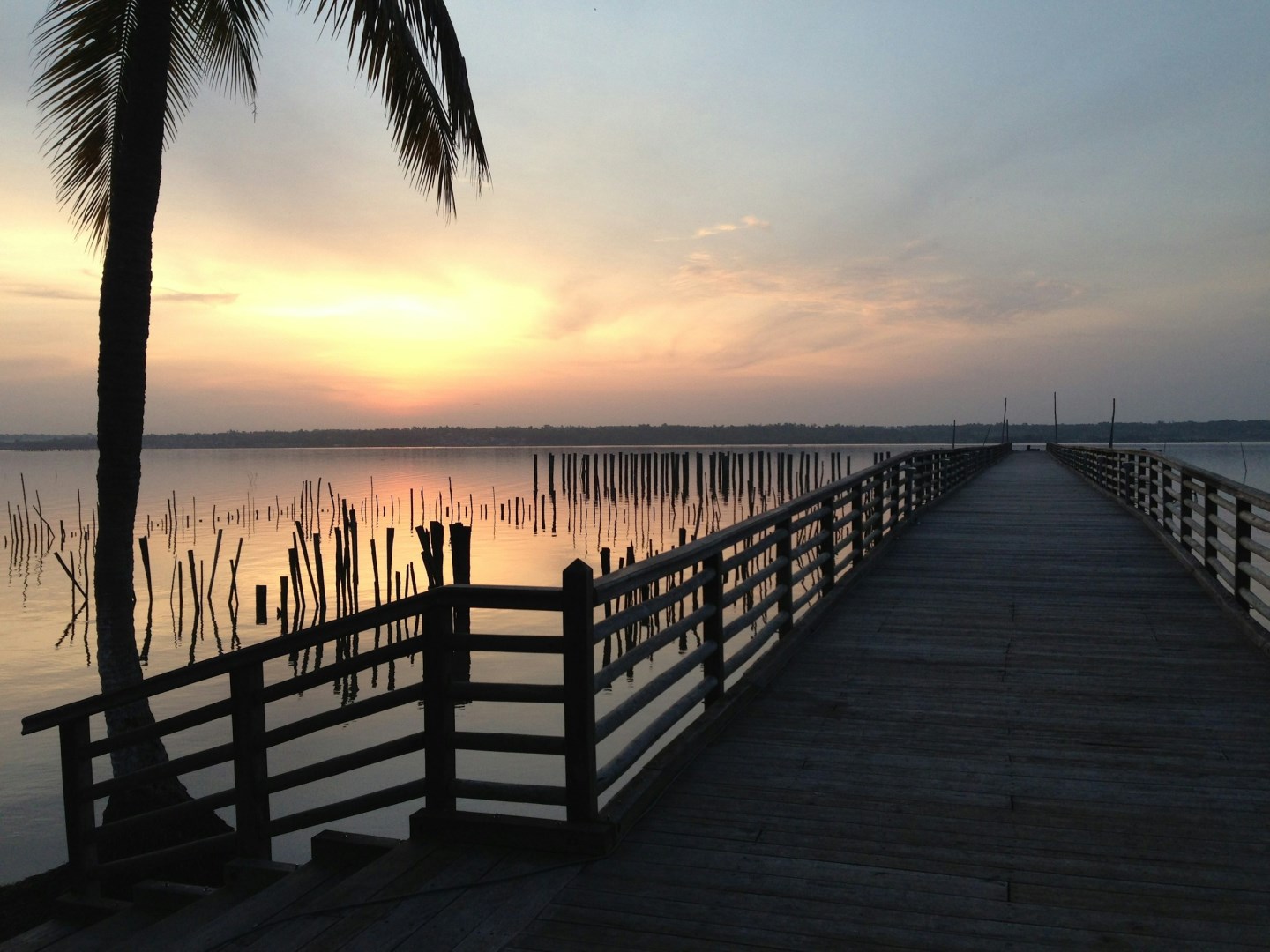
Bopa
Bopa is a lakeside town in southwestern Benin, located in the Mono Department along the shores of Lake Ahémé. The town sits within a landscape of water, wetlands, palm trees, farmland, and low-lying coastal vegetation, with the lake playing an important role in local life. Fishing is a major activity, and traditional boats can be seen operating across the lake and along its shoreline.
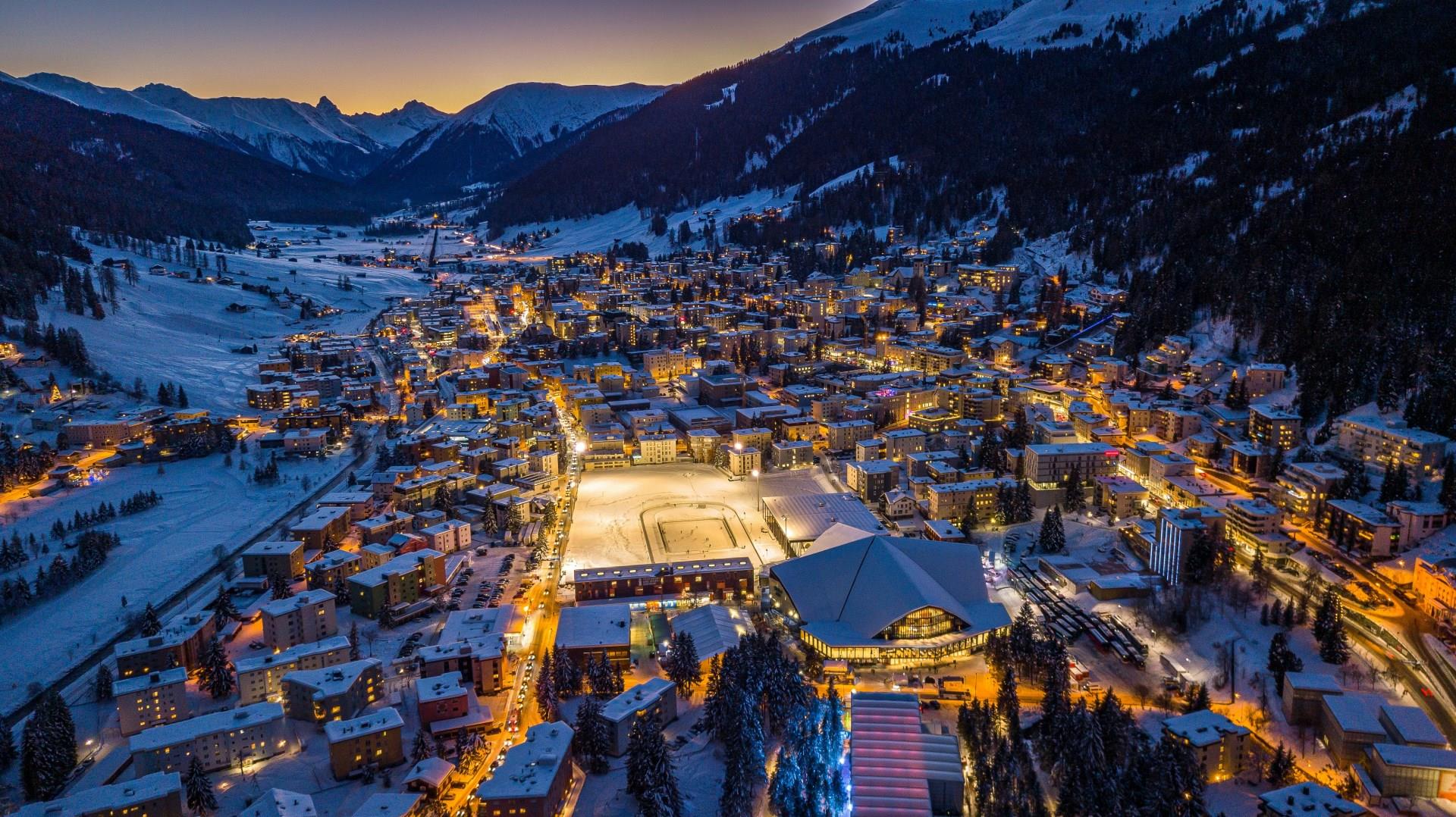
Davos
Davos, located in the Swiss canton of Graubünden, is the highest town in Europe at 1,560 meters above sea level and known for its alpine sports and outdoor activities. In winter, it offers over 300 kilometers of ski slopes shared with neighboring Klosters, along with cross-country trails and Europe’s largest natural ice rink. In summer, the same mountains transform into hiking and mountain biking routes, including the panoramic Jakobshorn and Parsenn areas.
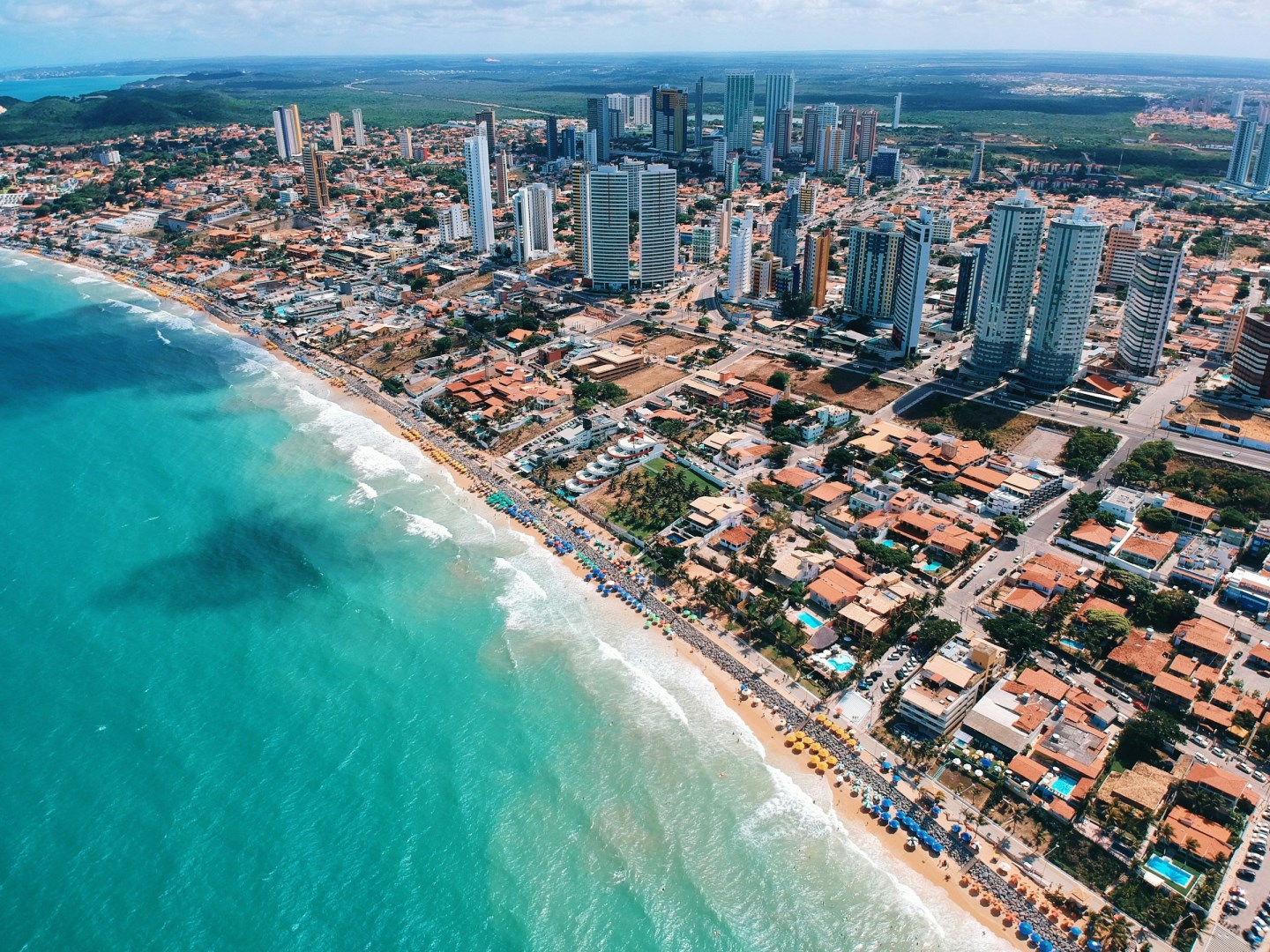
Natal
Thanks to the implementation of a coastal highway in the 1980s and the government's subsequent infrastructure investments, Natal is now the largest city in Brazil's Rio Grande do Norte. Visitors are drawn to its beautiful beaches, white sand dunes and a diverse cultural experience. The city also lays claim to having some of the cleanest air on the continent as well as the world's largest cashew tree, the Cajueiro de Pirangi, which produces roughly 70,000 nuts annually.