Amiens
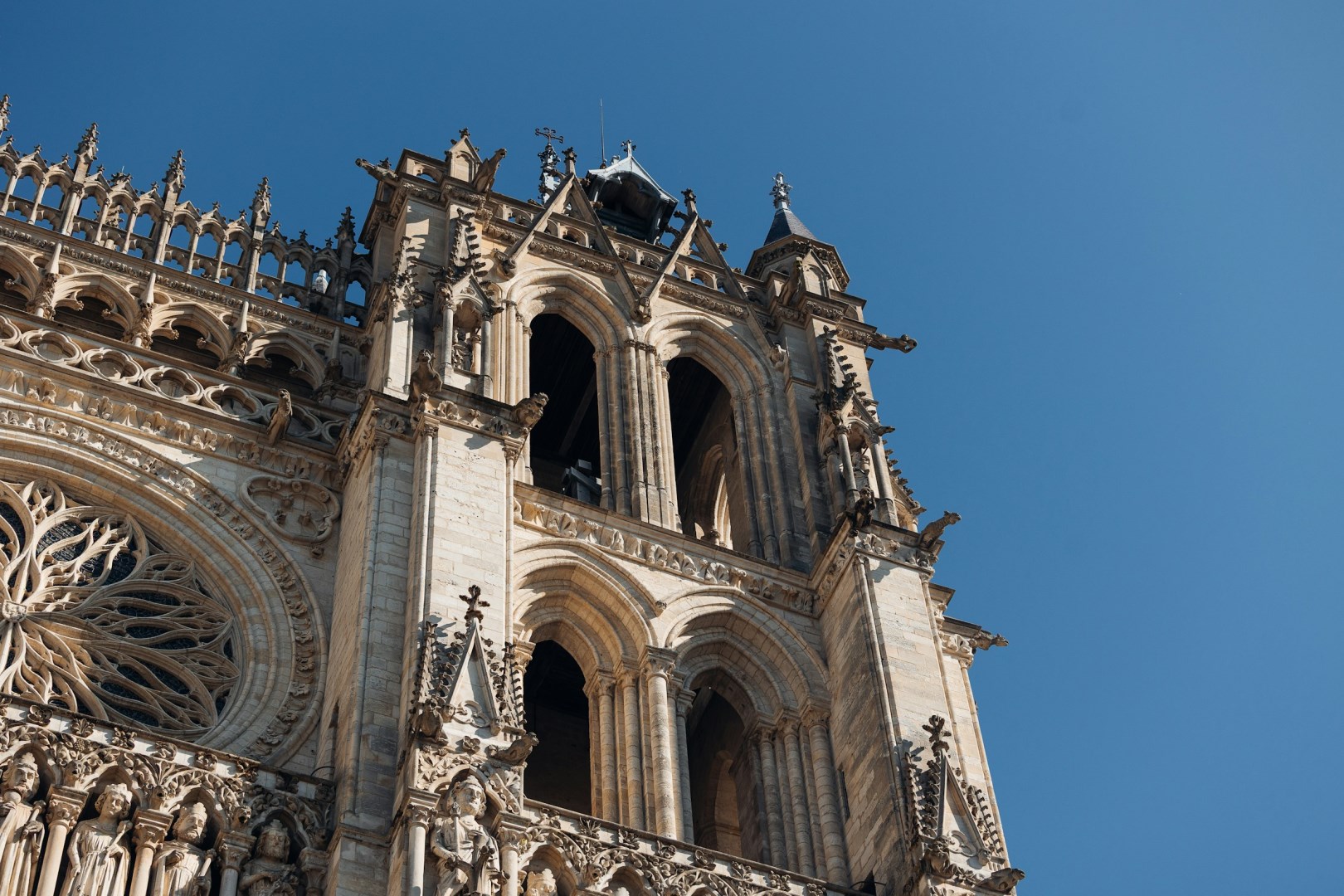
Amiens is a city in northern France and the capital of the Somme department, set along the Somme River amid the Picardy countryside. Its historic centre is dominated by Amiens Cathedral, one of the largest Gothic cathedrals in France and a UNESCO World Heritage Site. Waterways are also central to the city's character, particularly in the Hortillonnages, a network of gardens and canals on former marshland.
Rundu
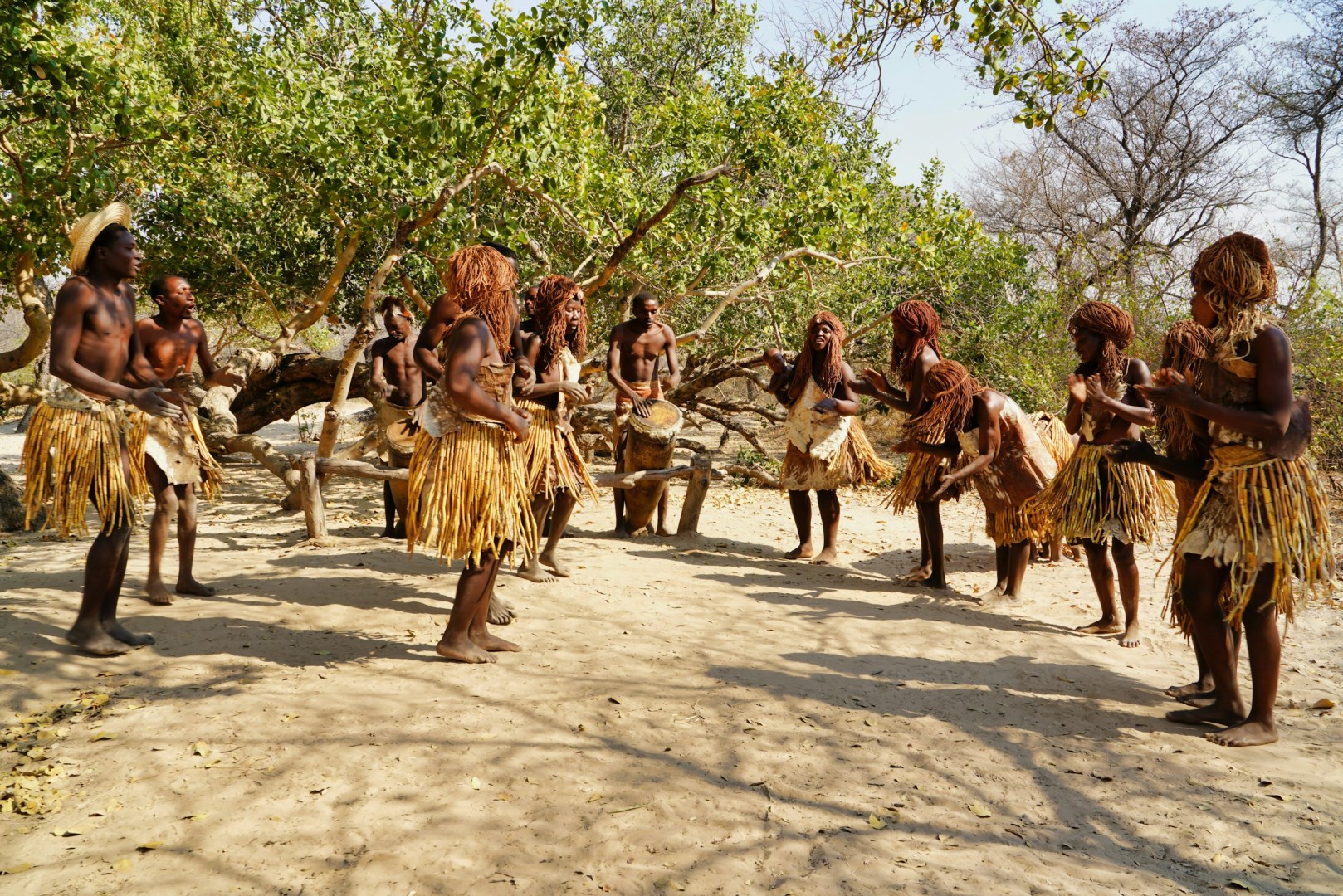
Rundu is the capital of Namibia’s Kavango East Region and a major town on the southern bank of the Kavango River, opposite Angola. Unlike much of Namibia’s dry interior, the area around Rundu is shaped by a permanent river, wooded floodplains, and fertile land used for small-scale agriculture.
Kanab
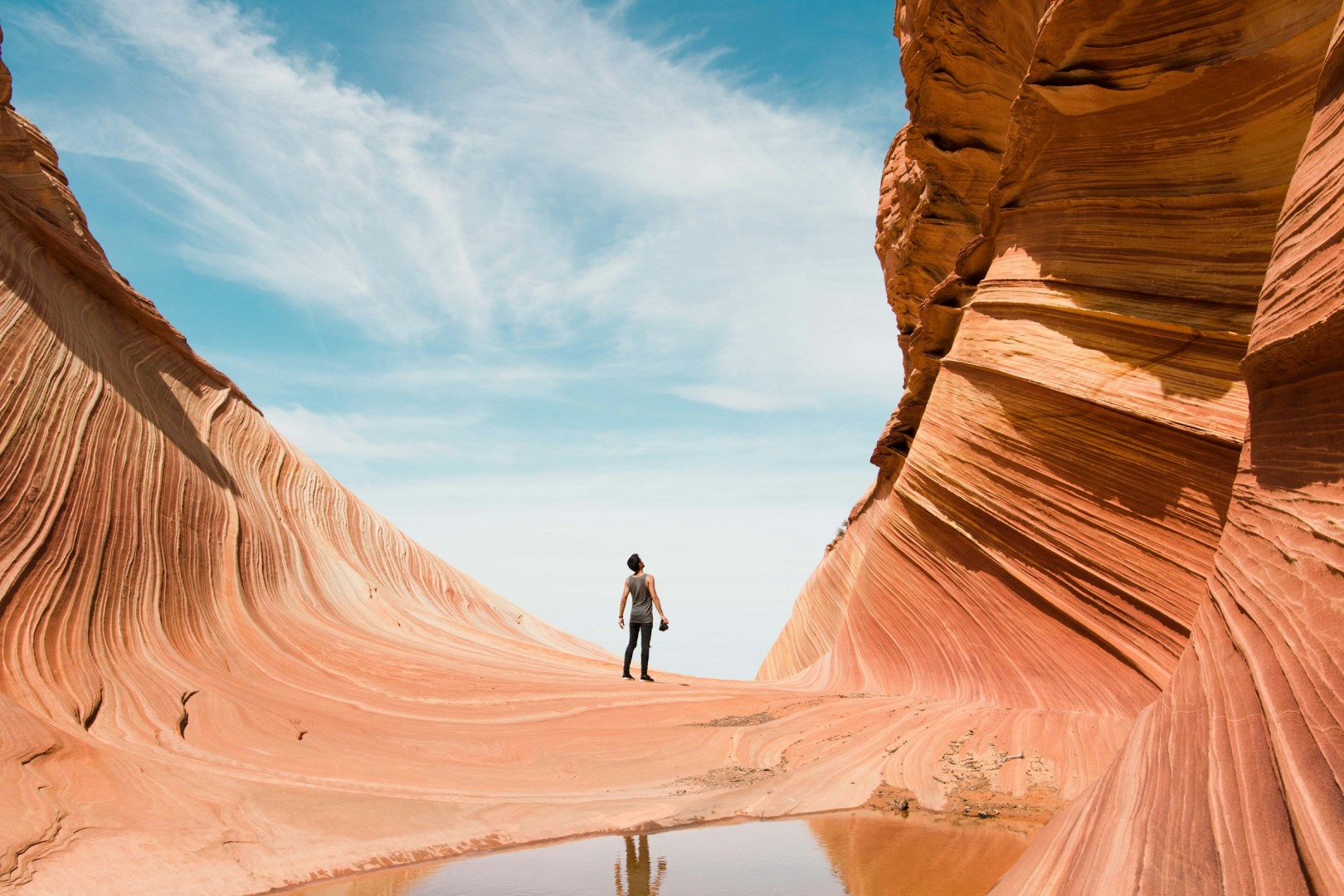
Kanab, located near the southern border of Utah, is the gateway to Bryce and Zion National Parks and has been the location for hundreds of movies.
Viña del Mar
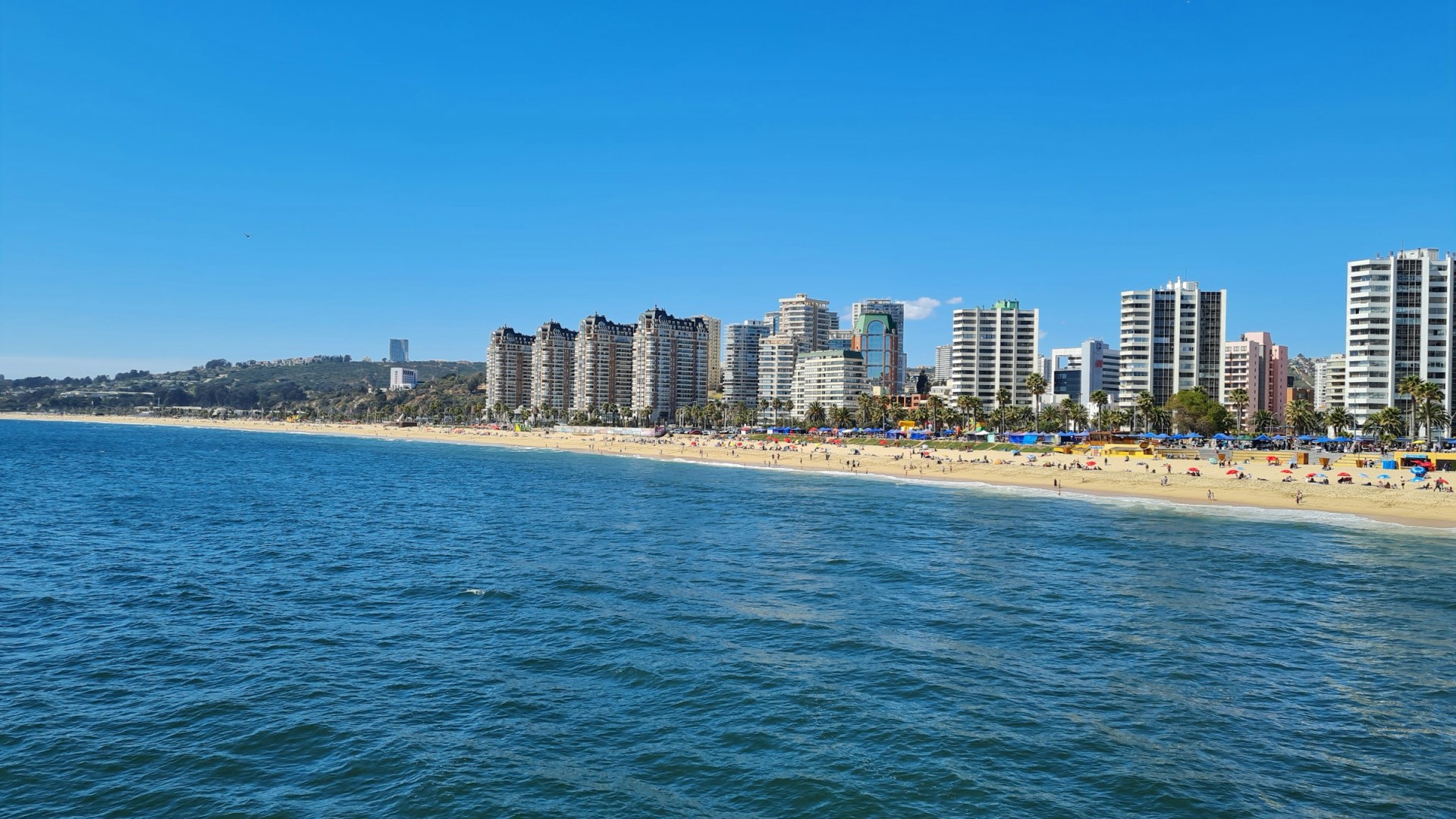
Chile's premier beach resort is only 10km north of Valparaíso, and is popularly known as the Garden City because of its manicured subtropical landscape of palm and banana trees. Horse-drawn carriages trot past attractive turn-of-the-century mansions on both river and beach frontages. Other attractions are the white-sand beaches, numerous parks and notable museums housed in restored mansions. The town is also the home of Chile's national botanical garden, comprising 61 hectares of native and exot

Garden of the Gods
Garden of the Gods, located in Colorado Springs, is a breathtaking natural wonder renowned for its stunning red rock formations and striking geological features. This public park is famous for its towering sandstone spires, some reaching heights of over 300 feet, which create a dramatic contrast against the backdrop of the snow-capped Pikes Peak.