Puerto Plata
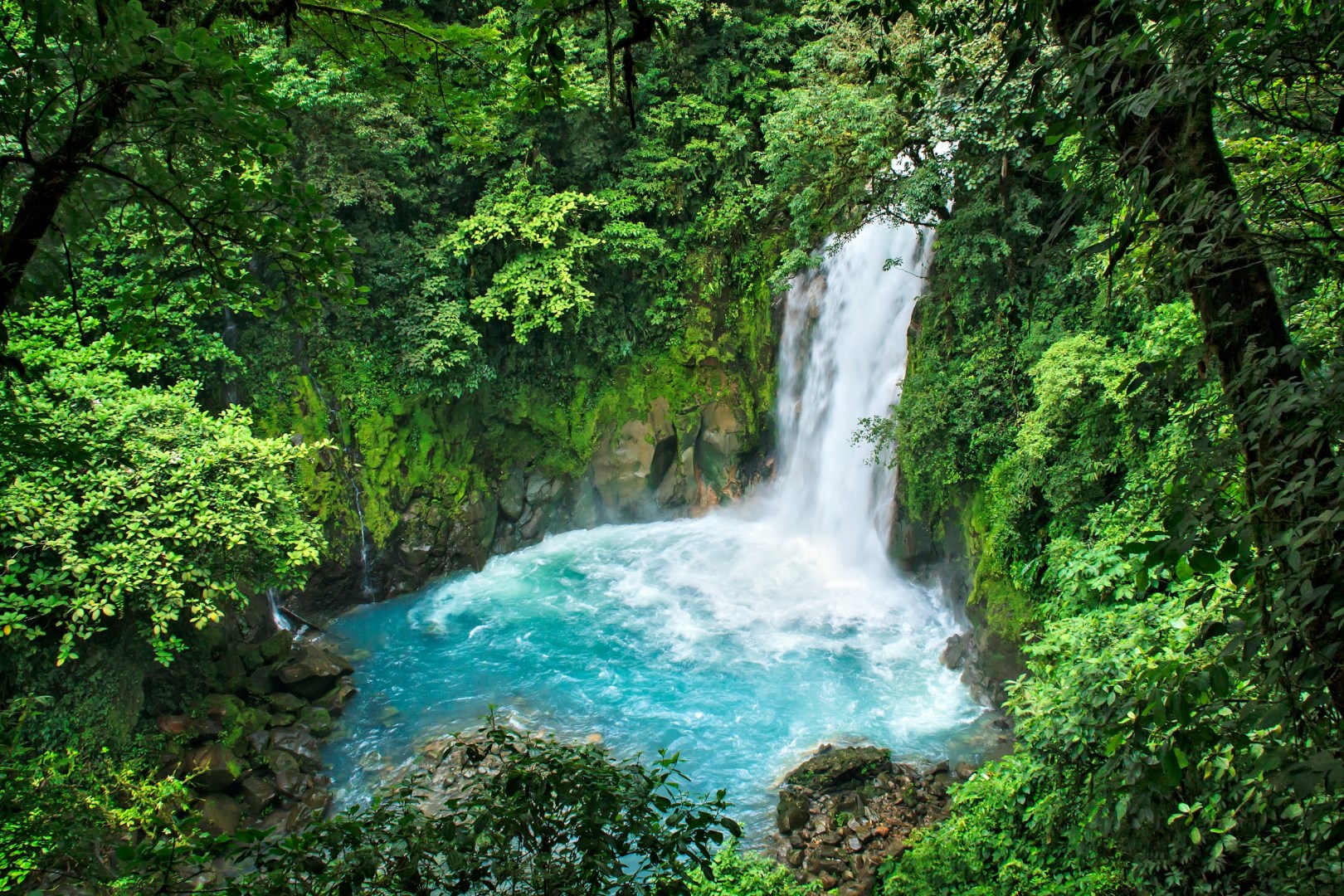
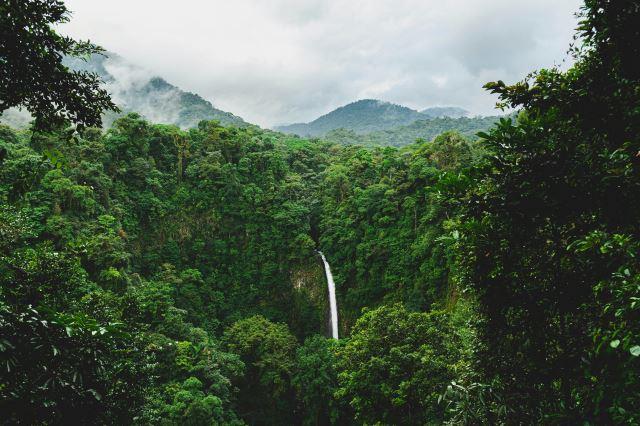
Puerto Plata, located on the Dominican Republic's northern coast, is the perfect tropical getaway for your next trip to the Caribbean! From Acapulco Beach to Playa Dorada, sandy beaches and warm turquoise waves are the highlight of this sunny destination.
Vieques
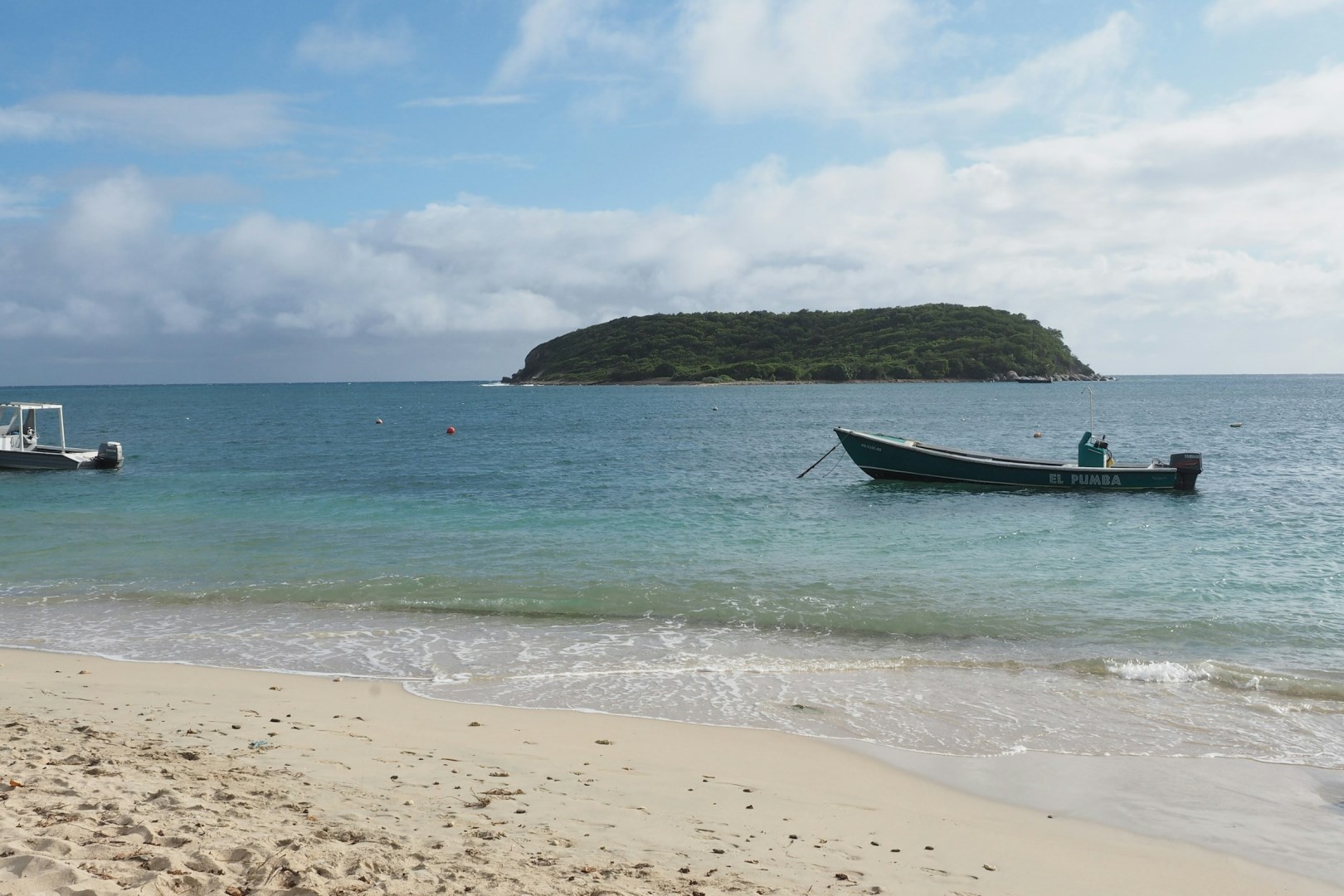
Vieques Island is found in the northeastern Caribbean, roughly 8 miles east of the Puerto Rican mainland. Its beaches are commonly acknowledged as some of the Caribbean's best. The Bioluminescent Bay is especially alluring given the undeveloped nature of the island.

Kochi
Kochi (formerly Cochin), is a port city on the southwest coast of India and is a frequent stop for cruise ships. Known as the "Gateway to Kerala," Kochi's beaches, delectable seafood, expansive malls, historical sites, and museums make it a popular tourist destination.

Taif
Taif, situated in the mountains of western Saudi Arabia, is a city renowned for its cooler climate, lush landscapes, and historical significance. Nestled at an elevation of around 1,700 meters, it has long served as a summer retreat from the intense heat of the surrounding desert, attracting visitors to its gardens, orchards, and scenic viewpoints.
Columbus
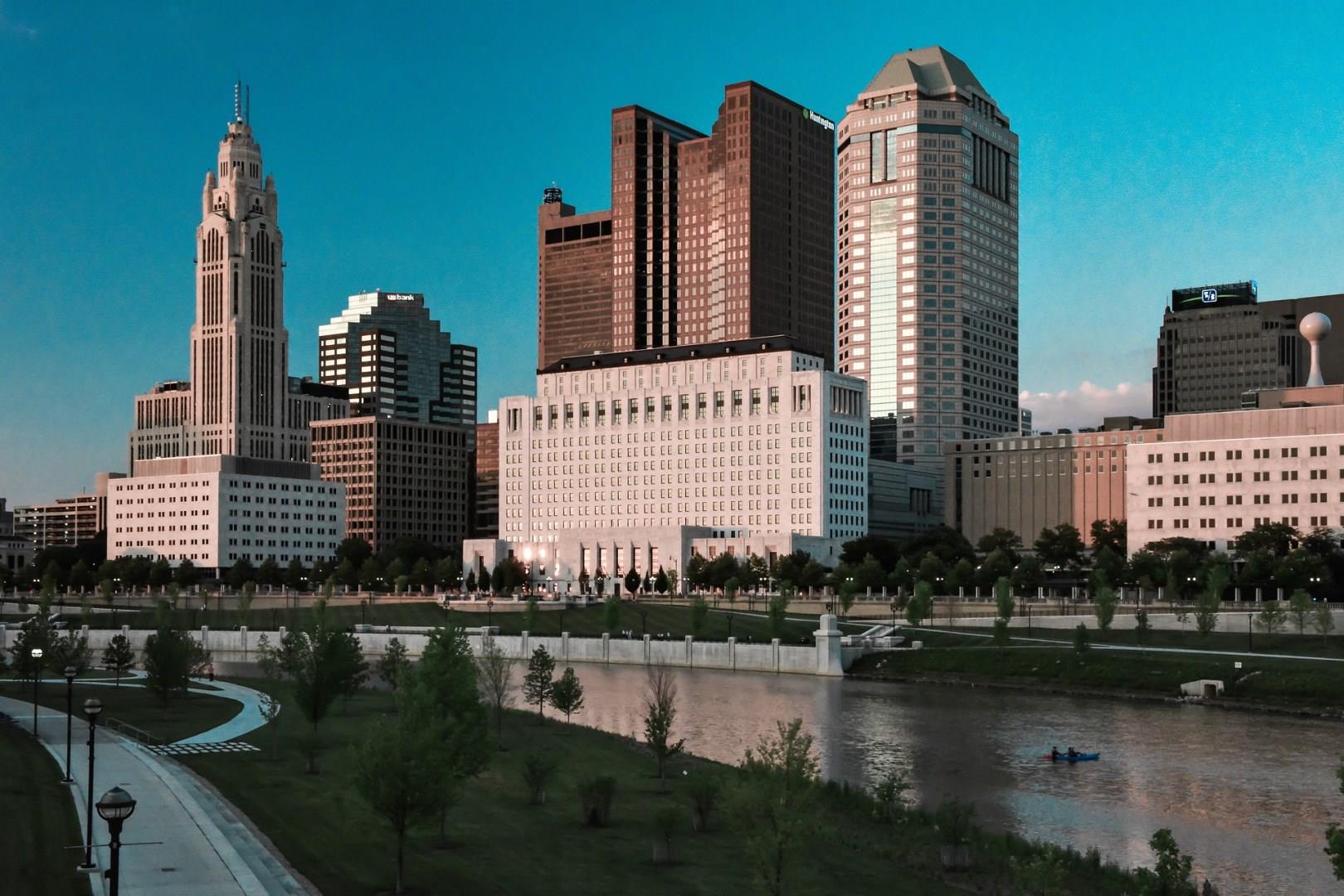
Columbus, city and seat of Muscogee County, western Georgia, a port at the head of the Chattahoochee River, opposite Phenix City, Alabama. Columbus is a regional transportation, trade, cultural, and manufacturing hub. Its many textile, food-processing, and metalworking industries are powered by hydroelectric plants on the Chattahoochee River.