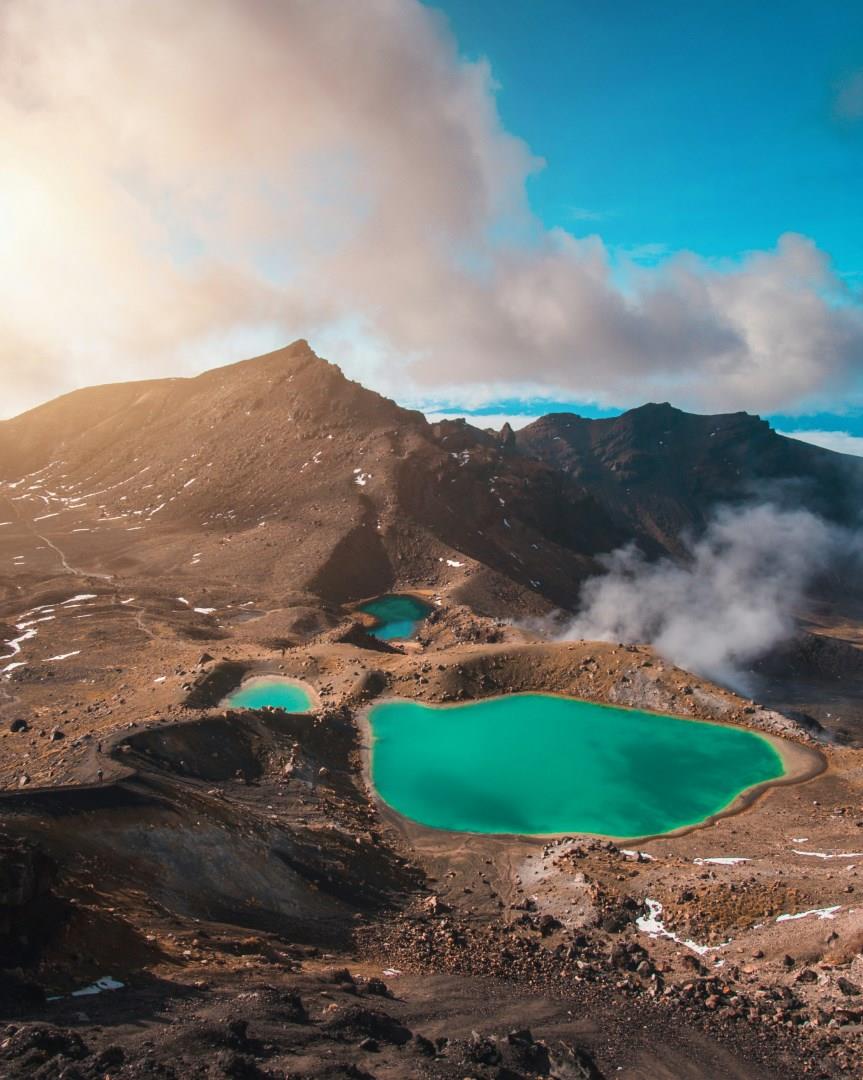
Tongariro National Park, on New Zealand’s North Island, holds deep cultural meaning as well as striking geological presence. It was the country’s first national park, gifted to the nation by Ngāti Tūwharetoa chiefs in the 19th century, establishing a model that tied conservation to Māori guardianship. The volcanic peaks of Tongariro, Ngāuruhoe, and Ruapehu are considered ancestors, giving the landscape a living cultural identity rather than a purely scenic one.
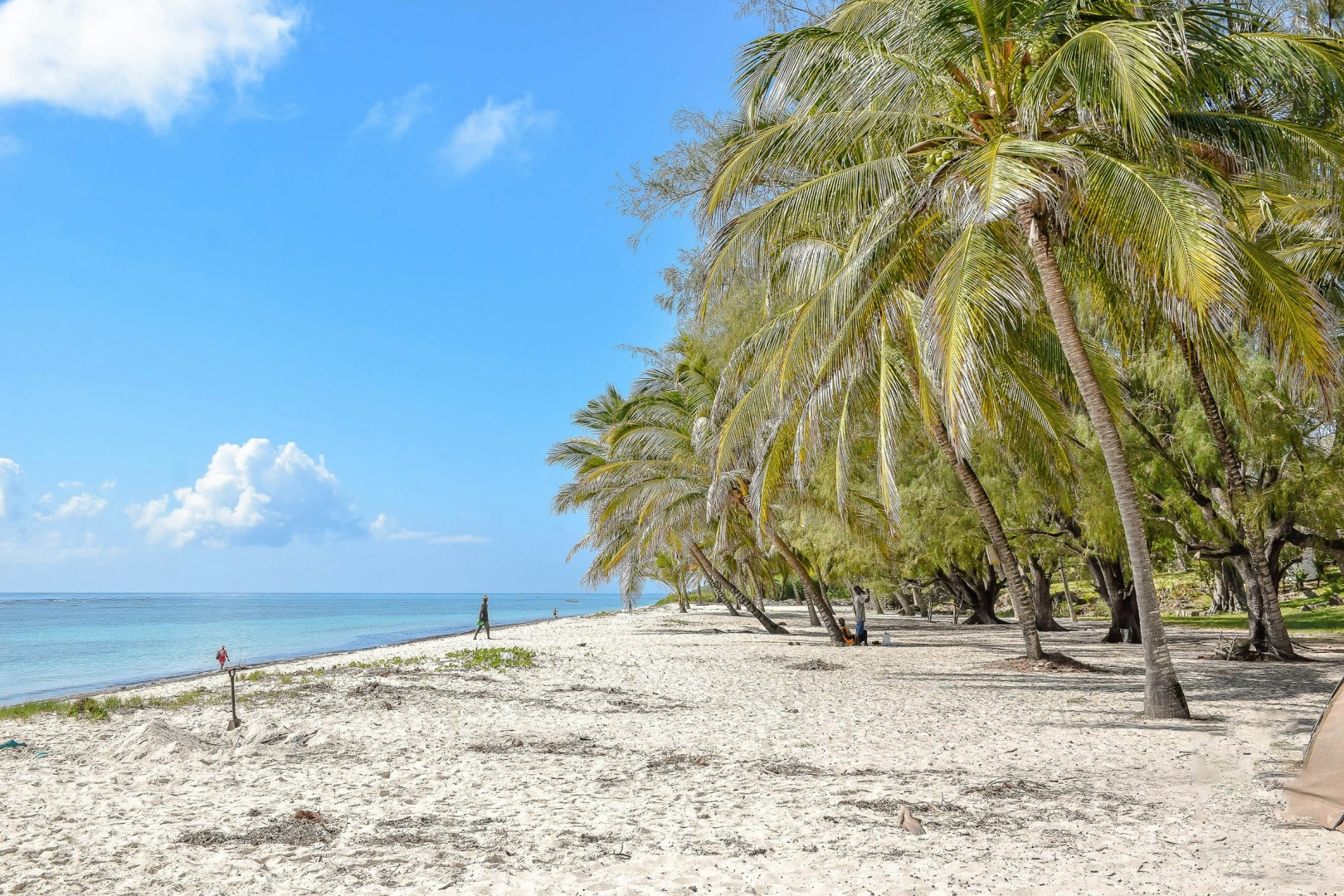
Mombasa, Kenya’s vibrant coastal city, offers a blend of rich history, diverse cultures, and stunning beaches. As Kenya's second-largest city and its principal port, Mombasa has been a crucial crossroads for trade and culture for centuries. The historic Fort Jesus, a UNESCO World Heritage site, stands as a testament to the city's colonial past.
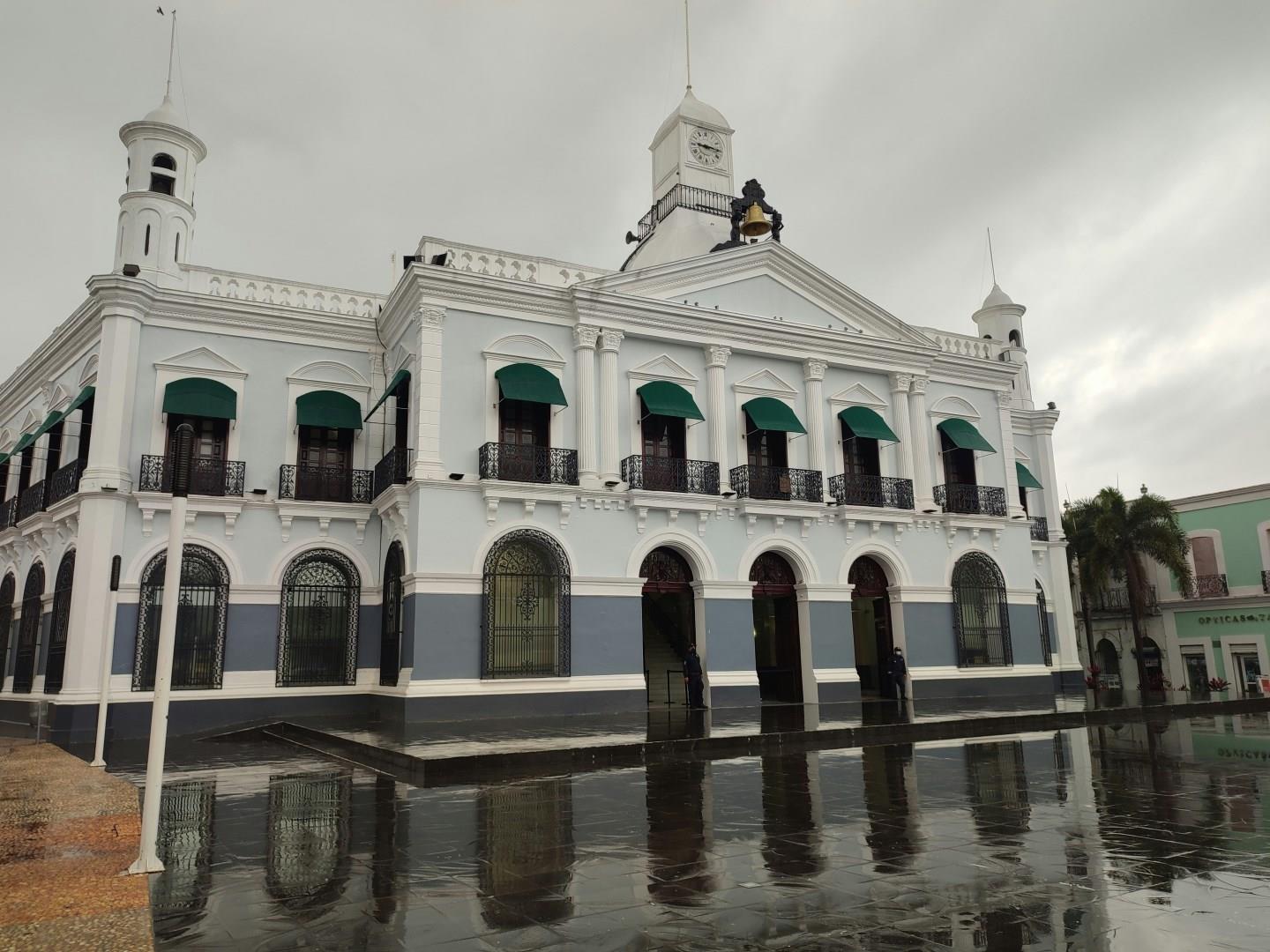
Villahermosa, the capital of Tabasco, is a city where ancient civilizations, tropical landscapes, and modern life intersect. Known as the “gateway to the Mayan world,” the city sits on the banks of the Grijalva River and serves as a cultural hub for southeastern Mexico. One of its most unique attractions is Parque-Museo La Venta, an open-air museum that blends archaeology with a jungle setting.
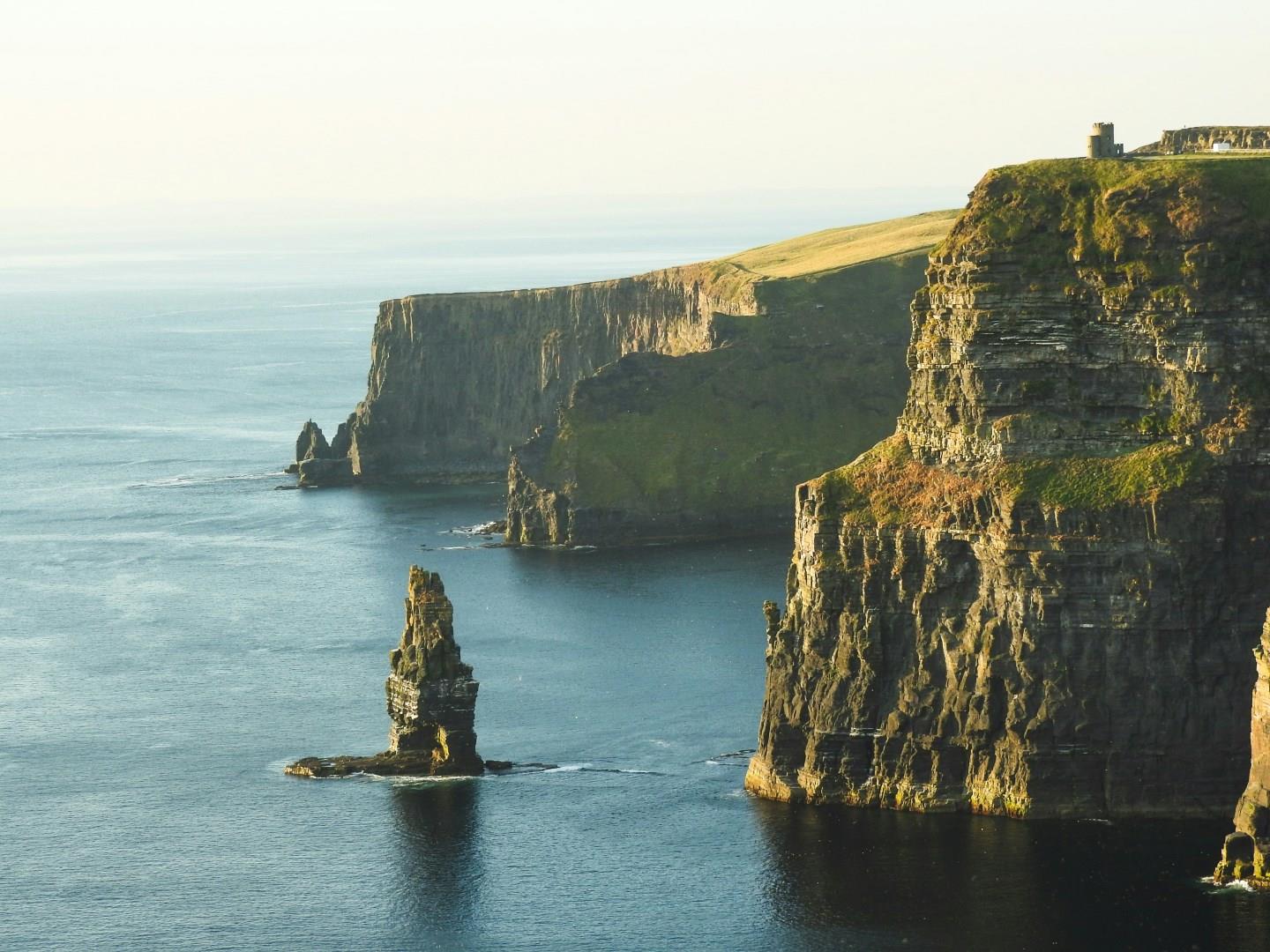
The Cliffs of Moher rise dramatically from the Atlantic Ocean, stretching for about 8 kilometers along Ireland’s western coast in County Clare. At their highest point near O'Brien's Tower, the cliffs reach 214 meters, offering uninterrupted views of the Aran Islands, Galway Bay, and the craggy peaks of Connemara on a clear day. These ancient sea cliffs have stood for over 300 million years and remain one of the most visited and photographed sites in Ireland.
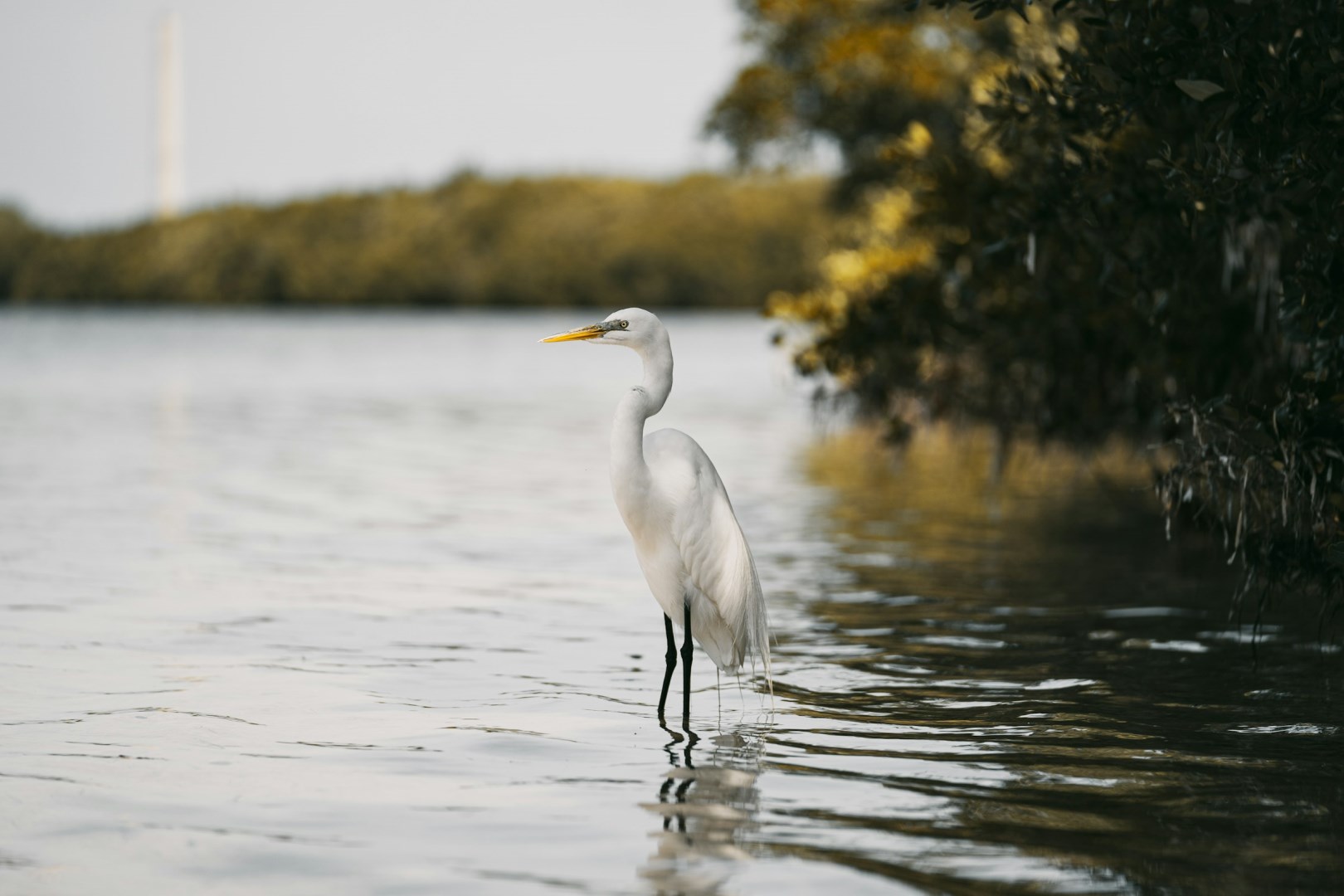
Tarpon Springs has beautiful residential areas that are a mixture of new subdivisions and old mansions that are clustered around saltwater bayous and other waterways. There is plenty to see and do from deep sea fishing, championship golf to antiquing and enjoying spectacular sunsets on the Gulf of Mexico.
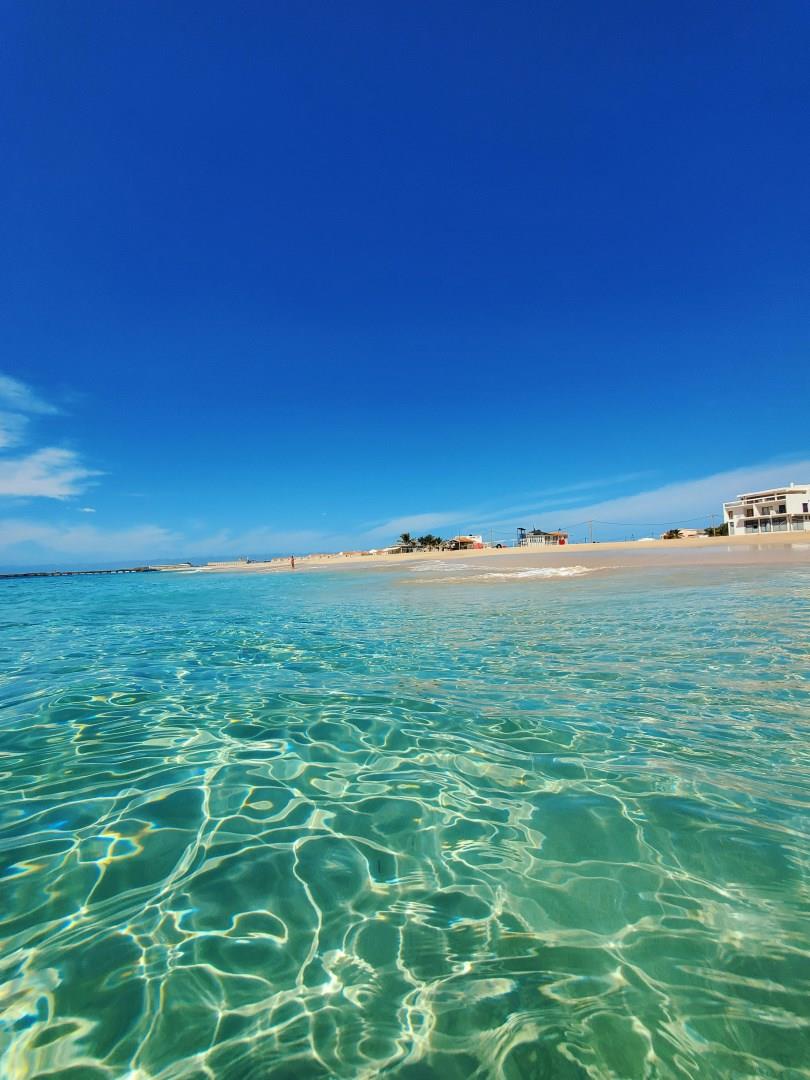
Photo Credit: Photo by Victor Svistunov on Unsplash
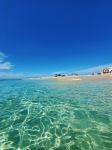
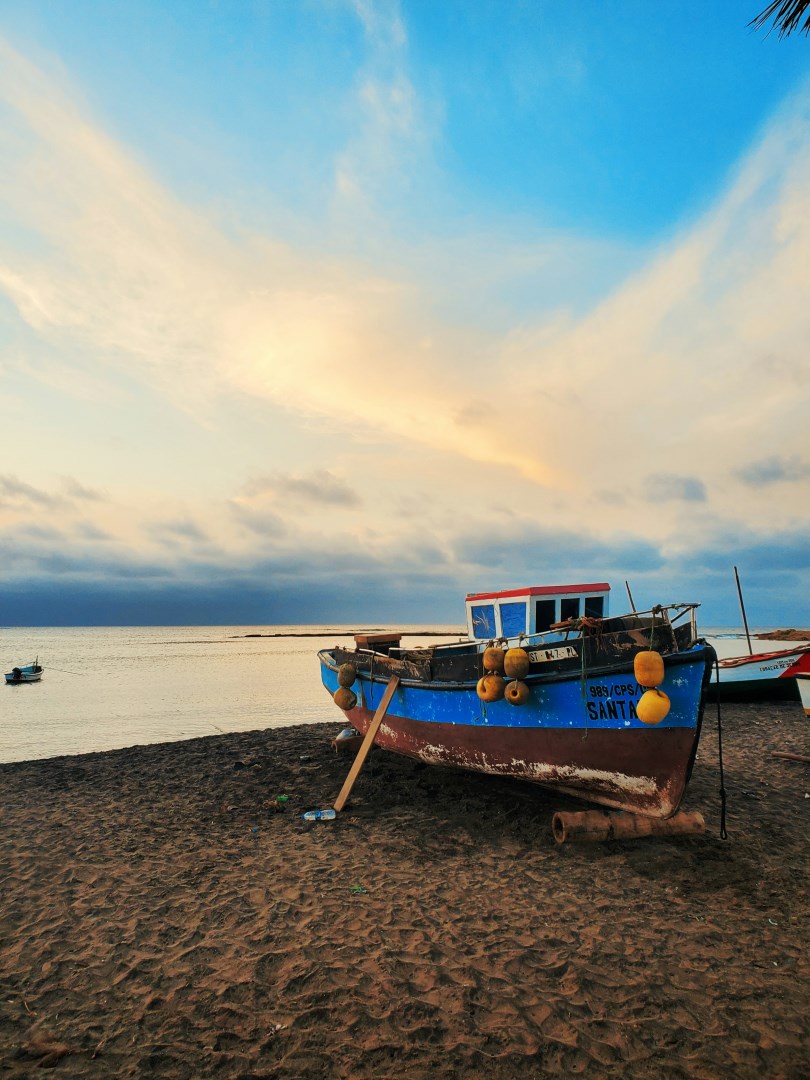
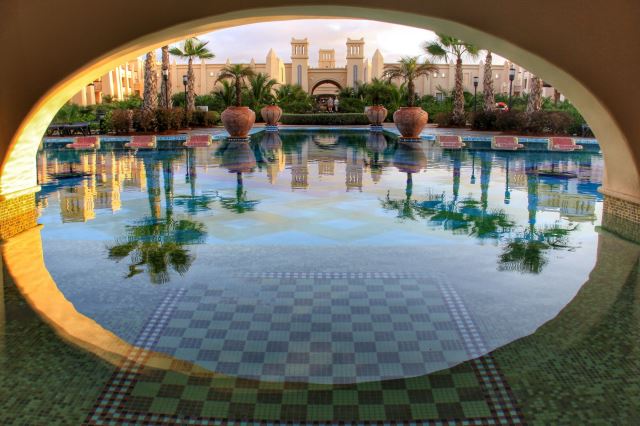
Maio, one of Cape Verde's hidden gems, offers a serene escape with its unspoiled landscapes and charming island atmosphere. This tranquil island, part of the Cape Verde archipelago, is renowned for its stunning beaches and laid-back vibe. The white sandy shores of Praia do Morro, with its crystal-clear waters and gentle waves, provide the perfect setting for relaxation and sunbathing, while the surrounding salt pans showcase Maio's historical role in the salt industry.
Cultural and natural exploration awaits in Maio's diverse landscape. The island is dotted with traditional villages that offer insights into local life and customs. The vibrant Festa de São João in the town of Vila do Maio is a highlight, featuring lively music, dance, and local cuisine that capture the island’s rich cultural heritage. Maio’s arid interior is also an intriguing area to explore, with its unique flora and fauna and the impressive Monte d'Igreja offering panoramic views.
For the adventure-seeker, Maio’s landscape provides opportunities for hiking and exploring its diverse terrain. The island's quiet nature reserves and remote beaches are ideal for those looking to escape the more crowded tourist spots and immerse themselves in nature. Trekking through the island’s rugged hills and dunes offers a chance to witness rare bird species and endemic plant life.
Fun Fact: Maio is the least populated of Cape Verde's islands, making it a pristine retreat where you can enjoy the untouched beauty of the Atlantic Ocean without the bustle of heavy tourism.
Other Popular Destinations in Cape Verde
Sao Vicente
Sao Vicente, one of Cape Verde’s most vibrant islands, is full of beautiful coastal scenery. Laginha Beach, just a short walk from the island's main city, Mindelo, is perfect for relaxing by the turquoise waters, while Sao Pedro Beach is known for its strong winds, making it a popular spot for windsurfing. For those who enjoy hiking, Monte Verde provides panoramic views of the island’s landscapes.
Boa Vista
Boa Vista is an island in Cape Verde known for its broad sandy landscapes, volcanic terrain, and long Atlantic coastline. It is the easternmost of the Barlavento islands and has a relatively dry climate, with much of its interior covered by open plains, dunes, and rocky ground. Sal Rei, the island’s main town, sits beside a sheltered bay and serves as its principal commercial centre.