Tarragona
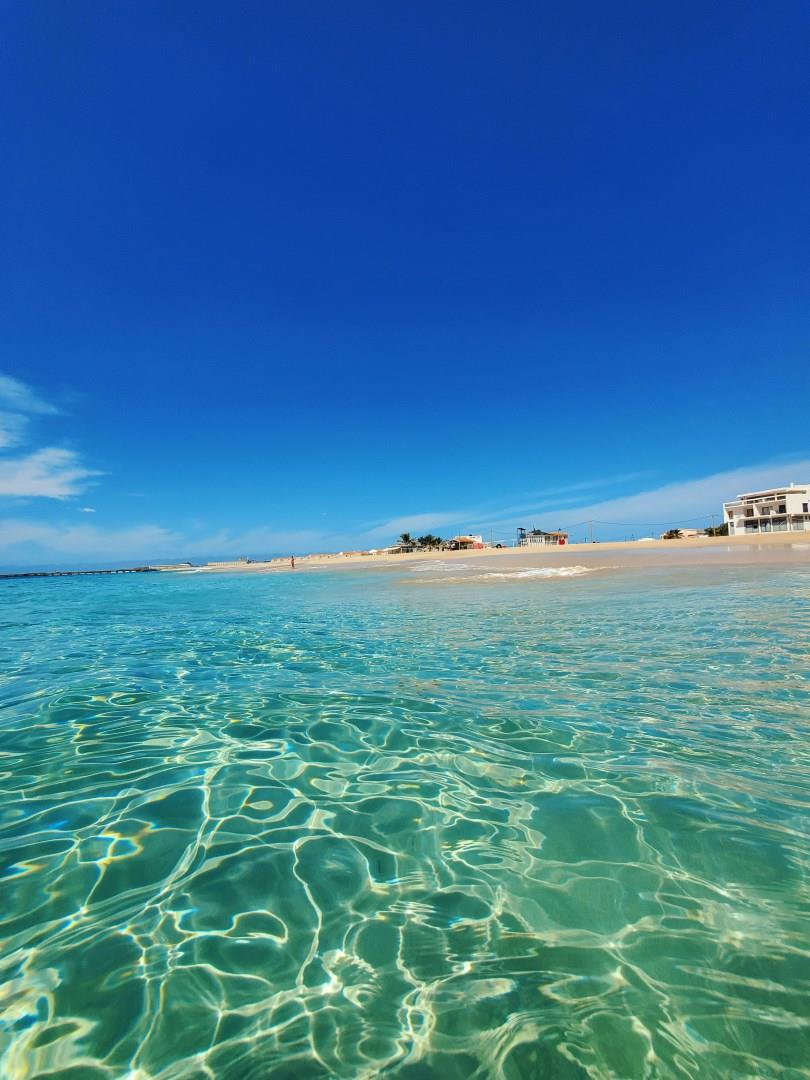
The Port of Tarragona is located in one of the most active economic areas of the Spanish Mediterranean, where the main petrochemical complex of the Spanish State is located.

Baja California Sur
Baja California Sur is state located in Northwestern Mexico, on the Baja California peninsula. The capital is La Paz. The area is lightly populated. Tourism is the economic mainstay of this region, centered around the beach resort area, Los Cabos. Sport fishing is a major attraction, as well as having some of the best beaches Baja has to offer.

Nakuru
Nestled in Kenya's Rift Valley, Nakuru is a city that captivates with its stunning natural beauty and vibrant wildlife. The city is renowned for Lake Nakuru National Park, a UNESCO World Heritage Site known for its extraordinary flocks of flamingos that once numbered in the millions. Although flamingo populations fluctuate, the lake remains a sanctuary for other bird species and wildlife, including black and white rhinos, giraffes, and lions.
Sao Paulo
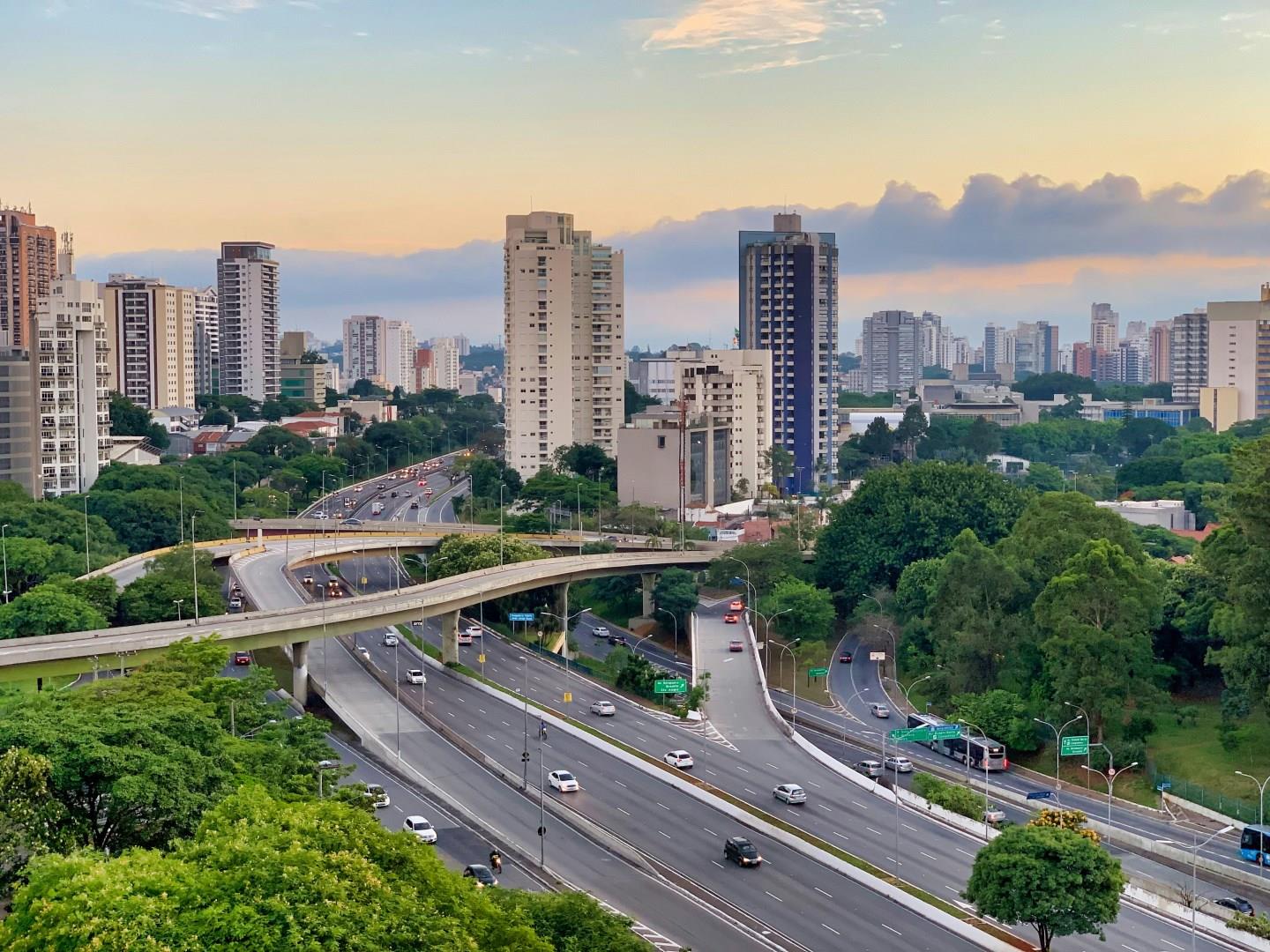
Sao Paulo is Brazil’s largest city and its economic engine, shaped by waves of migration that began in the late 19th century and never truly slowed. Italians, Japanese, Lebanese, and migrants from across Brazil all left visible marks on the city’s neighborhoods, food, and cultural life.
Botswana
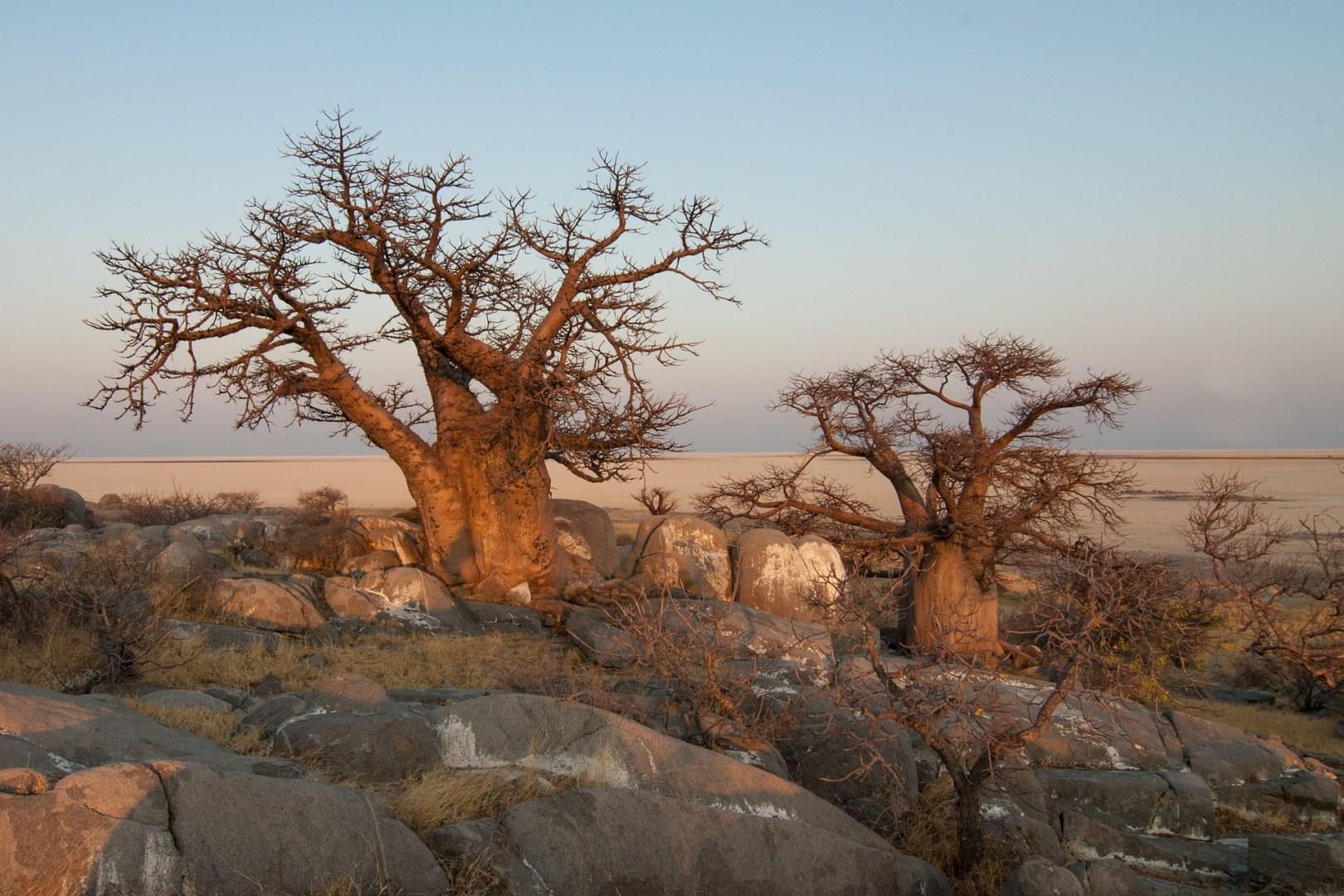
Botswana, a jewel of southern Africa, offers a captivating blend of natural beauty and unique wildlife experiences. The country is renowned for its pristine wilderness areas, including the Okavango Delta, a UNESCO World Heritage site. This sprawling inland delta floods annually, creating a lush oasis in the Kalahari Desert. Here, visitors can explore a maze of waterways and lagoons by traditional mokoro canoe, spotting a rich array of wildlife such as elephants, hippos, and various bird species.