Ulm
Ulm, Germany, a picturesque city on the banks of the Danube River, offers a rich tapestry of history and modern charm. Dominating its skyline is the Ulm Minster, home to the tallest church steeple in the world at 161.5 meters (530 feet). This Gothic masterpiece invites visitors to climb its 768 steps for a breathtaking panoramic view of the city and the surrounding countryside.
Vágar
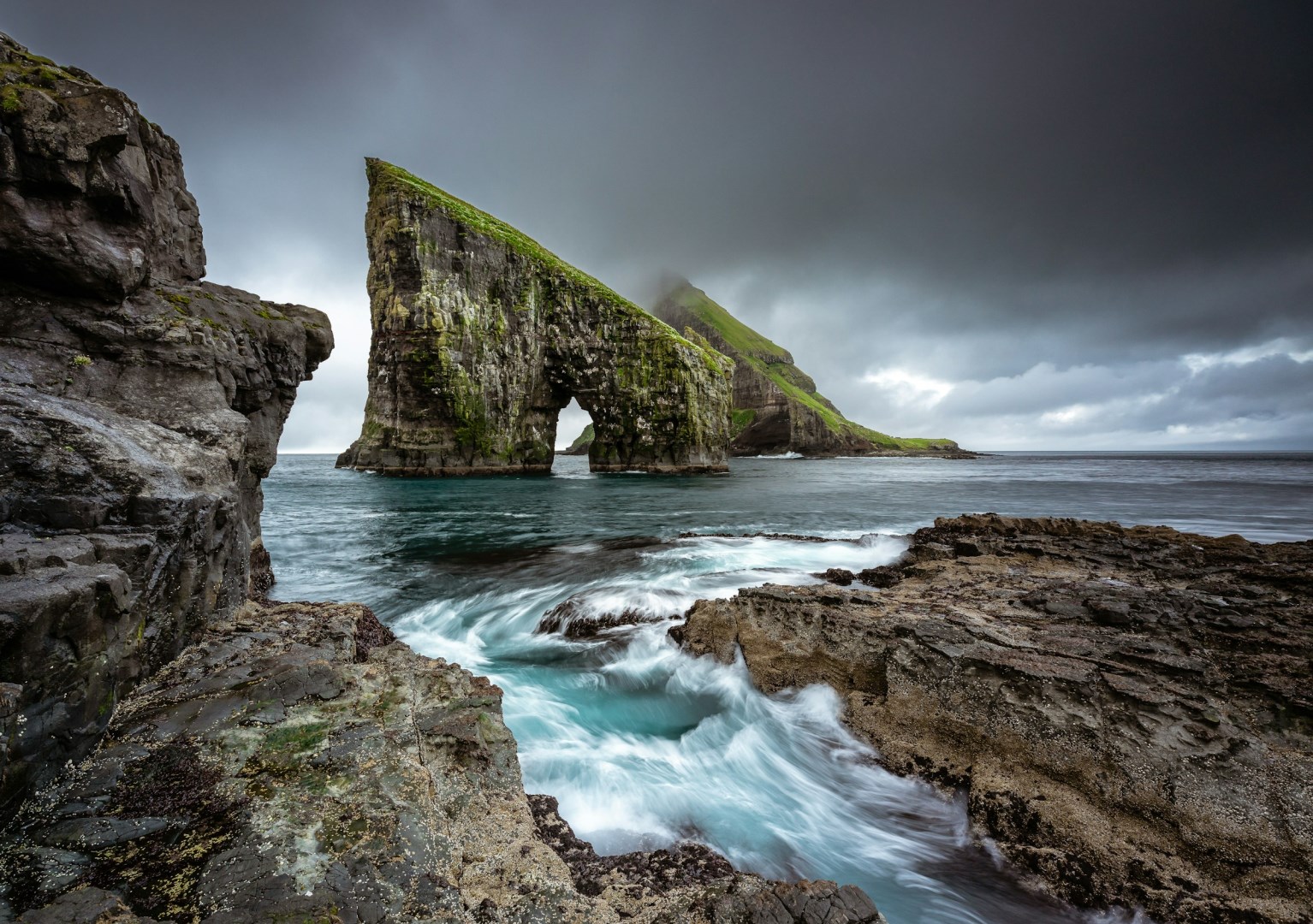
Vágar is one of the western islands of the Faroe Islands and the main arrival point for many visitors, with the archipelago’s only airport located near Sørvágur. The island combines high mountains, freshwater lakes, steep sea cliffs, and small villages set along sheltered bays. Its landscape is particularly varied for its size, ranging from the agricultural fields around Miðvágur and Sandavágur to the rugged western coast near Bøur and Gásadalur.
Chester
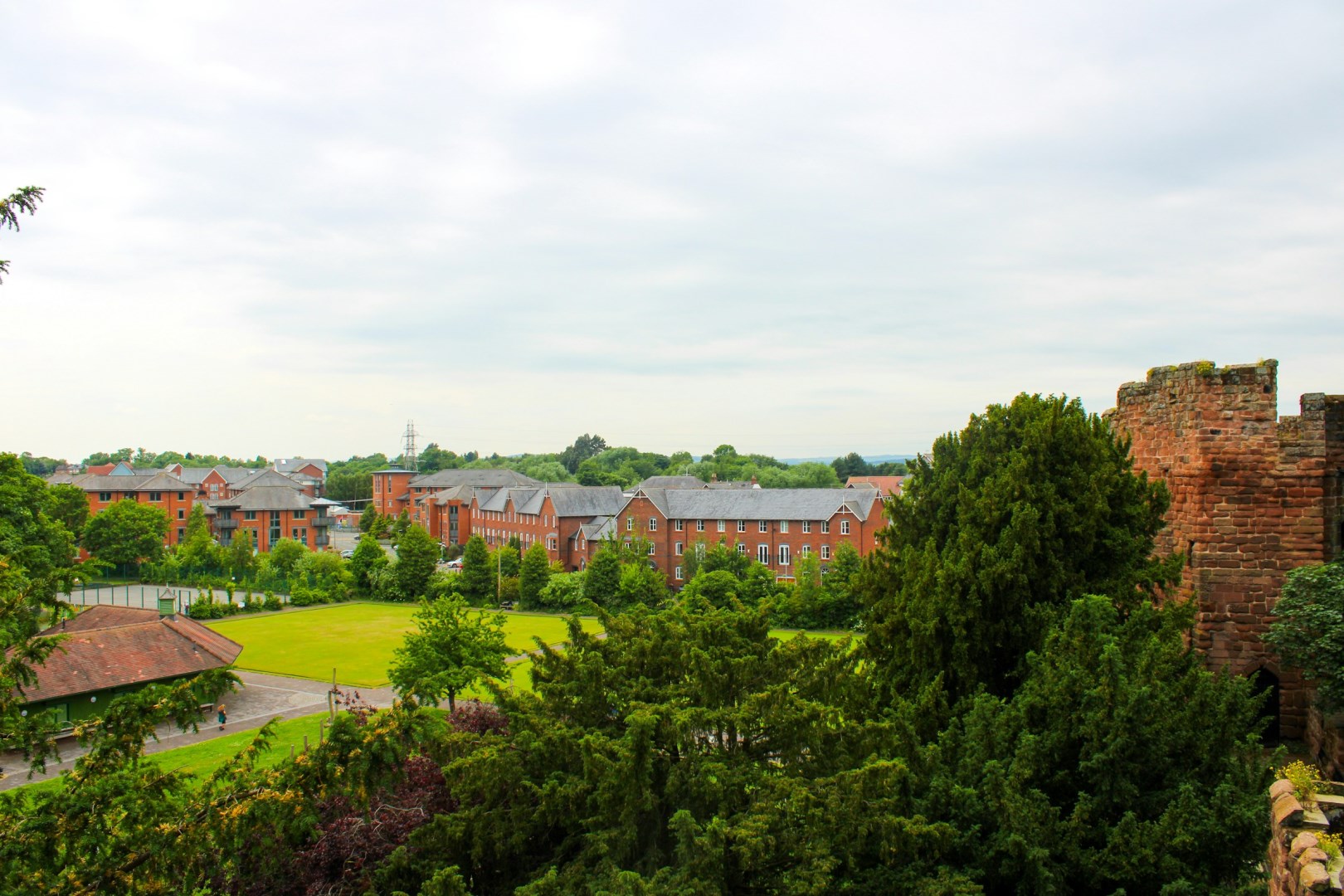
One of the few fully walled cities from Roman times, this city is located south of Liverpool. Interesting shops in the town center are on the second level.
Saba
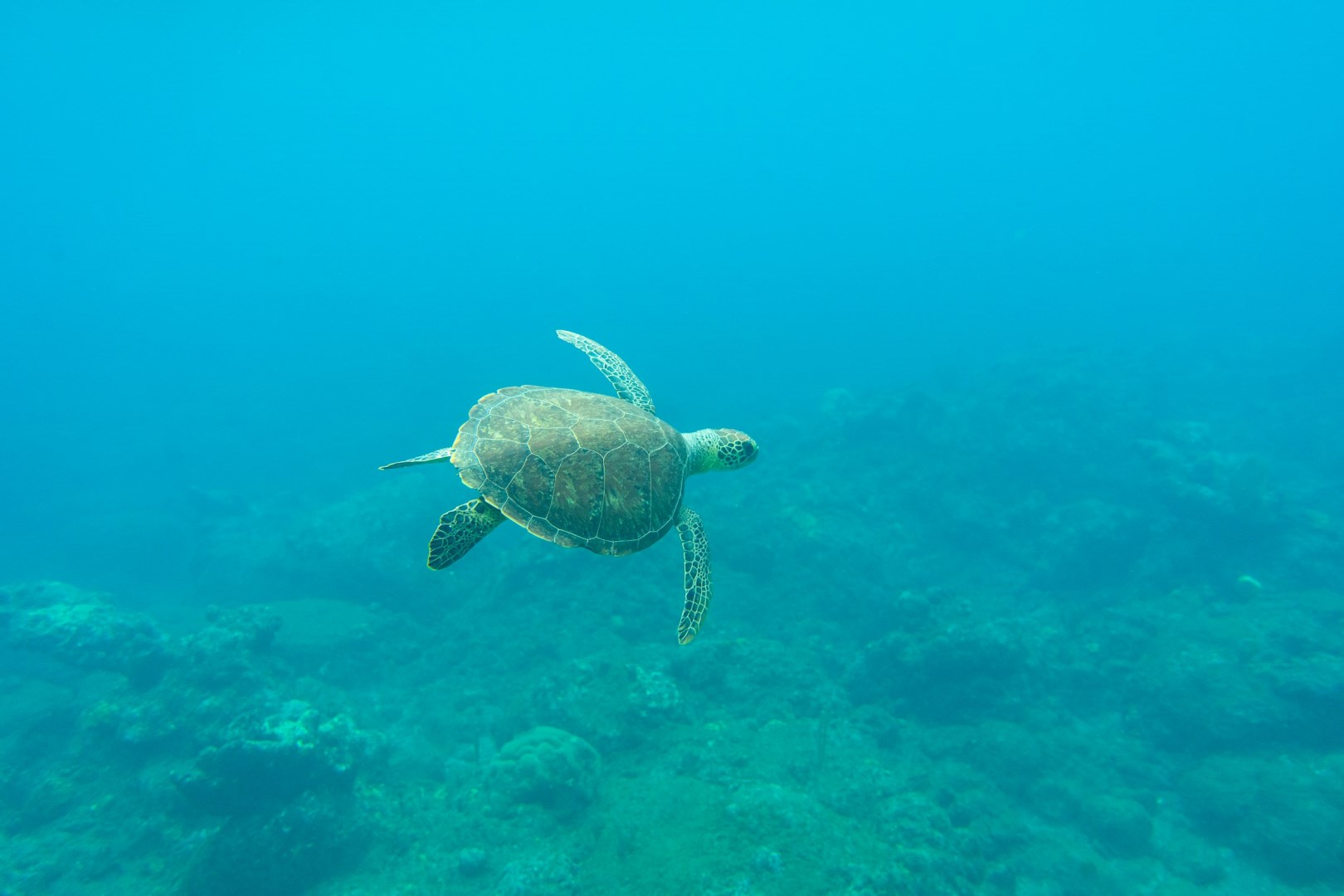
The Caribbean's Saba Island is the perfect hideaway! Climb 1,066 hand carved steps to the top of Mount Scenery, or take a roller coaster ride on "The Road", the only road on Saba. Scuba dive, hike, go deep sea fishing, shop for Saba Lace and Saba Spice (an innocent sounding but potent local rum), or relax and enjoy the spectacular views high above the blue Caribbean.
Jambiani
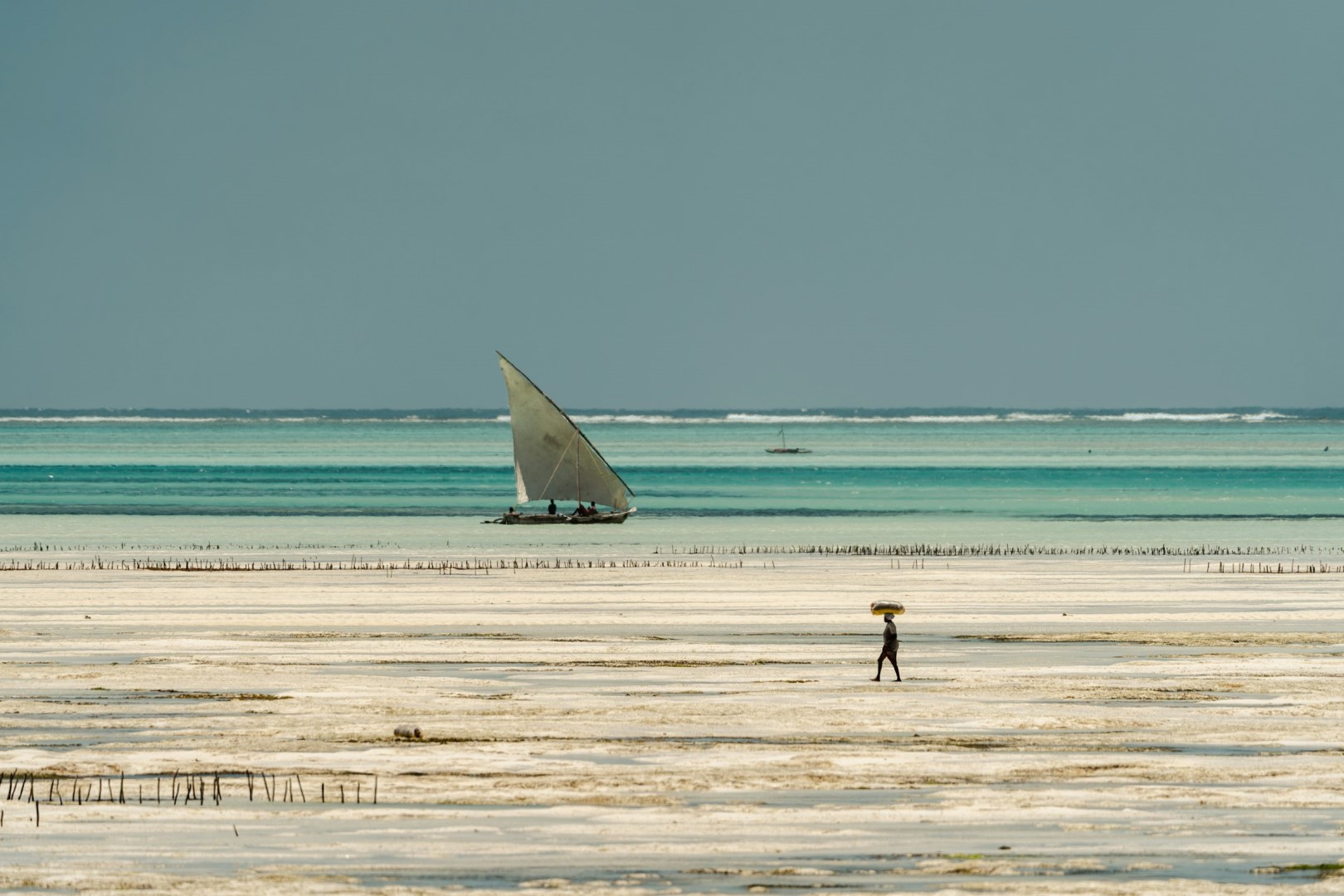
Jambiani is a coastal village on Zanzibar’s southeastern shore, facing the Indian Ocean along a long stretch of white sand and shallow turquoise water. The village extends along the coast between Paje and Makunduchi, with traditional homes, small guesthouses, fishing areas, and local businesses spread between the beach and inland fields.