Munnar
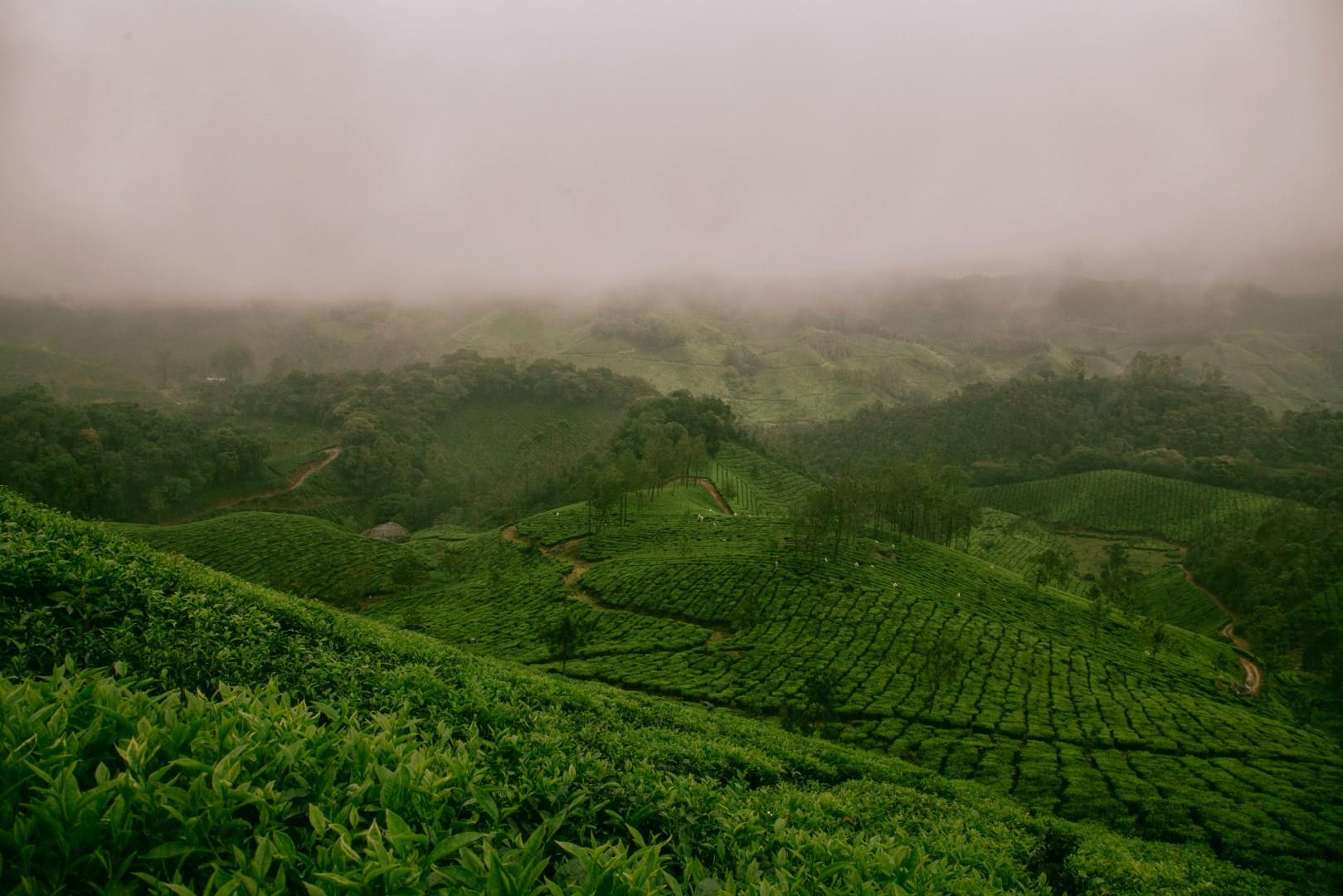
Munnar, located in the Western Ghats of Kerala, India, sits at around 1,600 meters above sea level and was once the summer resort of British colonial officers. Today, it’s known for its vast tea plantations, many of which date back to the 19th century. Visitors can walk through estates like Kolukkumalai, the highest tea plantation in the world, where traditional methods are still used to process leaves by hand.

Lake Naivasha
Naivasha, a charming town in Kenya's Rift Valley, offers a unique blend of natural beauty and cultural experiences. At the heart of this area is Lake Naivasha, a freshwater lake renowned for its abundant birdlife and picturesque scenery. Visitors can embark on boat rides to spot hippos and various bird species, including the elusive African fish eagle.
Vienne
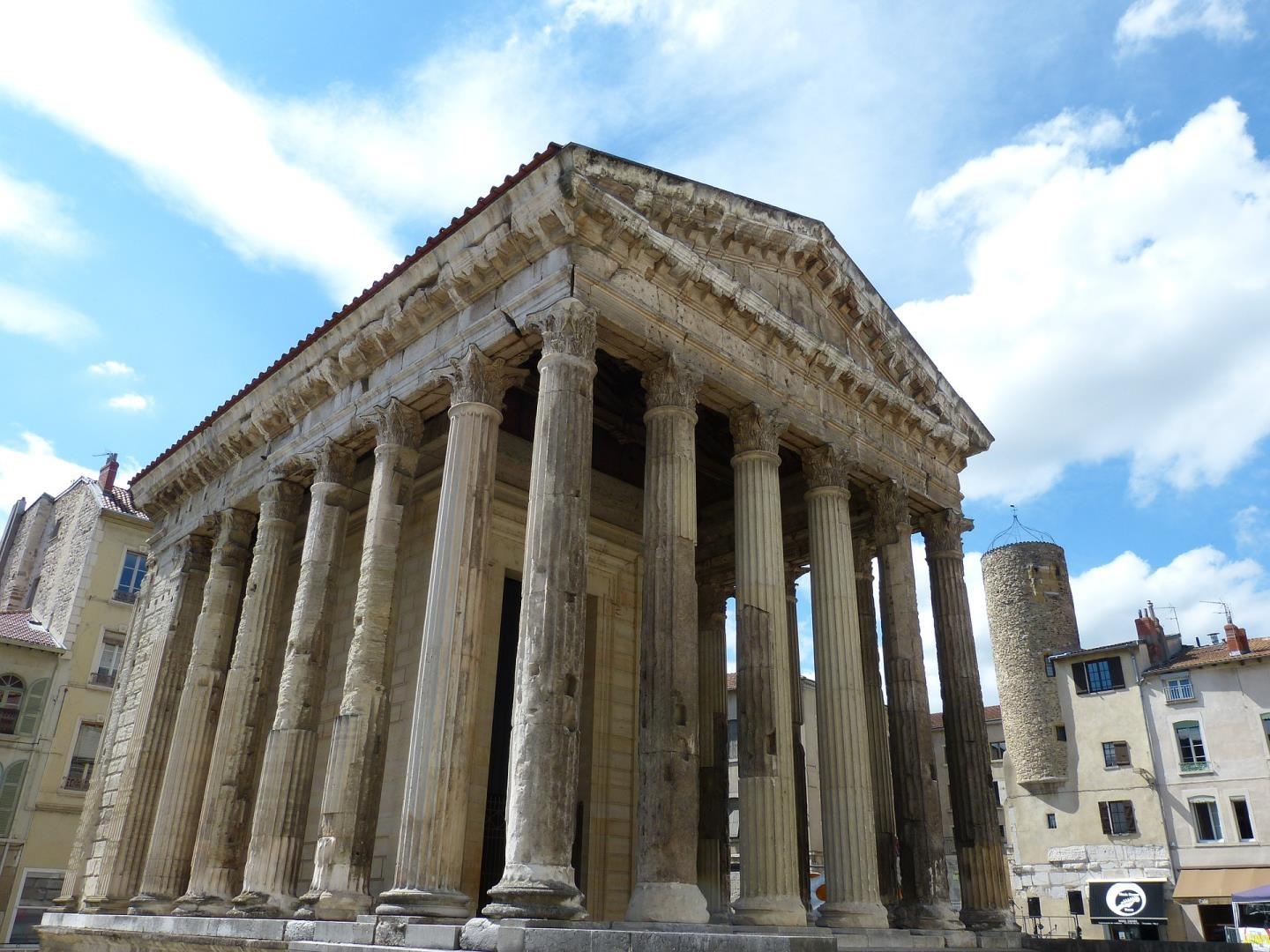
Vienne, France sits along the wide bend of the Rhône River in southeastern France, where stone bridges, riverbanks, and steep hills shape the view from nearly every angle. The old town is filled with narrow streets that open suddenly into squares lined with cafés and small shops. One of the most striking sights is how Roman ruins appear in unexpected places, blending into daily life rather than standing apart as distant monuments.
Ambergris Caye
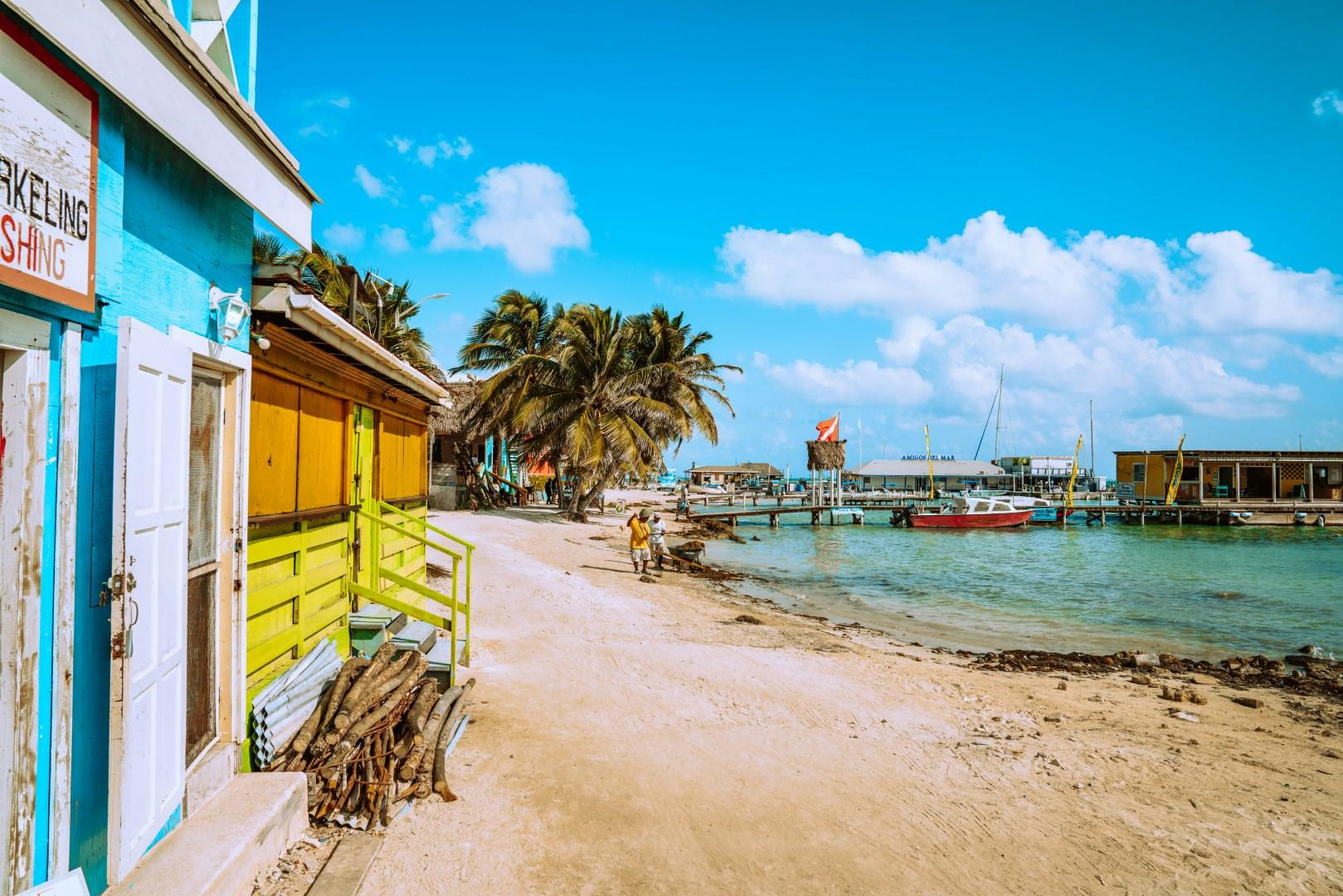
Ambergris Caye, the largest island in Belize, is the country’s premier destination for both relaxation and adventure. Just off its shores lies the Belize Barrier Reef, offering some of the world’s most spectacular snorkeling and diving.
Ocean City
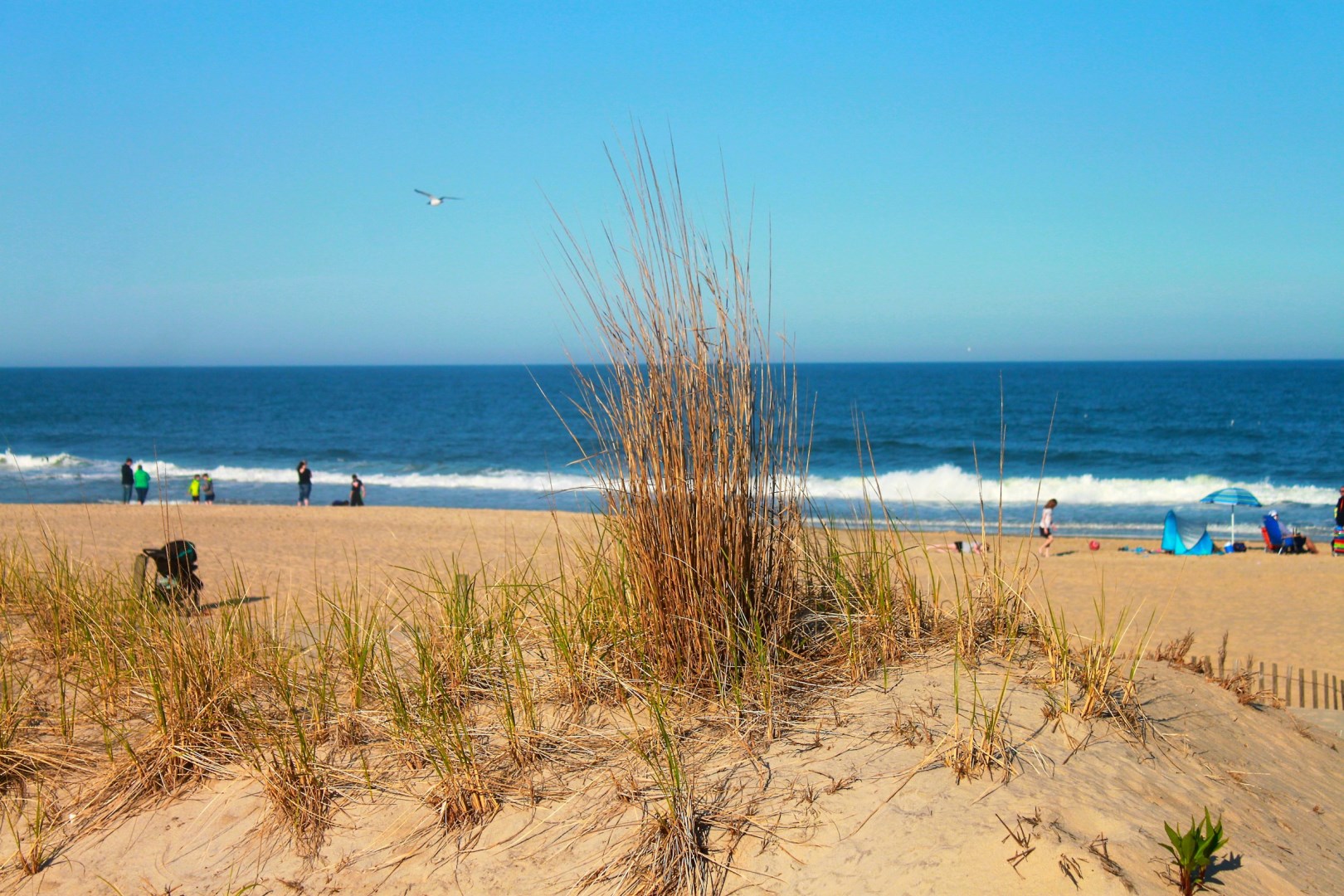
Ocean City, Maryland, is a barrier-island resort along the Atlantic coast of Worcester County, known for its broad beaches, long boardwalk, and connection to the coastal bays. The town stretches for about 10 miles between the Ocean City Inlet and the Delaware state line, with distinct neighborhoods ranging from the historic downtown to quieter northern sections. Its roots as a fishing community remain visible alongside its role as a major seaside destination.