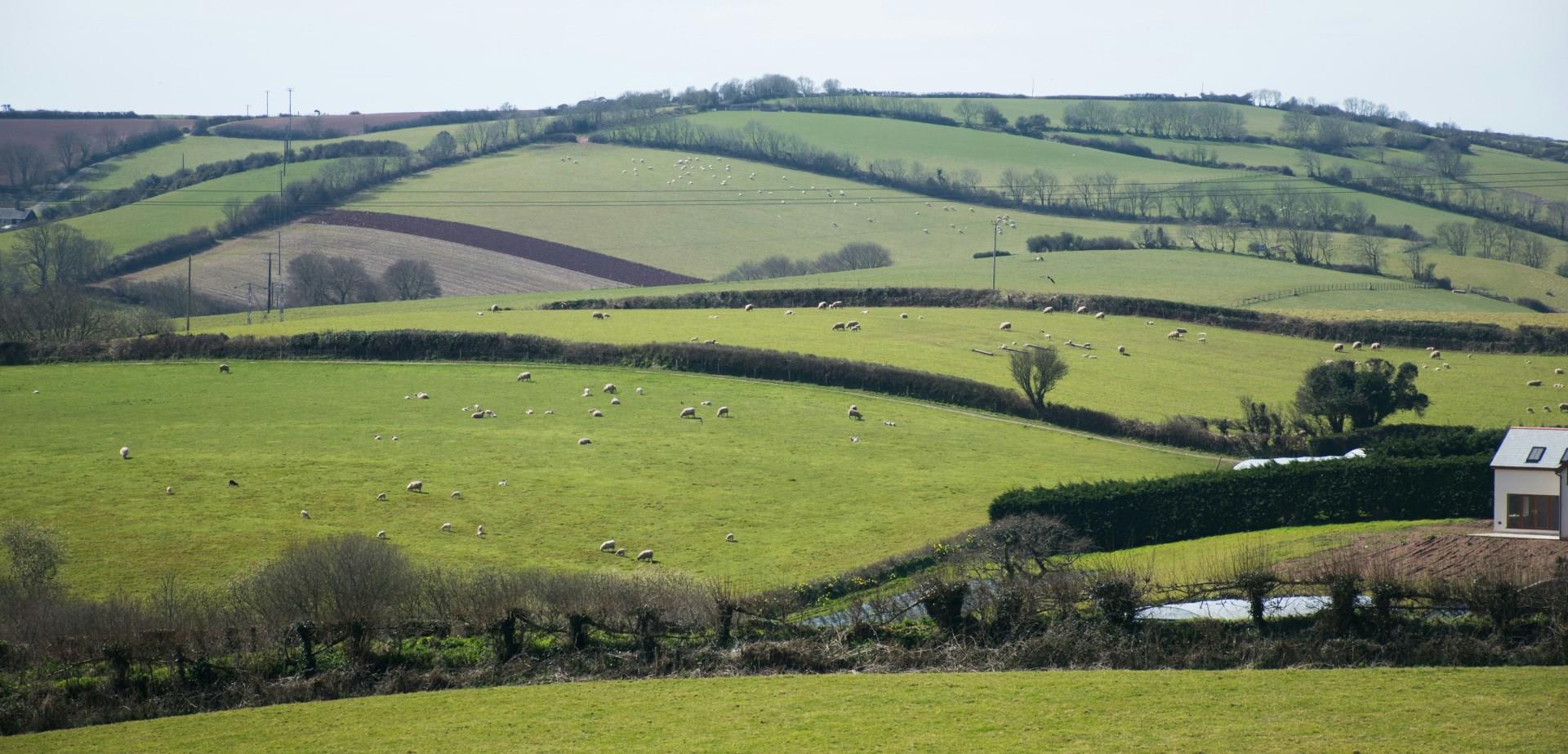
Devon
Devon occupies England’s southwest peninsula, a county shaped by seafaring, farming, and long continuity of settlement. Its history stretches from prehistoric sites on Dartmoor through Roman roads and medieval ports to towns that grew wealthy on trade and shipbuilding.

Netherlands Antilles
The former Netherlands Antilles was a group of Caribbean islands once unified under Dutch administration, dissolved as a political entity in 2010.
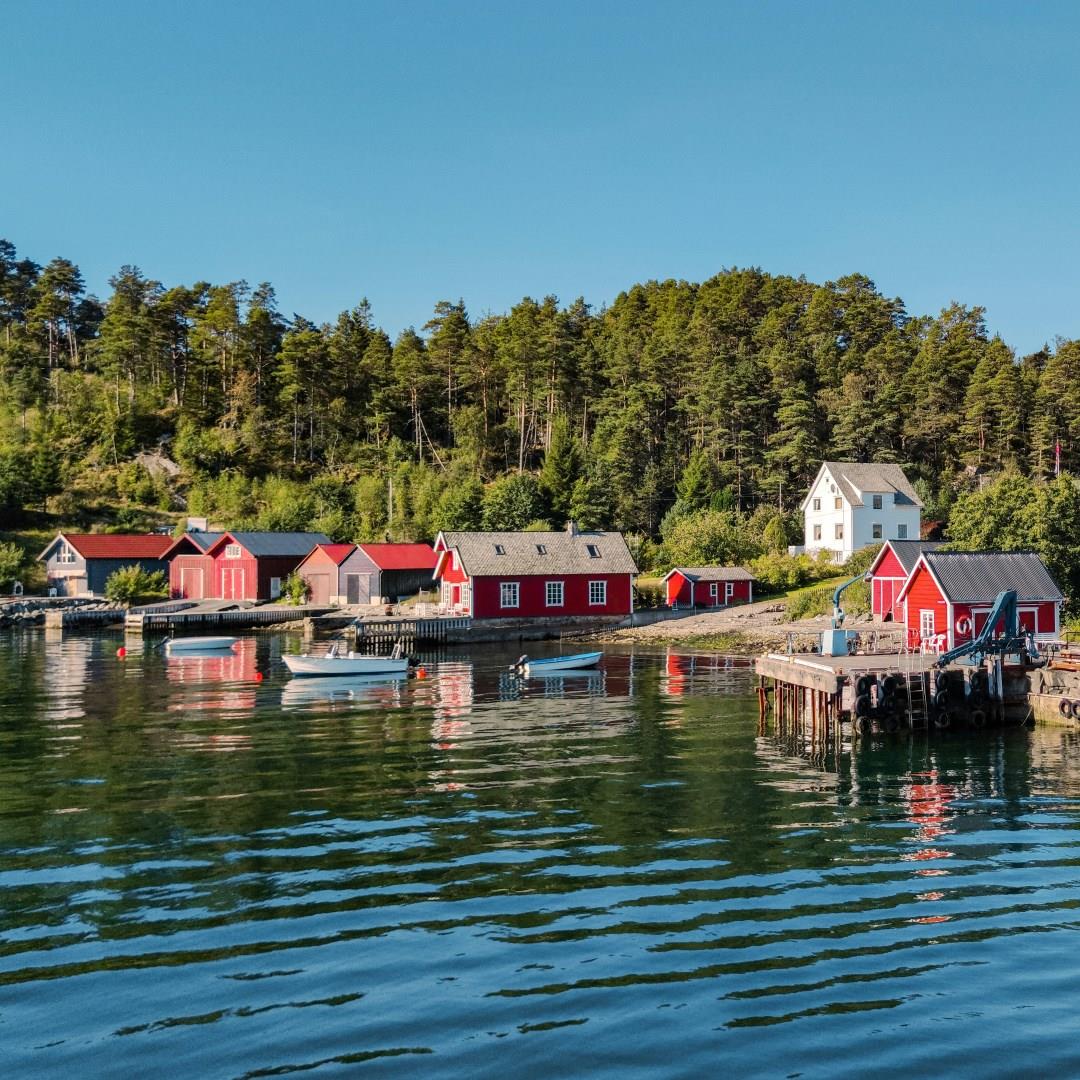
Hardangerfjord
Hardangerfjord is one of Norway’s most iconic fjords, stretching over 170 kilometers through western Norway and surrounded by steep mountains, waterfalls, and orchards.
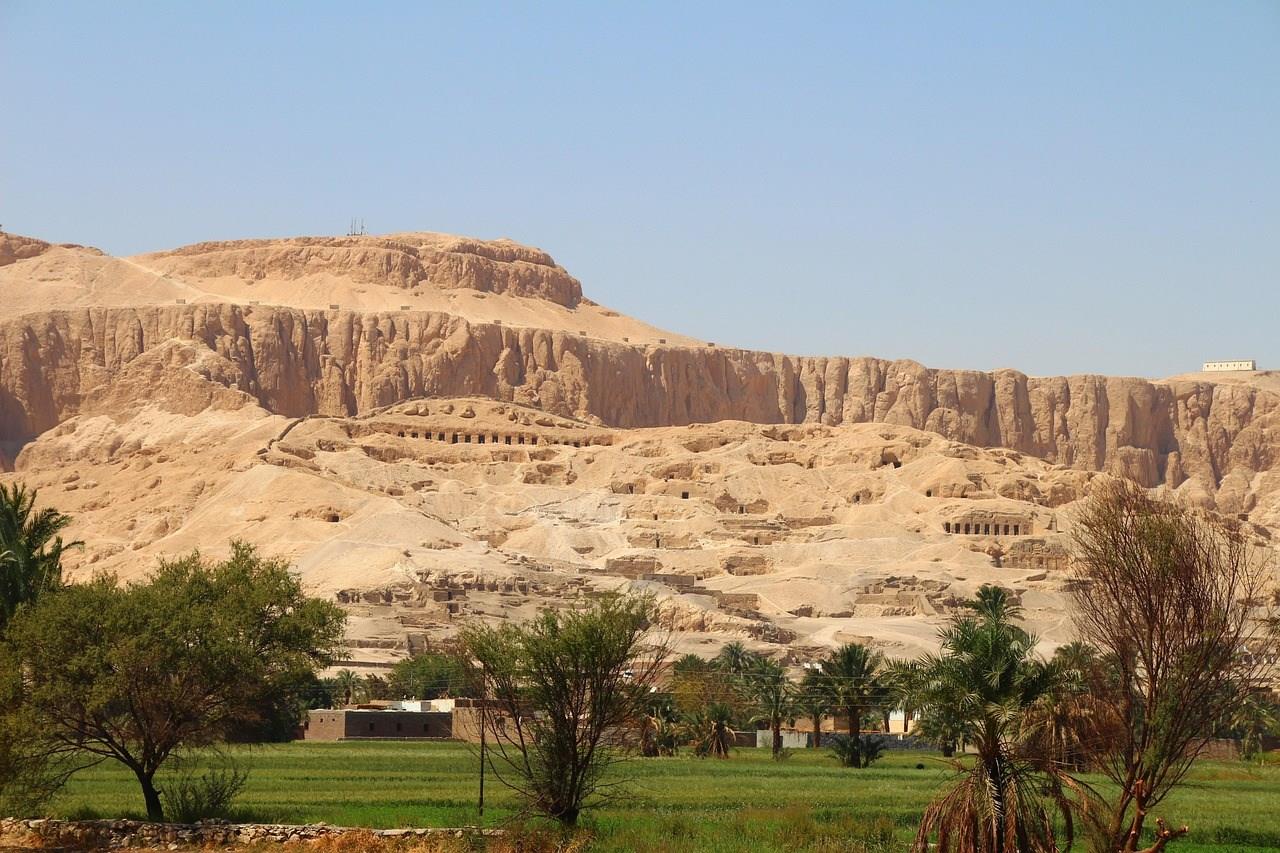
Valley of the Kings and Queens
The Valley of the Kings and the Valley of the Queens, located on the west bank of the Nile near Luxor, Egypt, are two of the world’s most significant archaeological sites. For over 500 years during the New Kingdom (16th–11th centuries BCE), these valleys served as the burial grounds for pharaohs, queens, and high-ranking nobles.

Budapest
The capital and largest city in Hungary, Budapest is a favorite European destination for millions of tourists each year. Once the center of the Austro-Hungarian Empire, this cosmopolitan city and UNESCO World Heritage site has plenty of historical and cultural landmarks to explore.