Les Andelys
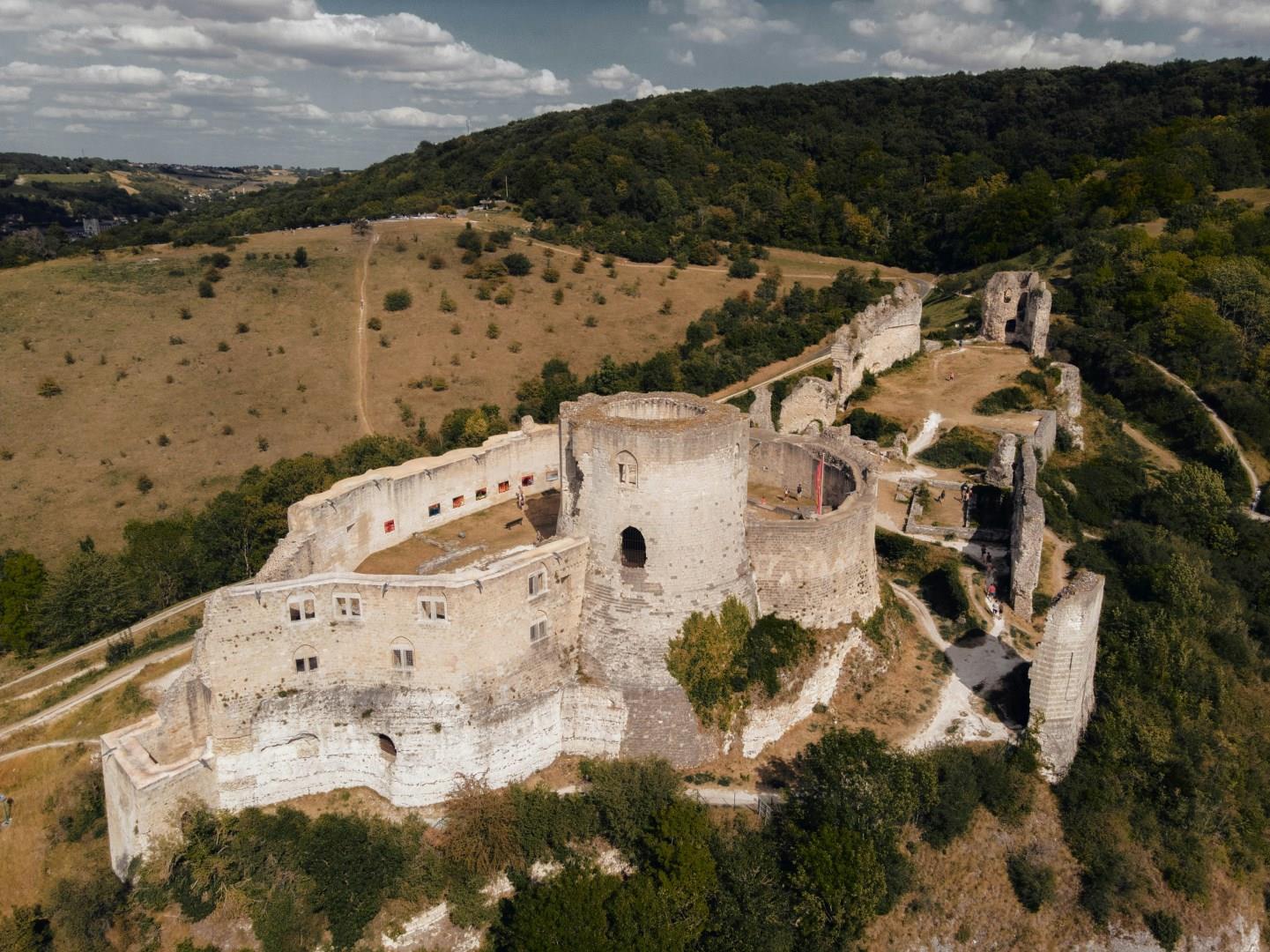
Les Andelys, a picturesque town on the banks of the Seine in Normandy, France, is best known for its dramatic setting beneath the ruins of Château Gaillard. This medieval fortress, built in the 12th century by Richard the Lionheart, stands high on a chalk cliff overlooking the river, a reminder of the region’s turbulent past during the wars between England and France.

Kamloops
Kamloops, located in the interior of British Columbia, sits at the meeting point of the North and South Thompson Rivers. The name comes from the Secwépemc word “Tk’emlúps,” meaning "where the rivers meet," and the area has been a gathering place for Indigenous communities for thousands of years. Today, visitors can explore this rich cultural heritage at the Secwépemc Museum and Heritage Park, where trails lead through archaeological sites and reconstructed pit houses.
Sun Valley
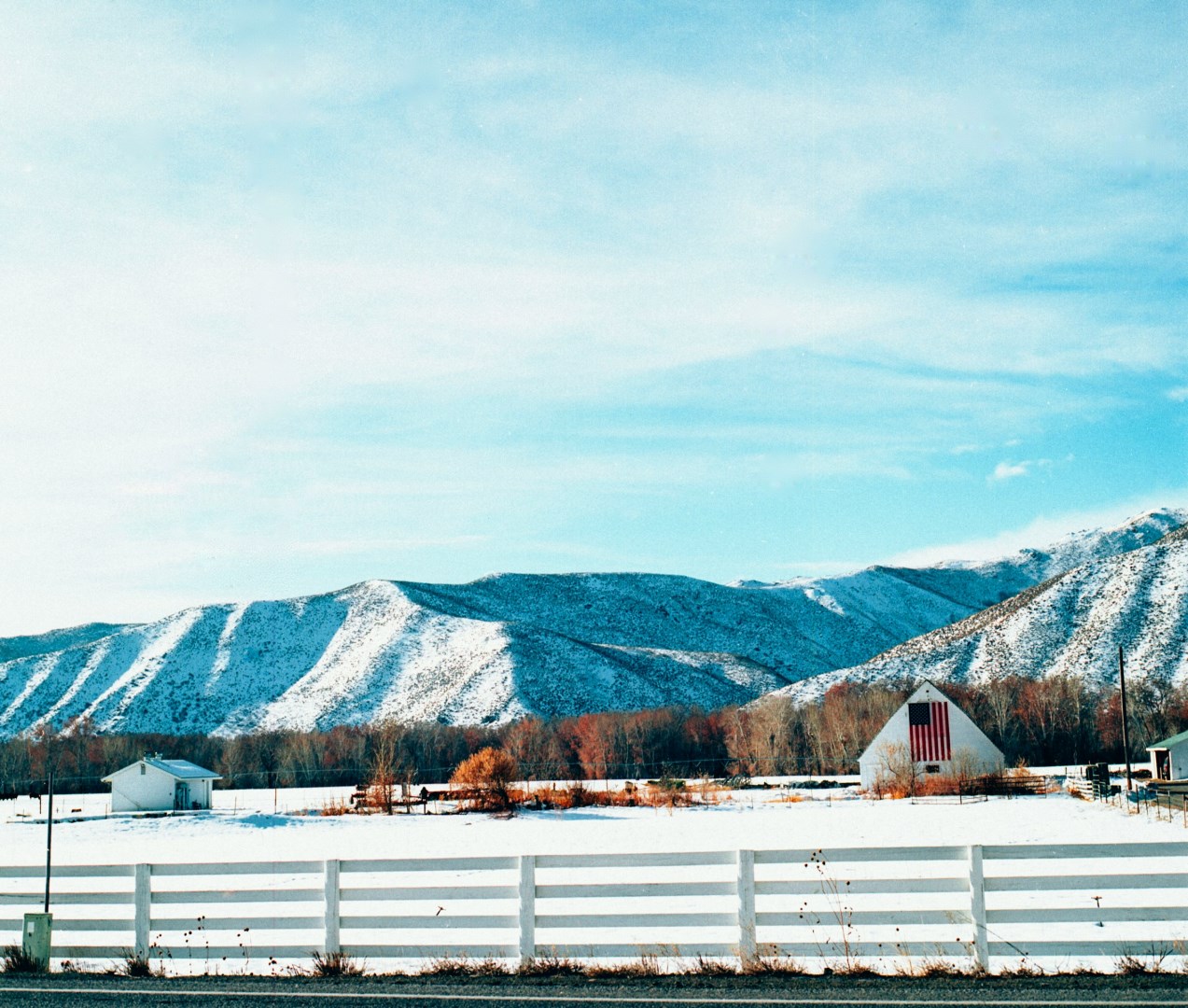
Sun Valley is a quaint ski village. A technological marketplace. Small town charm with big city convenience. The Sun Valley area provides a fun skiing experience for the entire family. All skill levels are catered to on each of the local mountains. Sun Valley Resort's Bald Mountain is just minutes from town and Soldier Mountain is a short drive down the beautiful Wood River Valley offering Snow Cat skiing and tours.
Damaraland
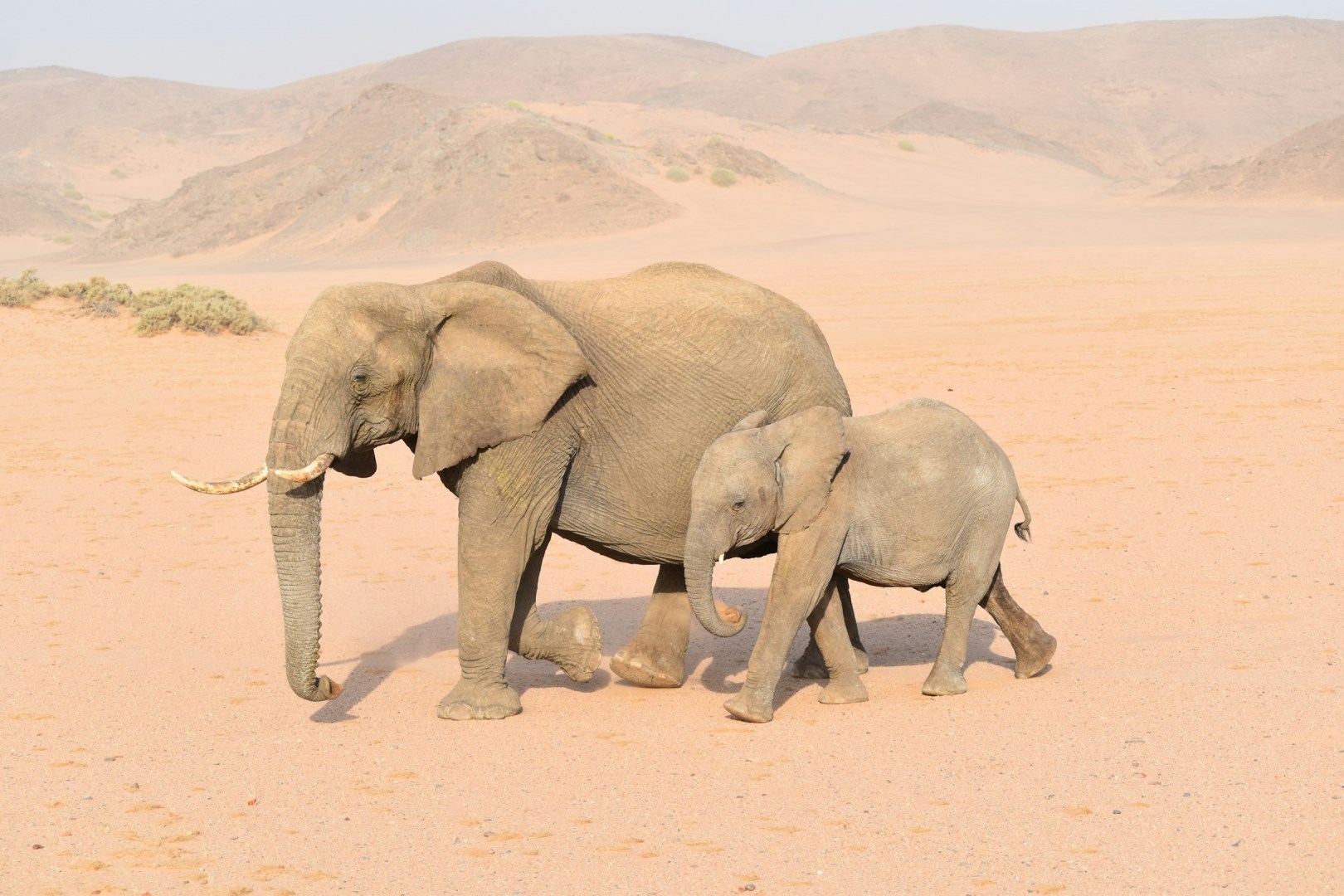
Damaraland, located in northwestern Namibia, is a mesmerizing landscape where ancient history and natural beauty converge. This rugged region, part of the larger Kunene region, is renowned for its dramatic landscapes, including the breathtaking Brandberg Mountain, the highest peak in Namibia.
Kota Kinabalu (Borneo)
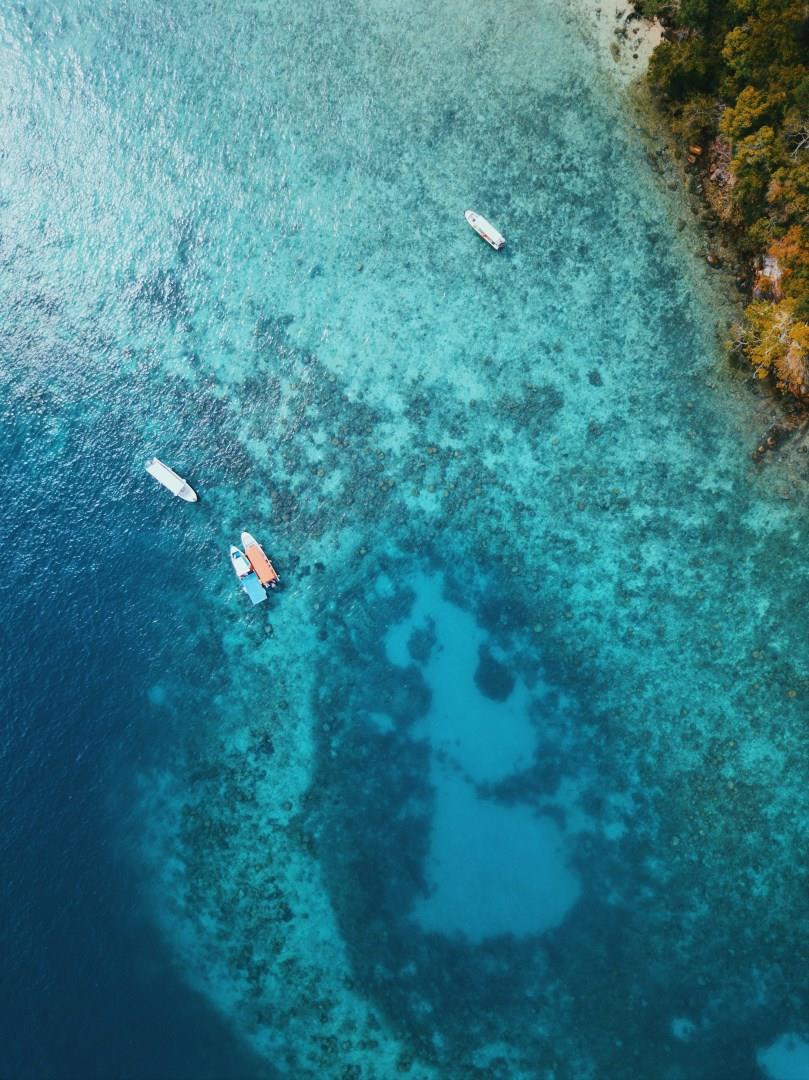
Kota Kinabalu, the capital of Sabah on the island of Borneo, is a vibrant city where modern life meets wild landscapes. Overlooking the South China Sea and backed by lush rainforests and mountains, it serves as both a cultural hub and a gateway to Borneo’s extraordinary biodiversity.