Dingboche
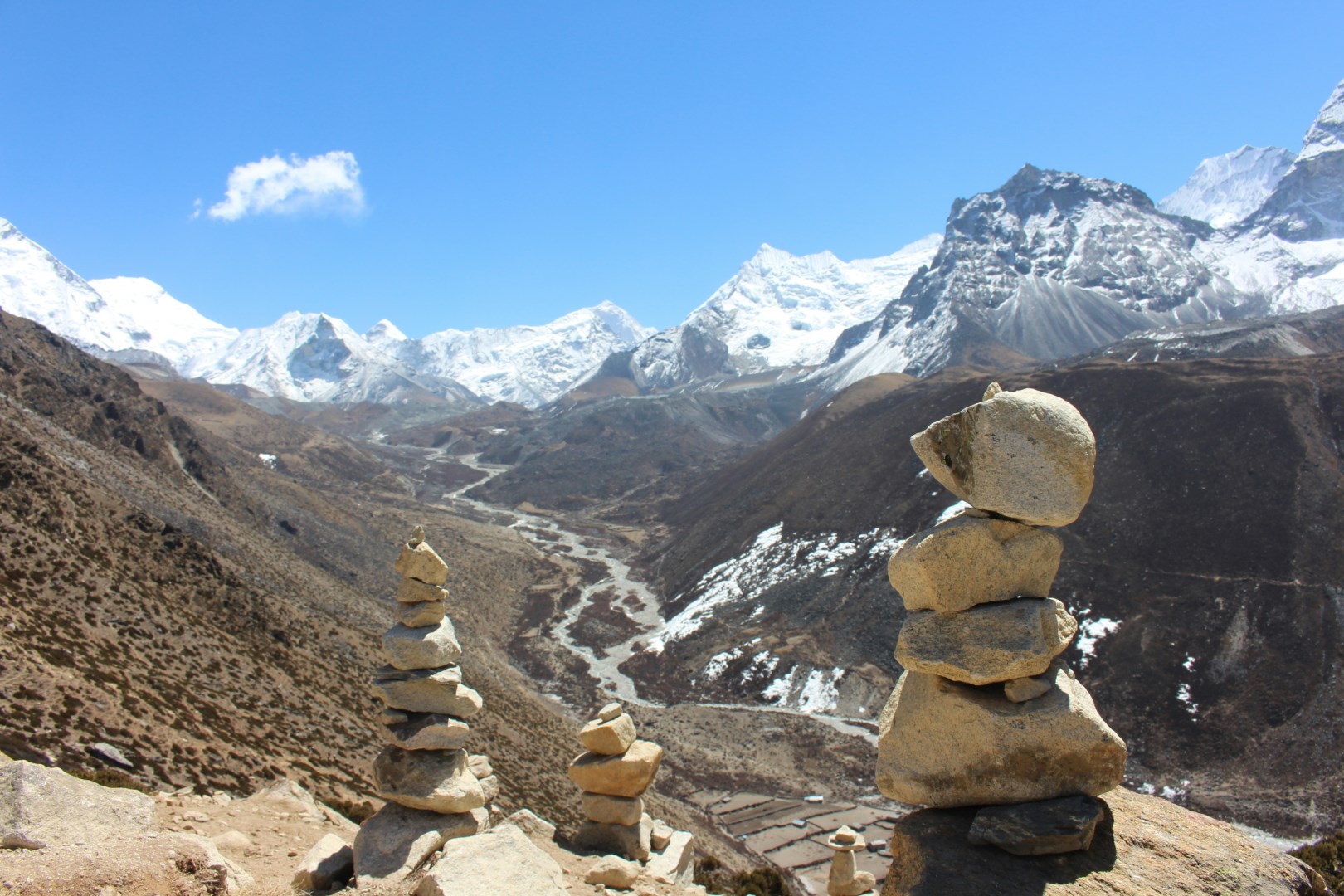
Set in a wide valley beneath towering Himalayan peaks, Dingboche offers a striking pause along the route toward Mount Everest. Unlike the narrower trails below, Dingboche opens into a broad landscape framed by snow-covered giants such as Ama Dablam and Lhotse. The village sits high above the tree line, where the air feels thin and clear, and the surrounding terrain shifts from forested slopes to open alpine ground.
Gyeongju-si
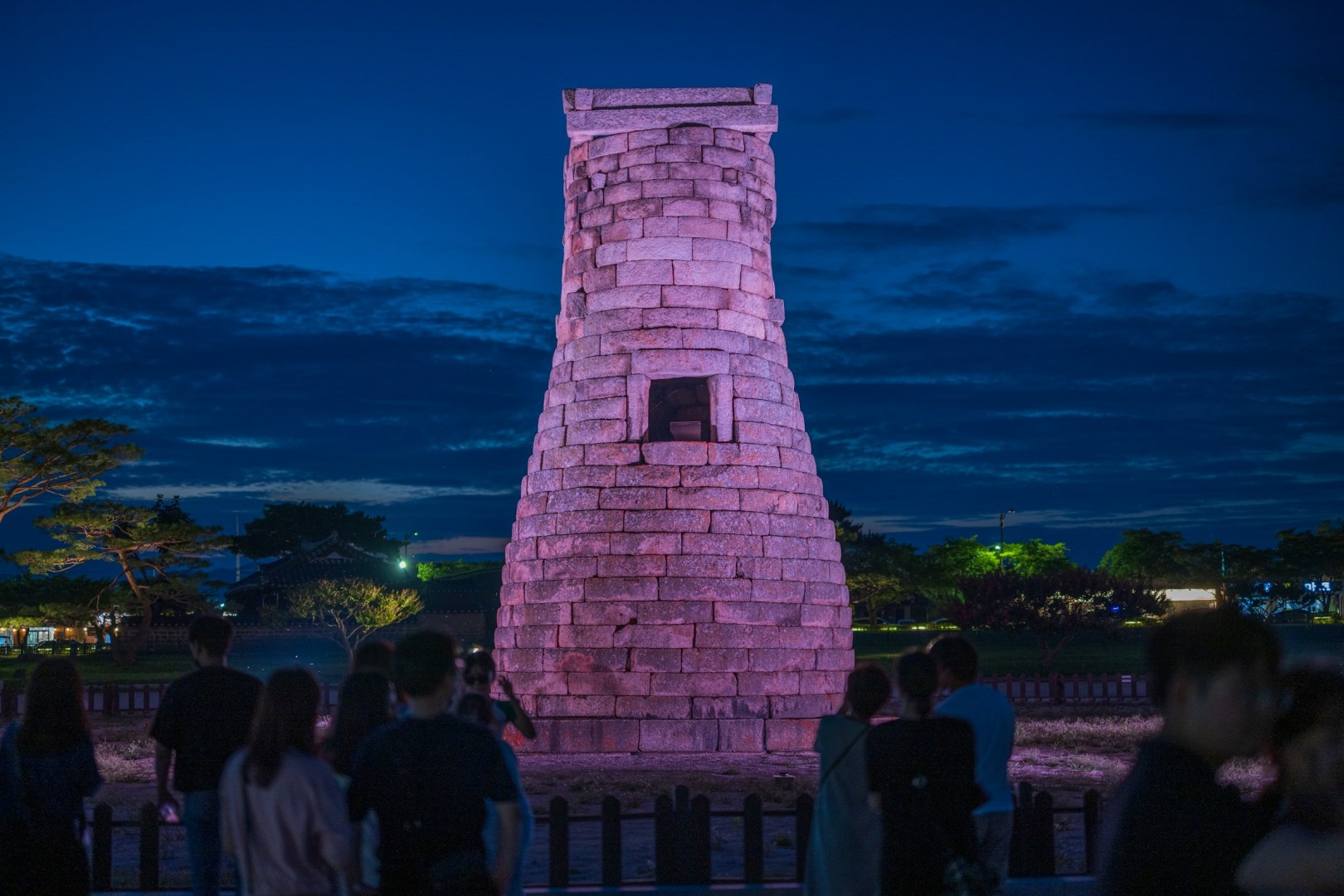
Gyeongju-si is a historic city in southeastern South Korea known for its close connection with the Silla kingdom and its concentration of archaeological sites, temples, royal tombs, and Buddhist monuments. Much of the city’s heritage is spread across open landscapes rather than confined to a single historic center. The Gyeongju Historic Areas include Mount Namsan, the Wolseong area, royal tomb complexes, and the remains of major temples and palaces.
Cayos Cochinos
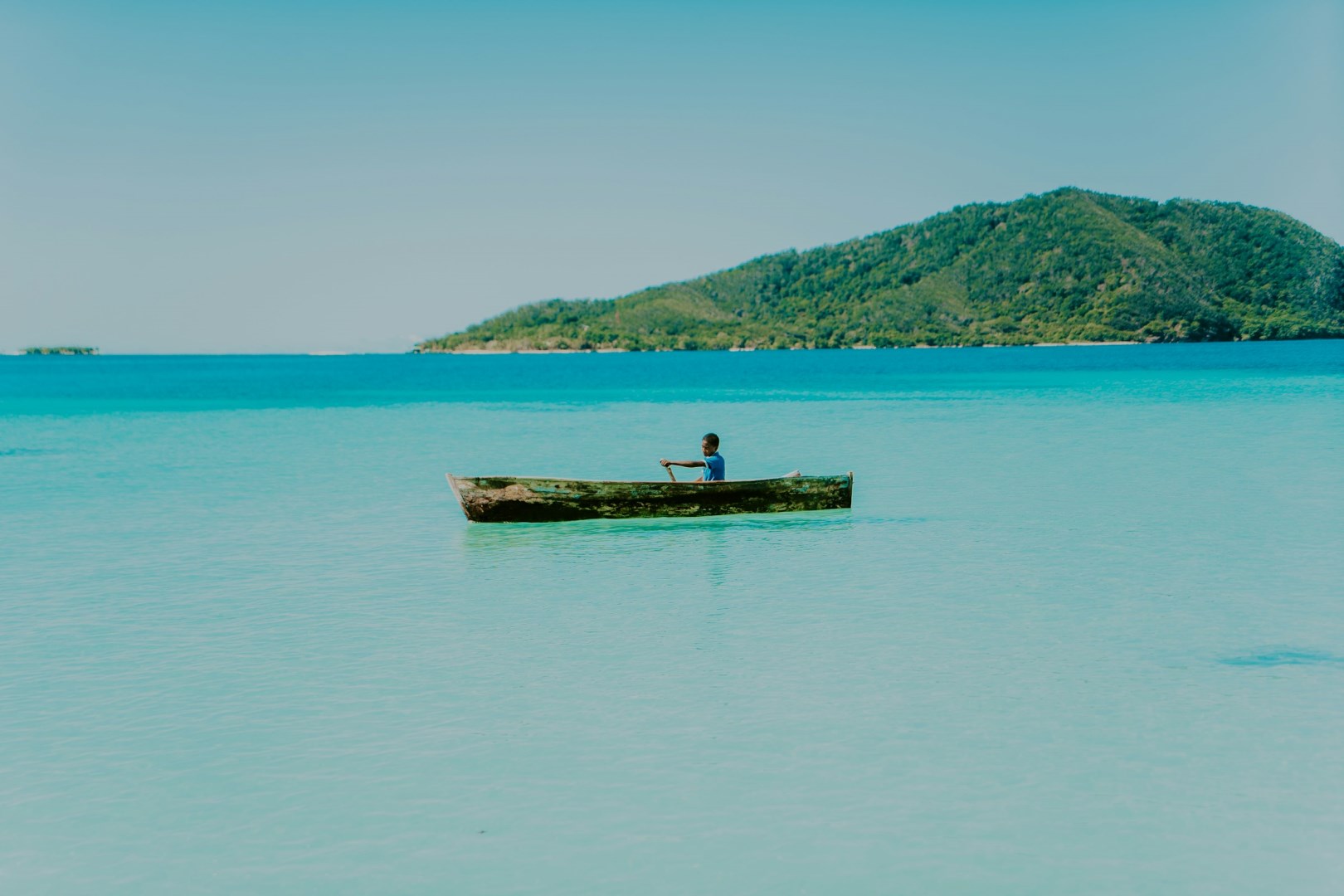
Cayos Cochinos is a small archipelago in the Caribbean Sea off the northern coast of Honduras, located northwest of La Ceiba. The protected area consists of two larger forested islands, Cayo Menor and Cayo Grande, surrounded by numerous smaller coral cays. Clear Caribbean waters, sandy beaches, tropical vegetation, and offshore reefs define the landscape. Cayos Cochinos forms part of the Mesoamerican Reef system and is protected as a marine natural monument and biological reserve.
Amiens
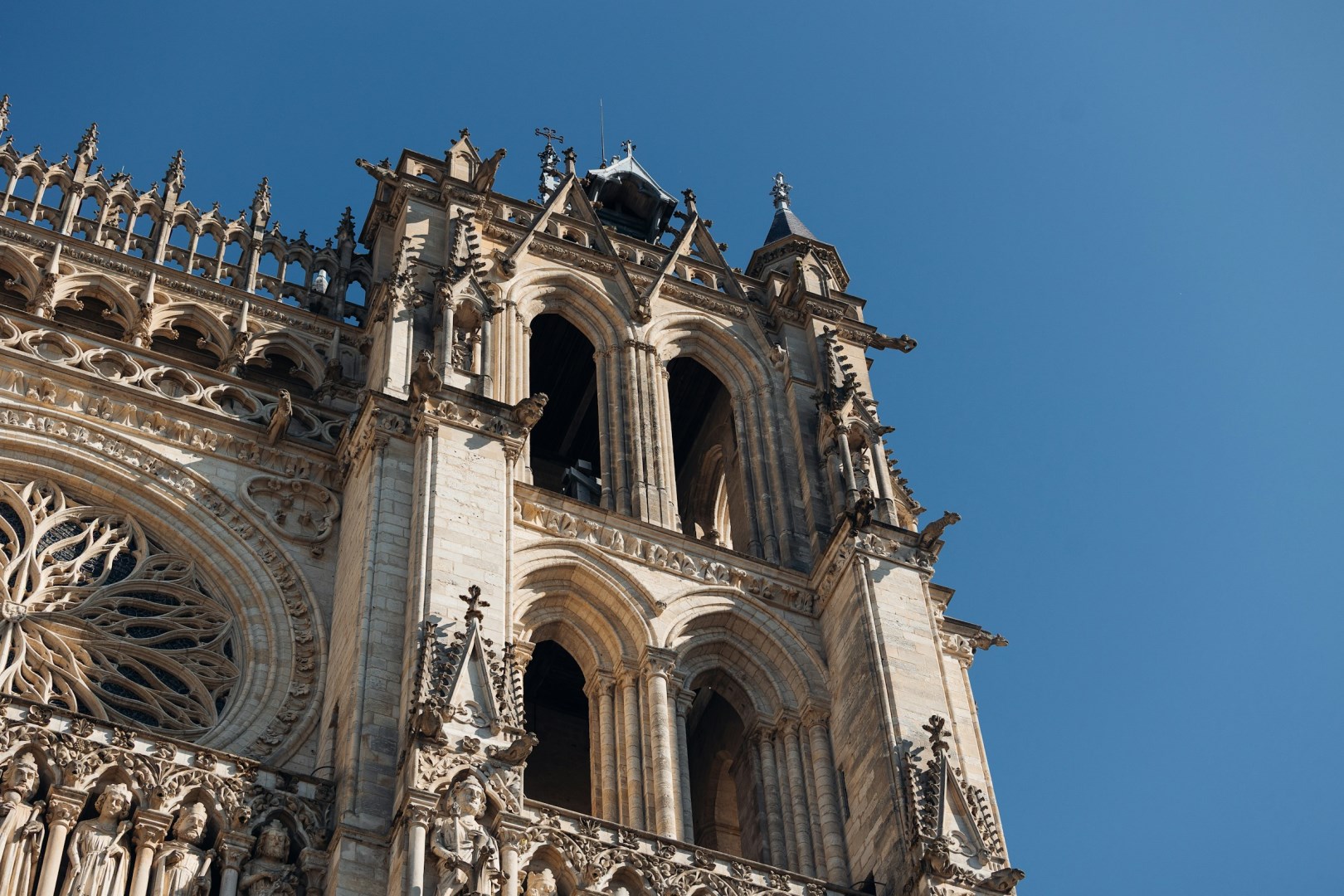
Amiens is a city in northern France and the capital of the Somme department, set along the Somme River amid the Picardy countryside. Its historic centre is dominated by Amiens Cathedral, one of the largest Gothic cathedrals in France and a UNESCO World Heritage Site. Waterways are also central to the city's character, particularly in the Hortillonnages, a network of gardens and canals on former marshland.
Nauru
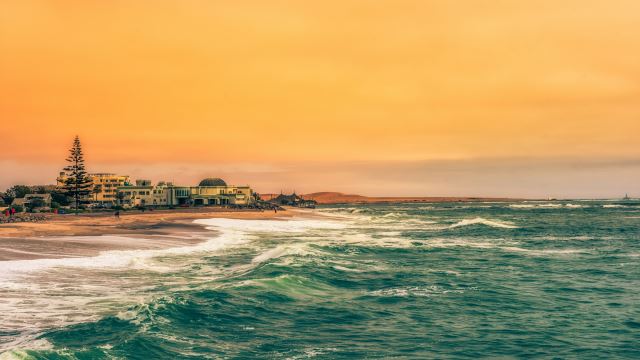
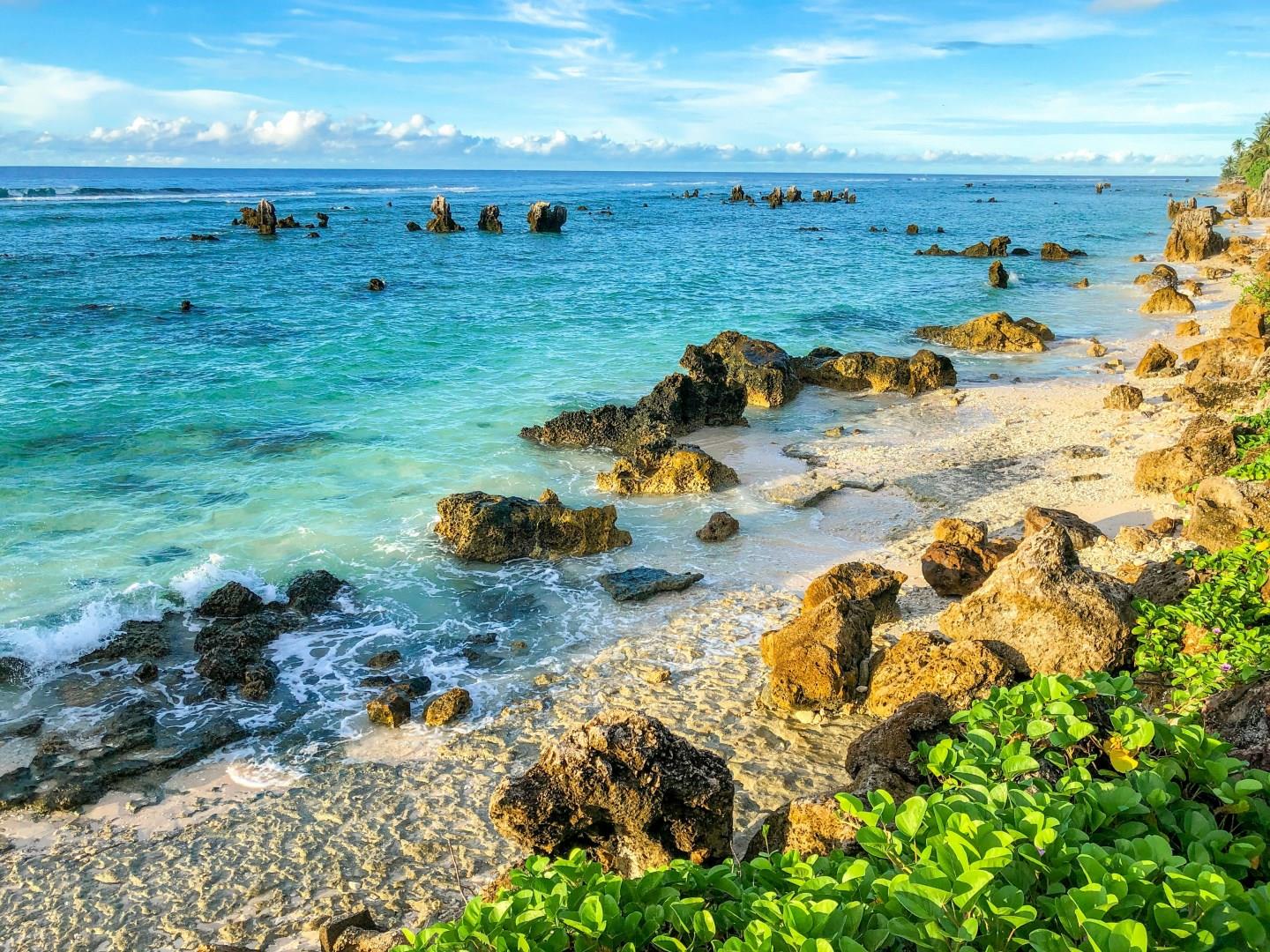
Tucked away in the heart of the Pacific Ocean, Nauru is one of the world’s smallest and least visited countries being an island nation just 21 square kilometers in size, with a population under 10,000. But its compact size makes exploring simple and rewarding. Visitors can circle the entire island by car in under an hour, taking in stunning ocean views, remnants of World War II bunkers, and clusters of colorful homes that speak to Nauru's resilient spirit and layered past.