Dominica
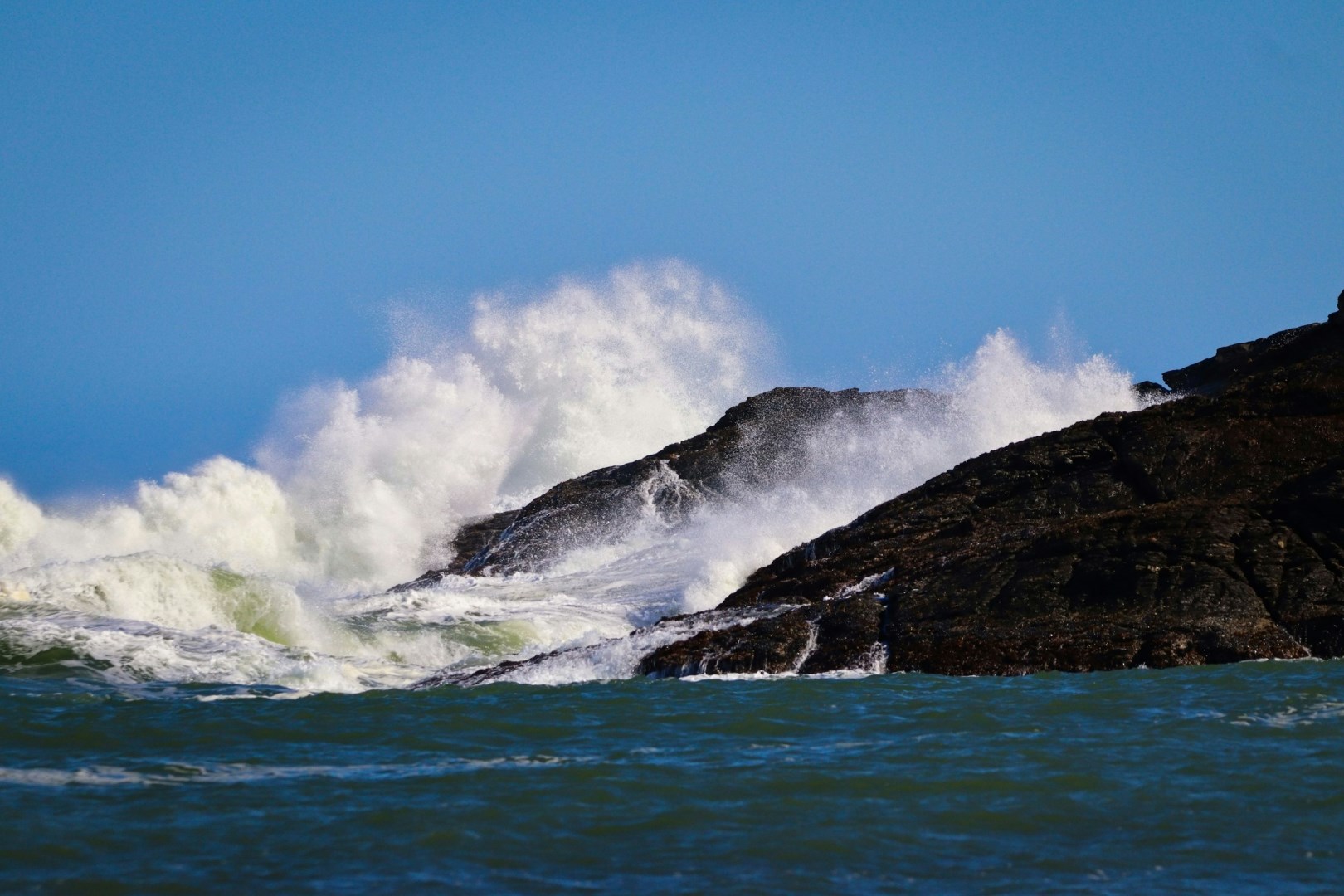
Dominica, known as the “Nature Island of the Caribbean,” is a haven for eco-tourists and adventure seekers. Nestled between the French islands of Guadeloupe and Martinique, this lush island boasts a remarkable landscape of volcanic mountains, dense rainforests, and stunning waterfalls. Dominica’s most iconic natural wonder is the Boiling Lake, the second-largest hot spring in the world.

Corfu
Eluding Ottoman oppression sure makes you beautiful! Besides breathtaking beaches and lovely pools, this Greek island in the Ionian Sea offers many charms, from its Old Town (a UNESCO World Heritage Site) to Venetian fortresses to cypresses waving in the ocean breeze.
Transylvania
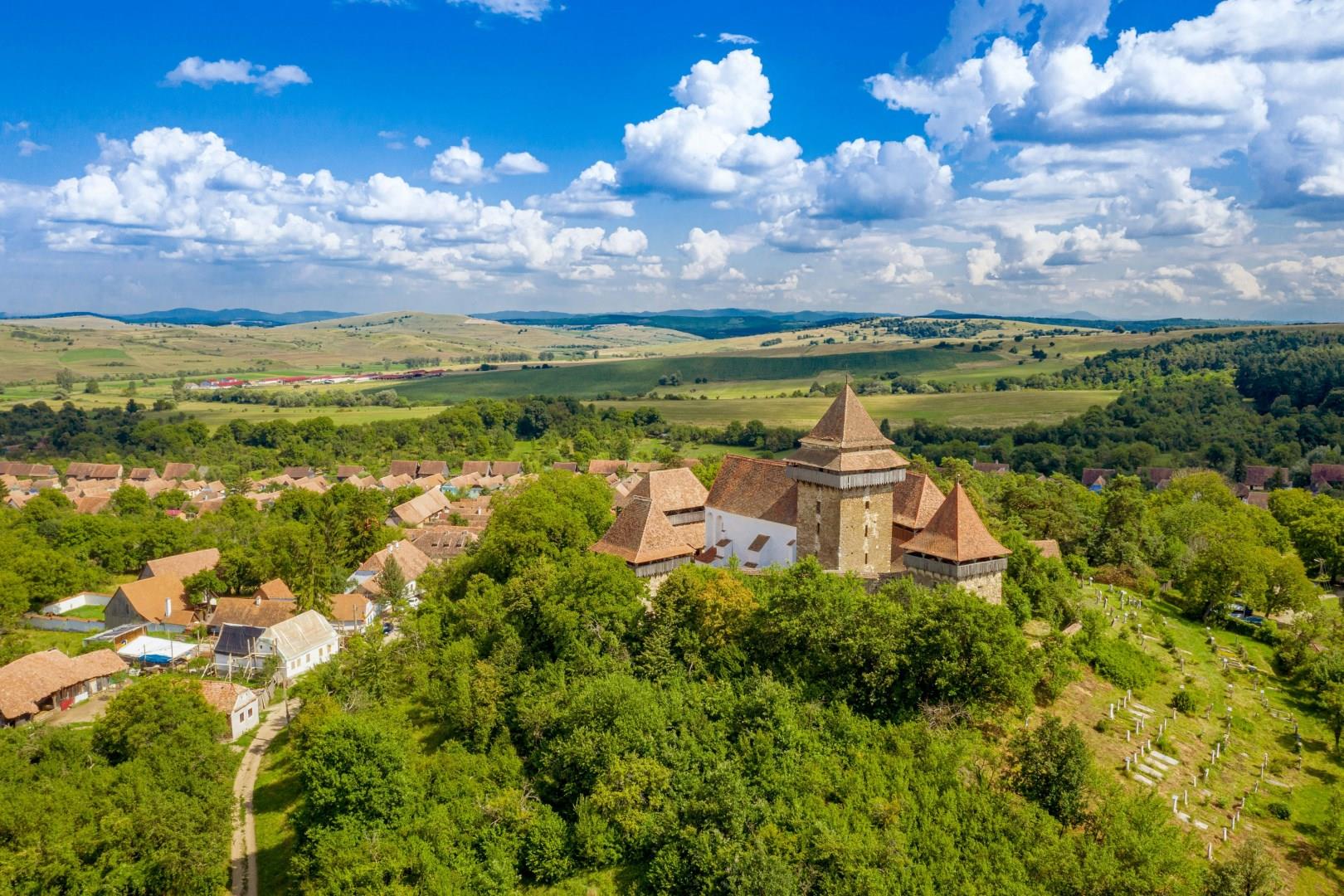
Transylvania is a historical region in central Romania, bordered by the Carpathian Mountains. It is known for its forested landscapes, medieval towns, and a mix of cultural influences shaped by Romanian, Hungarian, and Saxon communities. Cities such as Cluj-Napoca and Brașov serve as regional centers with preserved old quarters and growing modern districts. The region is often associated with folklore, but its identity is grounded in everyday rural life and long-standing settlement patterns.

Marquesas Islands
Farther from a continental landfall than any other group of islands on earth, the twelve Marquesas jut out of the open Pacific just south of the equator, shrouded in a constant cloud cover.
Muskegon
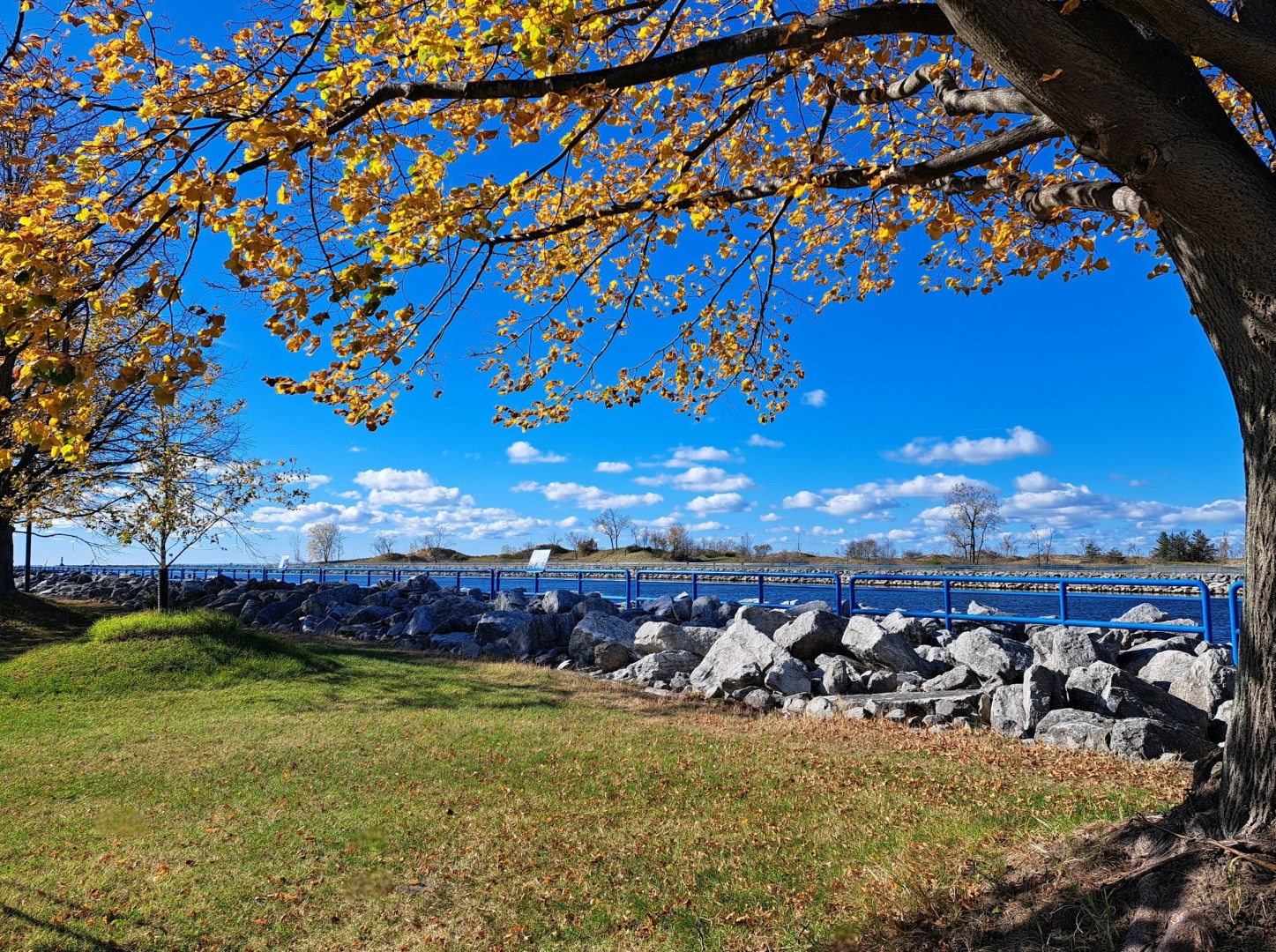
Northwest of Grand Rapids, it has a natural safe harbor off Lake Michigan