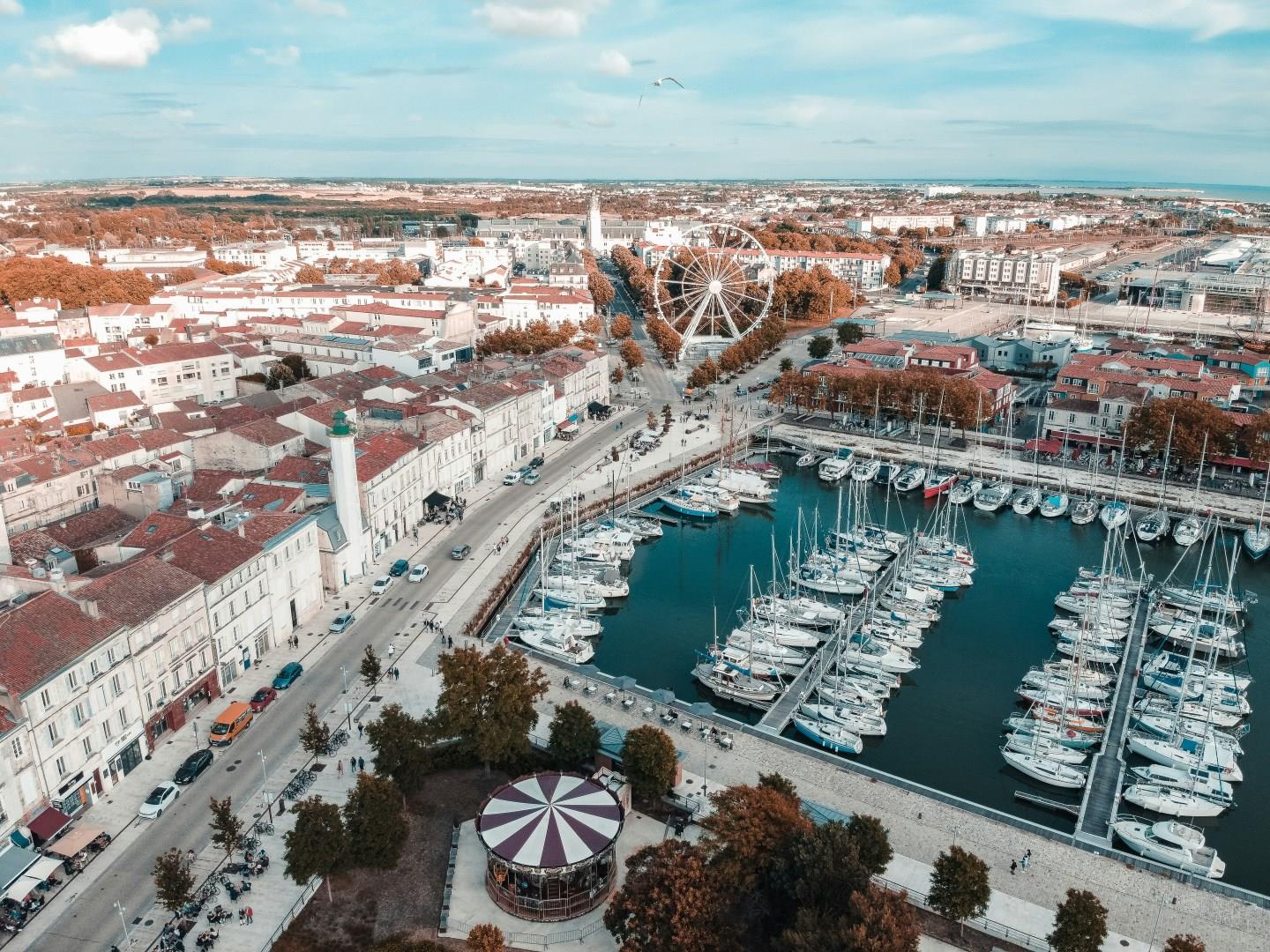
La Rochelle sits on France’s Atlantic coast, shaped by centuries of maritime trade, independence, and outward-looking ambition. Once a powerful port with strong Protestant roots, the city developed a reputation for autonomy that still colors its identity. Its old harbor, guarded by medieval towers, reflects a history tied to navigation, commerce, and connections far beyond western France.
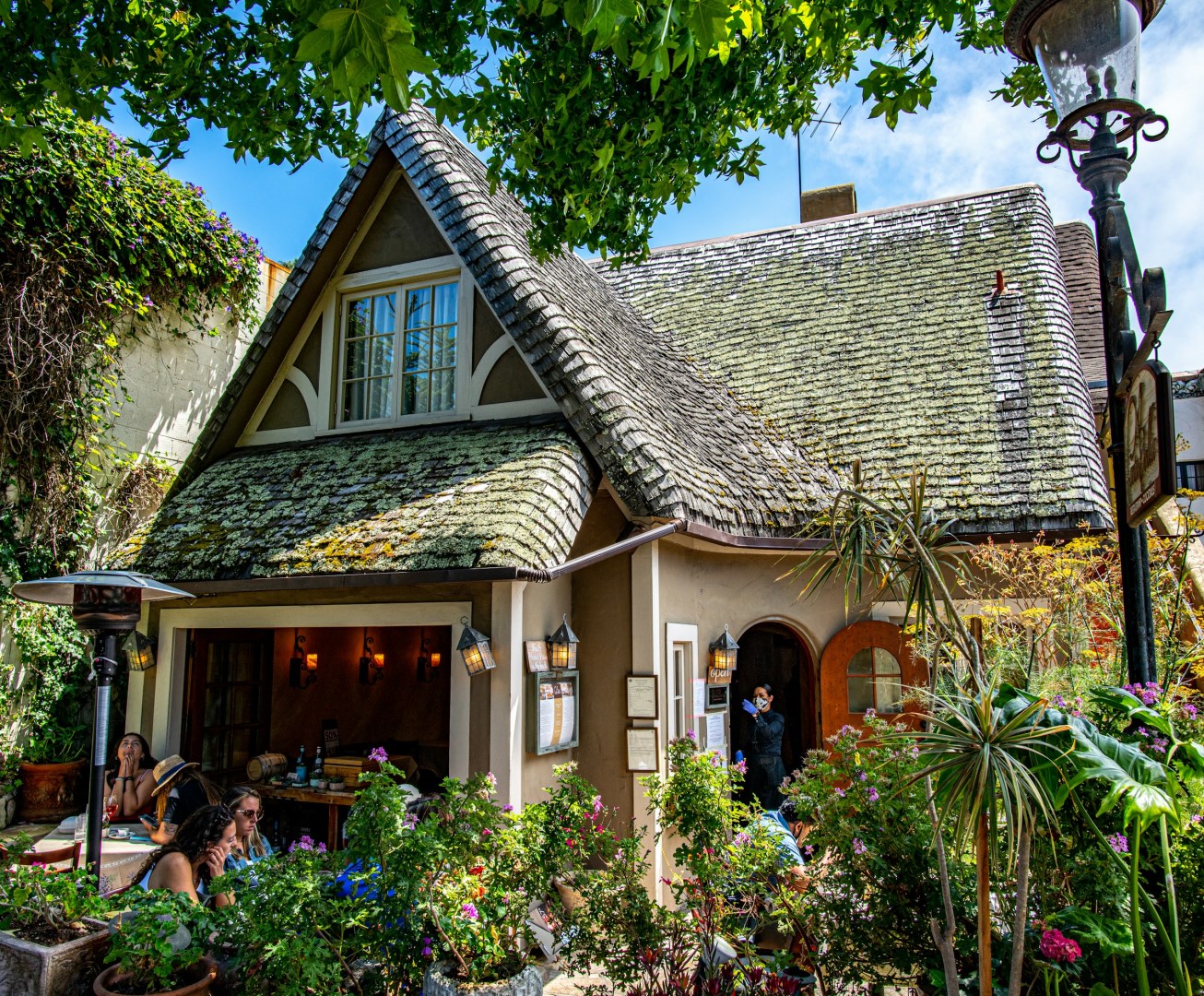
Carmel-by-the-Sea is a small coastal city on California’s Monterey Peninsula, overlooking Carmel Bay and the Pacific Ocean. The community is known for its compact village center, white-sand beach, cypress trees, and architecture that includes distinctive cottages and courtyards. Much of the commercial district can be explored on foot, with galleries, restaurants, boutiques, and wine-tasting rooms concentrated within a small area.
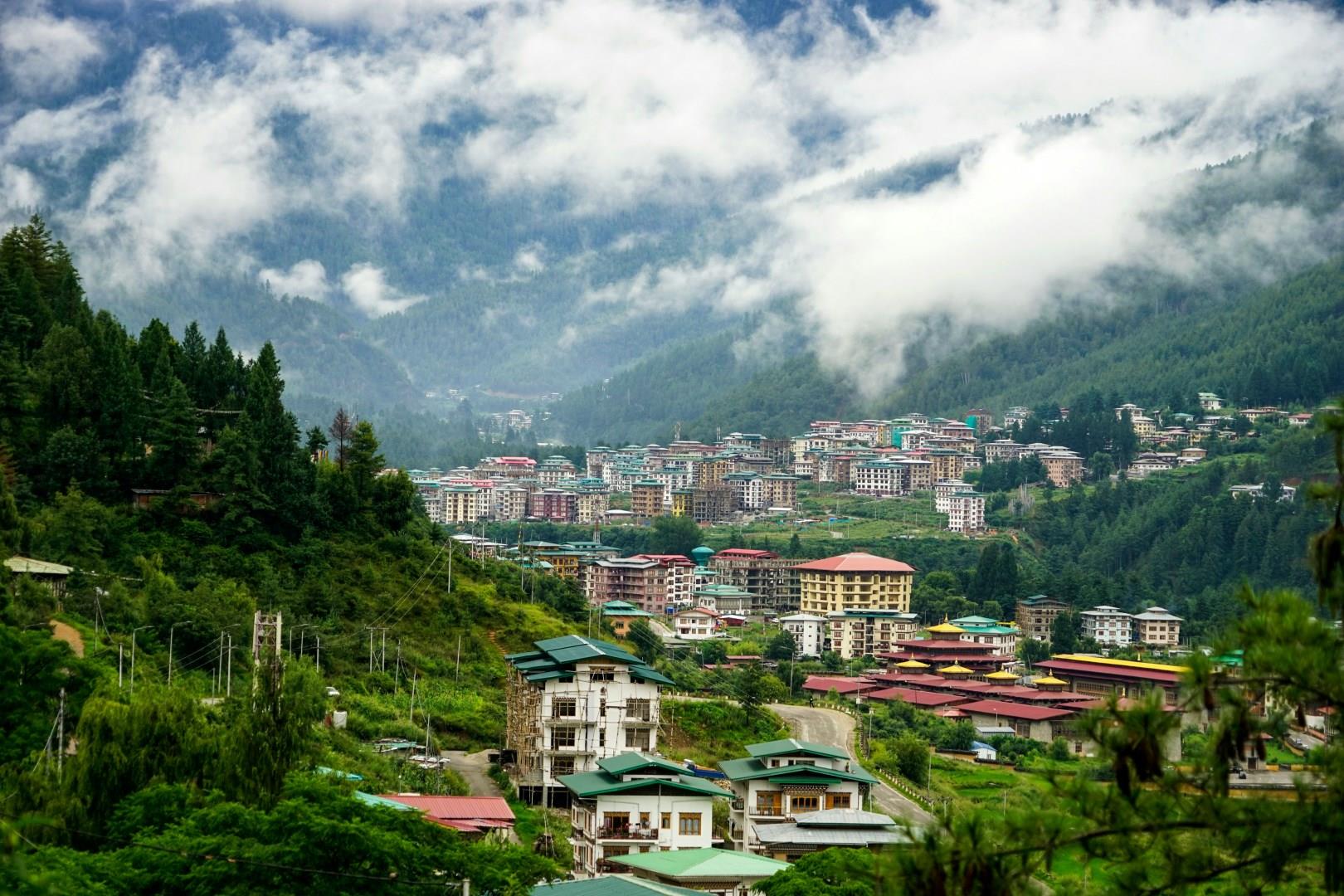
Thimphu, the capital of Bhutan, is a city where tradition and modern life meet in unexpected ways. Streets are lined with traditional Bhutanese architecture, colorful prayer flags, and shops selling handicrafts, while government offices and modern facilities operate alongside centuries-old temples.
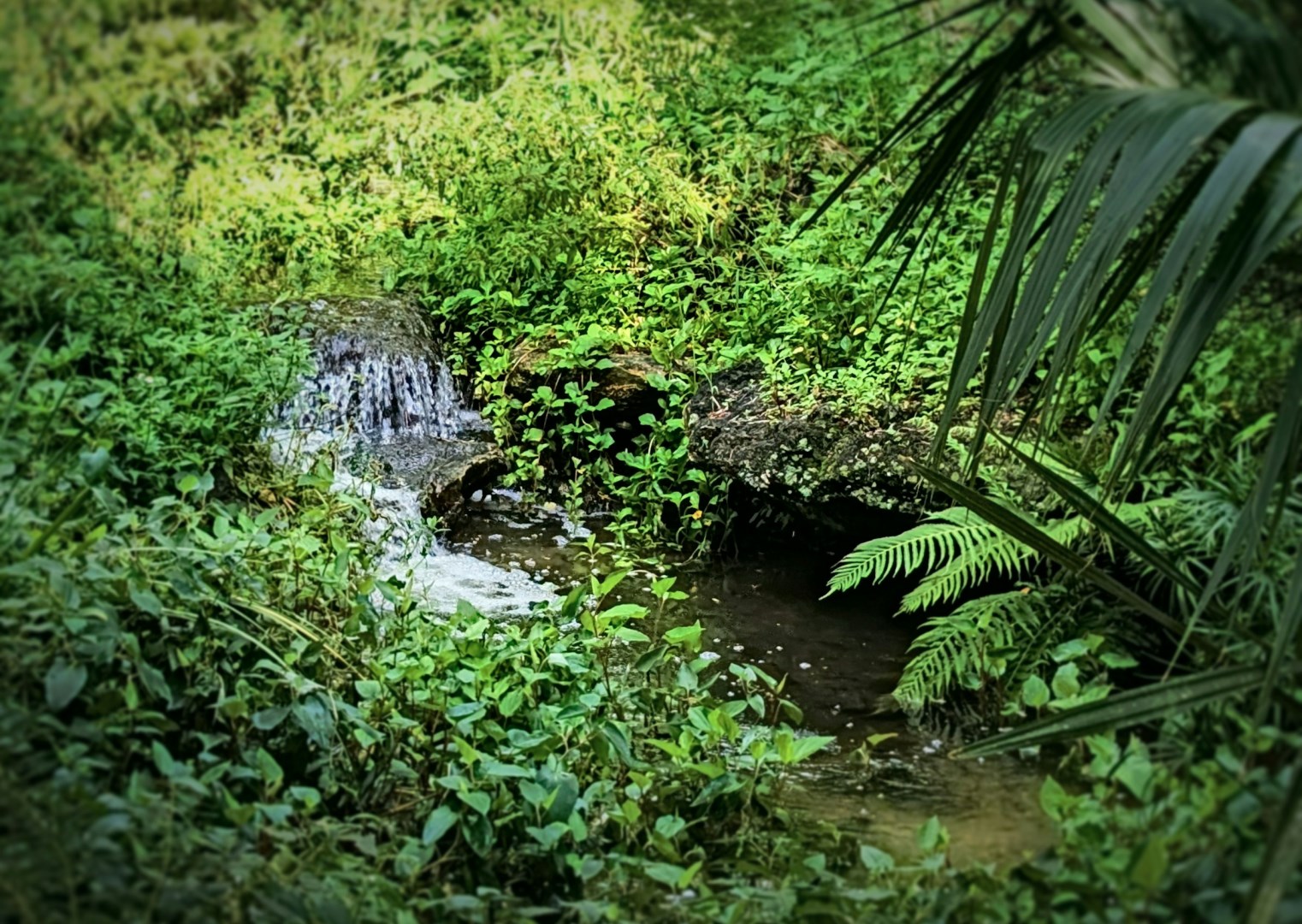
Gainesville is a north-central Florida city known for its university community, natural areas, and strong connection to education and research. The city is home to the University of Florida, whose campus is a major part of local life and culture. Gainesville is surrounded by rolling terrain, freshwater springs, forests, and wetlands, giving it a landscape that differs from Florida’s coastal cities.
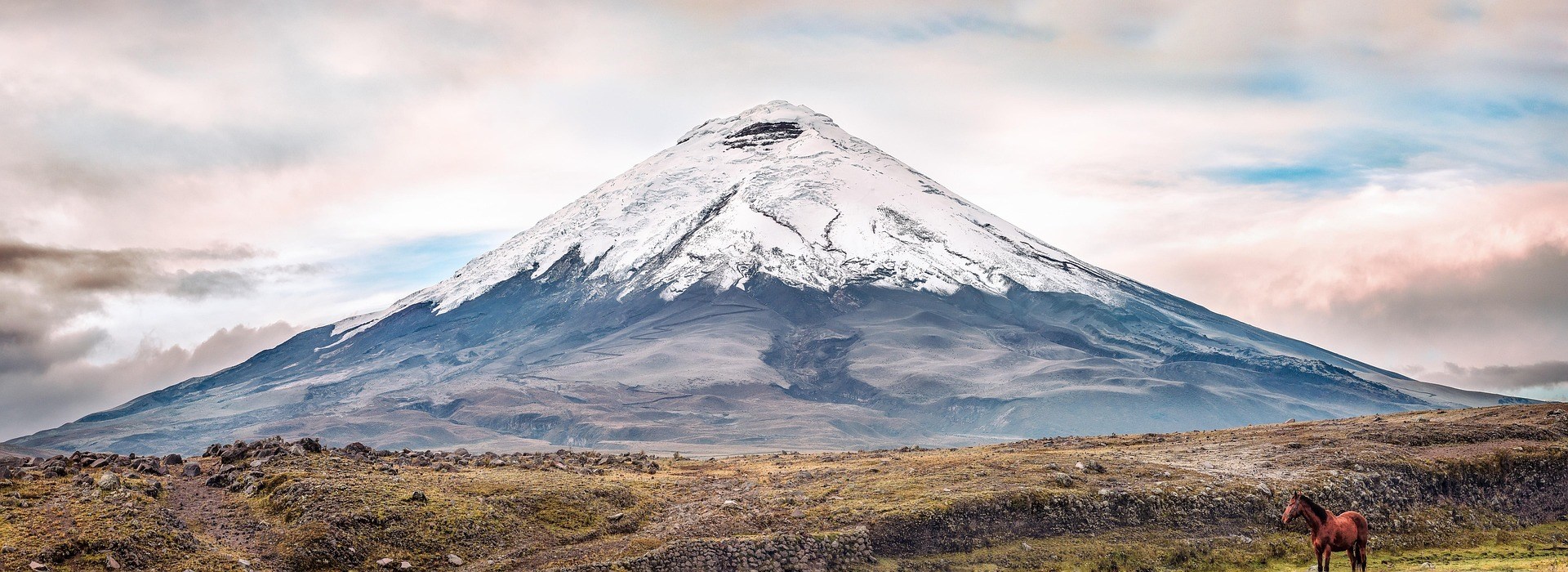
Cotopaxi National Park is a protected Andean landscape in Ecuador, located around the snow-capped Cotopaxi volcano and extending across the provinces of Cotopaxi, Pichincha, and Napo. Its high-altitude terrain includes volcanic plains, grasslands, wetlands, and rugged mountain slopes. Cotopaxi, one of the world's highest active volcanoes, dominates the park and rises above the surrounding páramo.
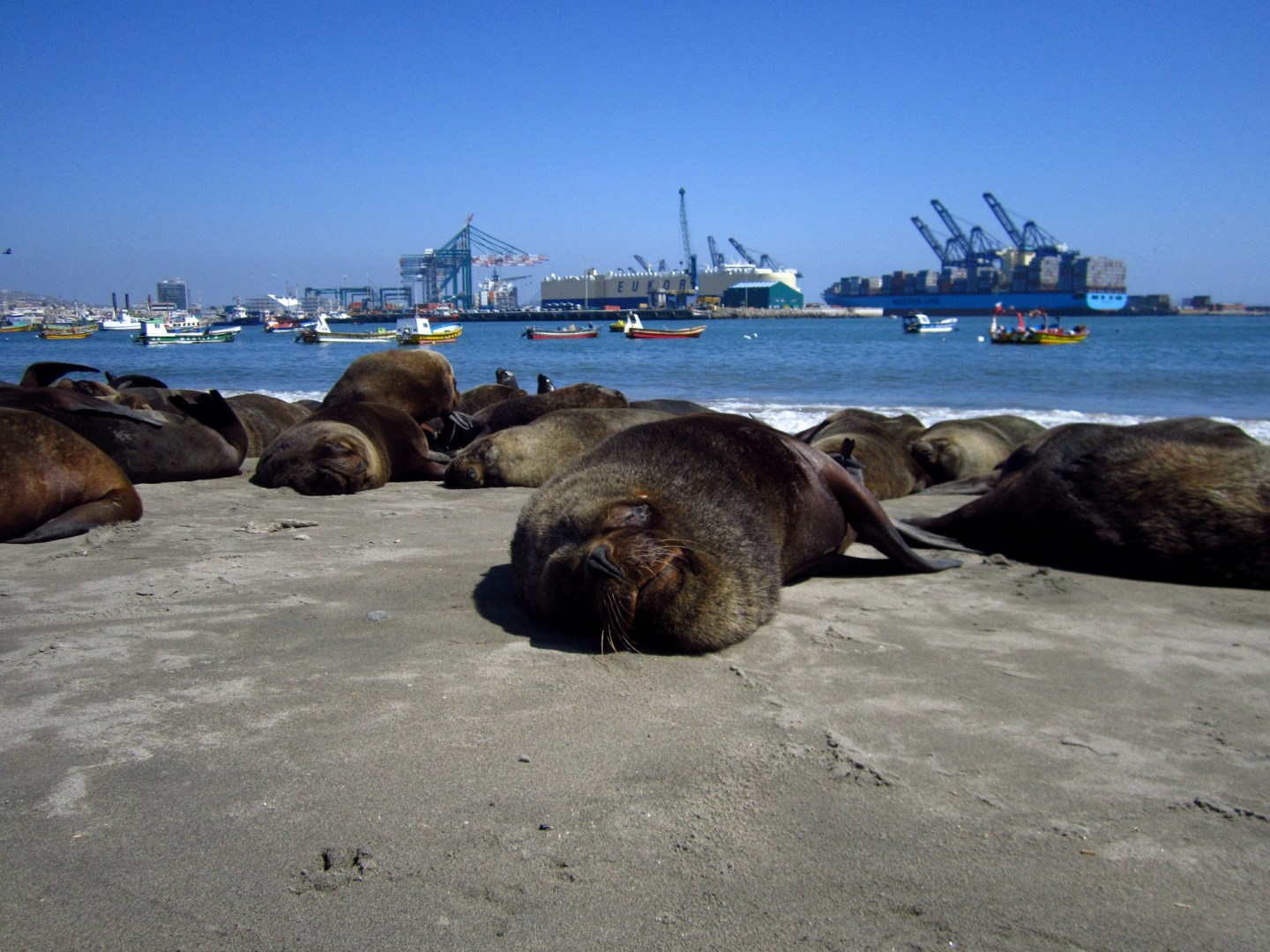
Photo Credit: Photo by Nicole Almendrada on Unsplash
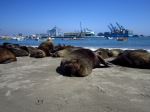
San Antonio, a coastal city in central Chile, offers a delightful blend of maritime charm and cultural vibrancy. Known for its bustling port and picturesque waterfront, San Antonio provides a gateway to the scenic beauty of the Chilean coast. The city's port is one of the most important in the country, making it a hub of activity and a key spot for experiencing Chile's maritime heritage. Visitors can explore the Port of San Antonio, where they can observe the busy workings of one of Chile's largest ports and enjoy the surrounding coastal views.
The city's lively Mercado de San Antonio is a must-visit destination. This bustling market offers an array of fresh seafood, fruits, and vegetables, reflecting the rich agricultural and marine resources of the region. Here, visitors can savor local specialties such as fresh ceviche and empanadas, experiencing the authentic flavors of Chilean cuisine. The market is also a vibrant place to witness daily life and interact with local vendors.
In addition to its maritime and culinary attractions, San Antonio is close to the beautiful beaches of the Algarrobo region, where visitors can relax on sandy shores and enjoy the mild Pacific waters. Algarrobo Beach and San Alfonso del Mar, renowned for its vast swimming pool, are particularly popular among those seeking a seaside retreat. The area offers opportunities for sunbathing, swimming, and various water sports.
A fun fact about San Antonio is that it is near the famous "San Alfonso del Mar" pool, which holds the Guinness World Record for the largest swimming pool in the world, stretching over 1,013 meters in length. Whether you're interested in maritime history, local cuisine, or simply soaking up the sun, San Antonio provides a delightful and diverse experience for all visitors.
Other Popular Destinations in Chile
Santiago
Flanked by the Chilean Coast Range and the snowy Andes, Chile's largest metropolis offers a dazzling array of sights and attractions for visitors to pursue. Mirrored skyscrapers, 16th-century churches, hip cafes, dance clubs... and did we mention the delicious Chilean cuisine?
San Pedro De Atacama
San Pedro de Atacama, a small town in northern Chile, sits at over 2,400 meters above sea level in one of the most geologically diverse areas on Earth. Surrounded by volcanoes, salt flats, geysers, and ancient lava flows, it has long served as a gateway to the Atacama Desert. This desert is the driest non-polar place in the world, where some weather stations have never recorded rainfall.