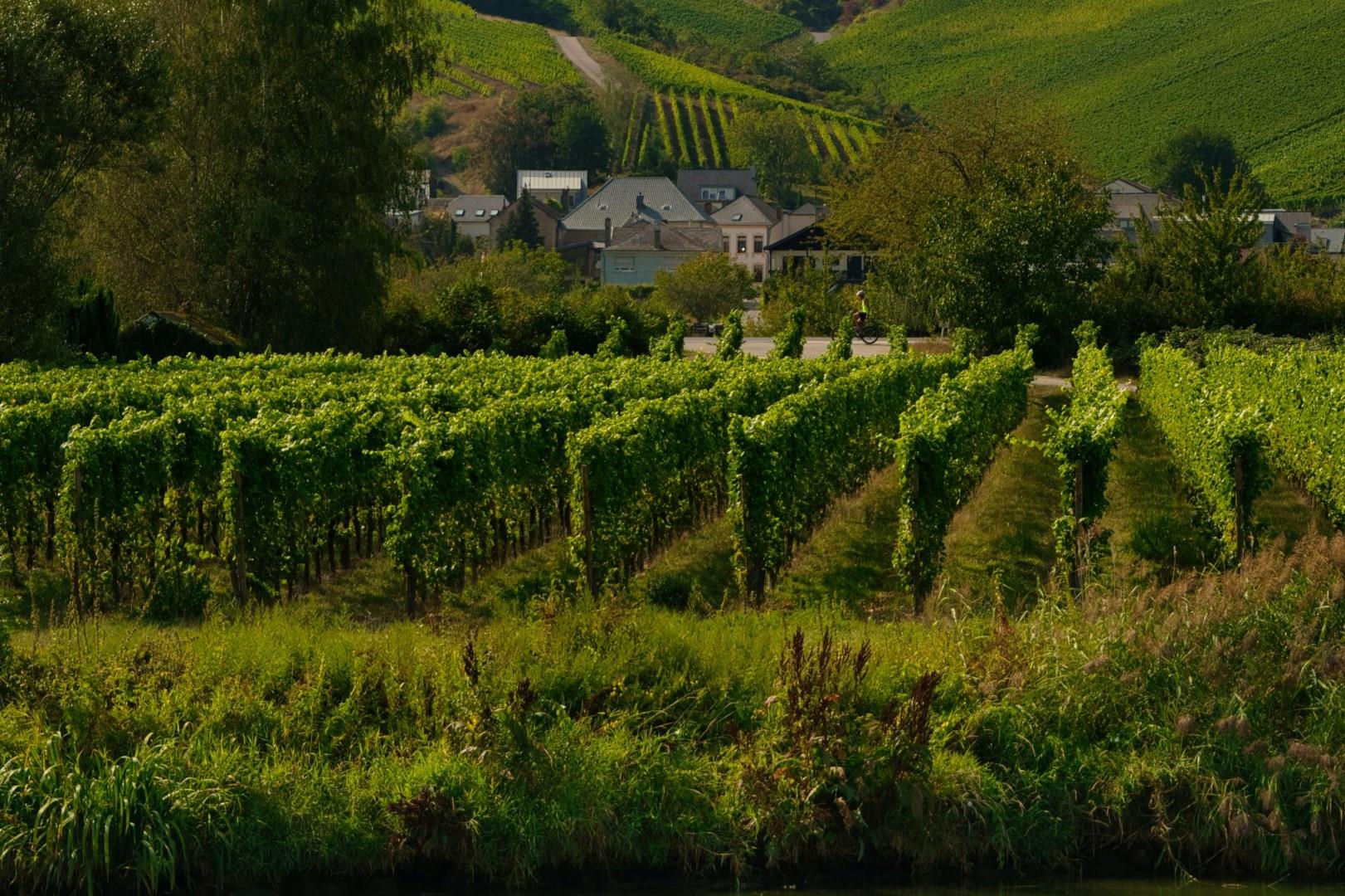
Remich, often referred to as the “Pearl of the Moselle,” is a captivating town nestled along the Moselle River in Luxembourg. This riverside gem is known for its historic vineyards that have shaped the region’s culture for centuries. Visitors can stroll along the river promenade, enjoying views of the gently flowing water framed by rolling hills covered in vineyards that produce some of Luxembourg’s finest wines.
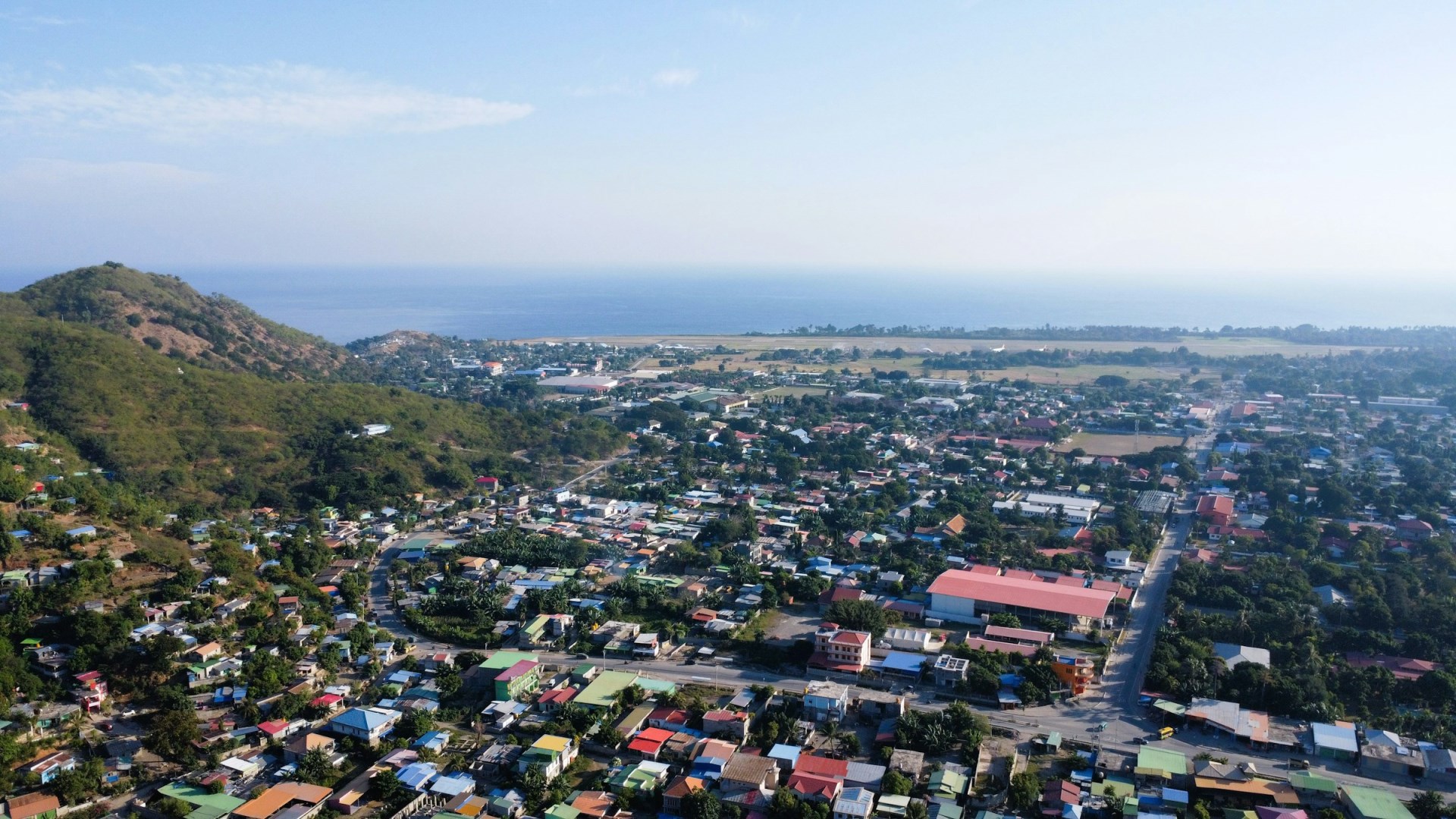
Dili is the capital and largest city of Timor-Leste, set along the country's northern coast between the sea and rugged mountain slopes. The city stretches around a broad bay, with beaches, government buildings, markets, residential neighborhoods, and busy streets forming its urban landscape. Mountains rise immediately south of the city, while the Ombai Strait extends north toward Atauro Island.
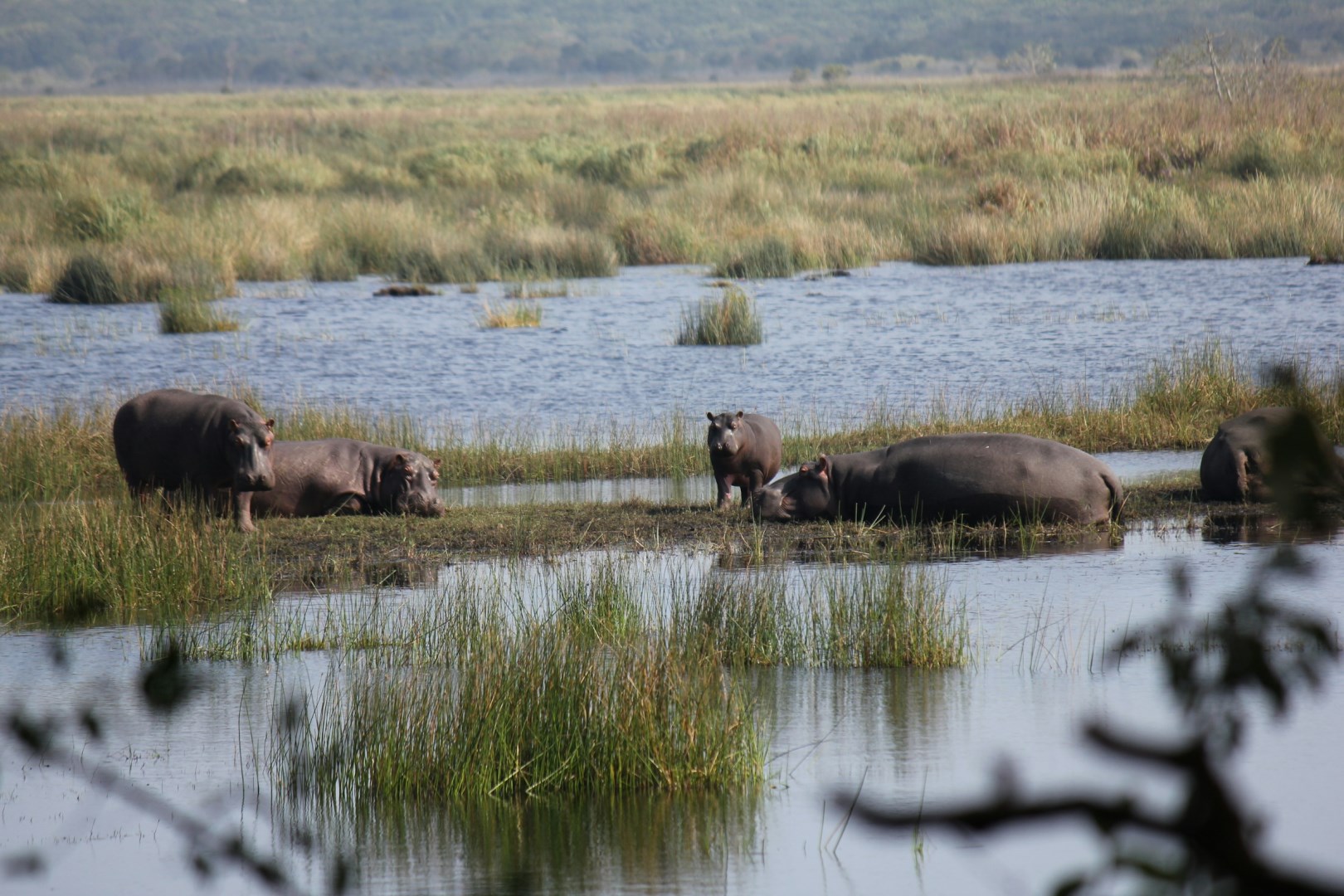
iSimangaliso Wetland Park stretches along the northern KwaZulu-Natal coast from Maphelane to the Mozambique border. It brings together beaches, coral reefs, coastal forests, dunes, lakes, wetlands, estuaries, grasslands, and savanna within one protected landscape. The park is South Africa’s first UNESCO World Heritage Site and includes several separate conservation areas linked by their ecological systems. Its name, iSimangaliso, is an isiZulu word associated with miracles and wonders.
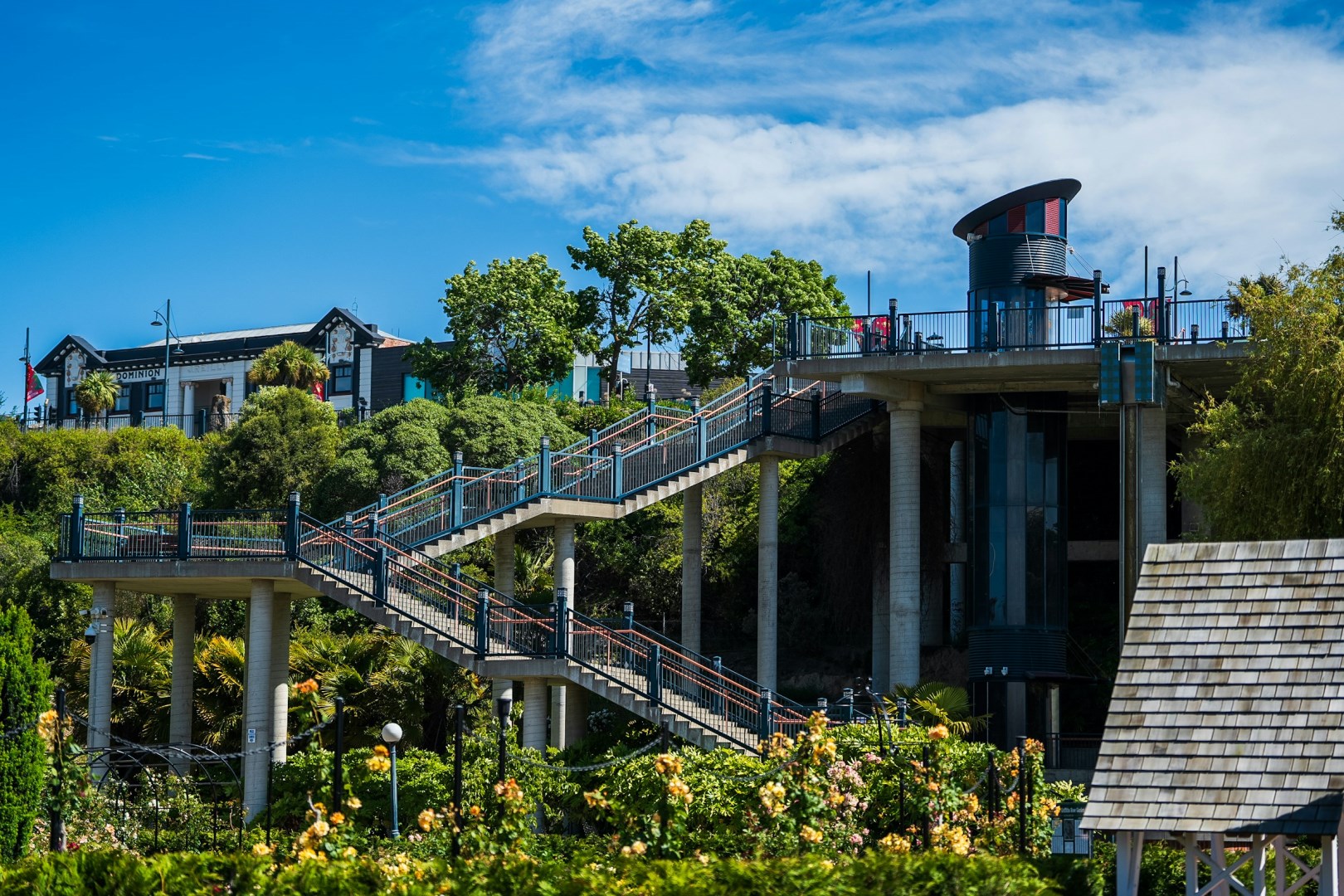
Timaru is located on an island off the east coast of New Zealand, between Christchurch and Dunedin. It is a main sea port for industry and farming, as well as a popular port of call, especially around the Christmas Holidays. Originally named "Te Maru - The Place of Shelter", this port town was built as a whaling station until immigrants from England arrived in 1859, and the town was finally declared a city in 1948.
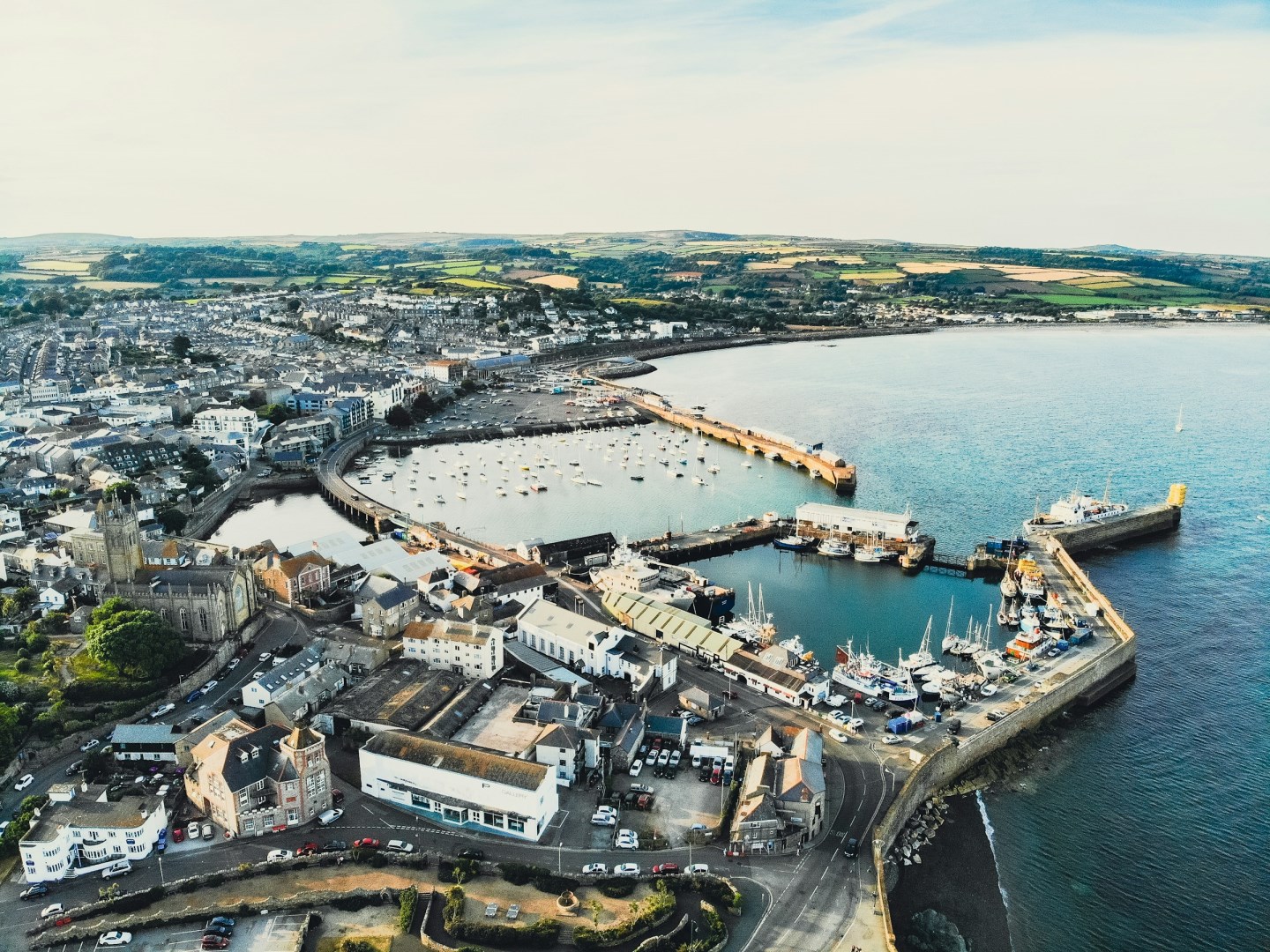
This fishing port in southwestern England's county of Cornwall rests along the sheltered Mount's Bay and is blessed with a mild climate year-round, as evidenced by the subtropical plants in Morrab gardens. Near Penzance is the town of St.Ives, a quaint place with a reputation as an artist's colony.
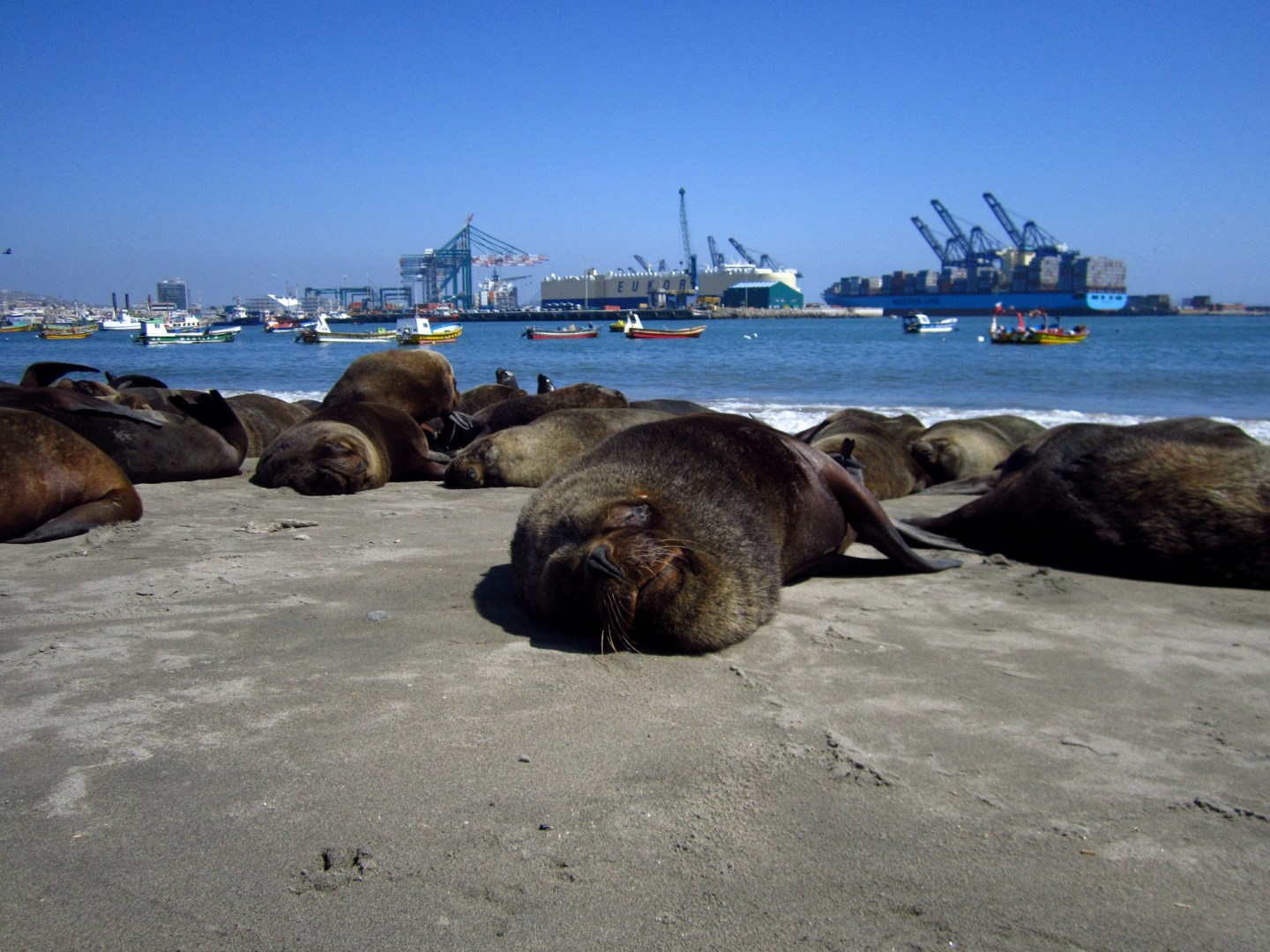
Photo Credit: Photo by Nicole Almendrada on Unsplash
San Antonio, a coastal city in central Chile, offers a delightful blend of maritime charm and cultural vibrancy. Known for its bustling port and picturesque waterfront, San Antonio provides a gateway to the scenic beauty of the Chilean coast. The city's port is one of the most important in the country, making it a hub of activity and a key spot for experiencing Chile's maritime heritage. Visitors can explore the Port of San Antonio, where they can observe the busy workings of one of Chile's largest ports and enjoy the surrounding coastal views.
The city's lively Mercado de San Antonio is a must-visit destination. This bustling market offers an array of fresh seafood, fruits, and vegetables, reflecting the rich agricultural and marine resources of the region. Here, visitors can savor local specialties such as fresh ceviche and empanadas, experiencing the authentic flavors of Chilean cuisine. The market is also a vibrant place to witness daily life and interact with local vendors.
In addition to its maritime and culinary attractions, San Antonio is close to the beautiful beaches of the Algarrobo region, where visitors can relax on sandy shores and enjoy the mild Pacific waters. Algarrobo Beach and San Alfonso del Mar, renowned for its vast swimming pool, are particularly popular among those seeking a seaside retreat. The area offers opportunities for sunbathing, swimming, and various water sports.
A fun fact about San Antonio is that it is near the famous "San Alfonso del Mar" pool, which holds the Guinness World Record for the largest swimming pool in the world, stretching over 1,013 meters in length. Whether you're interested in maritime history, local cuisine, or simply soaking up the sun, San Antonio provides a delightful and diverse experience for all visitors.
Other Popular Destinations in Chile
Santiago
Flanked by the Chilean Coast Range and the snowy Andes, Chile's largest metropolis offers a dazzling array of sights and attractions for visitors to pursue. Mirrored skyscrapers, 16th-century churches, hip cafes, dance clubs... and did we mention the delicious Chilean cuisine?
San Pedro De Atacama
San Pedro de Atacama, a small town in northern Chile, sits at over 2,400 meters above sea level in one of the most geologically diverse areas on Earth. Surrounded by volcanoes, salt flats, geysers, and ancient lava flows, it has long served as a gateway to the Atacama Desert. This desert is the driest non-polar place in the world, where some weather stations have never recorded rainfall.