Abha
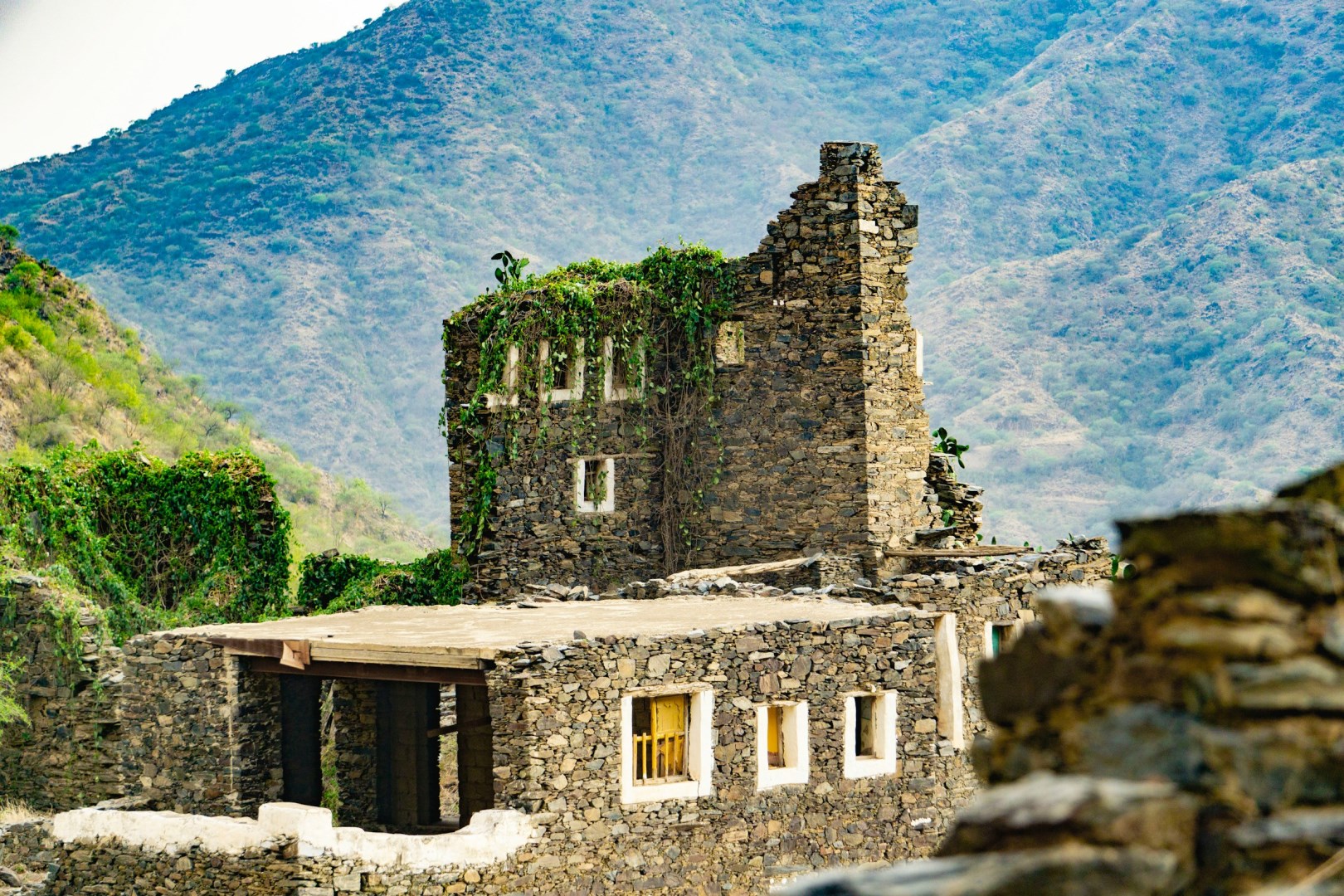
Abha, the capital of Saudi Arabia’s Asir Province, is a scenic mountain city set nearly 2,200 meters (7,200 feet) above sea level in the Sarawat Mountains. Known for its mild climate, lush green hills, and misty peaks, it stands in striking contrast to the country’s desert landscapes.
Mount Fuji
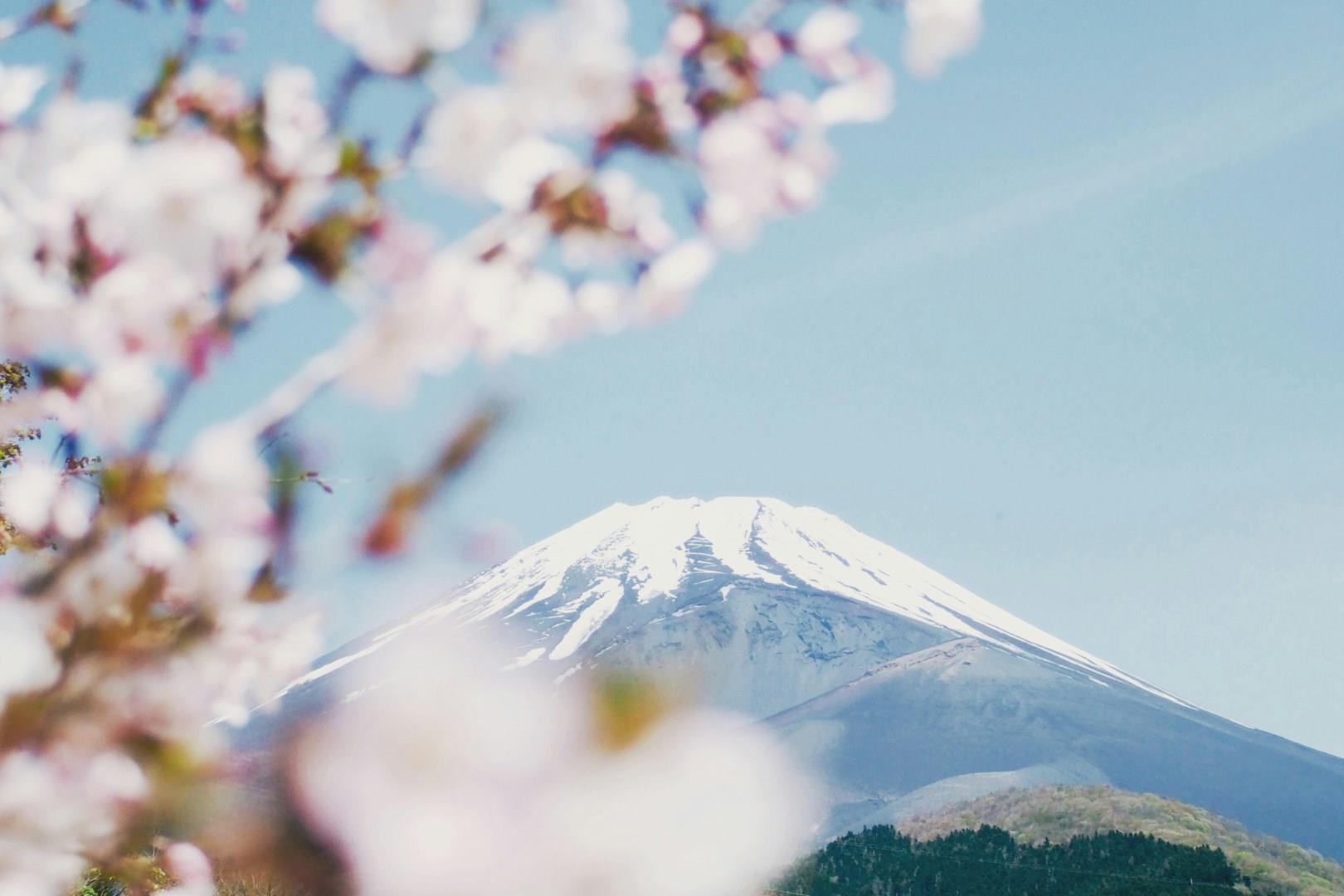
Mount Fuji rises above central Japan as both a physical landmark and a cultural symbol, long associated with pilgrimage, art, and seasonal ritual.
Hokkaido
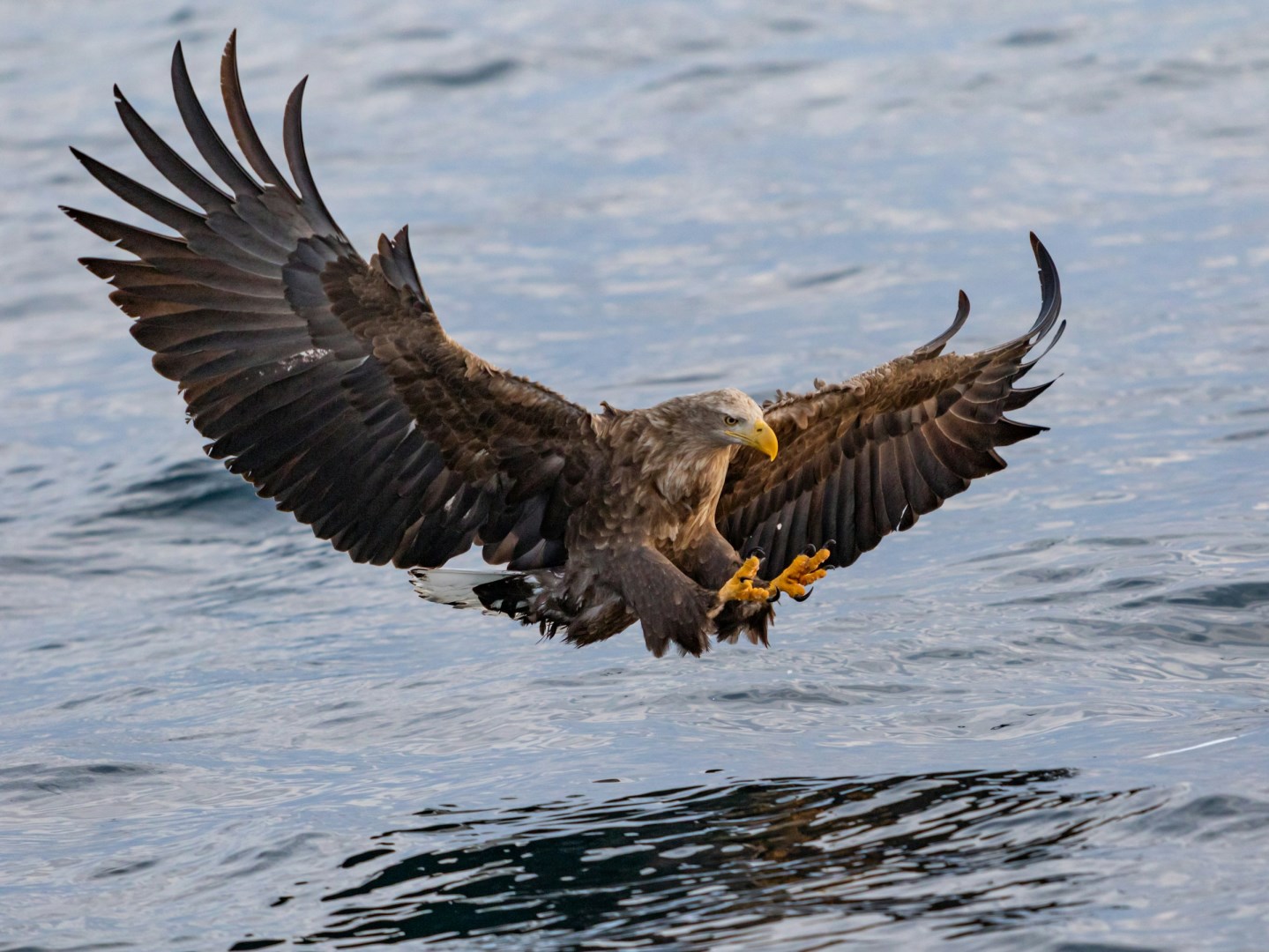
Hokkaido is Japan's northernmost main island and the country's second-largest island, known for broad landscapes, volcanic mountains, forests, lakes, and a cooler climate than most of Japan. Sapporo serves as the prefectural capital and largest city, while smaller communities extend across farmland, coastlines, and mountain regions.
Kotka
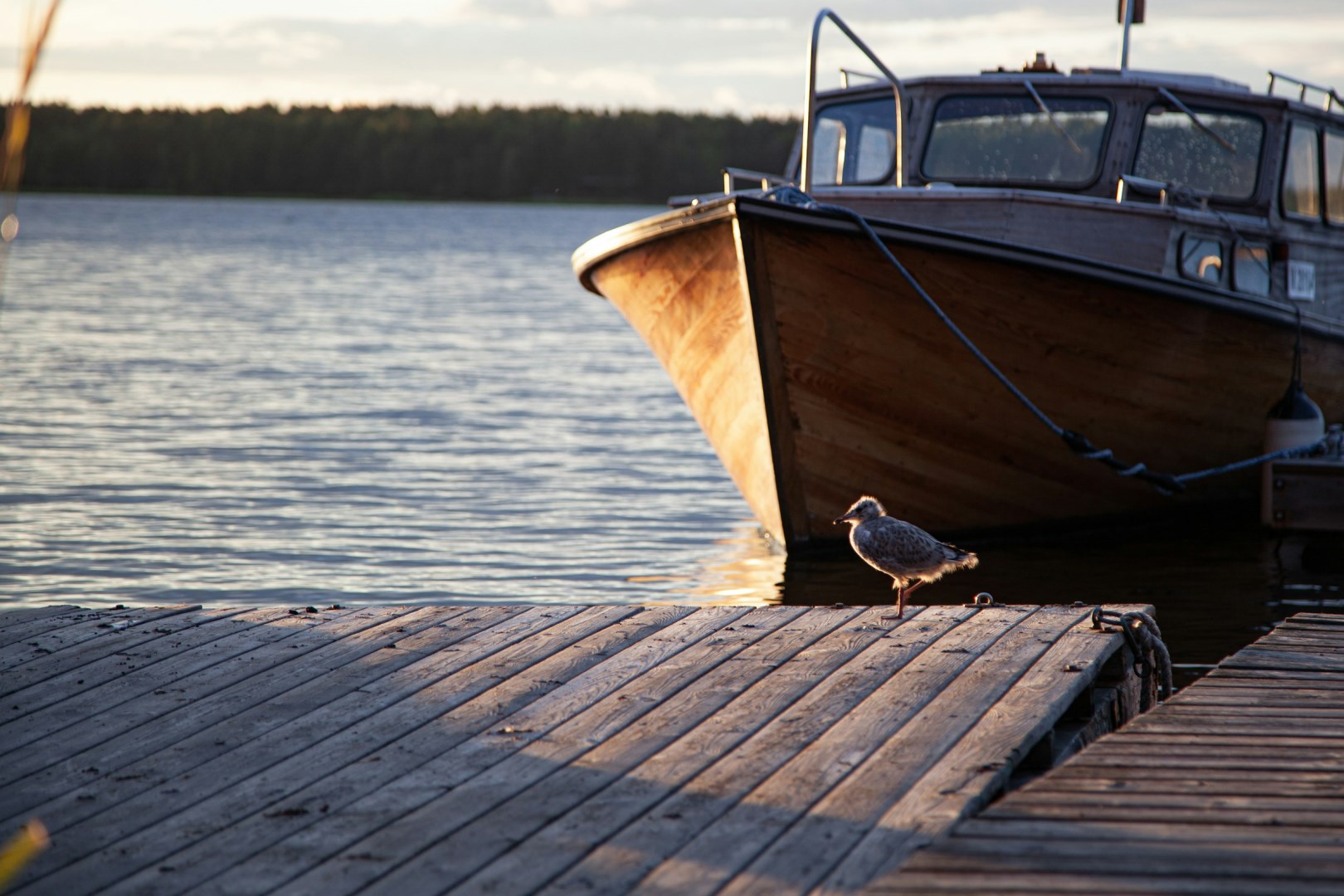
Located on the southern coast of Finland at the delta of the Kymi river, the city of Kotka is a major Finnish sea port. Perhaps the best-known attraction of this multicultural and creative city is the country's largest urban maritime festival, an annual celebration that includes boating events, dance and music performances, and Finland's largest parade which marks the beginning of the city-wide event.
Limpopo
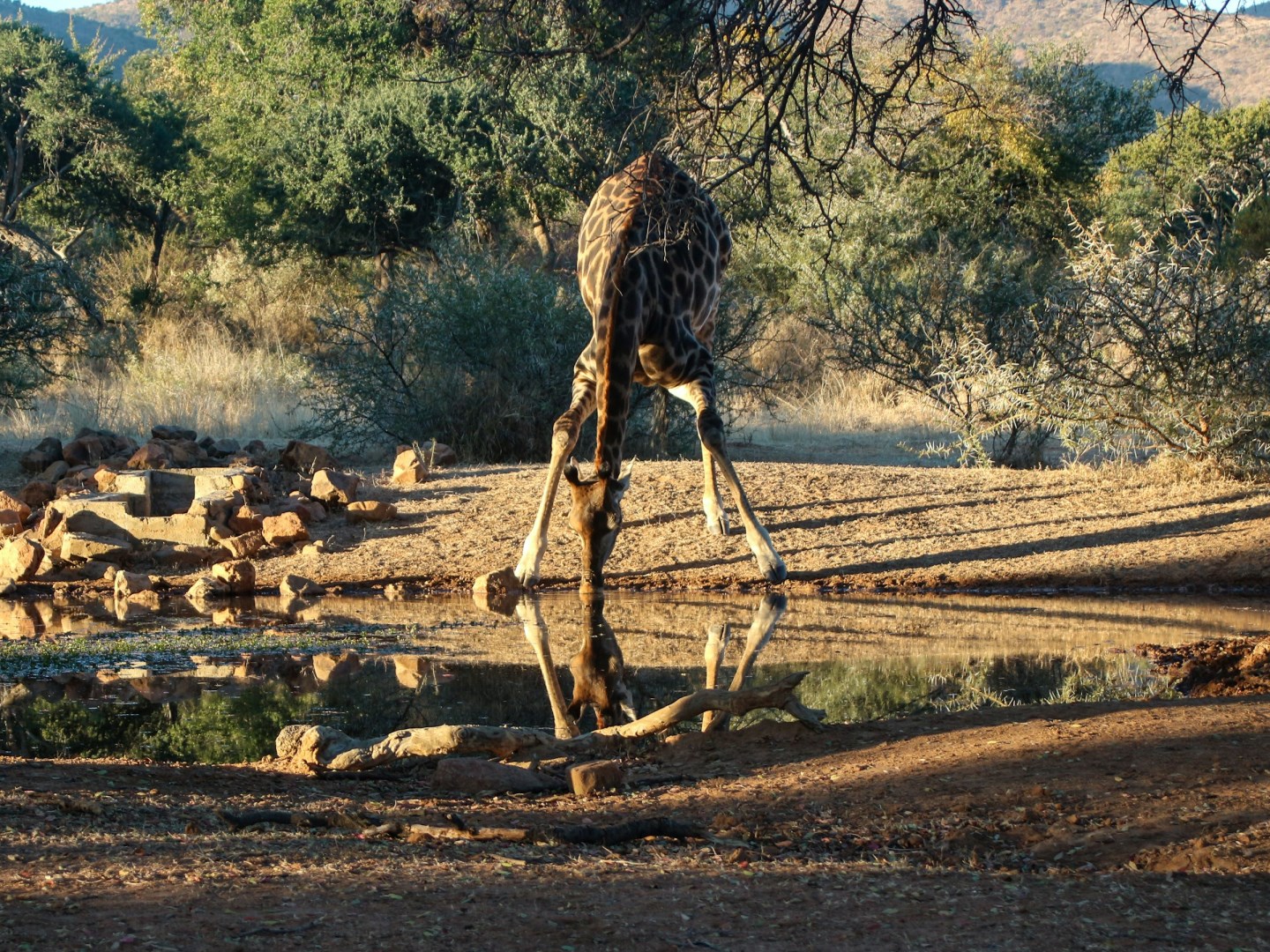
Limpopo is South Africa’s northernmost province, sharing international borders with Botswana, Zimbabwe, and Mozambique. Its landscape ranges from the bushveld and baobab-studded plains of the north to the Soutpansberg Mountains, escarpment forests, and fertile valleys of the south. The province is strongly associated with wildlife, with large protected areas forming part of the Greater Kruger ecosystem.