Frutillar
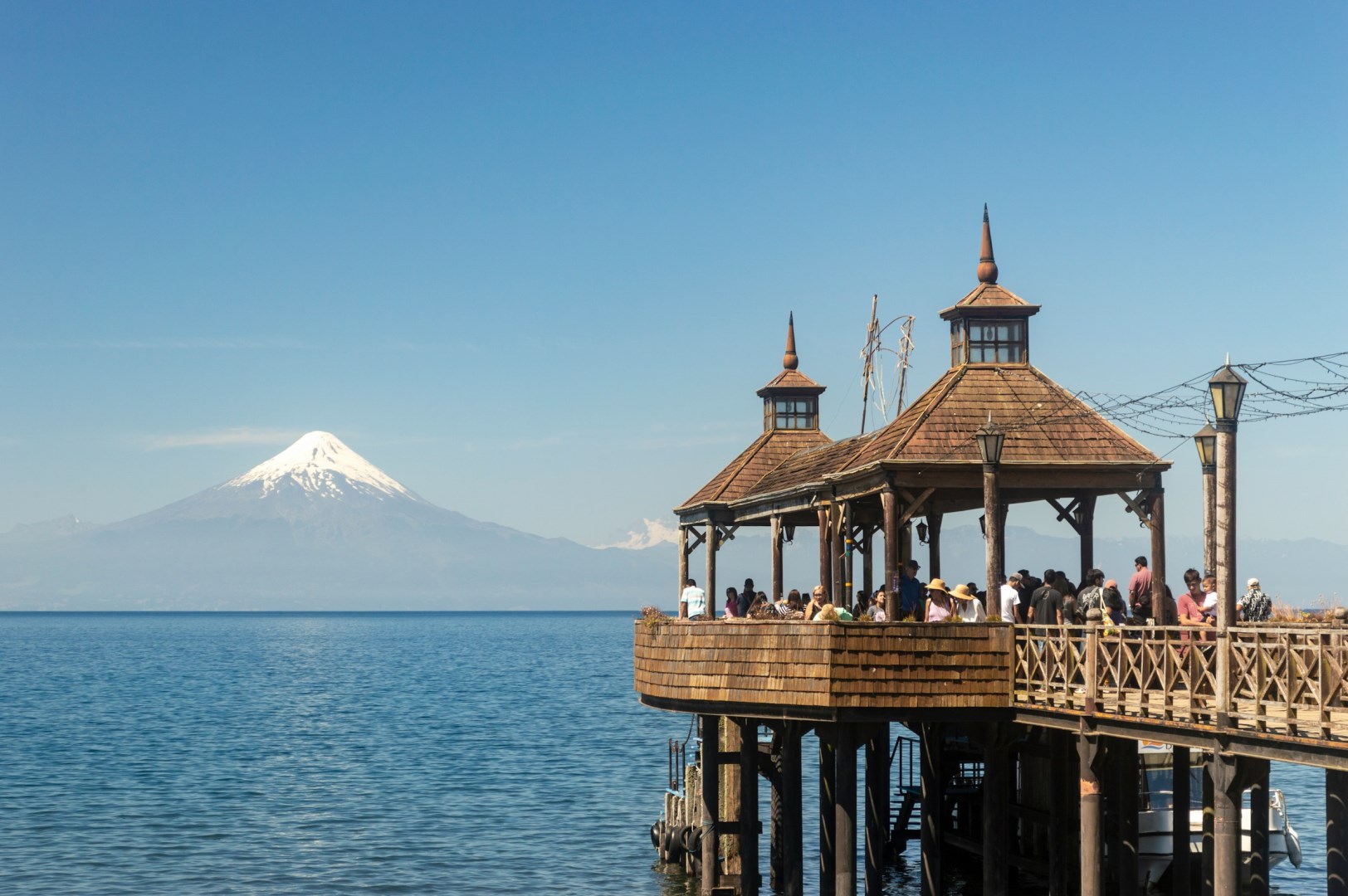
Frutillar is a small city on the western shore of Lake Llanquihue in southern Chile, with views across the water toward the snow-covered Osorno, Puntiagudo, Tronador, and Calbuco volcanoes. Its waterfront is defined by a long promenade, gardens, and dark volcanic-stone beaches, while wooden houses and carefully maintained public spaces give the town a distinctive appearance.
La Libertad
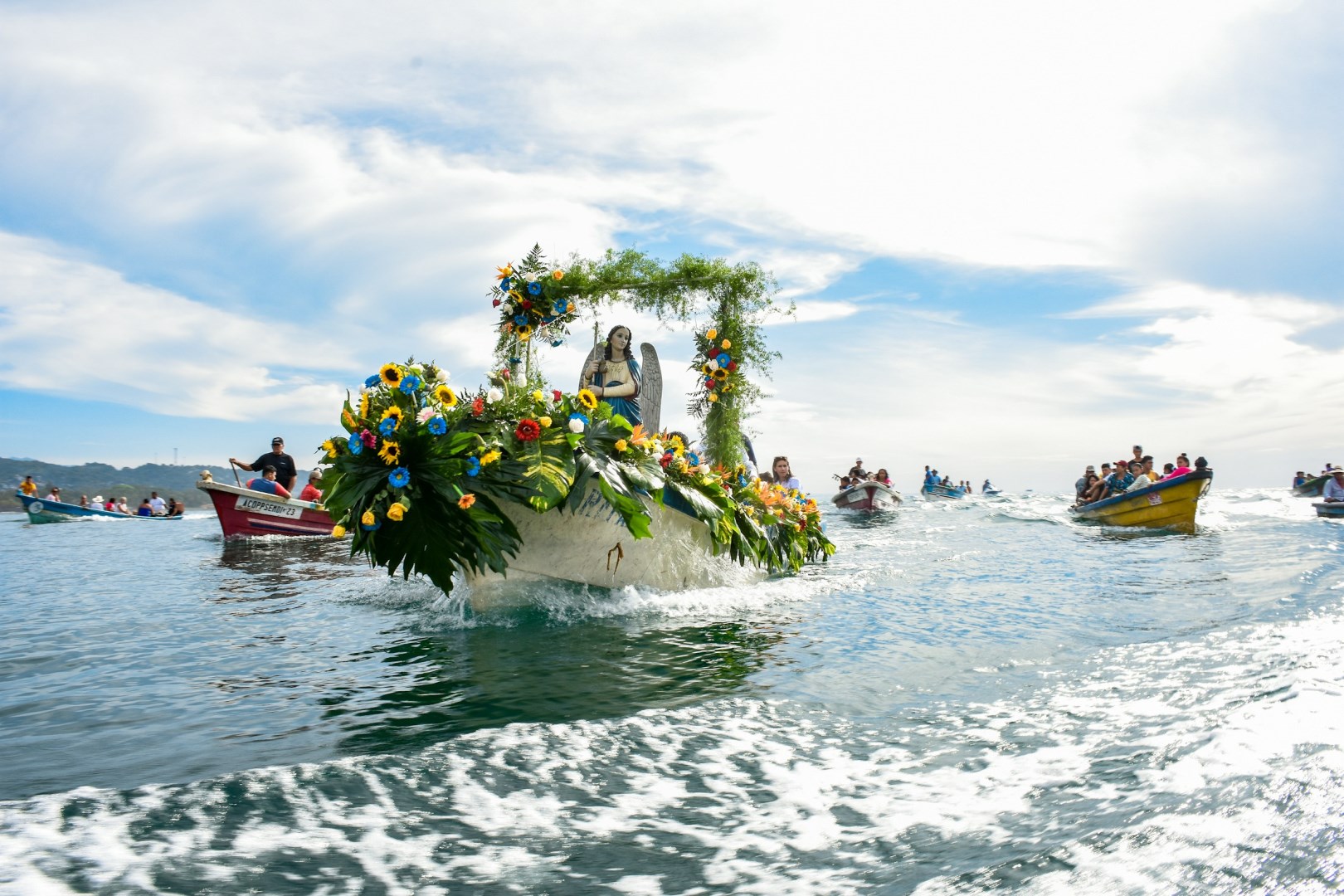
La Libertad is a coastal city in El Salvador known for its working port, fishing traditions, beaches, and strong connection to the Pacific Ocean. Located within easy reach of San Salvador, the city serves as a gateway to the country's Surf City coastline. Its waterfront combines a fishing dock, seafood market, restaurants, beaches, and public spaces.

Tarragona
The Port of Tarragona is located in one of the most active economic areas of the Spanish Mediterranean, where the main petrochemical complex of the Spanish State is located.
Nyerere National Park
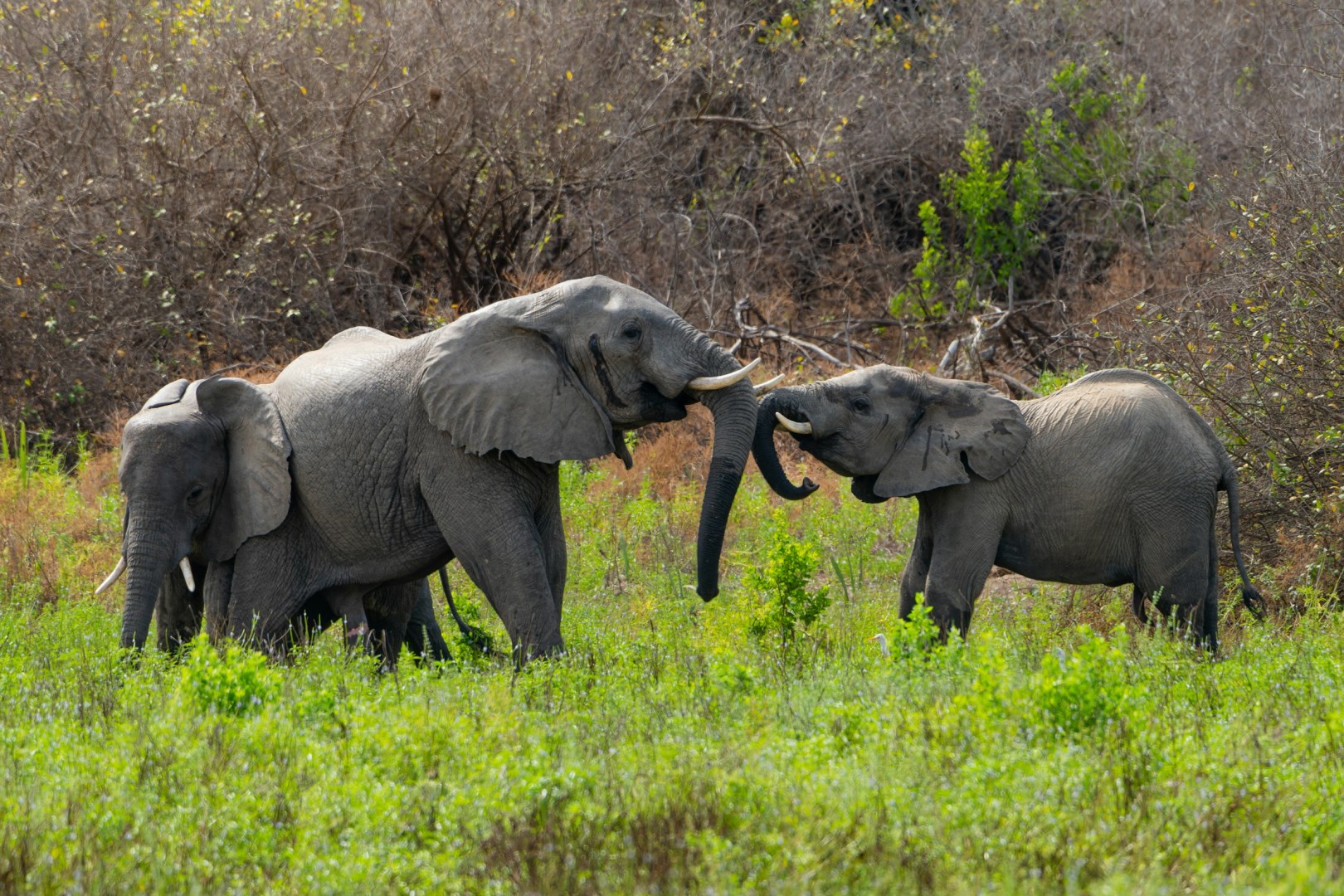
Nyerere National Park is a vast protected area in southern Tanzania, centered on the Rufiji River and the surrounding miombo woodlands, floodplains, grasslands, and wetlands. It forms part of the wider Selous ecosystem and is one of Tanzania’s largest national parks, covering more than 30,000 square kilometres.
Balboa
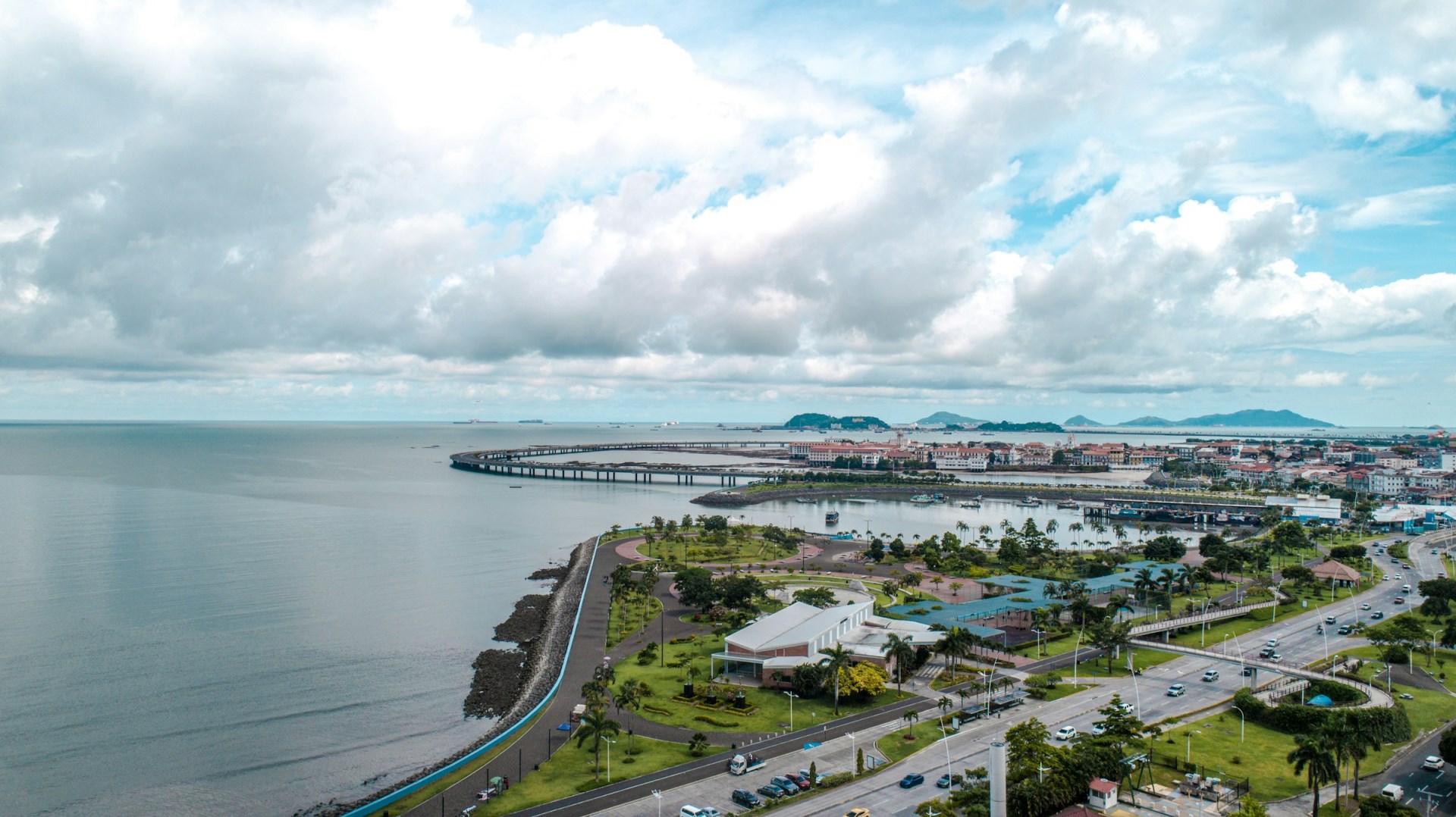
Balboa, Panama rests on the Southern tip of the Panama Canal, with the capital city of Panama lying just on the opposite side. It is a wonderful tourist community for anyone visiting the Panama Canal.