Osa Peninsula
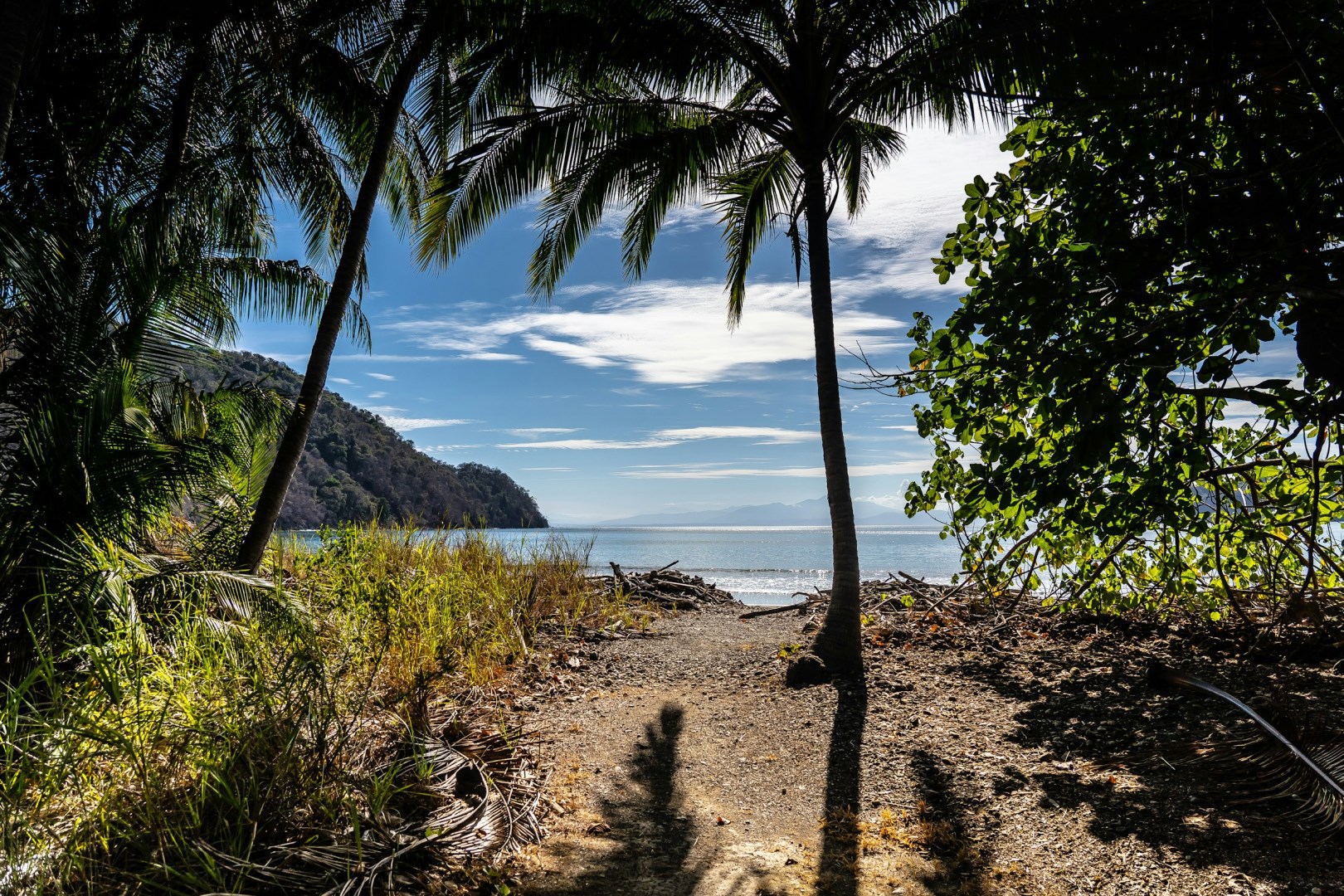
The Osa Peninsula extends into the Pacific Ocean from southern Costa Rica's Puntarenas Province, forming a remote region of rainforest, rivers, beaches, mangroves, and coastal waters. Much of the peninsula remains forested, with small communities such as Puerto Jiménez, Drake Bay, and Carate providing access to the surrounding landscape.

Europe
Europe is a continent where centuries of history, diverse cultures, and striking landscapes are woven together. From the snowy peaks of the Alps to the sun-soaked shores of the Mediterranean, each region offers its own distinct character and traditions.
Manompana
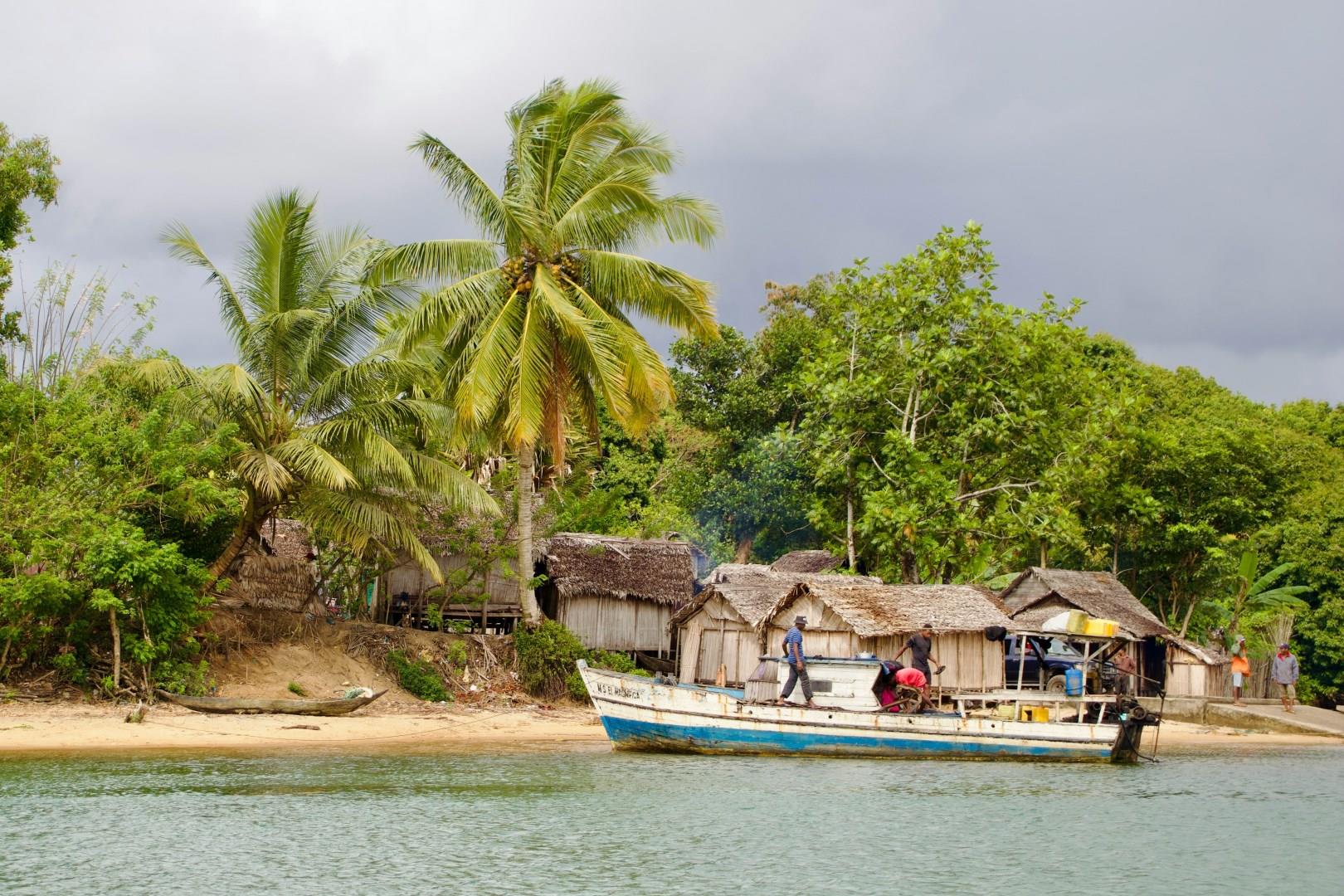
Manompana is a small coastal town in northeastern Madagascar, located in the Analanjirofo Region along the Indian Ocean. The town sits at a low elevation and enjoys a tropical rainforest climate, with warm temperatures and abundant rainfall throughout the year.
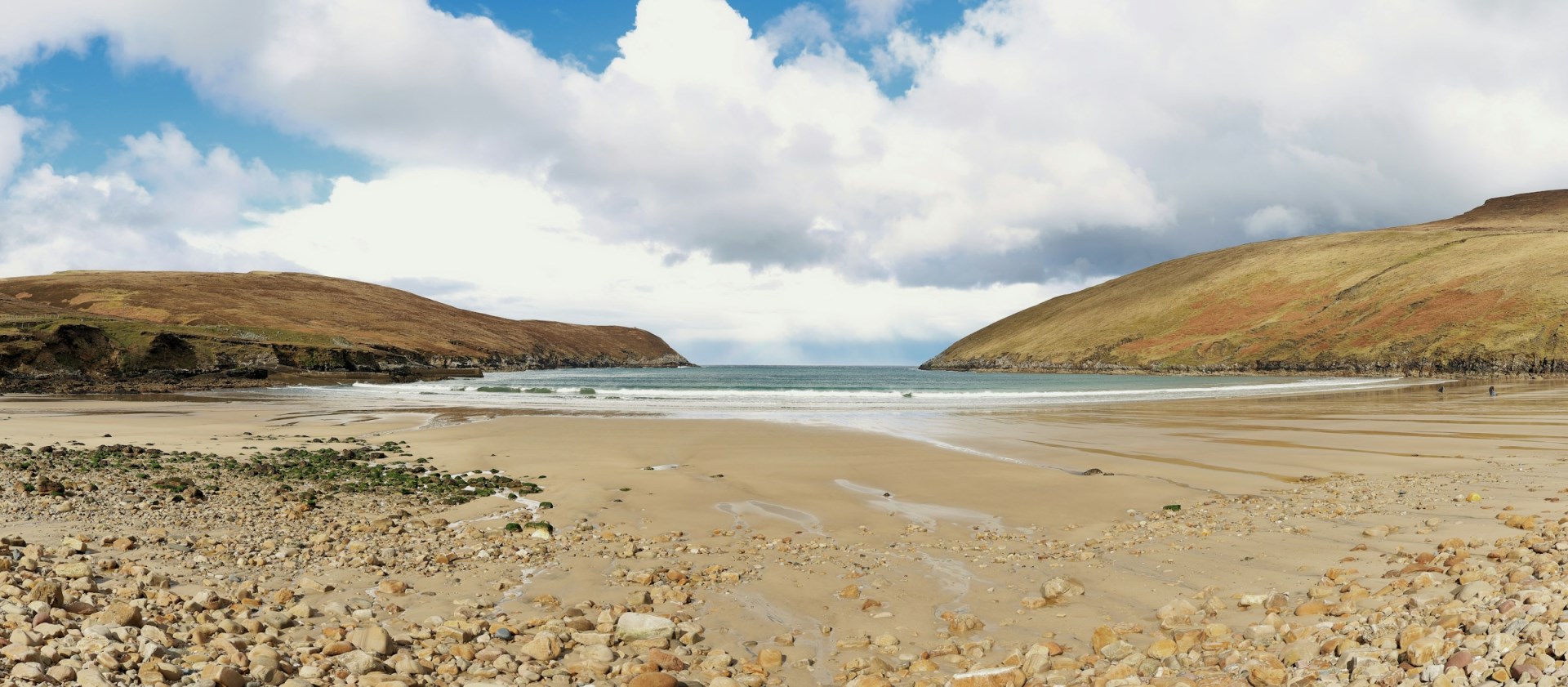
County Mayo
Mayo, located in the west of Ireland, is a region that encapsulates the natural beauty and historical depth of the Emerald Isle. Dominated by rugged landscapes and rolling hills, Mayo is a haven for those who love the great outdoors. The Croagh Patrick, Ireland's holy mountain, stands as a prominent feature, drawing pilgrims and hikers alike to its challenging ascent and breathtaking views.

Gili Indah
Gili Indah is a village and administrative area in North Lombok Regency, West Nusa Tenggara, encompassing the three well-known Gili Islands: Gili Trawangan, Gili Meno, and Gili Air. The area lies off the northwest coast of Lombok and includes beaches, coral reefs, shallow lagoons, and small coastal communities.