Philippines
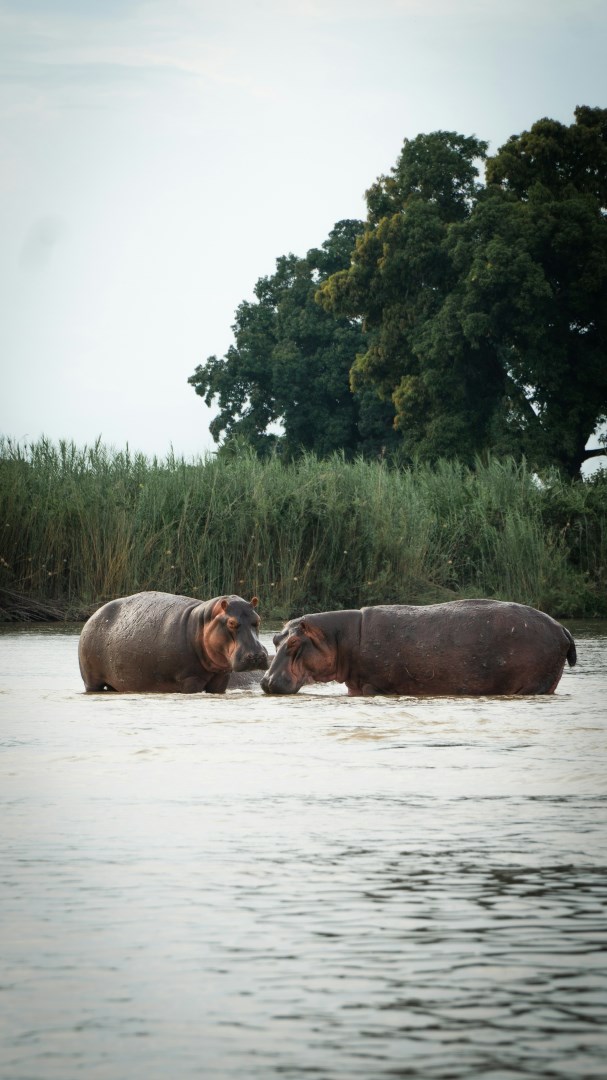
The Philippines is an archipelago of more than 7,600 islands in Southeast Asia, known for its striking coastlines, tropical forests, and vibrant cultural diversity.
Fatima
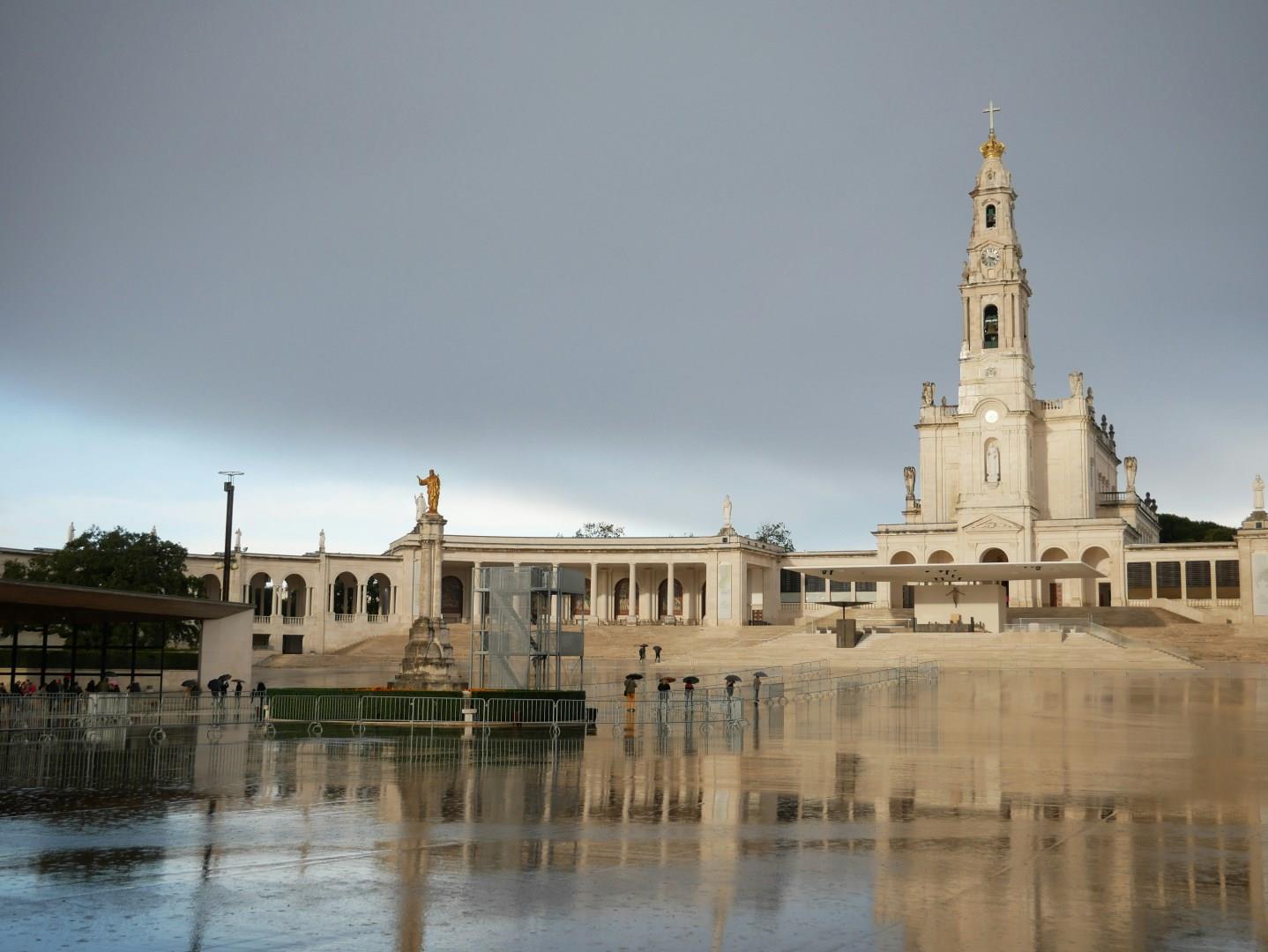
Fátima, a small town in central Portugal, has become one of the most significant pilgrimage sites in the world, drawing millions of visitors annually. The Sanctuary of Fátima, a sprawling complex of religious buildings and monuments, stands at the heart of the town. Pilgrims from all over the globe come to light candles, attend mass, and walk the sacred paths in reverence.
Abaco
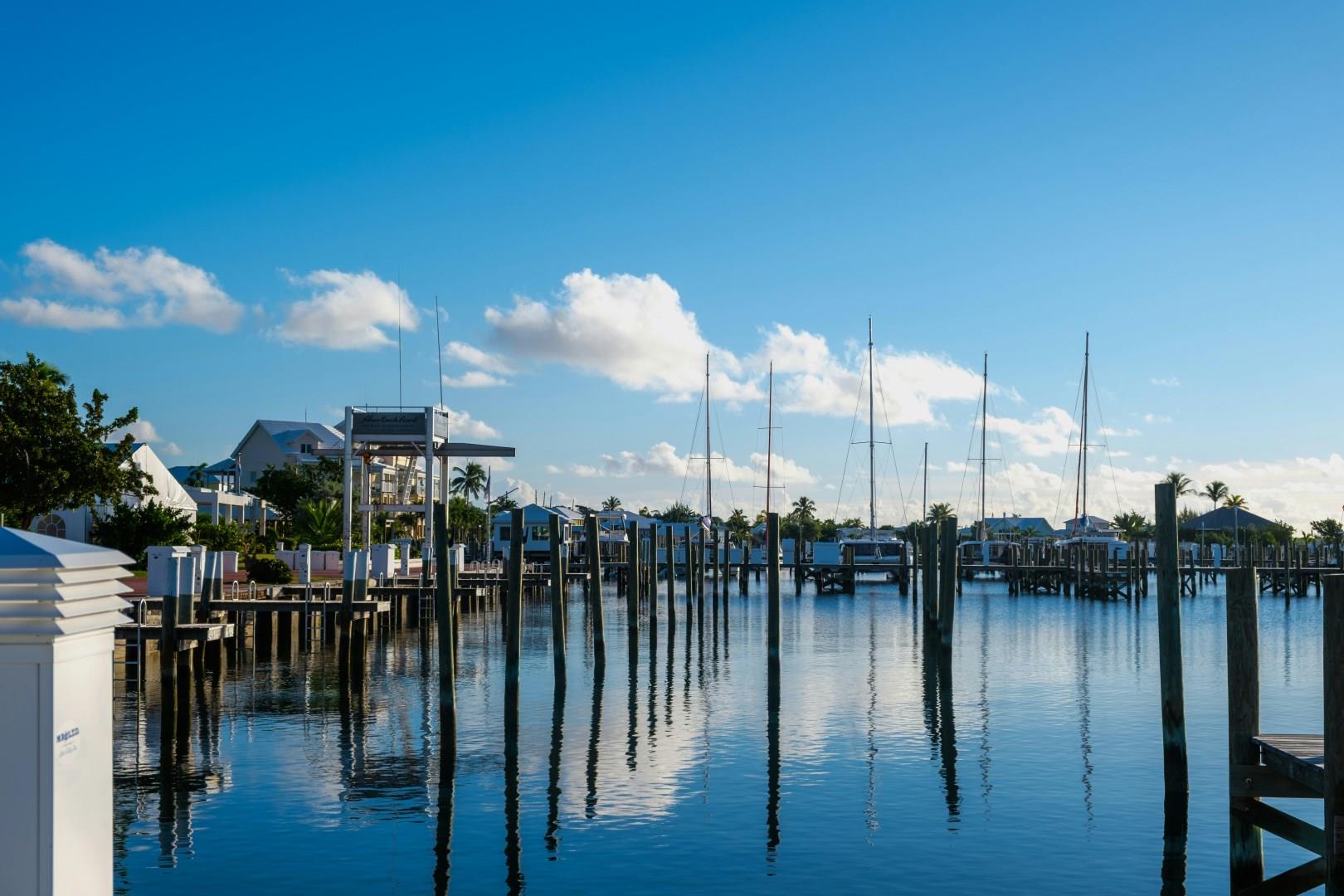
The Abaco Islands, part of The Bahamas, stretch across more than 120 cays and islands, offering a laid-back yet adventurous escape. Known for their calm waters and sheltered harbors, the Abacos are often called the sailing capital of The Bahamas, drawing boaters and yachters from around the world.
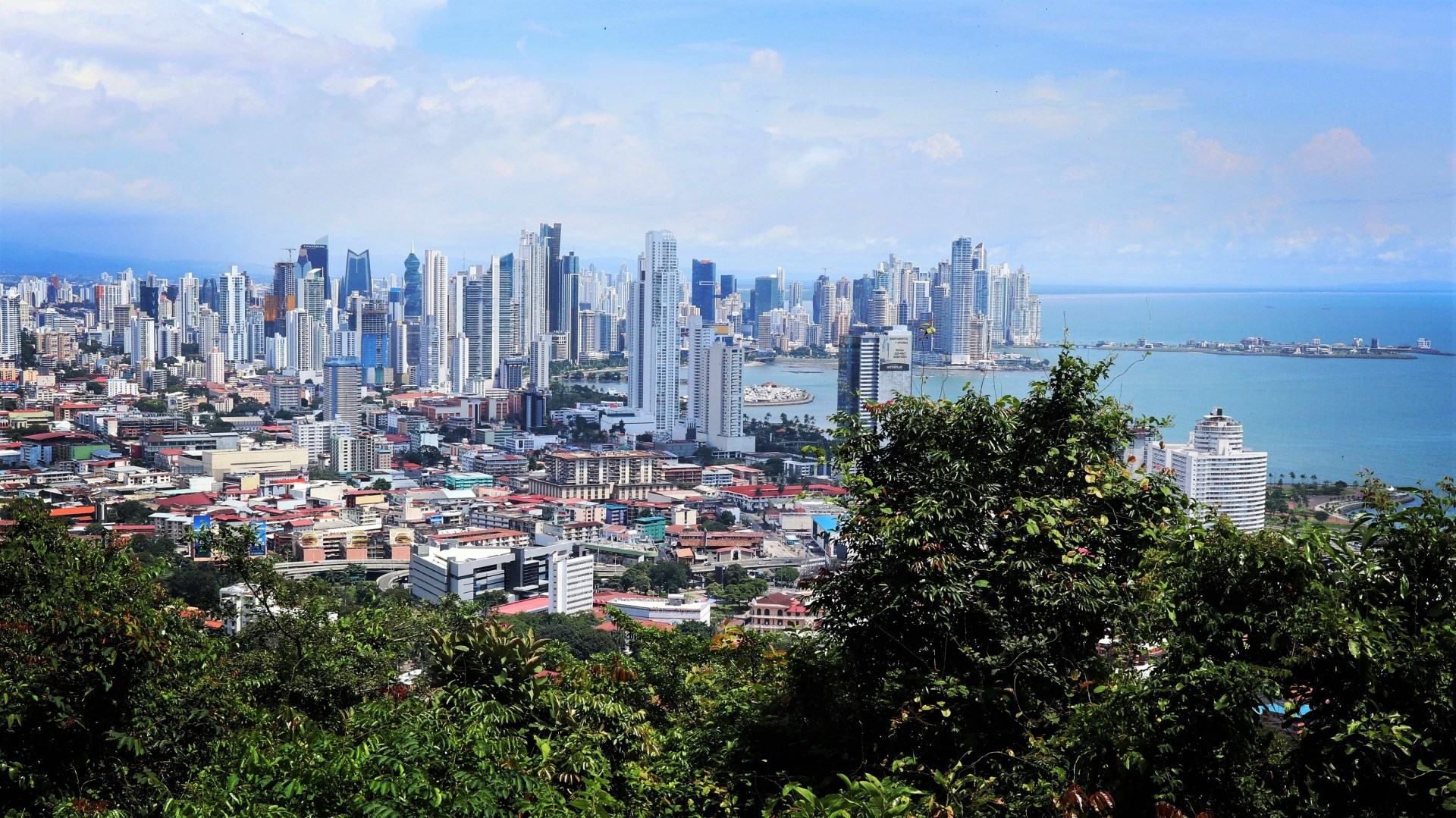
Fuerte Amador
Fuerte Amador is a waterfront district located at the Pacific entrance of the Panama Canal in Panama City. Built on a causeway created with rock excavated during canal construction, the area links four small islands: Naos, Perico, Culebra, and Flamenco.

Cyprus
In Cyprus, travelers are immersed in a culture that draws on Europe, the Middle East, and 9000 years of constant invasion. Crusader castles rub shoulders with ancient vineyards, frescoed monasteries overlook citrus orchards, and sandy, sun-soaked feet tread Roman mosaic floors.