Rota Island
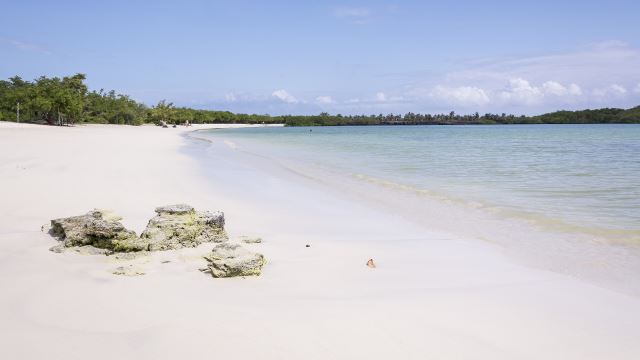
Rota is the southernmost island in the Northern Mariana Islands, situated between Guam and the larger islands farther north in the archipelago. Its landscape combines limestone hills, coastal cliffs, sandy beaches, forests, and small farming areas.

Manzanillo
Manzanillo, located on Mexico’s Pacific coast, is a port city known for its beautiful beaches, excellent seafood, and world-class fishing. It is one of the country’s busiest ports, and is often called the "Sailfish Capital of the World."
Leh
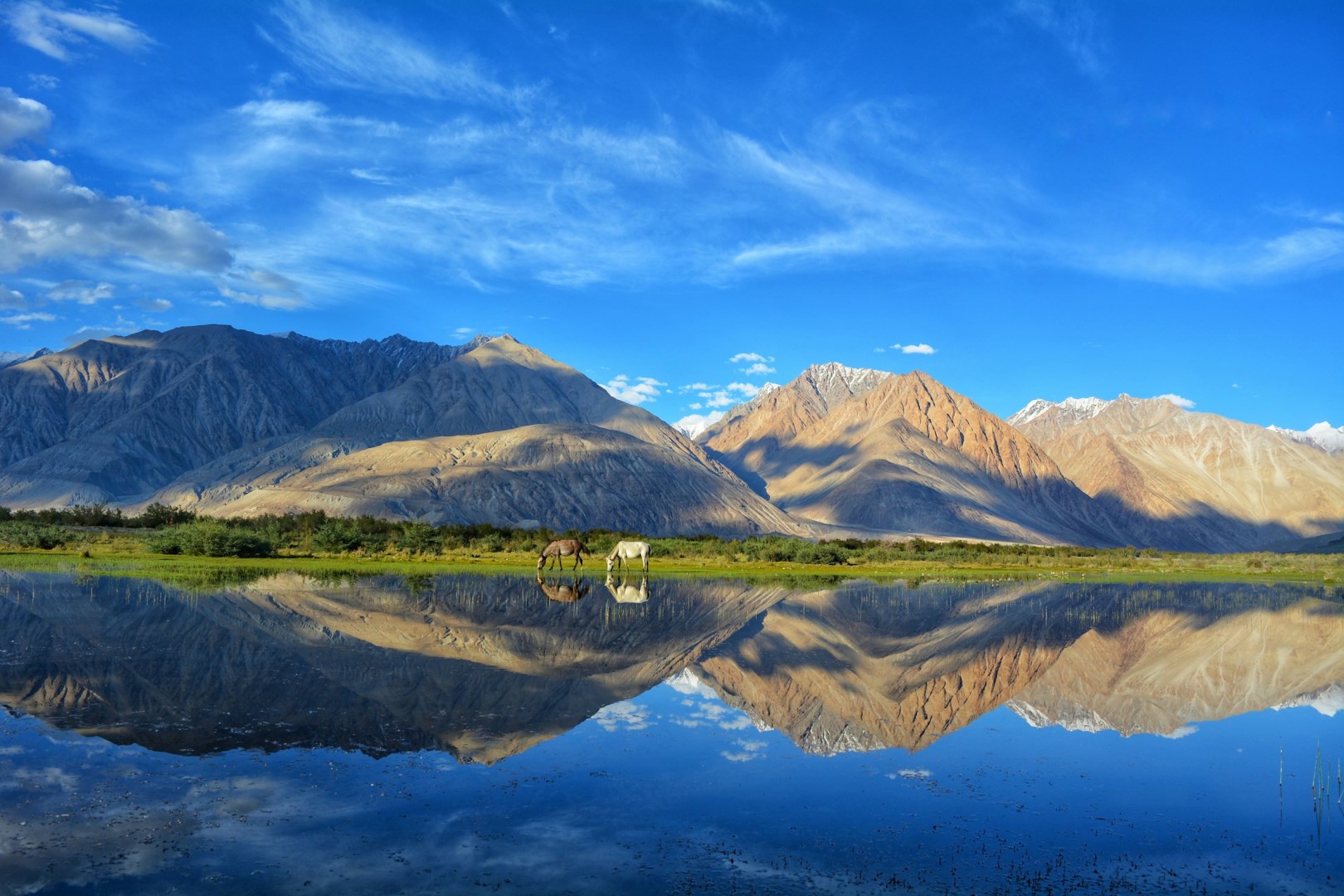
Leh is the principal town of Ladakh, set in a high mountain valley surrounded by the Ladakh Range and shaped by the Indus River system. At an elevation of roughly 3,500 metres, it is known for its dry climate, rugged mountains, clear skies, and compact old town of whitewashed buildings. Leh also serves as a major base for journeys into Nubra Valley, Pangong Lake, and other parts of Ladakh. Its location between major Himalayan ranges has long influenced settlement, trade, agriculture, and the dis

Amazon Rainforest
Exploring the Amazon Jungle in Brazil is like venturing into the heart of a living, breathing world. The Amazon Rainforest, often referred to as the "lungs of the Earth," is a lush, sprawling expanse that teems with extraordinary biodiversity.
Castellina in Chianti
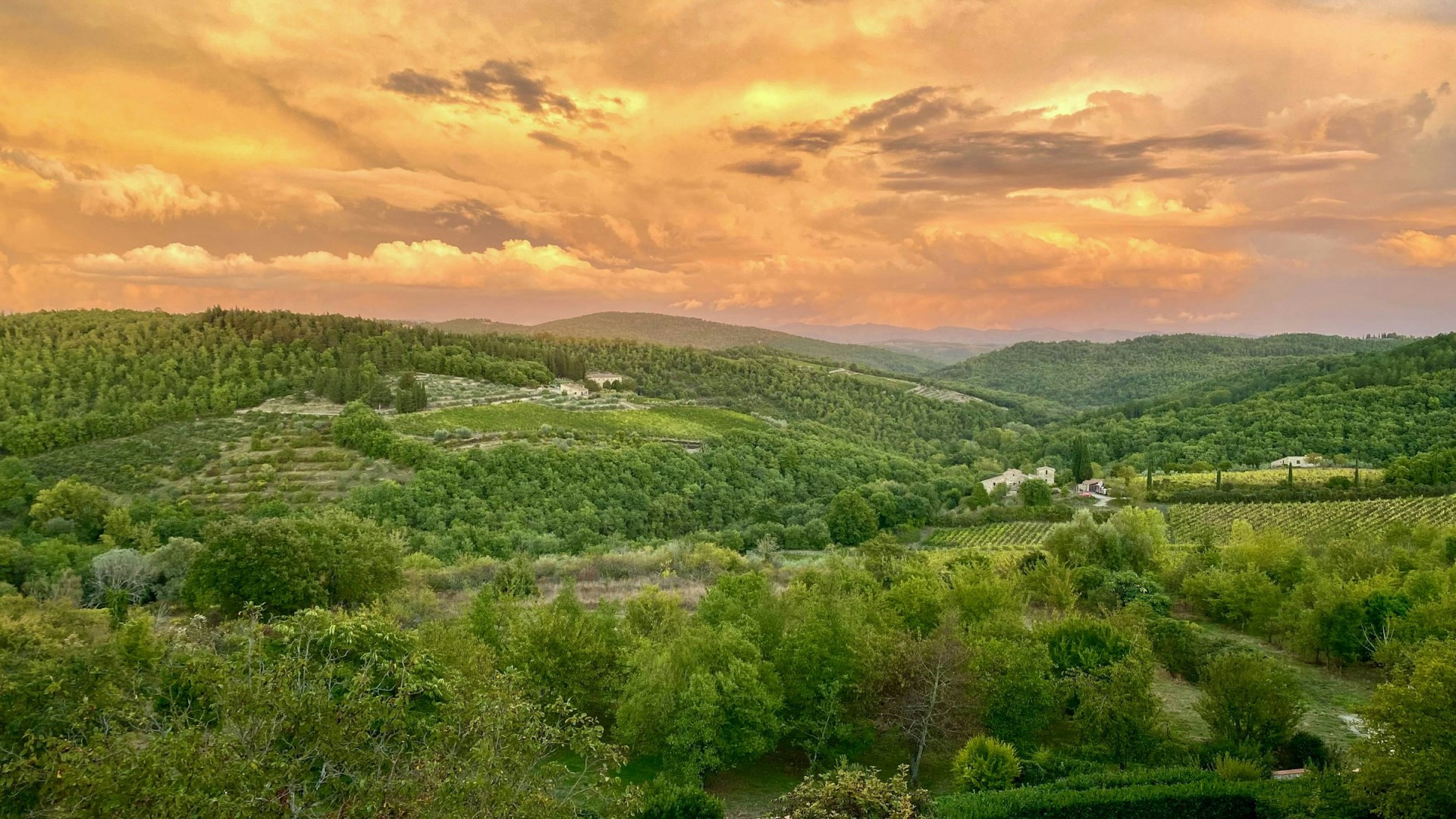
Castellina in Chianti is a hilltop town in Tuscany, set among the vineyards and wooded slopes of the Chianti Classico area between Florence and Siena. Its historic center follows the ridge of a fortified settlement, with stone buildings, narrow streets, and views across the surrounding countryside. The town’s most distinctive structure is the Via delle Volte, a covered passage built into the medieval defensive walls.