

Australia & New Zealand
Australia and New Zealand each have their own identities, shaped by indigenous heritage, colonial history, and vibrant contemporary cultures. Visitors can travel between the two in just a few hours, yet find themselves in entirely different worlds.
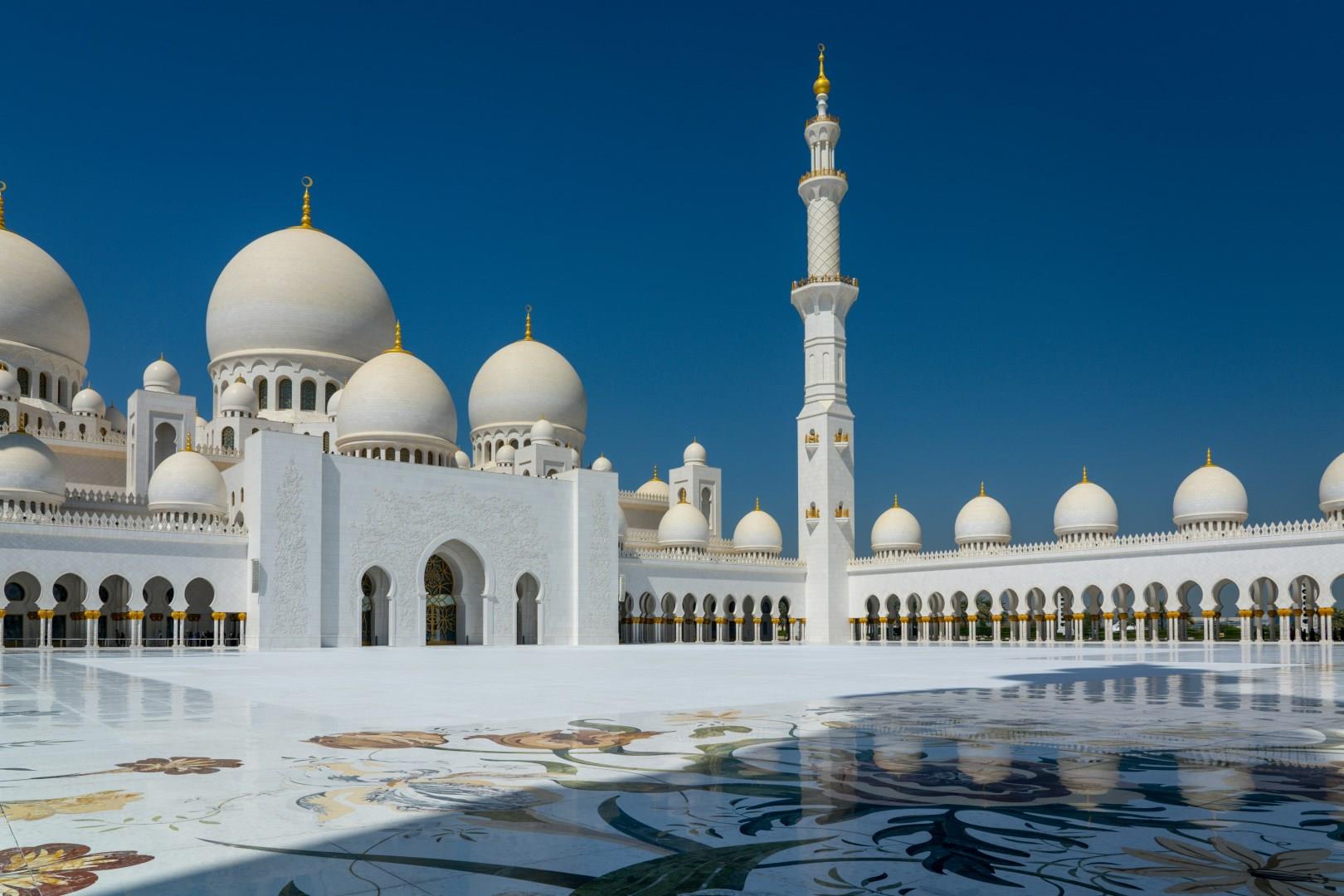
Fujairah
Fujairah stands apart among the emirates as the only one on the UAE’s eastern shore, where waves roll in from the Gulf of Oman and the Hajar Mountains rise sharply behind the city. Life here moves between sea and mountain, where coastal breeze meets rugged terrain, and echoes of ancient trade routes still shape the rhythm of settlements.
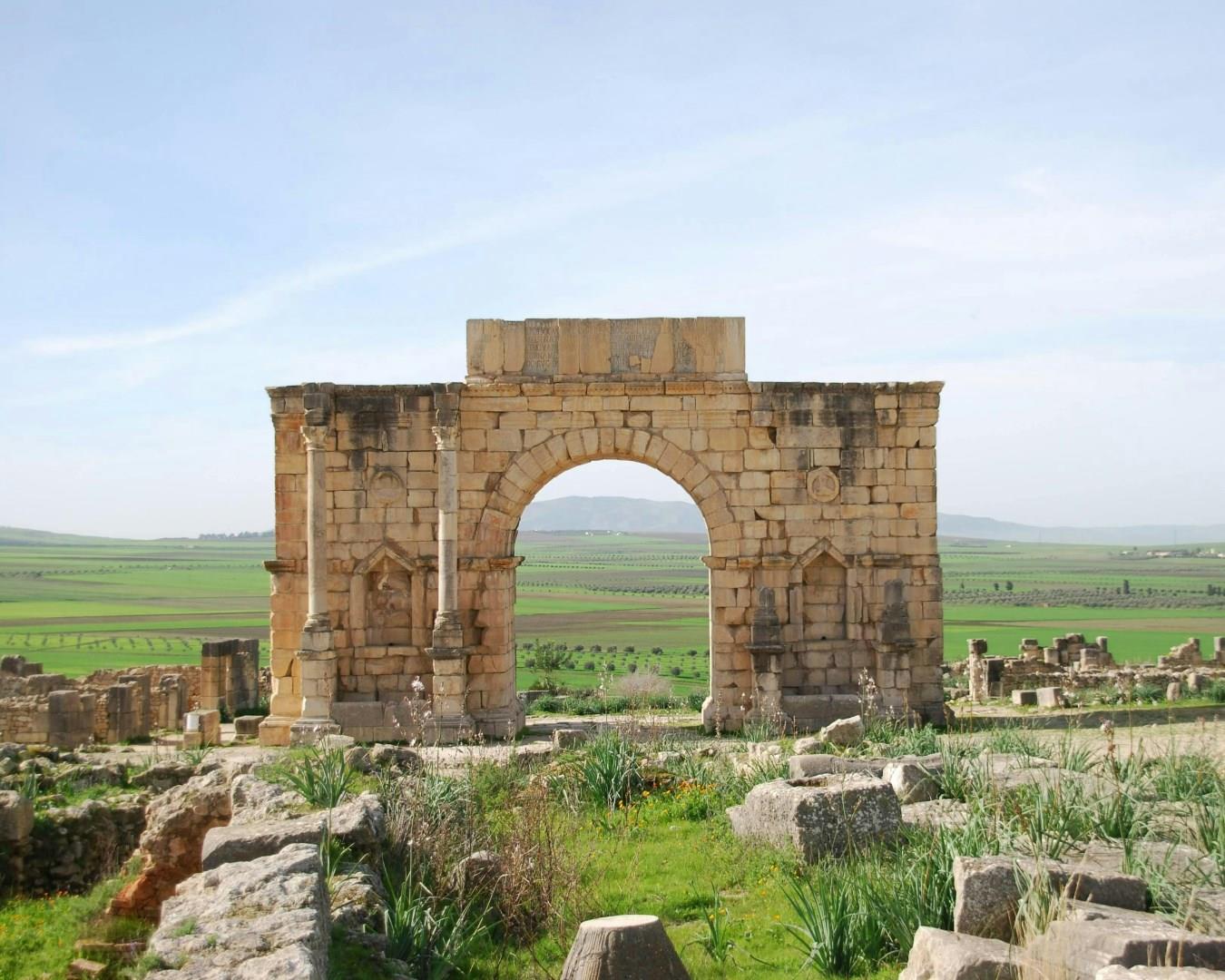
Meknes
Meknes, one of Morocco’s four imperial cities, is a historic jewel known for its blend of grandeur and tradition. Once the capital under Sultan Moulay Ismail in the 17th century, the city was envisioned as the “Versailles of Morocco,” filled with monumental gates, sprawling walls, and lavish palaces.
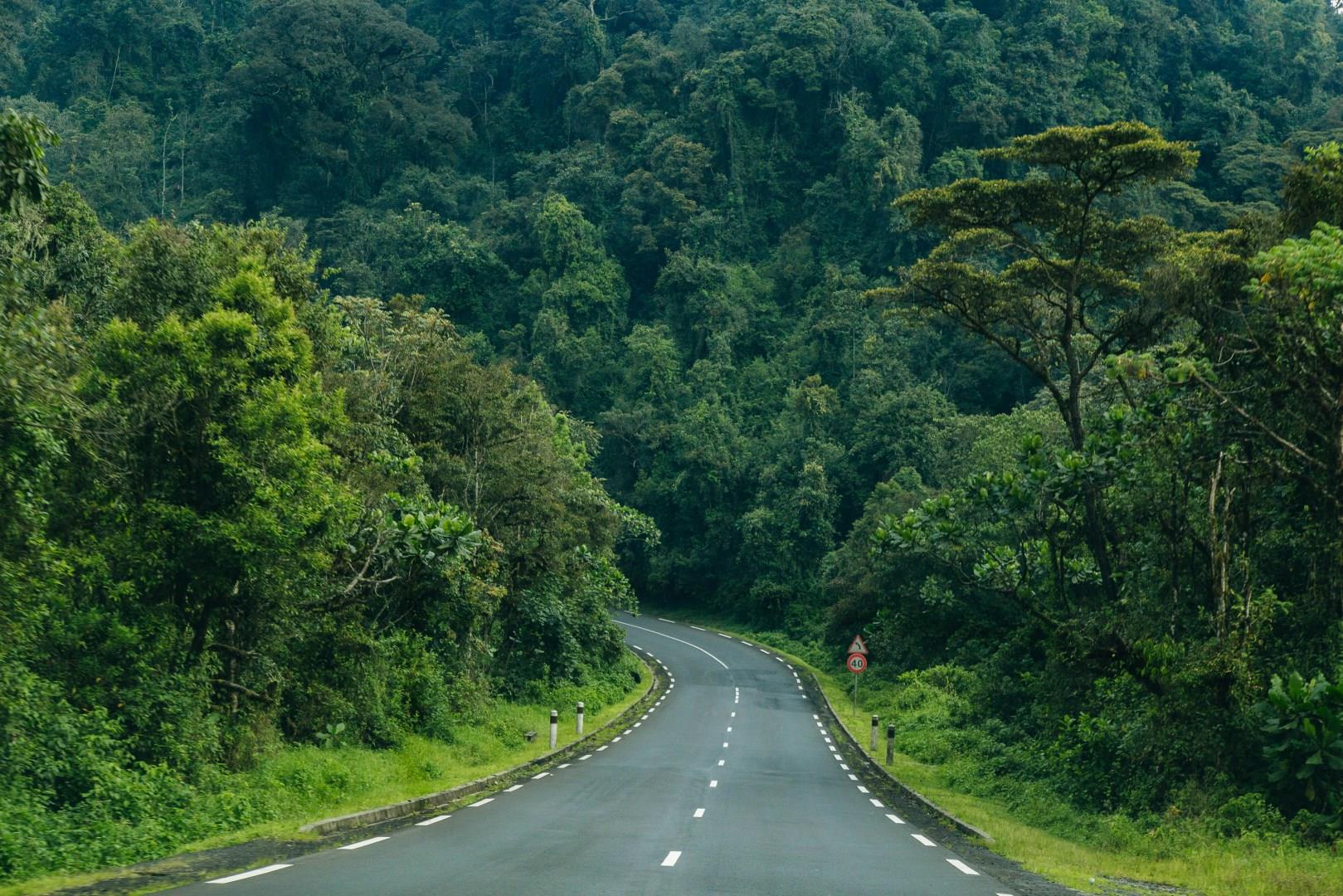
Nyungwe Forest National Park
Nyungwe Forest National Park, in southwestern Rwanda, is one of Africa’s oldest rainforests and a sanctuary of biodiversity. Spanning more than 1,000 square kilometers, the park shelters a wealth of wildlife, including over 300 bird species, 1,000 plant species, and an impressive 13 primate species.

Ouarzazate
The whole south of Morocco is summarized in the historical, traditional and exotic sounding word "Ouarzazate". In Ouarzazate everything is calm, beautiful and fresh - the very image of the authentic south of Morocco, where time has stood still for centuries. The town has been located in three different places during its existence, two of them still inhabited
today.
today.


