Alentejo
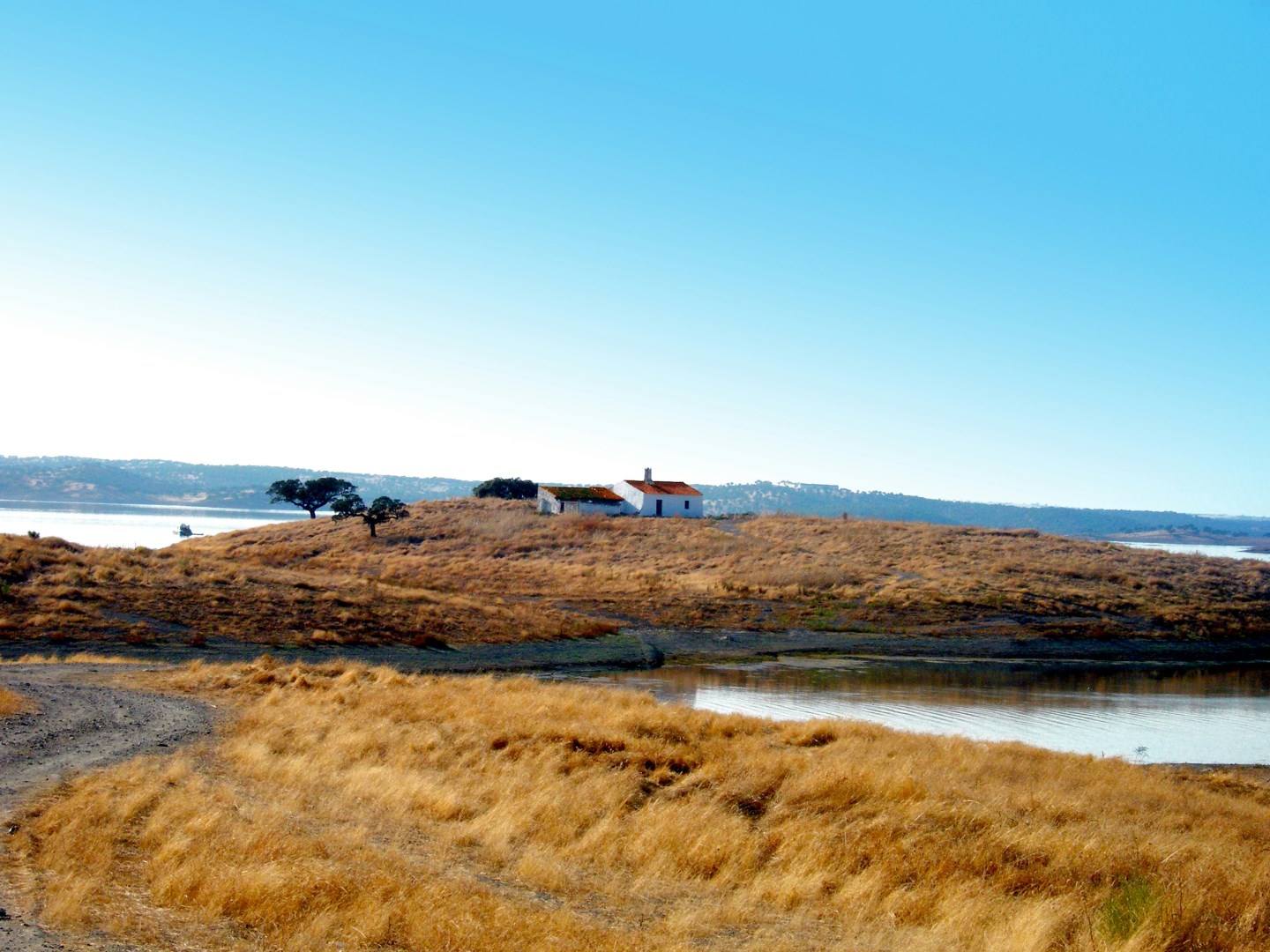
Alentejo is a large region in southern Portugal known for its wide plains, cork oak forests, whitewashed towns, and slower rural pace. Stretching from the Tagus River to the Algarve and from the Atlantic coast to the Spanish border, it covers much of the country’s interior farmland and wine-producing territory.
Mombasa
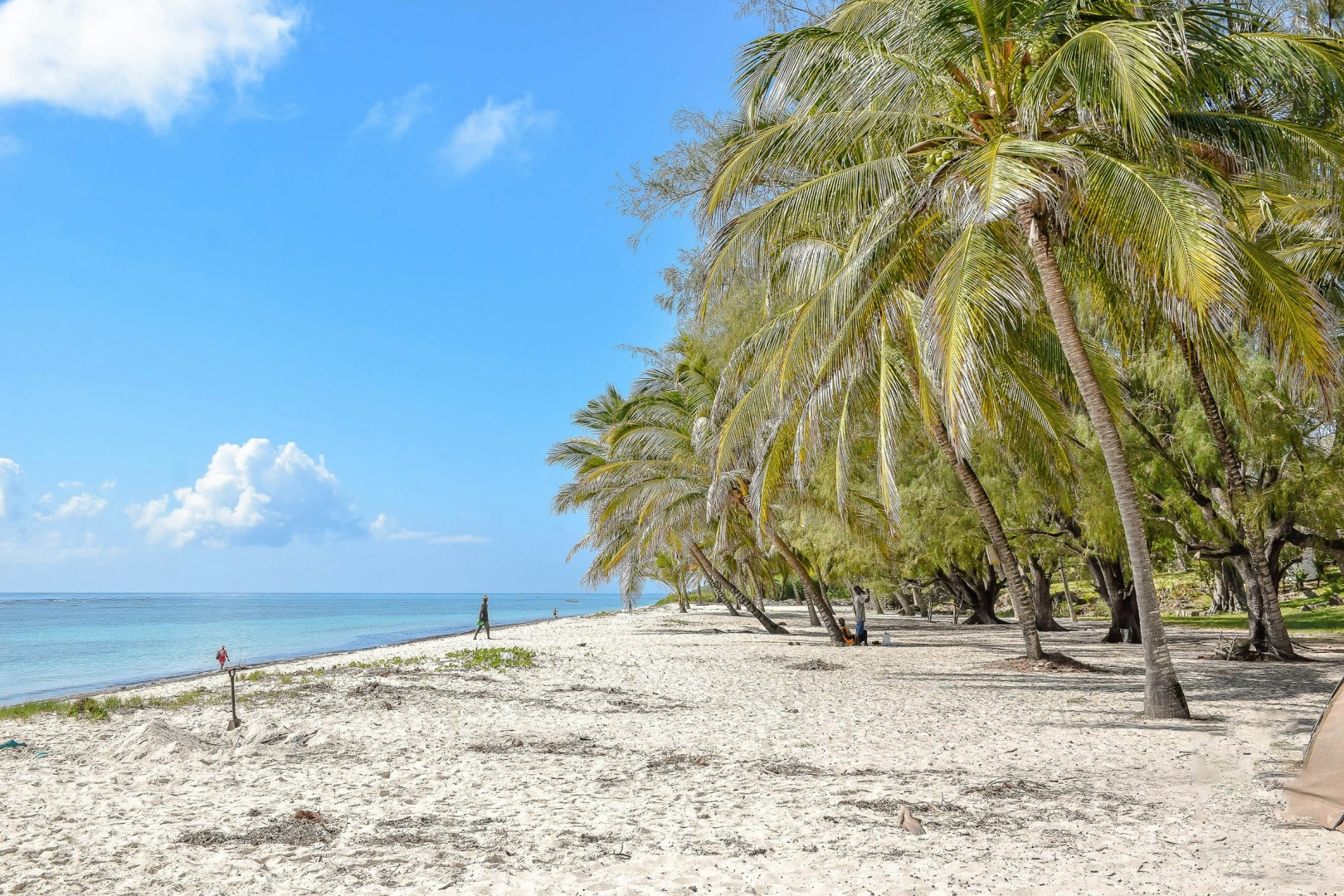
Mombasa, Kenya’s vibrant coastal city, offers a blend of rich history, diverse cultures, and stunning beaches. As Kenya's second-largest city and its principal port, Mombasa has been a crucial crossroads for trade and culture for centuries. The historic Fort Jesus, a UNESCO World Heritage site, stands as a testament to the city's colonial past.
Mayaro Bay
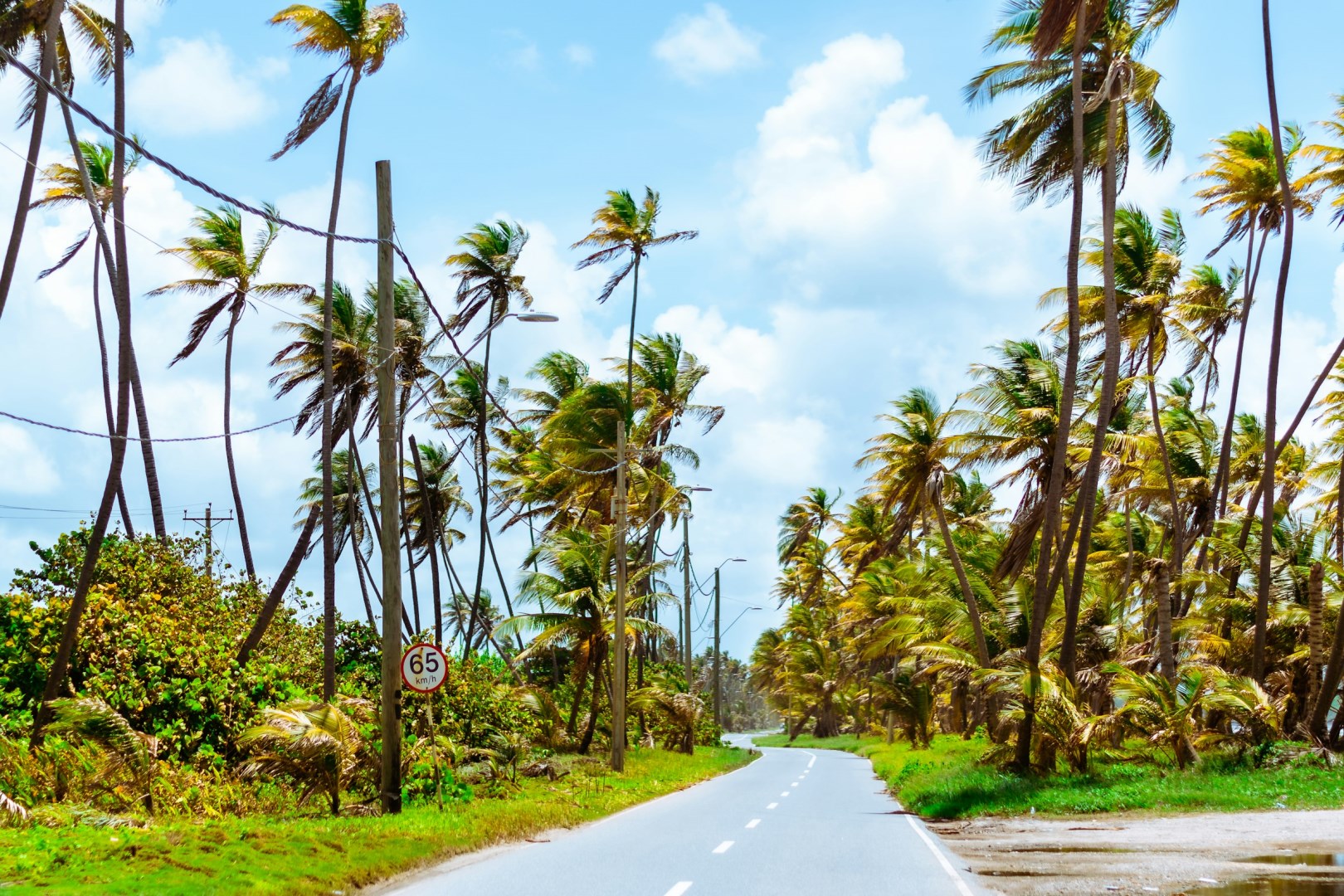
Mayaro Bay is a long stretch of coastline on the southeastern side of Trinidad, facing the Atlantic Ocean and extending along the Mayaro coast. The area is known for its broad sandy beaches, coconut palms, coastal vegetation, and low-lying landscapes shaped by the sea. Unlike Trinidad’s more developed northwestern coastal districts, Mayaro has a more rural character, with villages, fishing activity, small farms, and scattered residences along the shoreline.
Cody
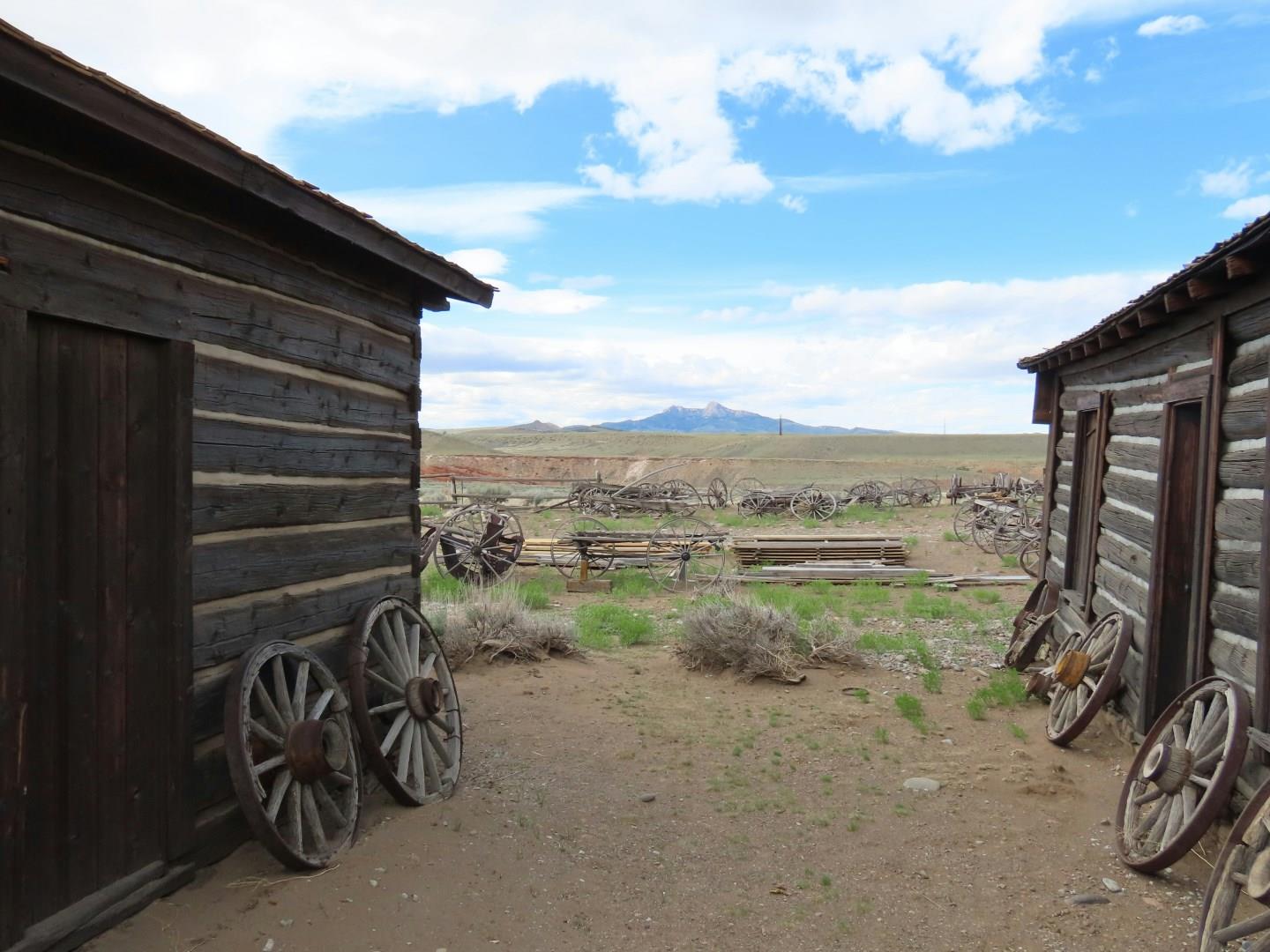
Cody, Wyoming, is a gateway to the American West, known for its connection to the legendary Buffalo Bill Cody and the pioneering spirit of the region.
Arthur's Pass
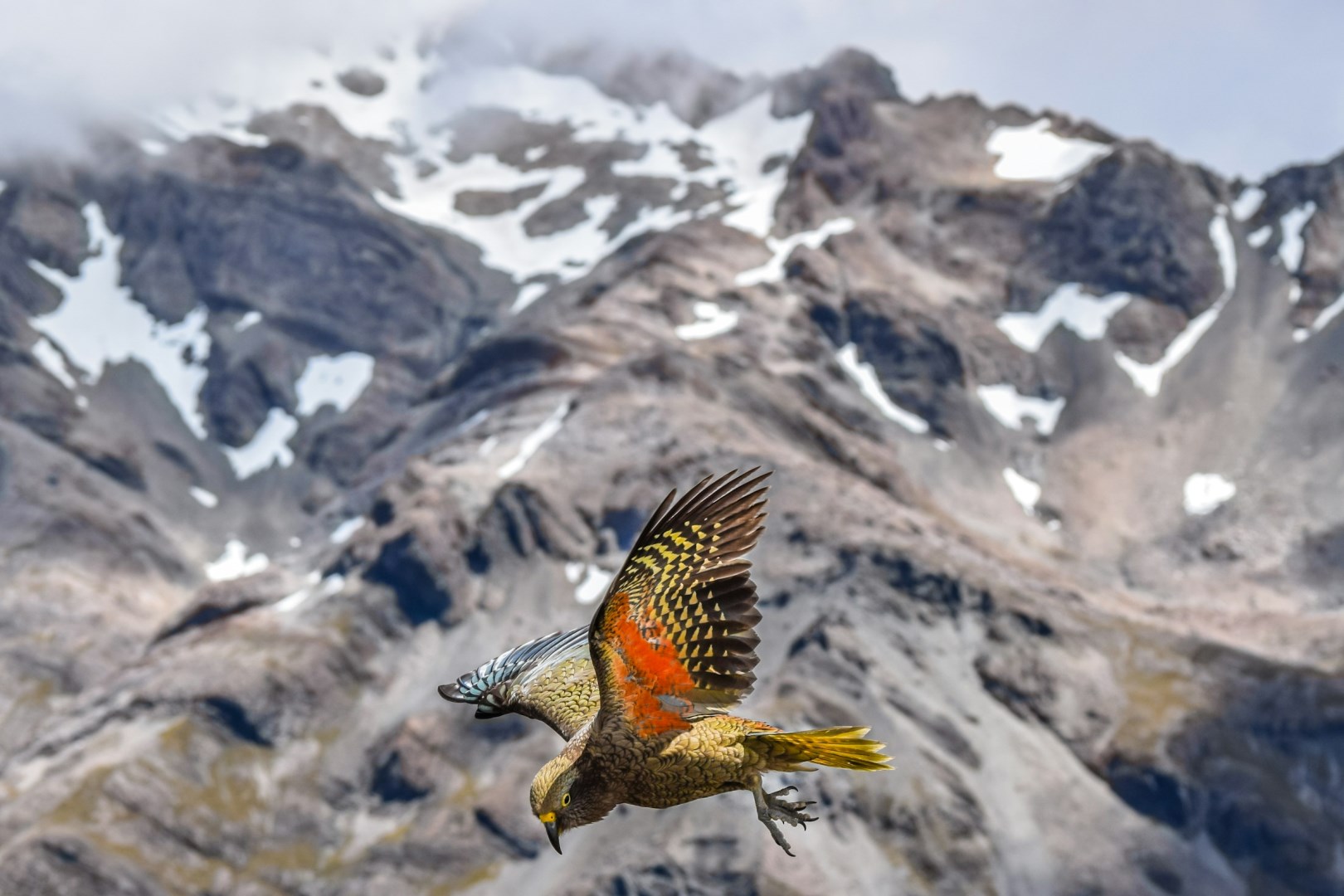
Arthur’s Pass is a small alpine village in the Southern Alps of New Zealand’s South Island, positioned within Arthur’s Pass National Park between Canterbury and the West Coast. State Highway 73 and the TranzAlpine railway cross the mountains here, following a route shaped by steep valleys, braided rivers, and high peaks.