Mount Kilimanjaro
Mount Kilimanjaro, located in Tanzania, stands as Africa’s highest peak and an iconic symbol of adventure. This majestic stratovolcano rises 5,895 meters (19,341 feet) above sea level, making it one of the world’s most accessible high summits. Climbing Kilimanjaro offers a unique opportunity to traverse multiple climate zones, from lush rainforests and alpine meadows to the icy summit.
Enkhuizen
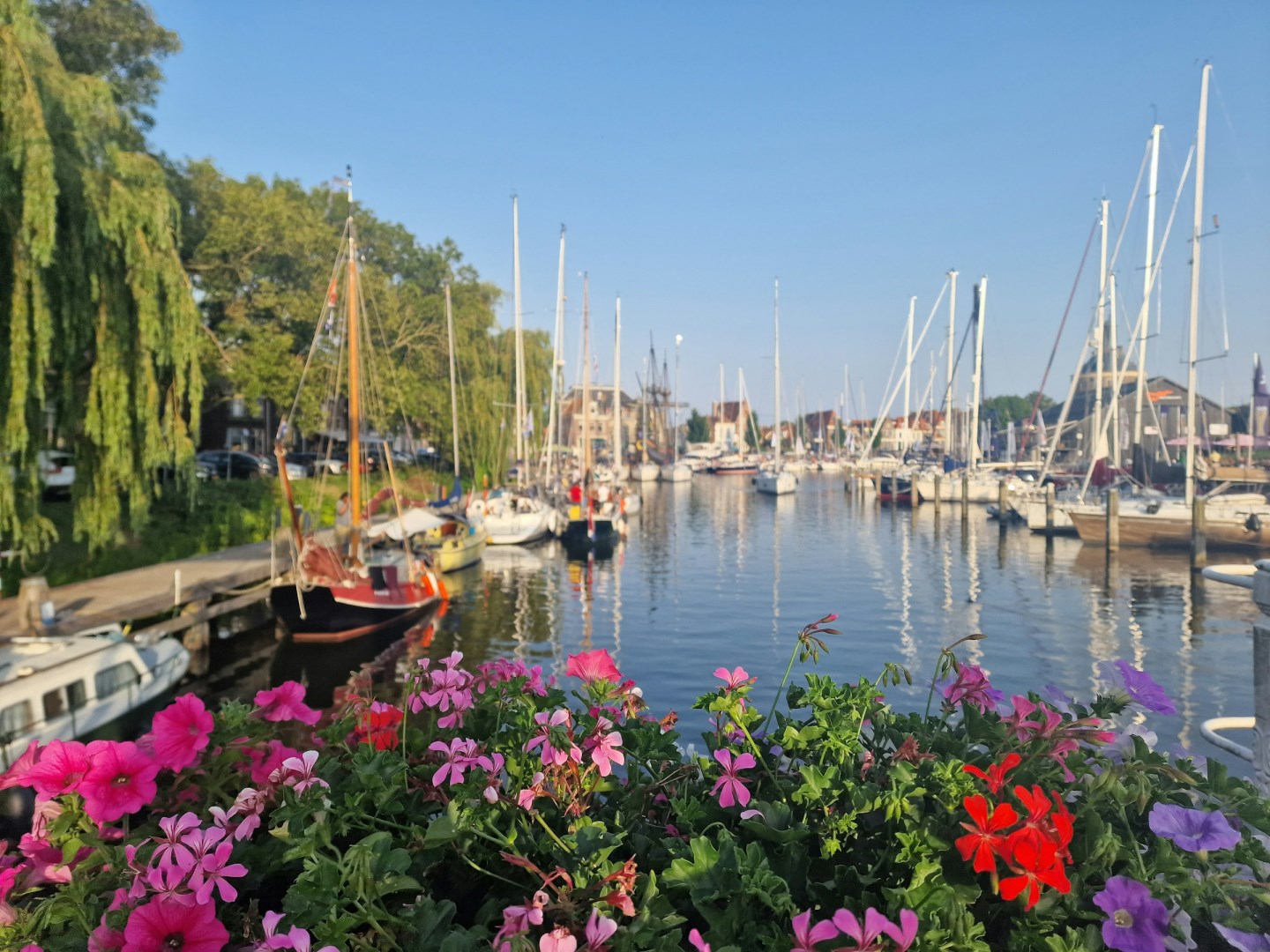
Many consider this the prettiest town in Holland, with its well preserved 15th to 17th century buildings.
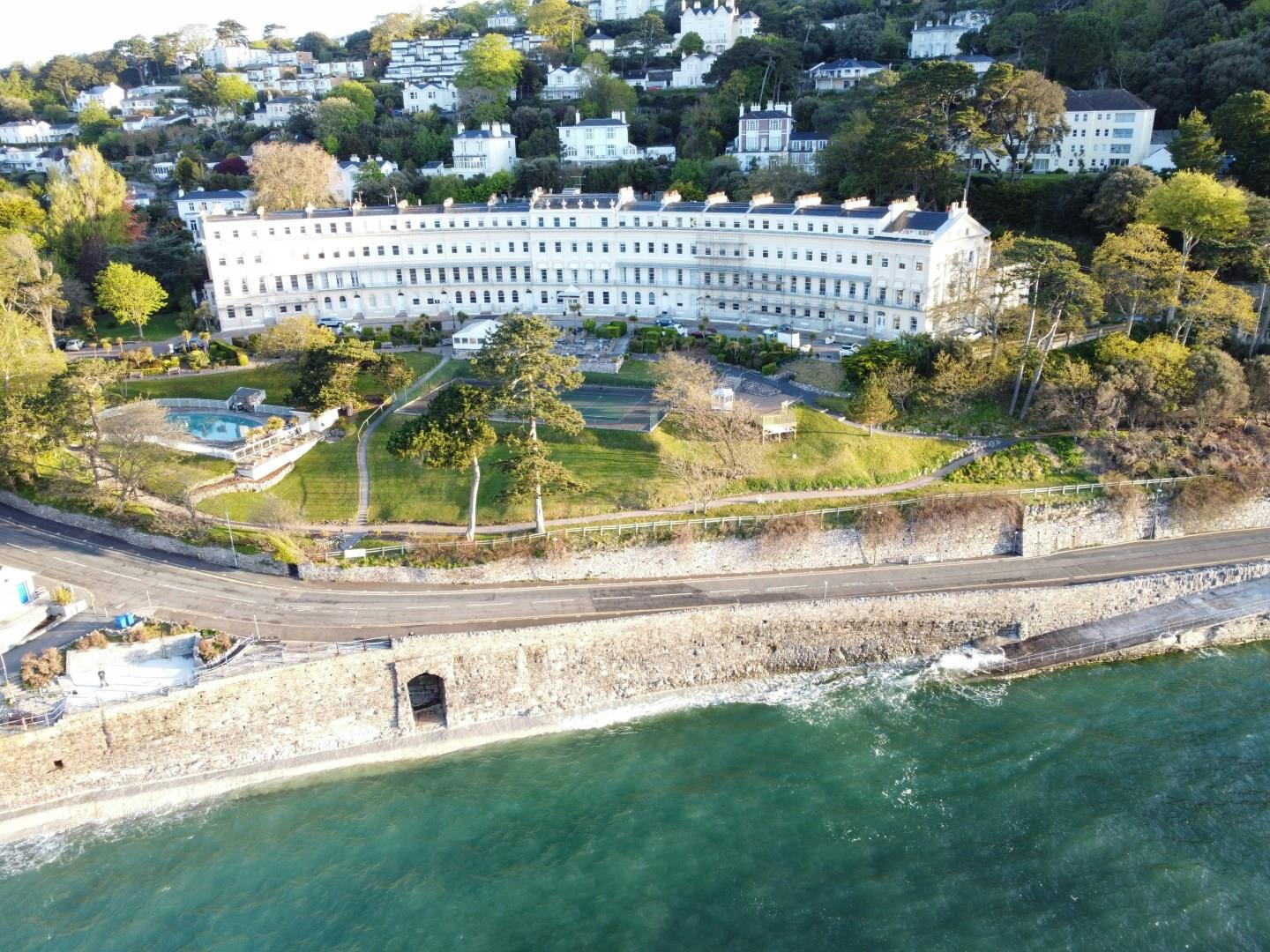
Torquay
Torquay, located on England’s southwest coast in Devon, is often referred to as the gateway to the English Riviera. With origins as a small fishing village, it expanded rapidly in the 19th century as a seaside resort, attracting visitors with its mild climate, sandy beaches, and scenic coastline.
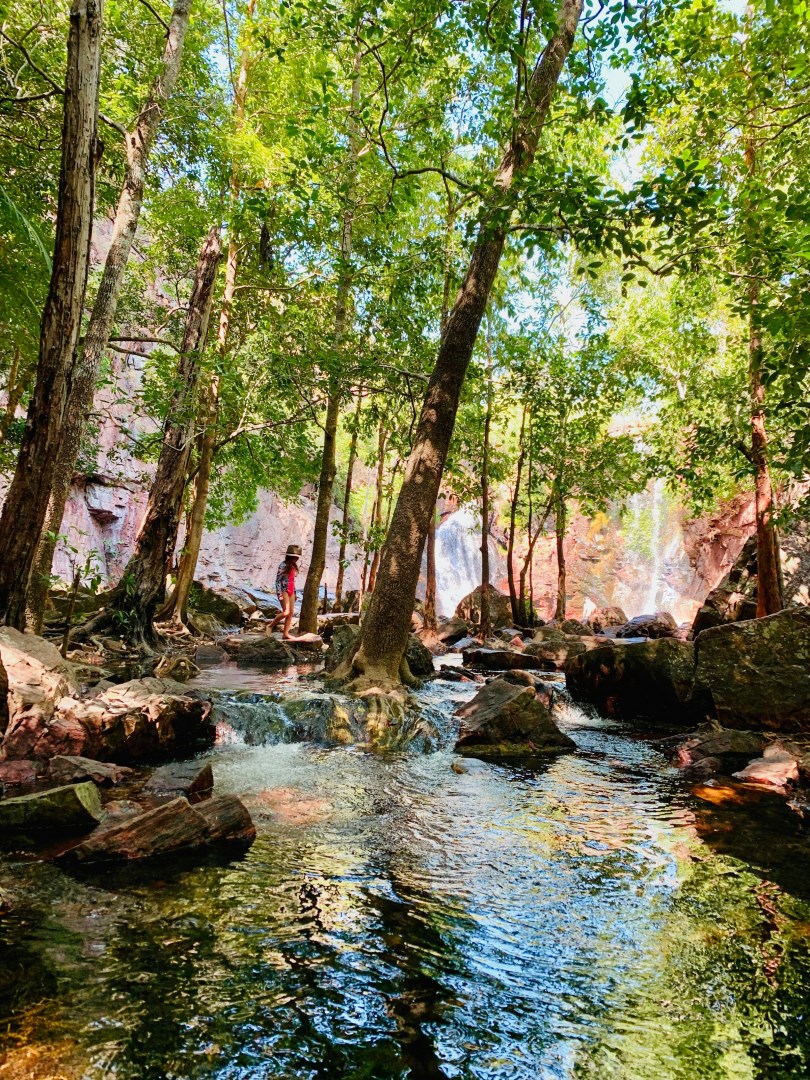
Litchfield National Park
With it's sandstone escarpments, patches of monsoon rainforest, permanent crystal clear waterholes, spectacular waterfalls and historic ruins, Litchfield National Park is a fantastic vacation destination.
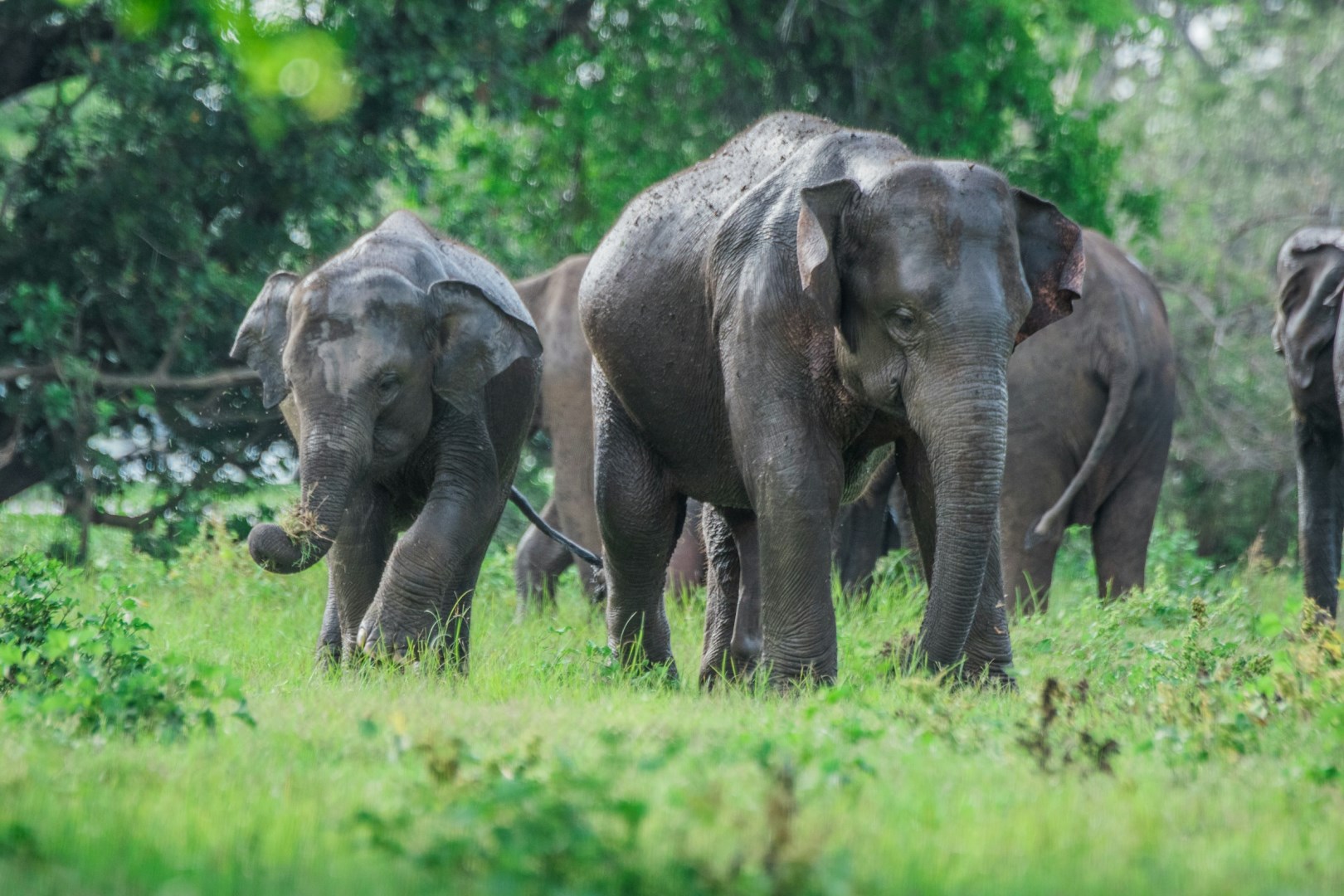
Minneriya National Park
Minneriya National Park lies in Sri Lanka’s North Central Province between Habarana and Polonnaruwa, within the island’s dry zone. The park covers about 8,890 hectares and is centered on the Minneriya Tank, an ancient irrigation reservoir that remains an important source of water for the surrounding landscape. Dry mixed evergreen forest, scrub, grassland, wetlands, and open areas around the reservoir create a varied habitat for wildlife. The park is particularly known for its Asian elephants, wh