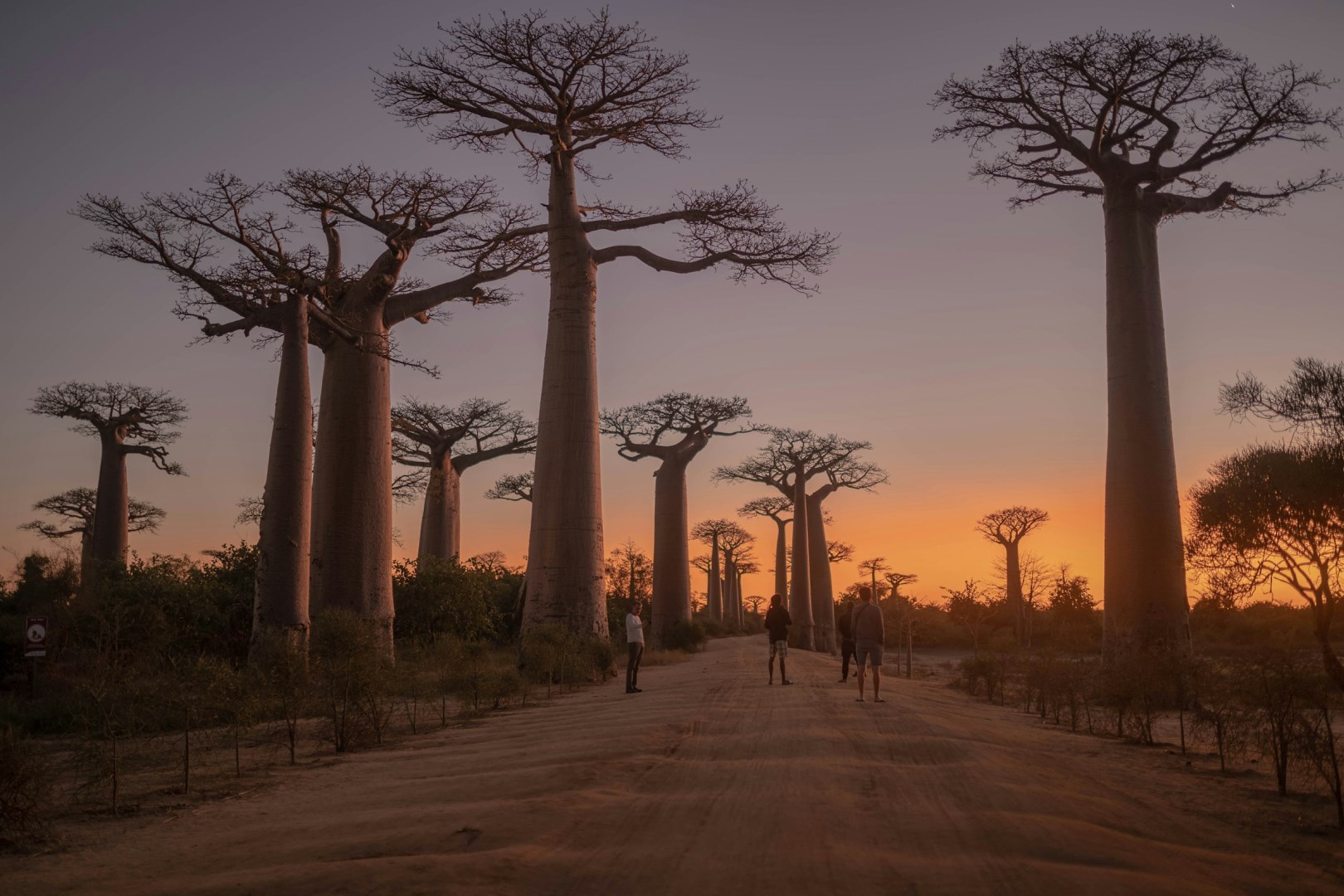
The Avenue of the Baobabs is a famous landscape in western Madagascar, located near Morondava in the Menabe region. A group of tall Grandidier's baobabs lines a dirt road across a broad, dry plain, creating one of the country's most recognizable natural scenes. These trees are endemic to Madagascar and can reach great heights, with thick trunks adapted to storing water during the dry season.
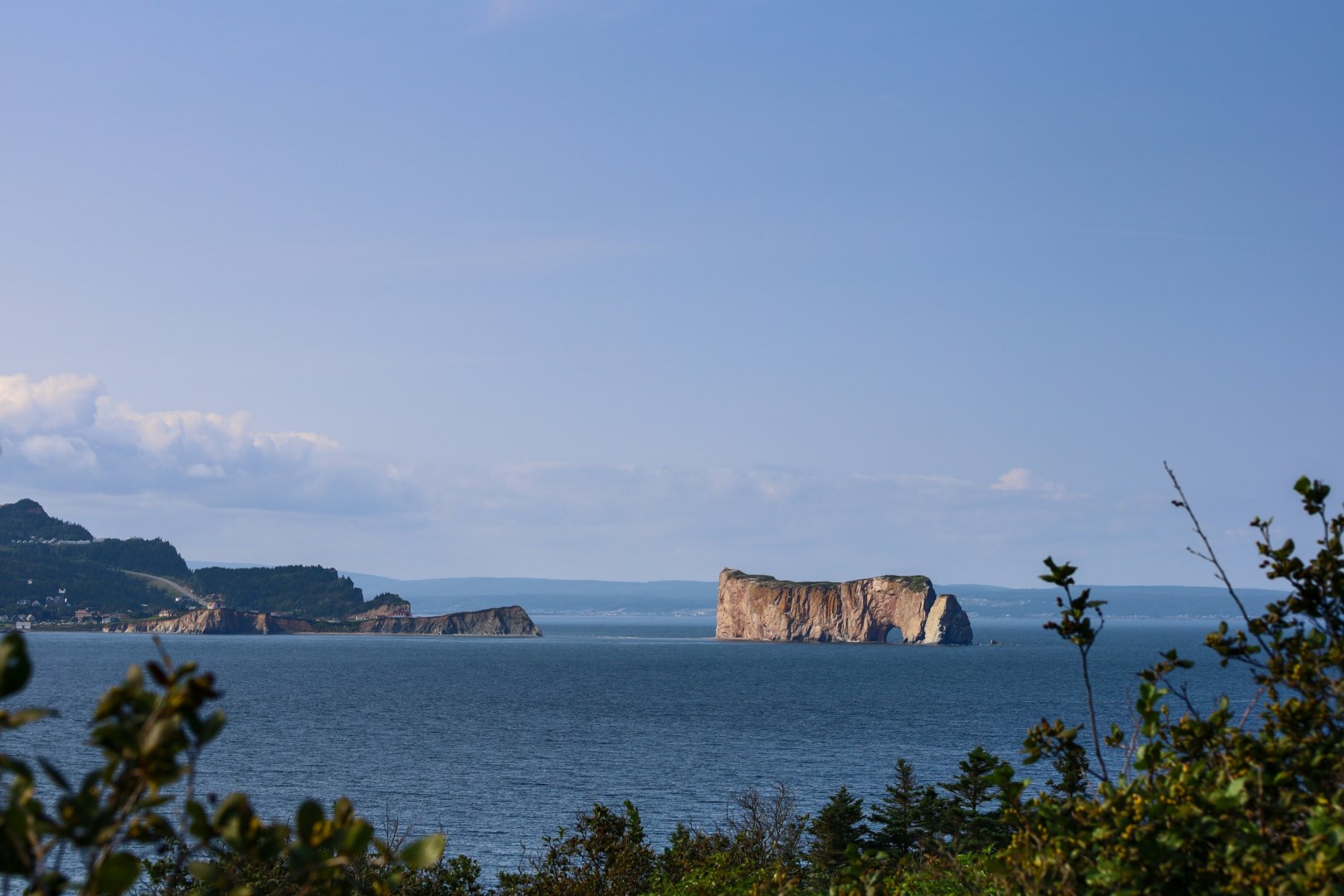
Bonaventure Island is a small island off the coast of Percé in Quebec's Gaspésie region, within the Parc national de l'Île-Bonaventure-et-du-Rocher-Percé. Surrounded by the Gulf of St. Lawrence, the island combines coastal cliffs, forests, meadows, rocky shorelines, and open sea. Its best-known feature is its large colony of Northern Gannets, one of the world's largest and most accessible colonies of the species.
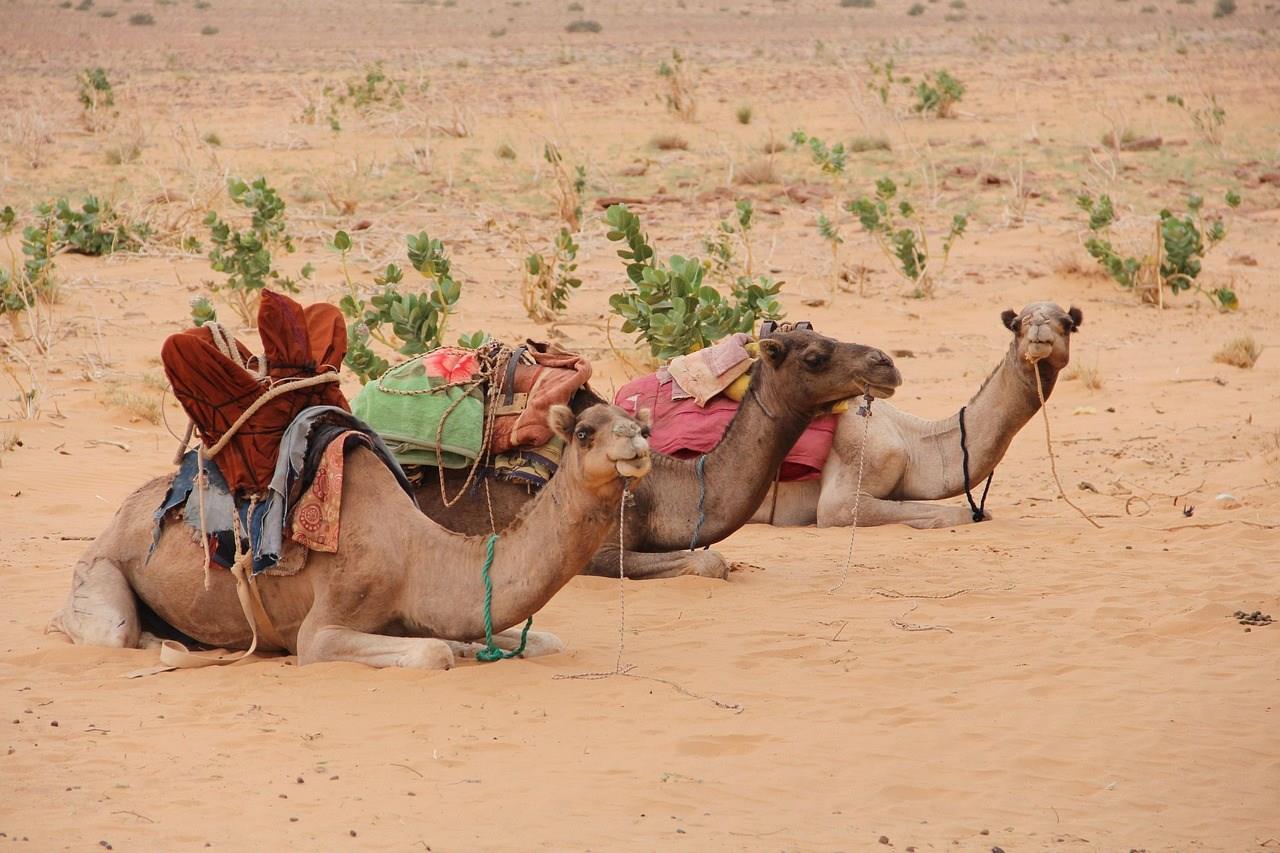
Mauritania, stretching between the Atlantic Ocean and the Sahara Desert, offers travelers a journey through wide-open landscapes and centuries of history. Its terrain is marked by shifting sand dunes, ancient caravan towns, and stretches of untouched coastline.
Sunshine, cars, celebrities... these are just a few of the things that define Los Angeles. But as any visitor to this expansive Southern California city will tell you, it's a place with seemingly infinite possibilities. There's downtown, with Crypto.com Arena, Walt Disney Concert Hall, and Olvera Street. There's Hollywood, with its Walk of Fame, maps to the stars' homes and palm-tree lined boulevards. There's Santa Monica, with its pier, shopping and ocean breezes.
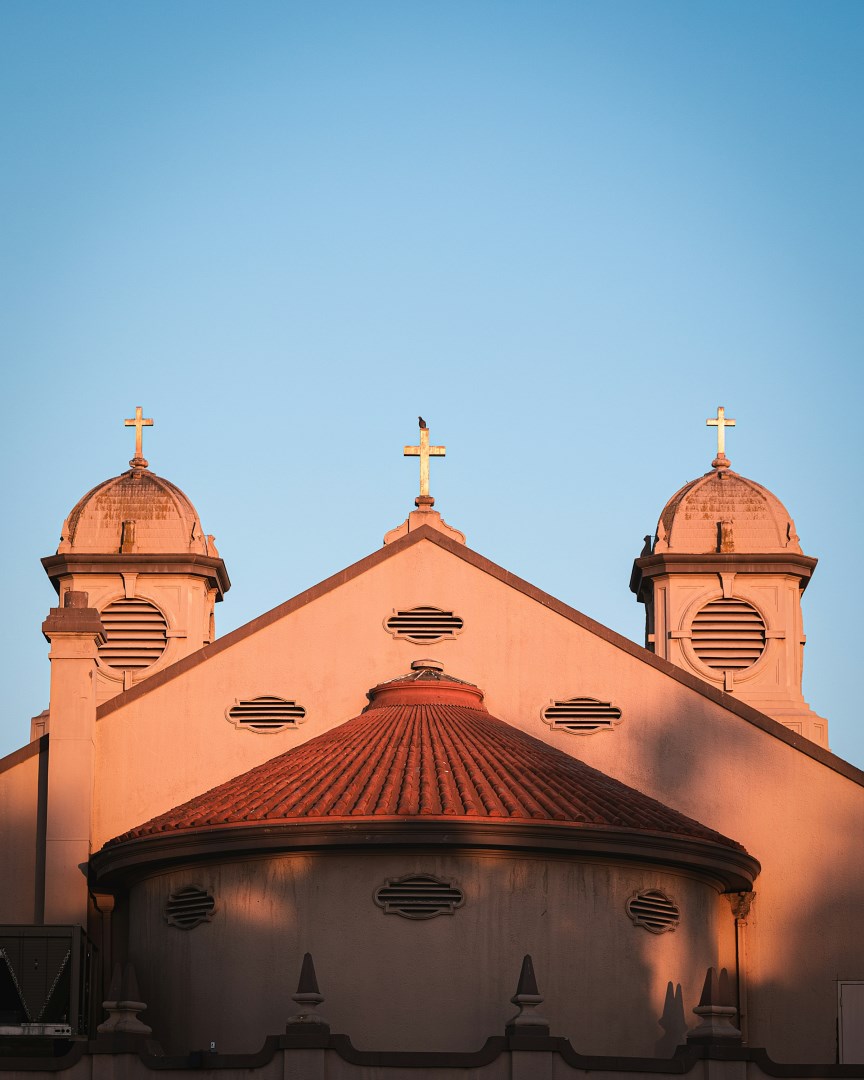
Modesto is a city in California’s Central Valley, located along the Tuolumne River between the Sierra Nevada and the Coast Range. The city is surrounded by some of the state’s most productive agricultural land, with orchards, vineyards, dairies, and fields extending across the surrounding countryside. Modesto’s urban center includes historic neighborhoods, downtown businesses, parks, and cultural venues, while the Tuolumne River provides a natural corridor through the region.
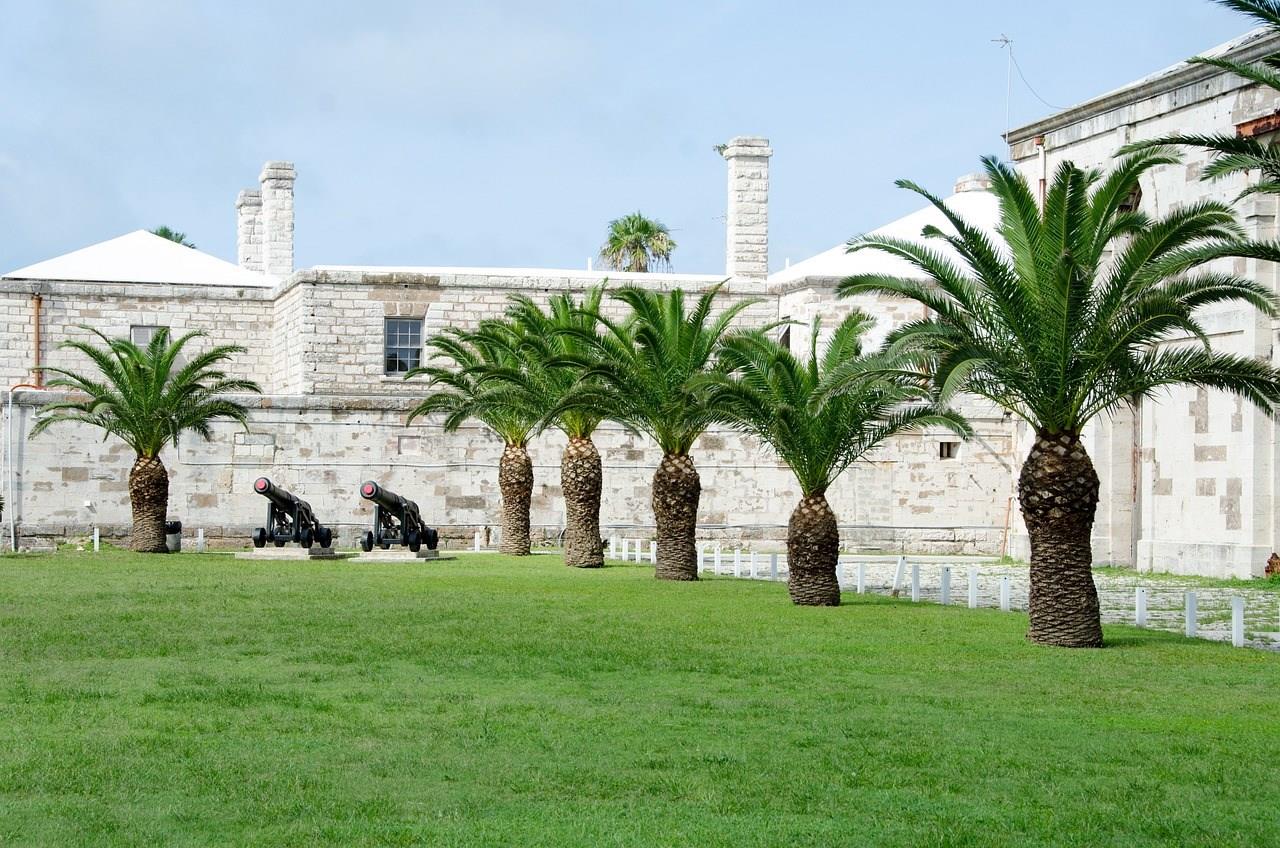
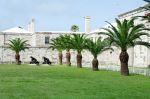
The Royal Naval Dockyard in Bermuda stands as a testament to the island's maritime history and naval heritage. Located at the western tip of Bermuda, this historic site was once a major naval base for the British Royal Navy and is now a thriving hub of culture, history, and tourism. The Dockyard's impressive buildings, including the Commissioner's House and the historic fortifications, offer a glimpse into Bermuda's naval past. The Commissioner's House, built in the early 19th century, now houses the National Museum of Bermuda, where visitors can explore exhibits detailing the island's maritime history, from shipwrecks to pirate lore.
Visitors can wander through the Dockyard's vibrant Market Place, where local artisans and shops offer a variety of goods, from handcrafted jewelry to Bermudian souvenirs. The area is also home to the Dolphin Quest, where guests can interact with dolphins in a unique and educational experience. The Dockyard's location on the waterfront provides beautiful views and easy access to nearby beaches and recreational activities. Stroll along the historic stone walls and enjoy the scenic beauty of the harbor and the crystal-clear waters of Bermuda (Bermuda Tourism Authority).
A highlight of any visit to the Royal Naval Dockyard is the opportunity to explore the impressive maritime artifacts and historical reenactments that bring Bermuda's naval history to life. The Bermuda Maritime Museum offers guided tours and exhibits on Bermuda’s role in naval warfare and trade. Don't miss the chance to experience the Dockyard's annual events, such as the Bermuda Festival of the Performing Arts and the Dockyard Summer Series, which feature local music, dance, and cultural performances.
Fun Fact: The Royal Naval Dockyard is home to the Bermuda Rum Cake Company, where you can sample and purchase delicious rum cakes made with Bermuda's own Black Seal Rum. This treat is a beloved local delicacy and makes for a perfect souvenir of your visit.
Other Popular Destinations in Bermuda
Horseshoe Bay
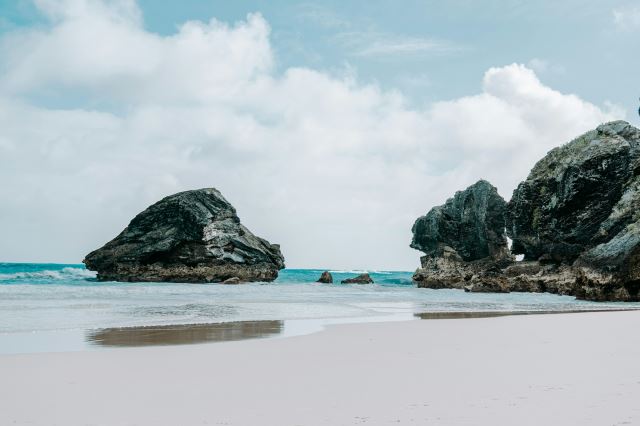
Horseshoe Bay is a broad crescent-shaped beach on Bermuda’s South Shore in Southampton Parish, named for the curve formed by its shoreline. Its pale pink sand contrasts with the blue Atlantic water, while limestone cliffs and rocky outcrops frame both ends of the beach. The shoreline is part of Bermuda’s protected coastal environment, with dunes and native vegetation growing behind the sand.
Hamilton
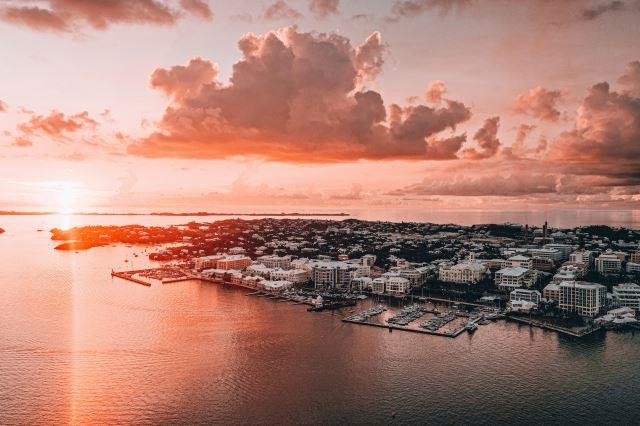
Hamilton, the capital of Bermuda, is the island’s lively cultural and commercial heart. Established in 1793, the city blends colonial charm with a modern island vibe, framed by pastel buildings and a picturesque harbor.