M'Hamid
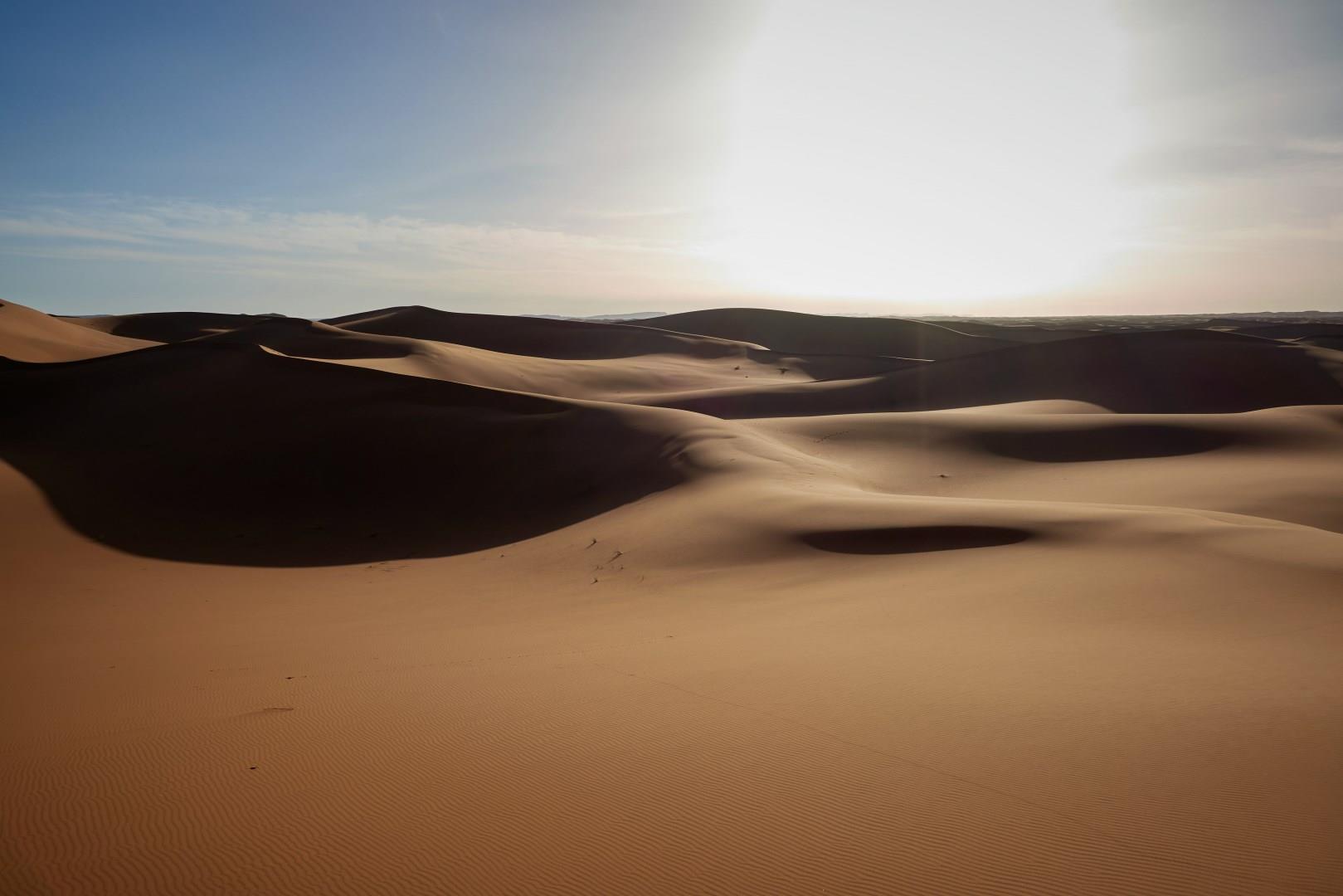
M’Hamid El Ghizlane sits deep in southeastern Morocco’s Sahara, where the paved road ends and endless sands begin. Travelers often arrive from Zagora, taking in the wide palm groves fed by ancient irrigation channels that show how people have sustained life here for centuries. At sunrise and sunset, the dunes glow with waves of gold and copper, offering unforgettable views few places on earth can match.

Bridgetown
Bridgetown, the lively capital of Barbados, is a city where history and Caribbean culture meet on the island’s southwestern coast. Founded in the 17th century, its historic core is recognized as a UNESCO World Heritage Site, with landmarks that reflect both British colonial influence and local heritage.

Arequipa
Arequipa, known as the "White City," is built from sillar, a pale volcanic stone that glows in the sunlight. This architectural detail gives the historic center its striking appearance and has earned it recognition as a UNESCO World Heritage Site. Towering above the city is the perfectly symmetrical Misti Volcano, which, along with two neighboring peaks, forms a dramatic backdrop.

Mekong River
The Mekong River, one of the world’s most iconic waterways, flows through six countries in Southeast Asia (China, Myanmar, Laos, Thailand, Cambodia, and Vietnam). Stretching over 4,300 kilometers, the Mekong weaves through lush landscapes, villages, and historic cities, making it an unforgettable destination for those seeking adventure. Cruising along the river is one of the best ways to explore its wonders, from the tranquil waters of Laos to the floating markets of Vietnam.

Cairo
Upon the banks of the mighty Nile River, the renowned city of Cairo stands tall as an iconic world capital and a well-preserved relic of antiquity. Immerse yourself in this historically significant city, replete with architectural wonders, mesmerizing artifacts, and sprawling markets humming with energy.