Kanab
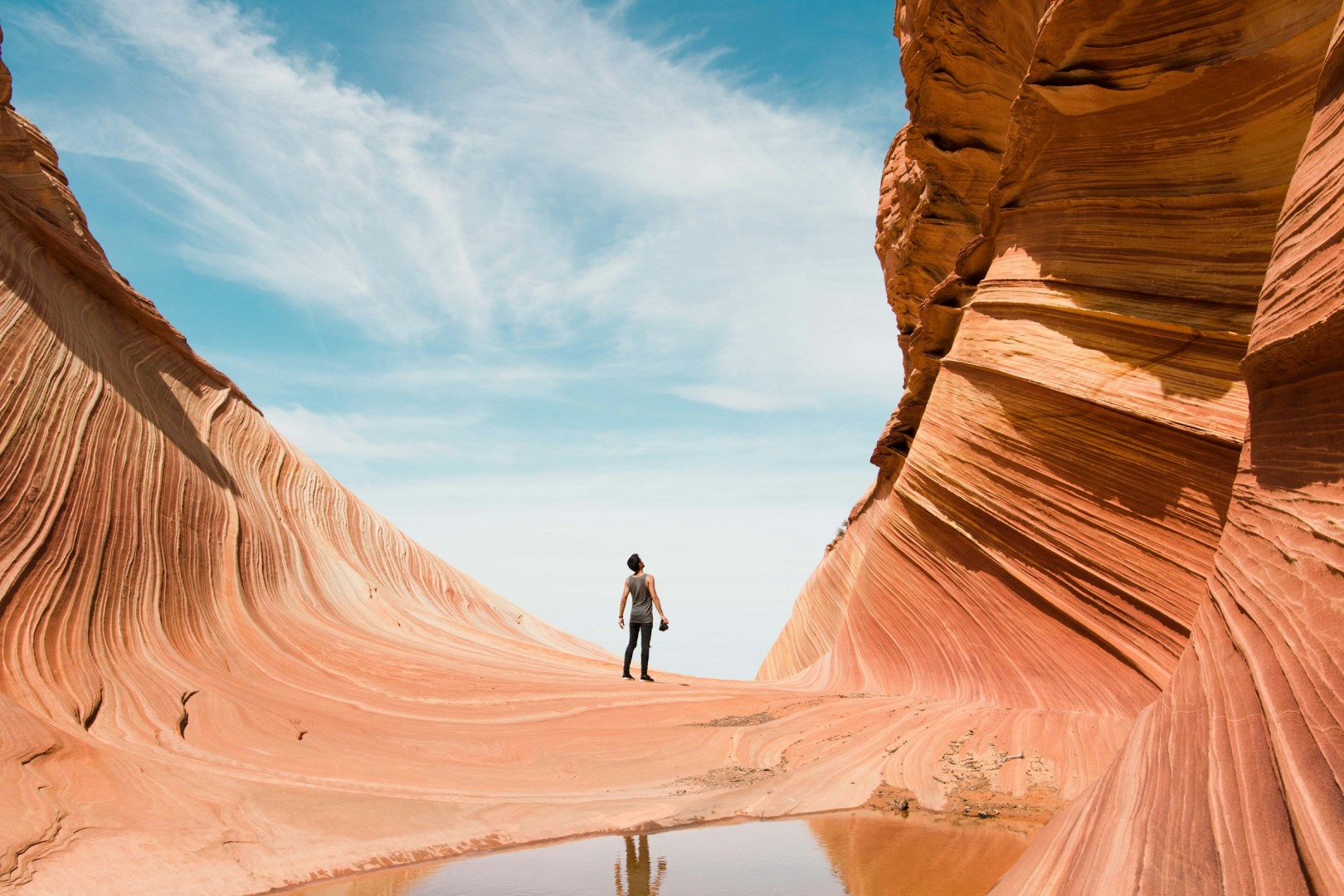
Kanab, located near the southern border of Utah, is the gateway to Bryce and Zion National Parks and has been the location for hundreds of movies.

Veracruz
Veracruz, Mexico, is a vibrant port city rich in history and culture. Founded in 1519 by Hernán Cortés, it is Mexico’s oldest city, and its historic center, with its colorful colonial buildings and bustling Zócalo, reflects its deep historical roots. Visitors can explore the impressive San Juan de Ulúa Fortress, a massive colonial-era fort that once served as a prison and a key military base.
Lancaster
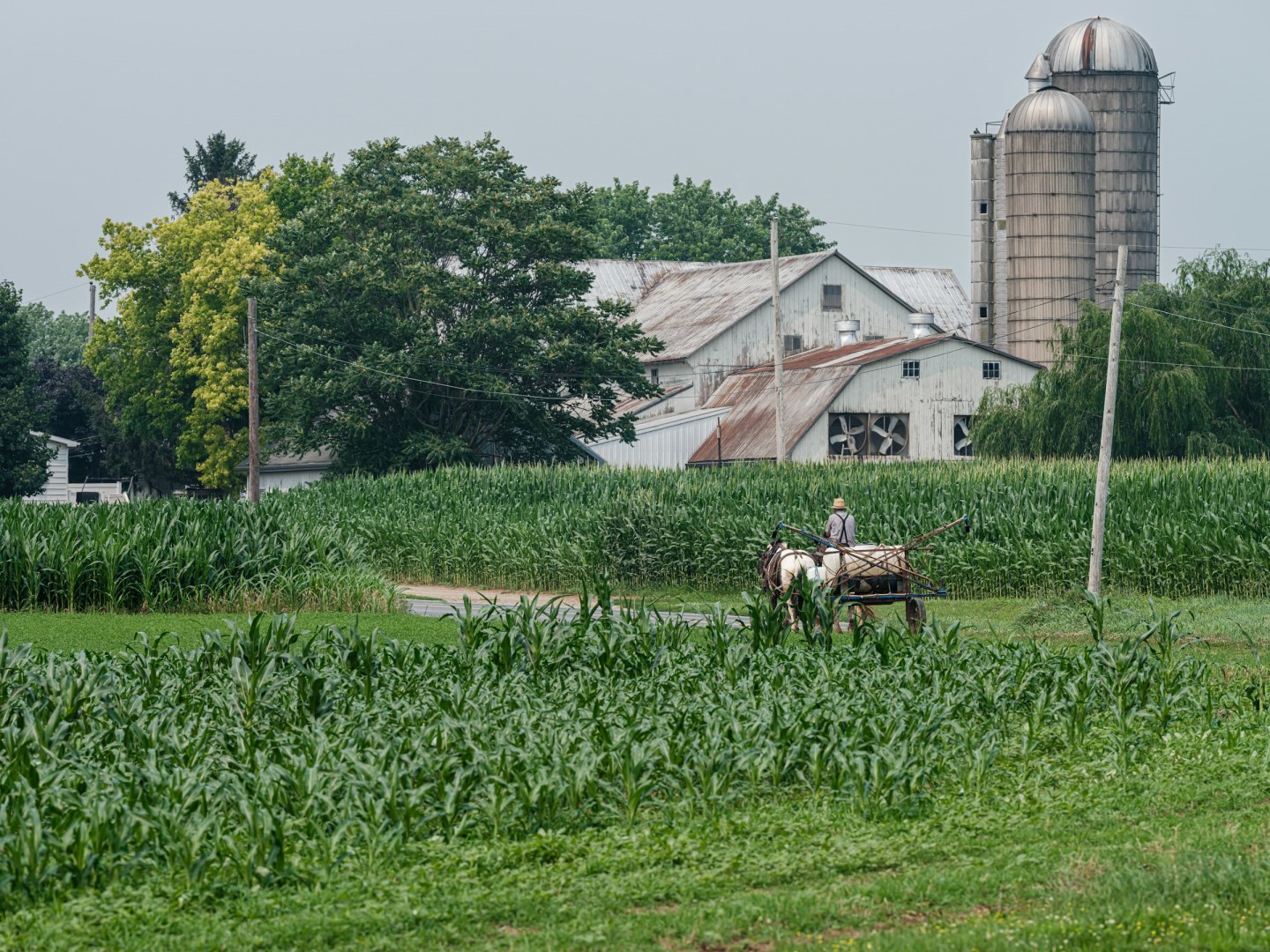
Lancaster, located in south-central Pennsylvania, is a city known for its rich history, vibrant culture, and picturesque surroundings in the heart of Pennsylvania Dutch Country.

Jersey City
Jersey City is a major waterfront city in northeastern New Jersey, situated across the Hudson River from Lower Manhattan. Its skyline, historic neighbourhoods, parks, and extensive waterfront make it one of the most urban places in the state. Exchange Place and the Hudson River waterfront provide direct views of Manhattan, while the historic Downtown district contains brownstones, churches, restaurants, and independent businesses.

Crotone
Located along the coast of Southern Italy, Crotone emanates a classic Italian lifestyle that appeals to tourists both foreign and domestic.