
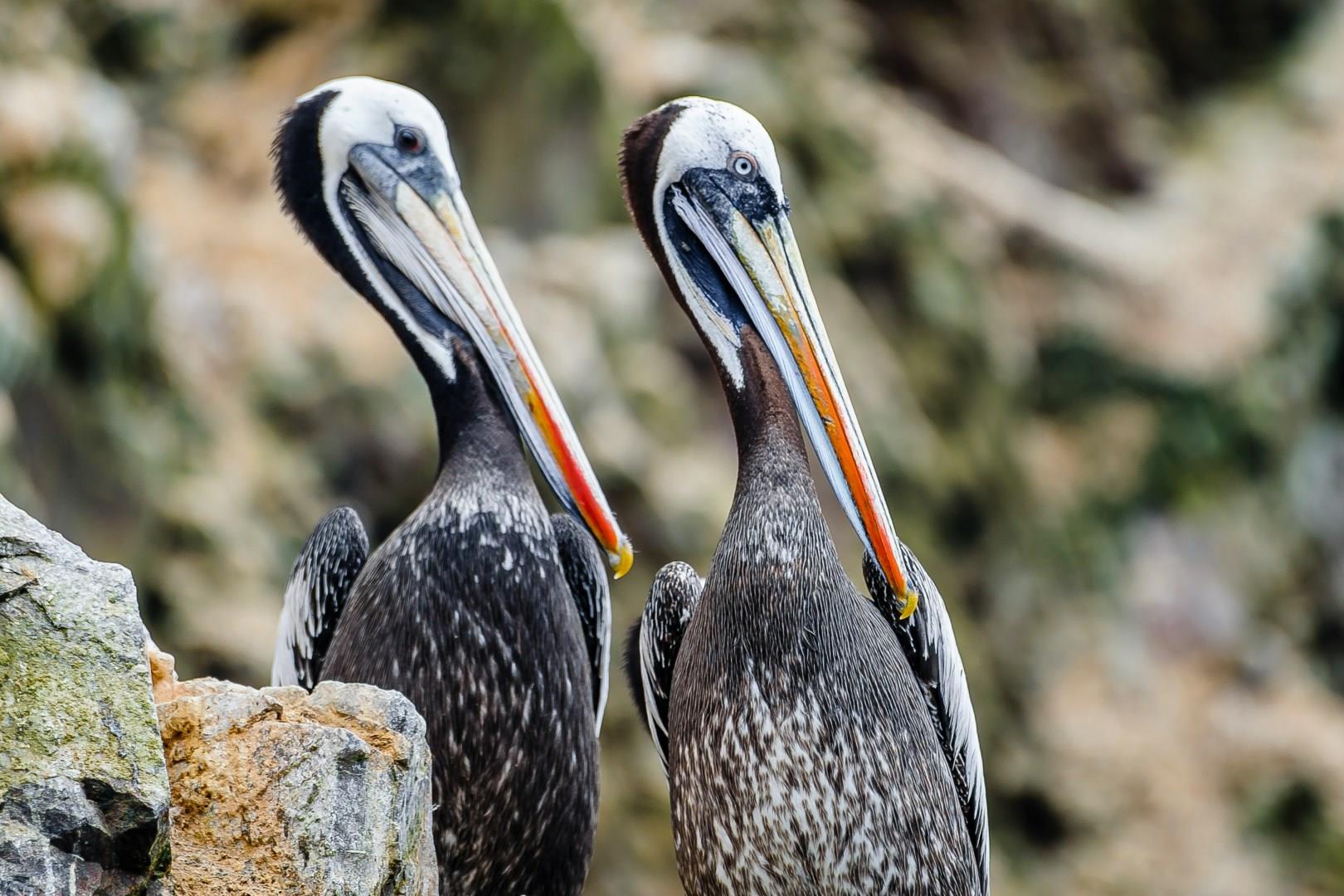
Pisco
Pisco is a coastal city in southern Peru, set between the Pacific Ocean and the arid landscapes of the Ica region.

Bali
Bali, an island province of Indonesia, has been shaped by centuries of Hindu influence, volcanic activity, and a deep connection between daily life and ritual. The island’s temples are a major part of its landscape as more than 20,000 exist across Bali. One of the most visited is Uluwatu Temple, perched dramatically on a cliff 70 meters above the Indian Ocean.
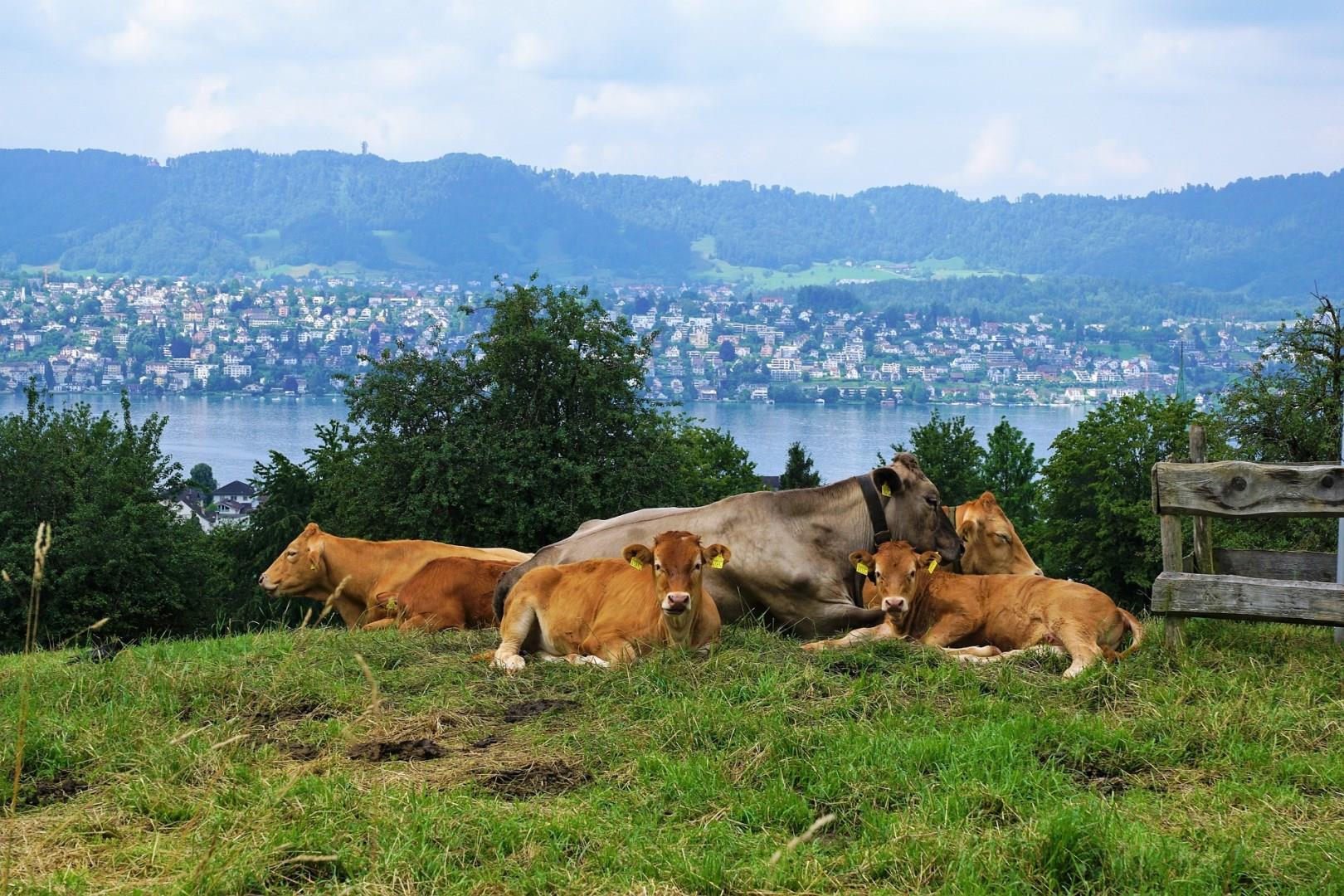
Switzerland
Switzerland's daily life appears to be full of contradictions: the old and the new, natural beauty and industrial production, neutrality and international frankness. These sharp contrasts go hand in hand, and this unity is the real reason that this small country in the heart of Europe has developed into such an important communication and trading partner in the world today. It is Switzerland's contrasts - its diversity which attracts both the businessman and the tourist alike.
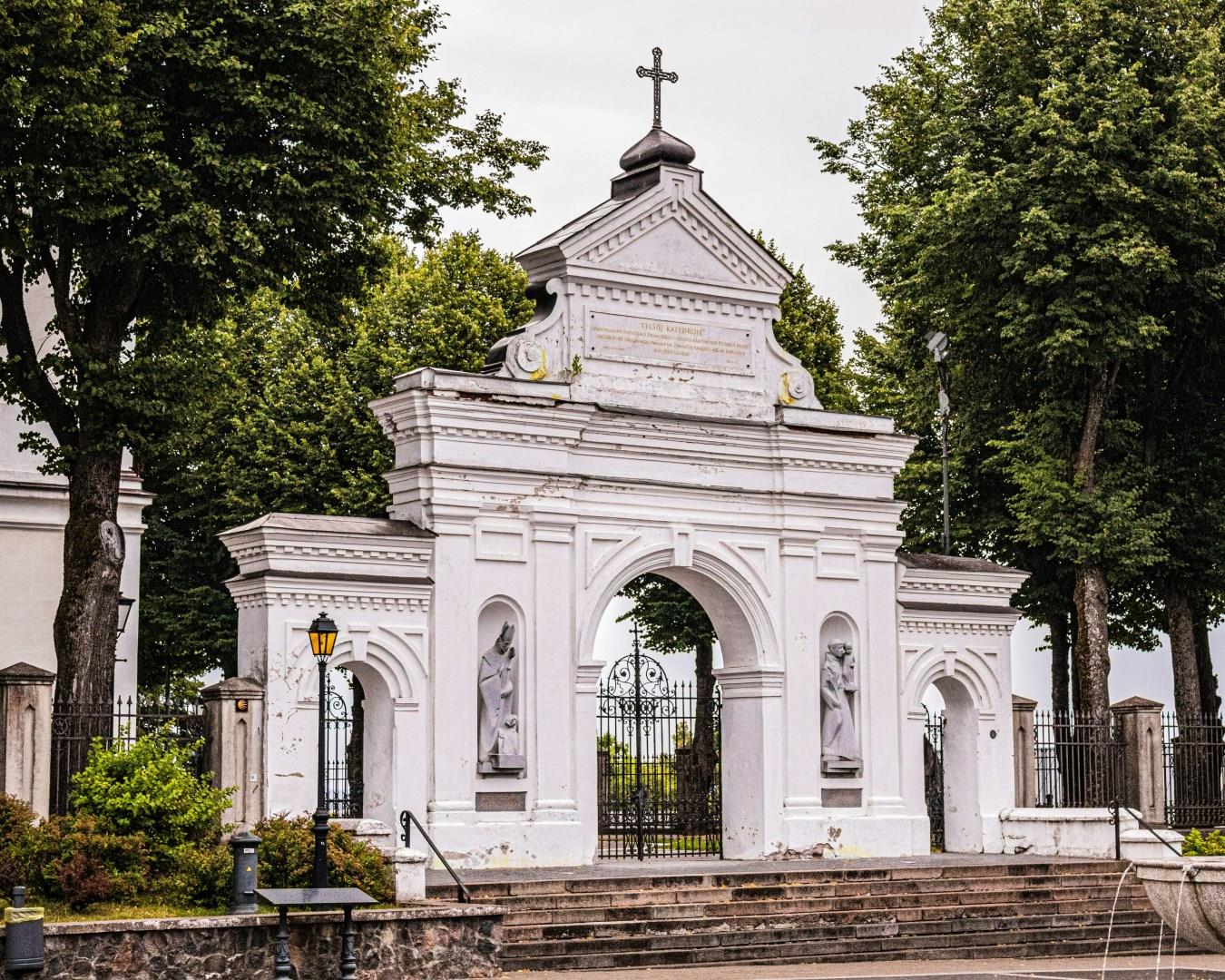
Telšiai
Telšiai, often called the capital of Lithuania’s Samogitia region, offers visitors a deep dive into a unique cultural heritage paired with striking natural settings. The town is set on the shores of Lake Mastis, where the reflections of historic buildings and lush forests create a calm and inviting atmosphere. Telšiai’s old market square bustles with life and is home to some of the town’s most notable landmarks, including the Neo-Gothic St. Anthony of Padua Cathedral.
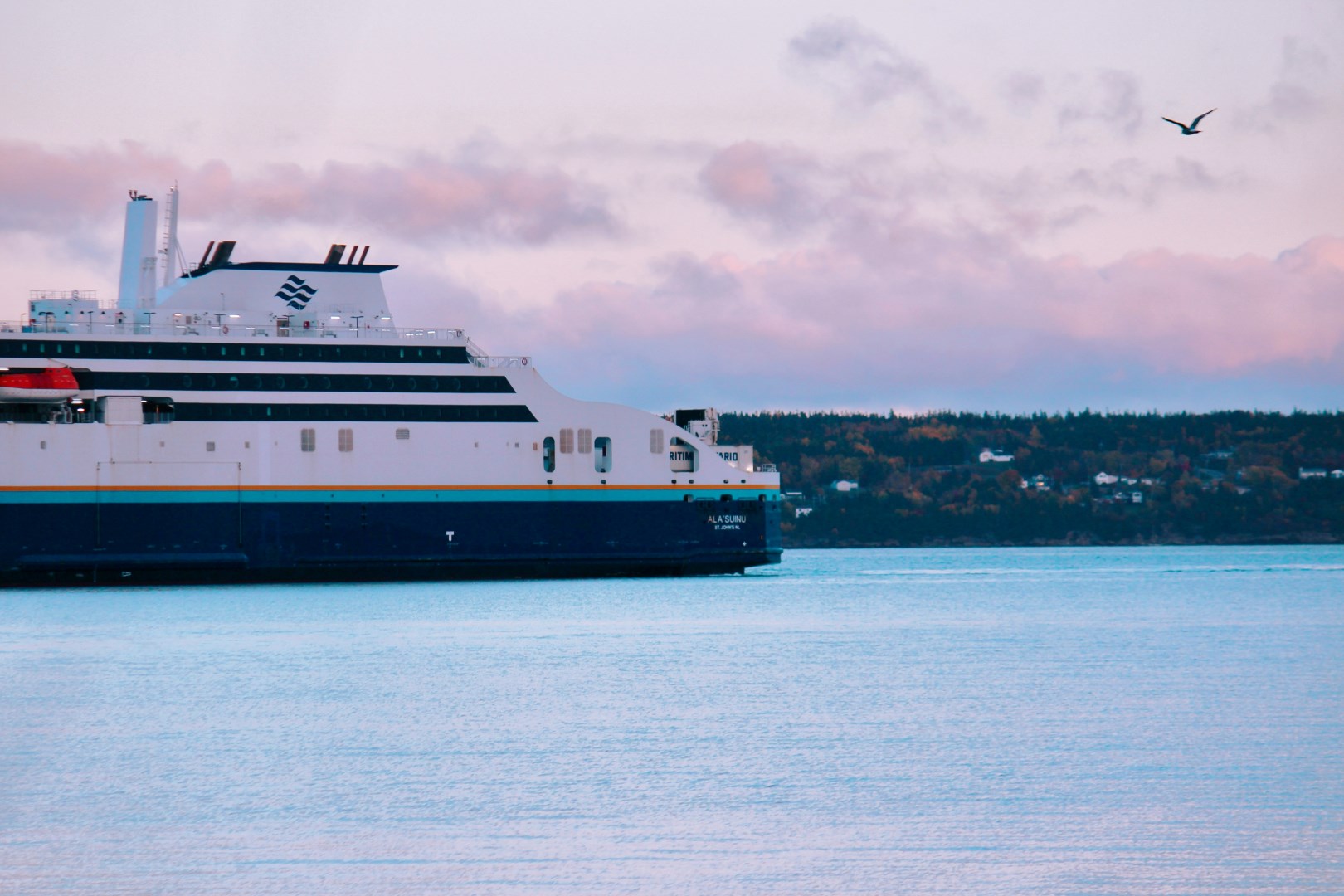
Sydney, Nova Scotia
Situated on the eastern edge of Cape Breton Island, Sydney in Nova Scotia welcomes visitors with a strong connection to the sea and a deep-rooted cultural identity. The city’s waterfront is a natural gathering place, where boardwalks stretch along the harbor and offer views of fishing boats, cruise ships, and open water. One of its most recognizable landmarks is the world’s largest fiddle, a towering tribute to the region’s musical traditions.


