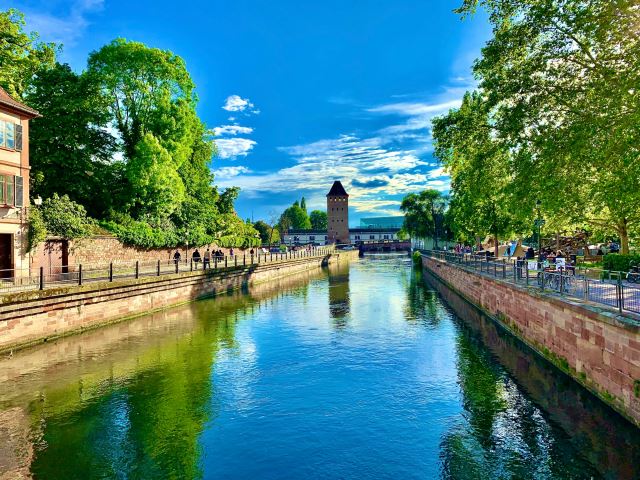
Yangon, Myanmar’s largest city, blends colonial heritage, cultural diversity, and spiritual landmarks. Once the country’s capital, it remains the economic and cultural hub, with lively markets, tree-lined avenues, and historic buildings that reflect its layered past under British, Burmese, and regional influences.
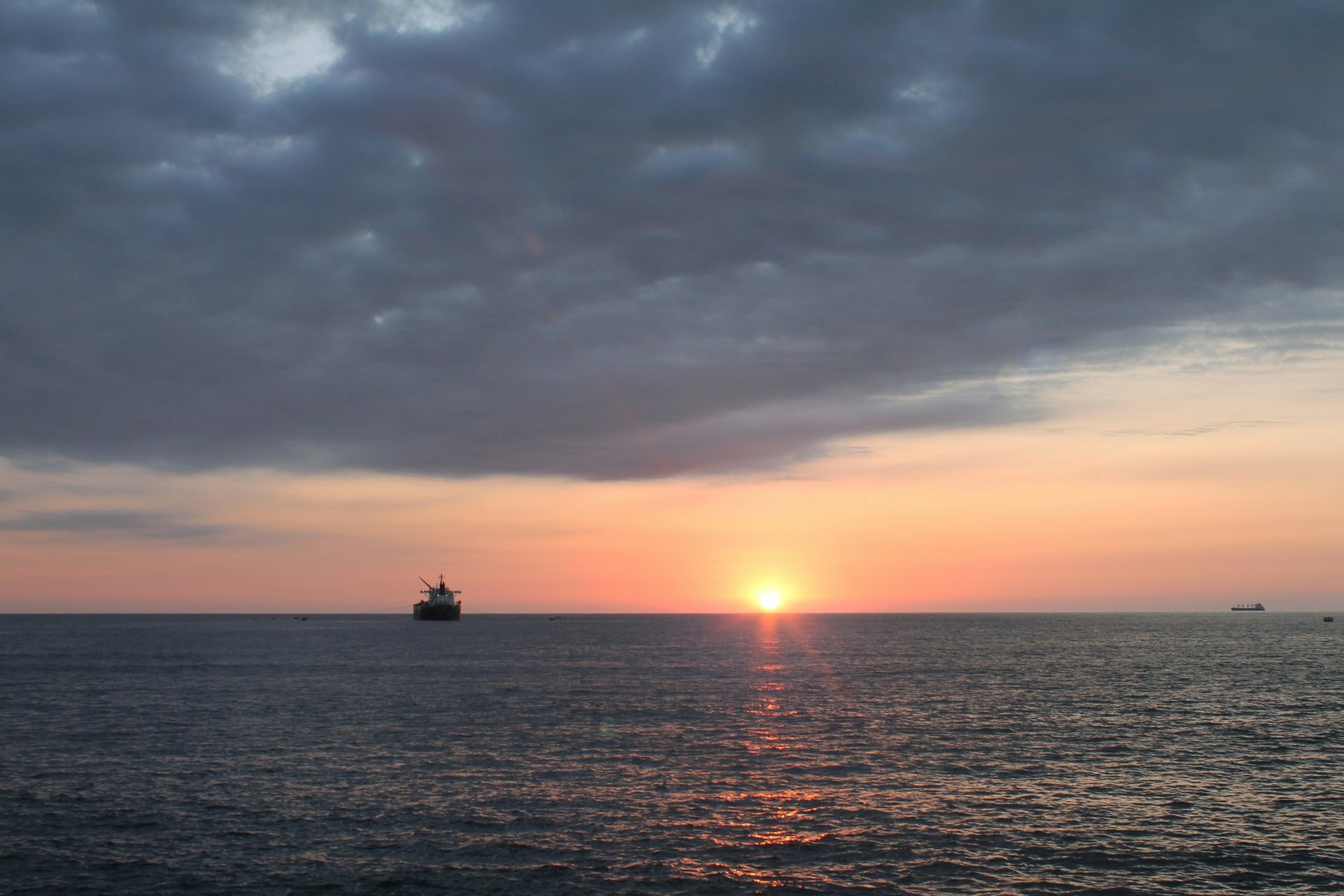
Acajutla is the principal Pacific port of El Salvador, located in the department of Sonsonate along the country’s western coastline. The city plays an important role in trade and transportation, with cargo ships, fishing boats, and industrial facilities shaping much of the waterfront activity.
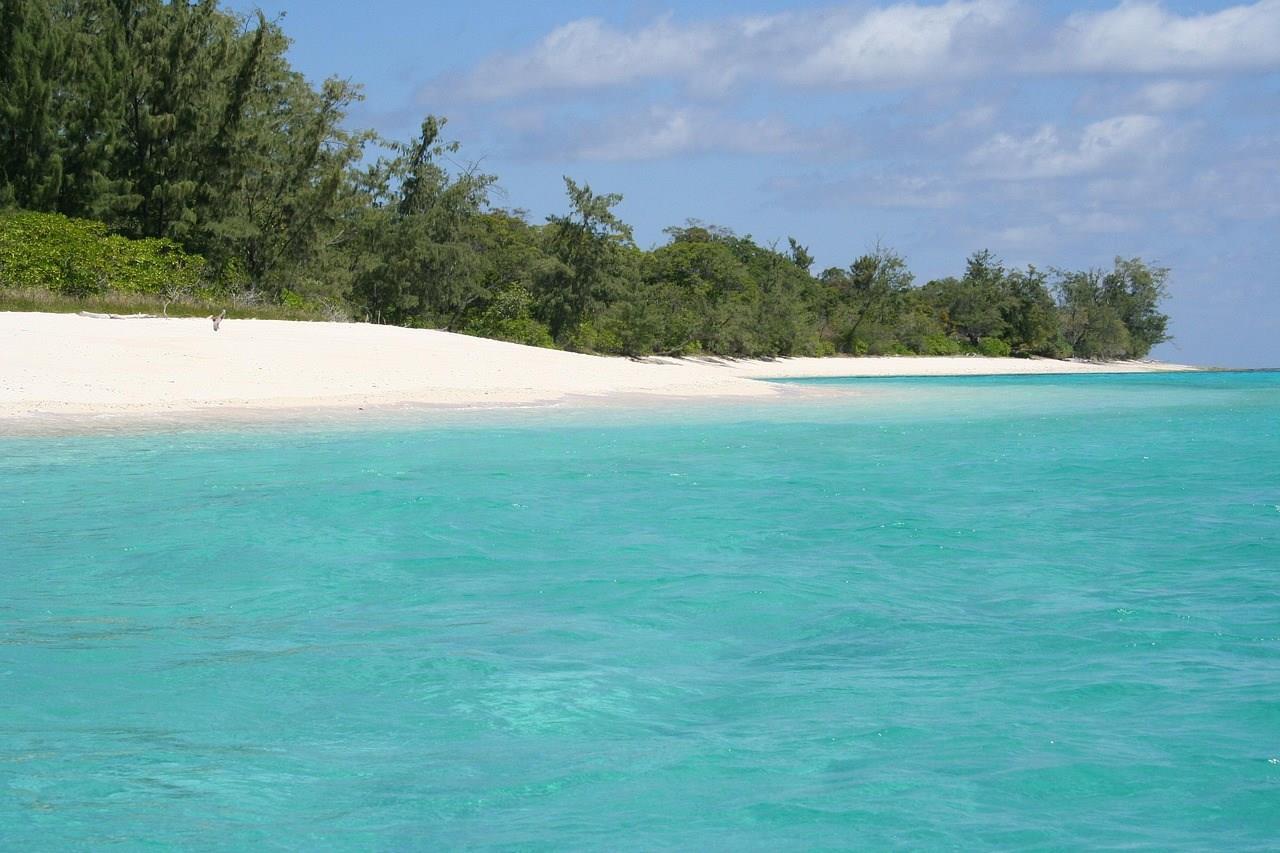
Timor-Leste, one of the world’s youngest nations, is a place where resilience and cultural richness shape everyday life. Its history is deeply marked by centuries of Portuguese colonial rule, followed by Indonesian occupation and a long struggle for independence, achieved in 2002.
Kamloops, located in the interior of British Columbia, sits at the meeting point of the North and South Thompson Rivers. The name comes from the Secwépemc word “Tk’emlúps,” meaning "where the rivers meet," and the area has been a gathering place for Indigenous communities for thousands of years. Today, visitors can explore this rich cultural heritage at the Secwépemc Museum and Heritage Park, where trails lead through archaeological sites and reconstructed pit houses.
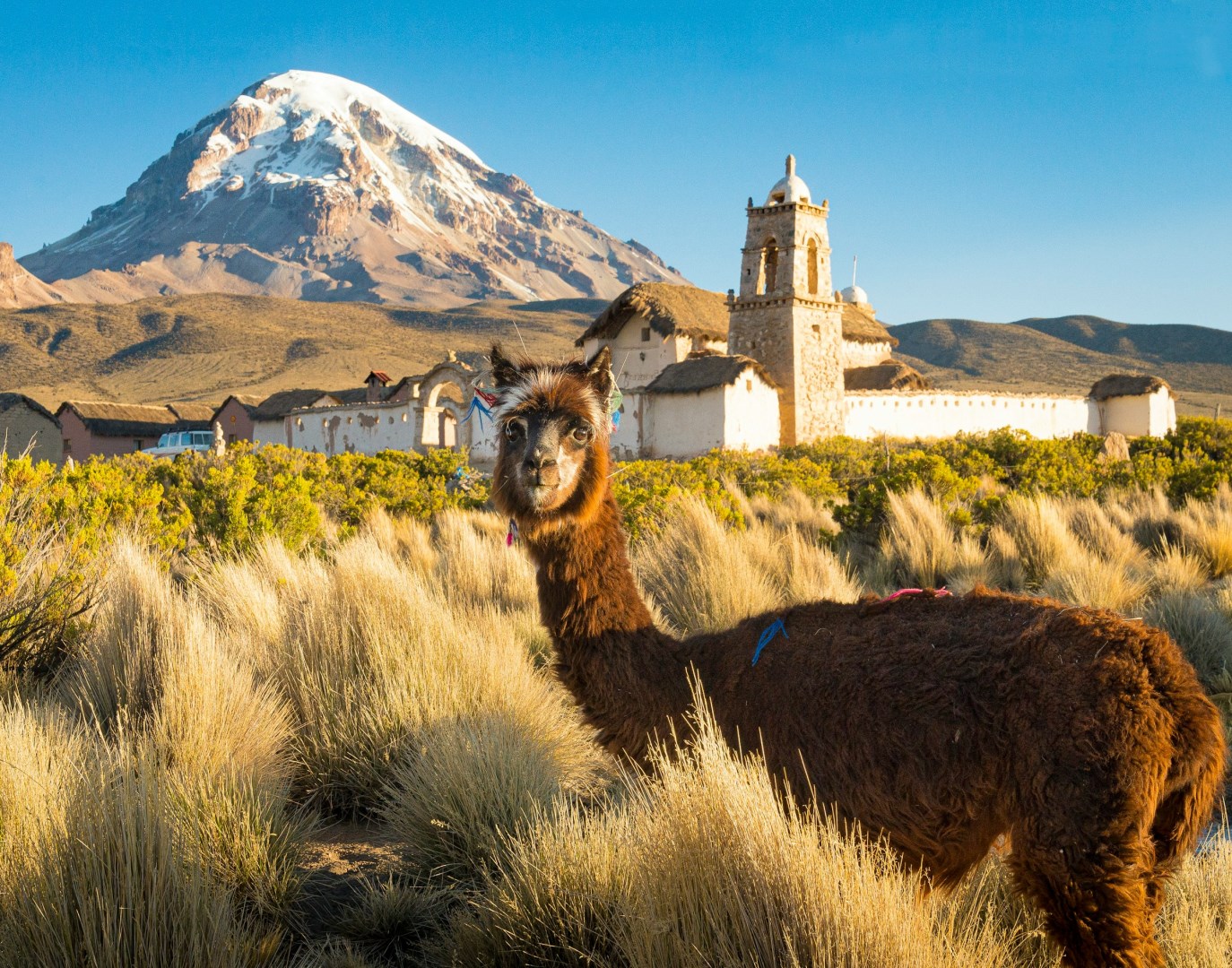
Sajama National Park lies in western Bolivia near the border with Chile, within the highlands of the Oruro Department. It protects a broad landscape of volcanoes, high-altitude grasslands, wetlands, volcanic formations, and native queñua forests. The park is centered on Nevado Sajama, Bolivia’s highest mountain, whose snow-covered summit rises above the surrounding Altiplano.
Nestled in the picturesque Burgundy region of France, Tournus offers a charming glimpse into both its rich medieval history and its delightful contemporary culture. One of the city’s standout landmarks is the Abbey of Saint-Philibert, a remarkable example of Romanesque architecture. Founded in the 10th century, this abbey features stunning stone carvings and a tranquil cloister, making it a must-visit for history and architecture enthusiasts.
Tournus is also celebrated for its culinary heritage. The town’s location on the banks of the Saône River and its proximity to the vineyards of Burgundy mean that visitors can enjoy exquisite regional cuisine and fine wines. The local markets, such as the Place de l’Abbaye market, offer an array of fresh, locally-sourced products, perfect for sampling the flavors of the region. The town is known for its delightful restaurants that feature traditional Burgundian dishes.
Fun Fact: Tournus is home to a unique medieval clock tower, the Tour Saint-Marcel, which has been in operation since the 15th century. It’s a delightful reminder of the city’s long and storied history.
With its blend of historical significance, culinary delights, and vibrant cultural scene, Tournus invites visitors to experience the timeless charm of Burgundy.
Other Popular Destinations in France
Paris
France's capital and most populated city, Paris is an alluring destination and an essential stop for any global traveler. A center of fashion, gastronomy, and the arts. Major tourist attractions in the City of Lights include the Eiffel Tower (such great heights!), the Louvre (home of the Mona Lisa and Venus de Milo), the Arc de Triomphe, and Grand Palais.
Strasbourg
This vibrant and picturesque city sits near the German border and is the 2nd most popular tourist city in France. Its historic city center is classified a World Heritage Site by UNESCO, and the Stasbourg Cathedral is one of the finest examples of Rayonnant Gothic architecture.