Douglas Island
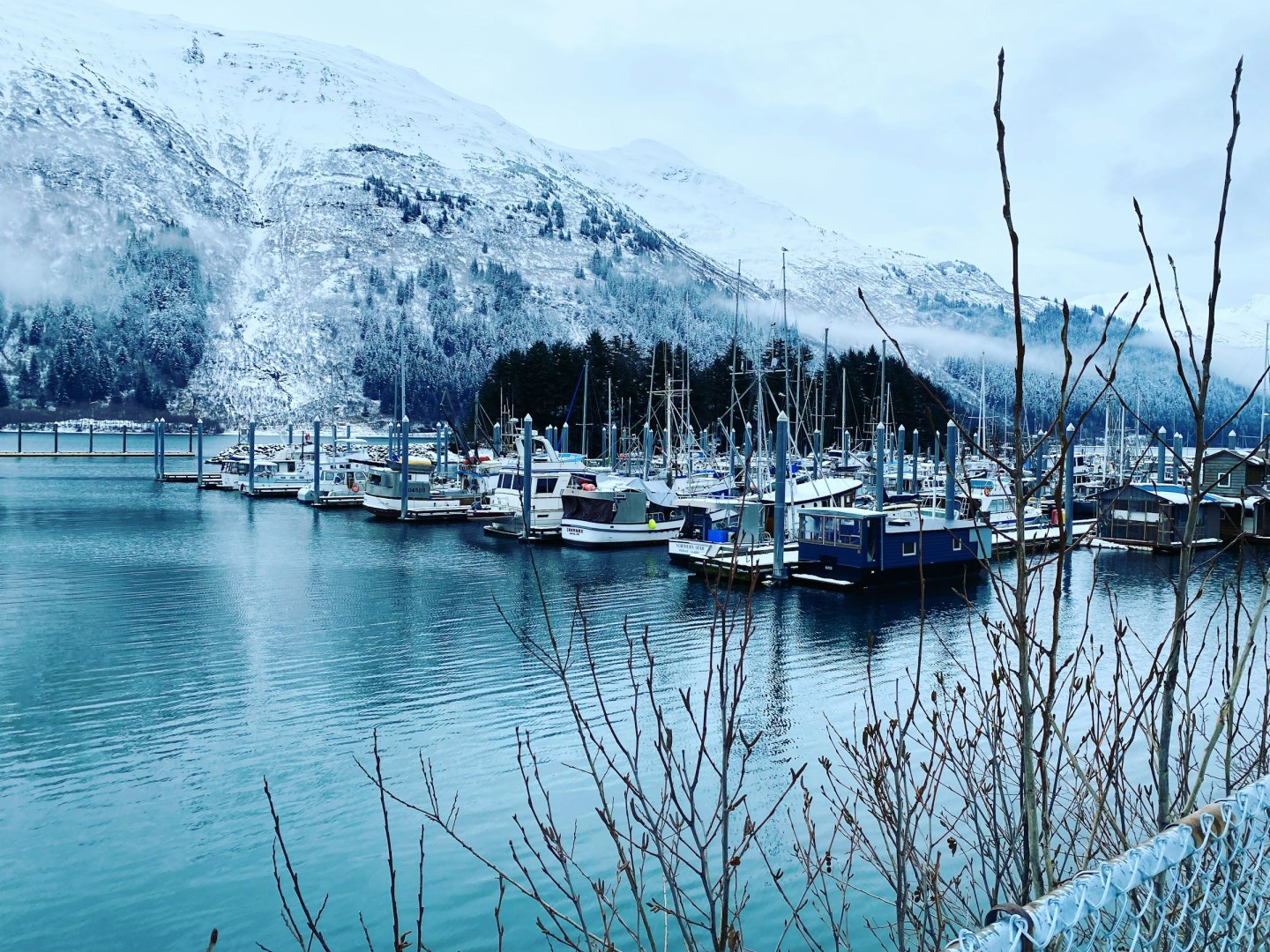
Douglas Island is a forested island in the Alexander Archipelago of southeastern Alaska, separated from Juneau by Gastineau Channel. Although geographically an island, it is closely connected to Juneau by the Juneau-Douglas Bridge and functions as part of the capital city’s wider urban area. The community of Douglas occupies the island’s southern end, while much of the remaining landscape consists of dense coastal forest, steep hills, streams, and rocky shoreline.
Chobe River
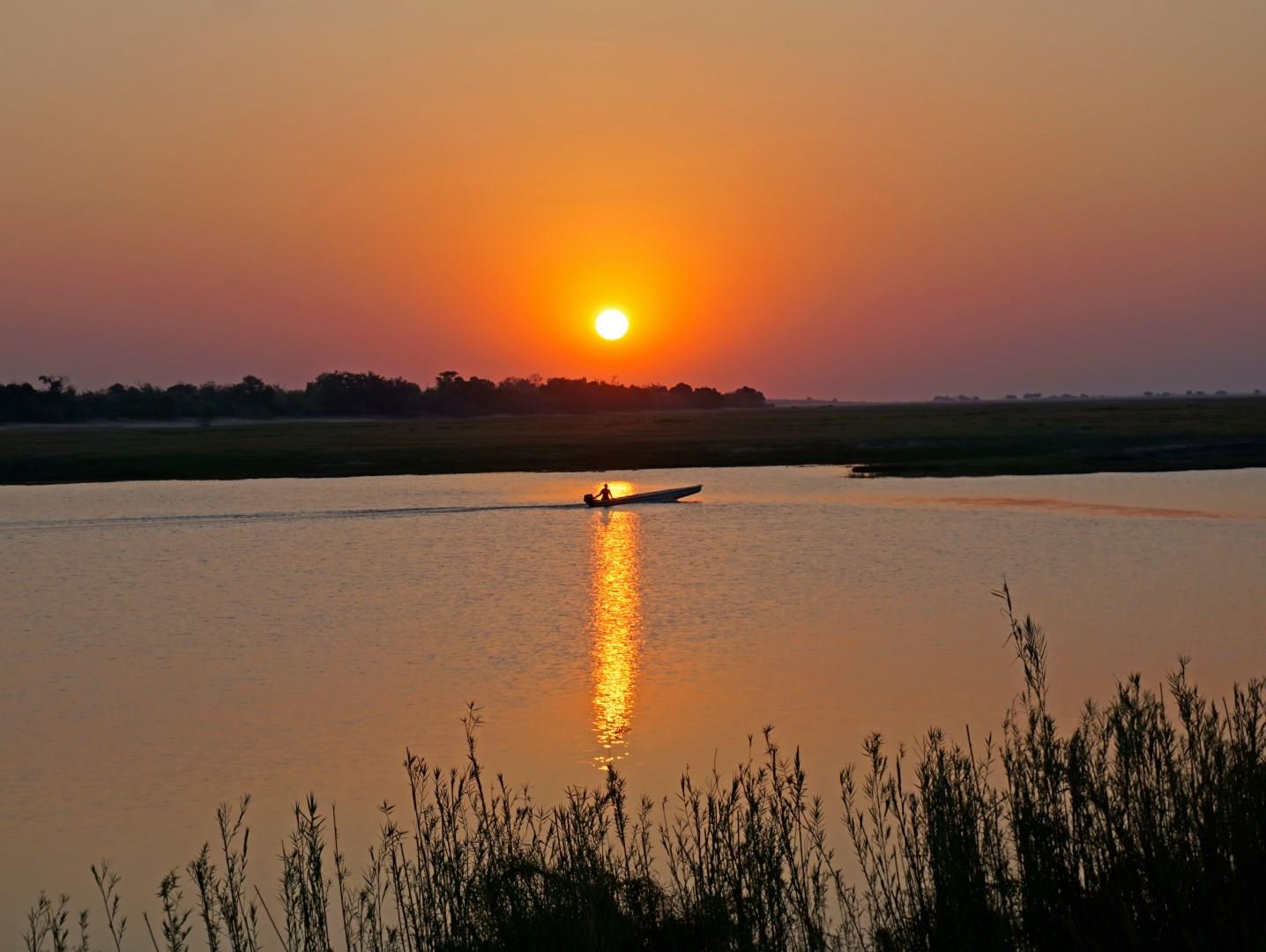
The Chobe River forms the northern boundary of the Chobe National Park. Animal lovers and safari enthusiasts know it as the place where the elephants congregate during winter's dry season and migrant birds are in full color during the wet summer months. The river itself is actually a section of the Cuando River, known as the Chobe from the seasonal lake Liambesi to its outflow at the Zambezi River.
Salinas
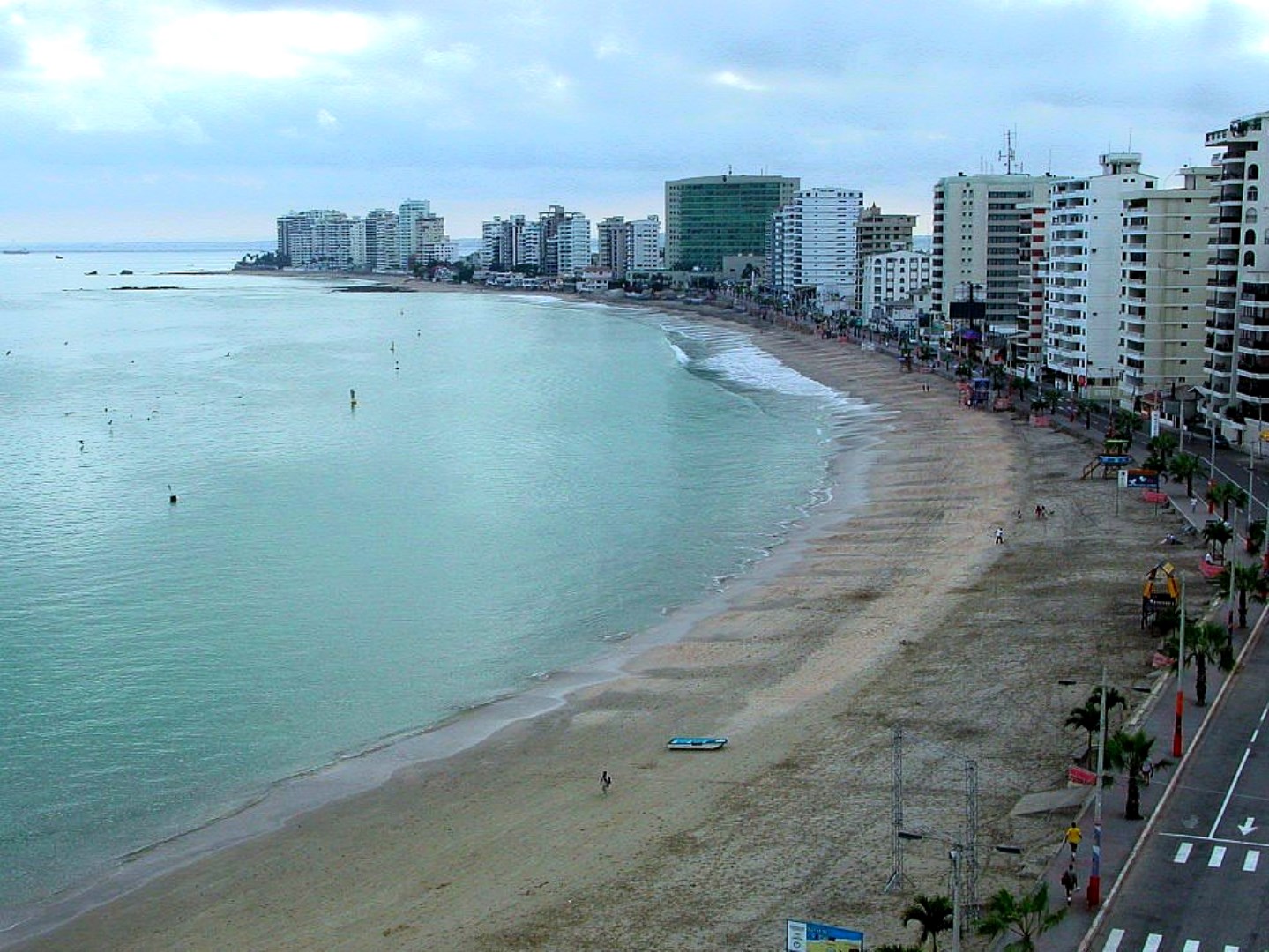
For a small country, Ecuador has more varied climatic zones than anywhere in the world. From Salinas, a favorite beach resort on the southern coast, one can go in one day from tropical beaches to semi-arid desert to impenetrable Amazon basin rain forest to the spring-like high altiplano to the soaring snow-capped mountain peaks of the Andean Cordillera. The area around Salinas was once home to the ancient Mocha culture. Archeologists have discovered exquisite examples of pottery and jewelry i
La Esperanza
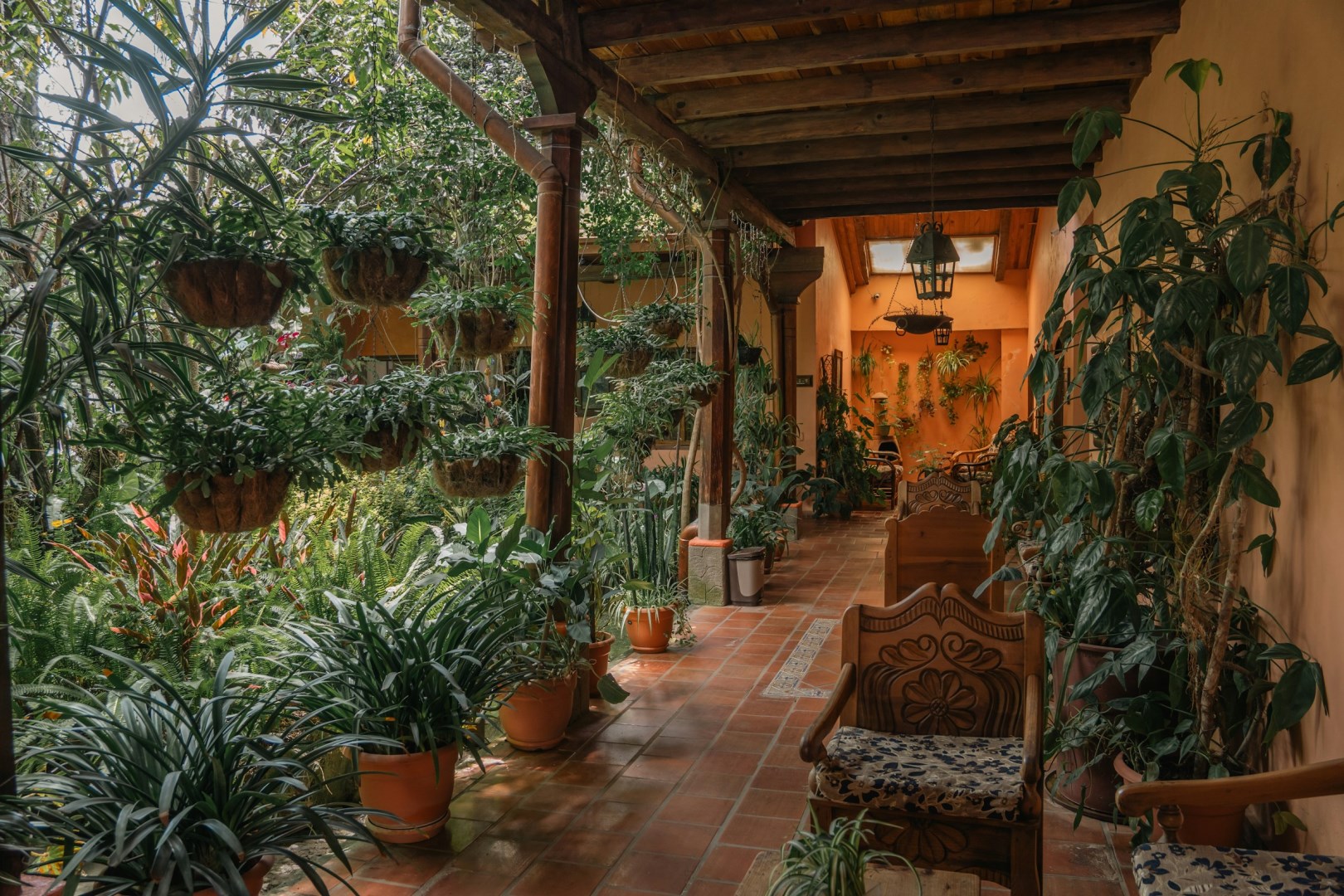
La Esperanza is a highland city in Honduras and the capital of Intibucá department, situated in a cool mountain valley surrounded by pine-covered slopes. The city forms part of the Ruta Lenca, a cultural route through western Honduras, and is closely connected with the Lenca people and their traditions.

Prince Edward Island
Located in the Gulf of St. Lawrence in southeastern Canada, Prince Edward Island has been nicknamed "The Garden of the Gulf." It was founded in 1534 by French Explorer Jacques Cartier and is primarily a fishing center and summer tourist destination.