Botswana
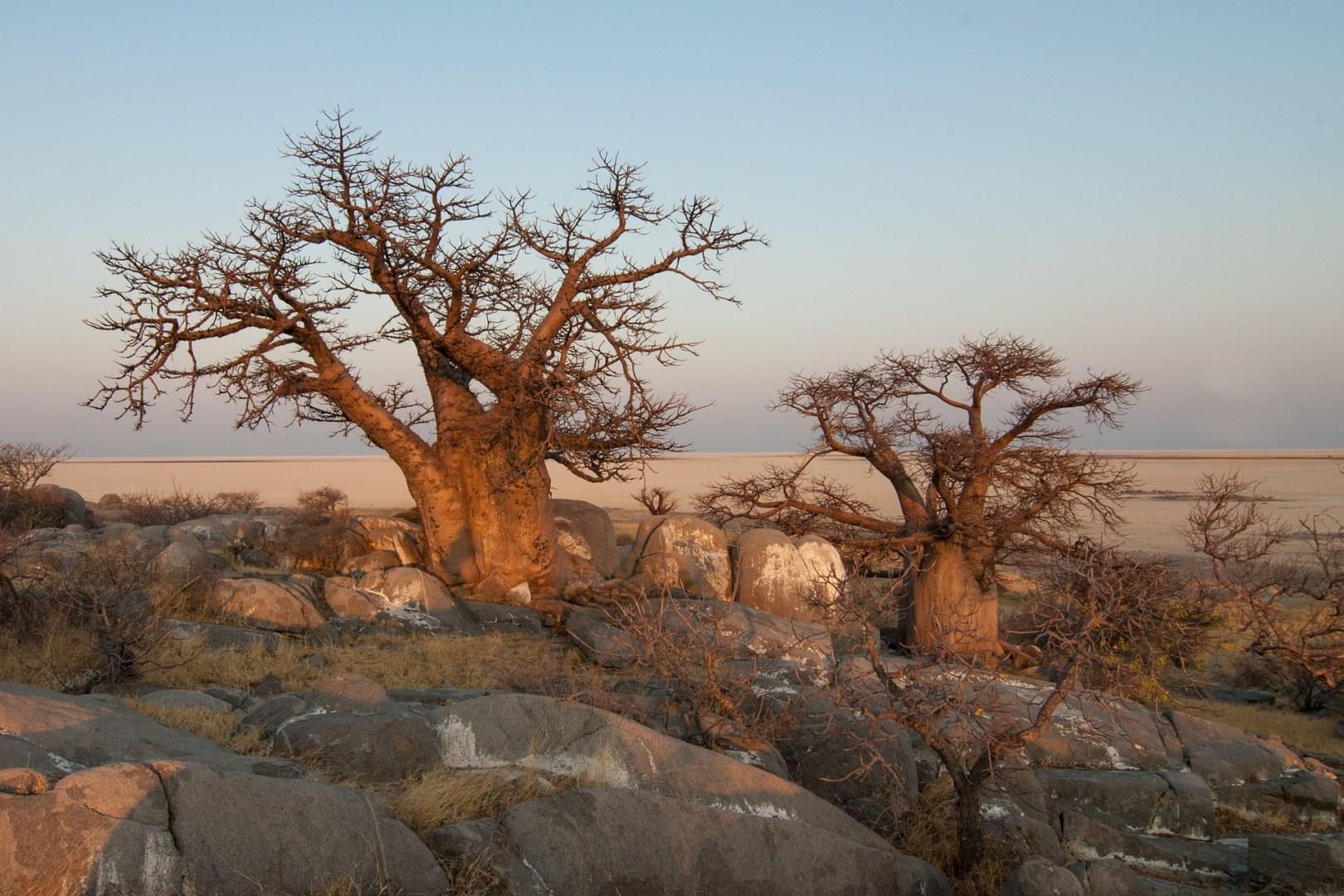
Botswana, a jewel of southern Africa, offers a captivating blend of natural beauty and unique wildlife experiences. The country is renowned for its pristine wilderness areas, including the Okavango Delta, a UNESCO World Heritage site. This sprawling inland delta floods annually, creating a lush oasis in the Kalahari Desert. Here, visitors can explore a maze of waterways and lagoons by traditional mokoro canoe, spotting a rich array of wildlife such as elephants, hippos, and various bird species.

Annecy
Nestled between the pristine waters of Lake Annecy and the towering French Alps, Annecy is a charming gem in southeastern France that offers visitors a unique blend of history, natural beauty, and alpine allure. Often referred to as the "Venice of the Alps" due to its network of canals that wind through the old town, Annecy captivates with its cobbled streets, pastel-colored houses, and flower-adorned bridges.

Civitavecchia
This pleasant port town provides a nice, calmer contrast to bustling Rome, so travelers are advised to not simply pass through, but linger and discover more of Civitavecchia. Explore Forte Michelangelo, shop at Corso Centocelle, see the neoclassical Trajan Theatre, and delve into the therapeutic Taurine Baths of Civitavecchia.

Ulm
Ulm, Germany, a picturesque city on the banks of the Danube River, offers a rich tapestry of history and modern charm. Dominating its skyline is the Ulm Minster, home to the tallest church steeple in the world at 161.5 meters (530 feet). This Gothic masterpiece invites visitors to climb its 768 steps for a breathtaking panoramic view of the city and the surrounding countryside.

Prague
The dazzling capital of the Czech Republic, the explorable Prague has fittingly been nicknamed "the City of a Hundred Spires." Halved by the Vltava River and notable for architecture Baroque, Renaissance, and Gothic, visitors will find much to take in here.