
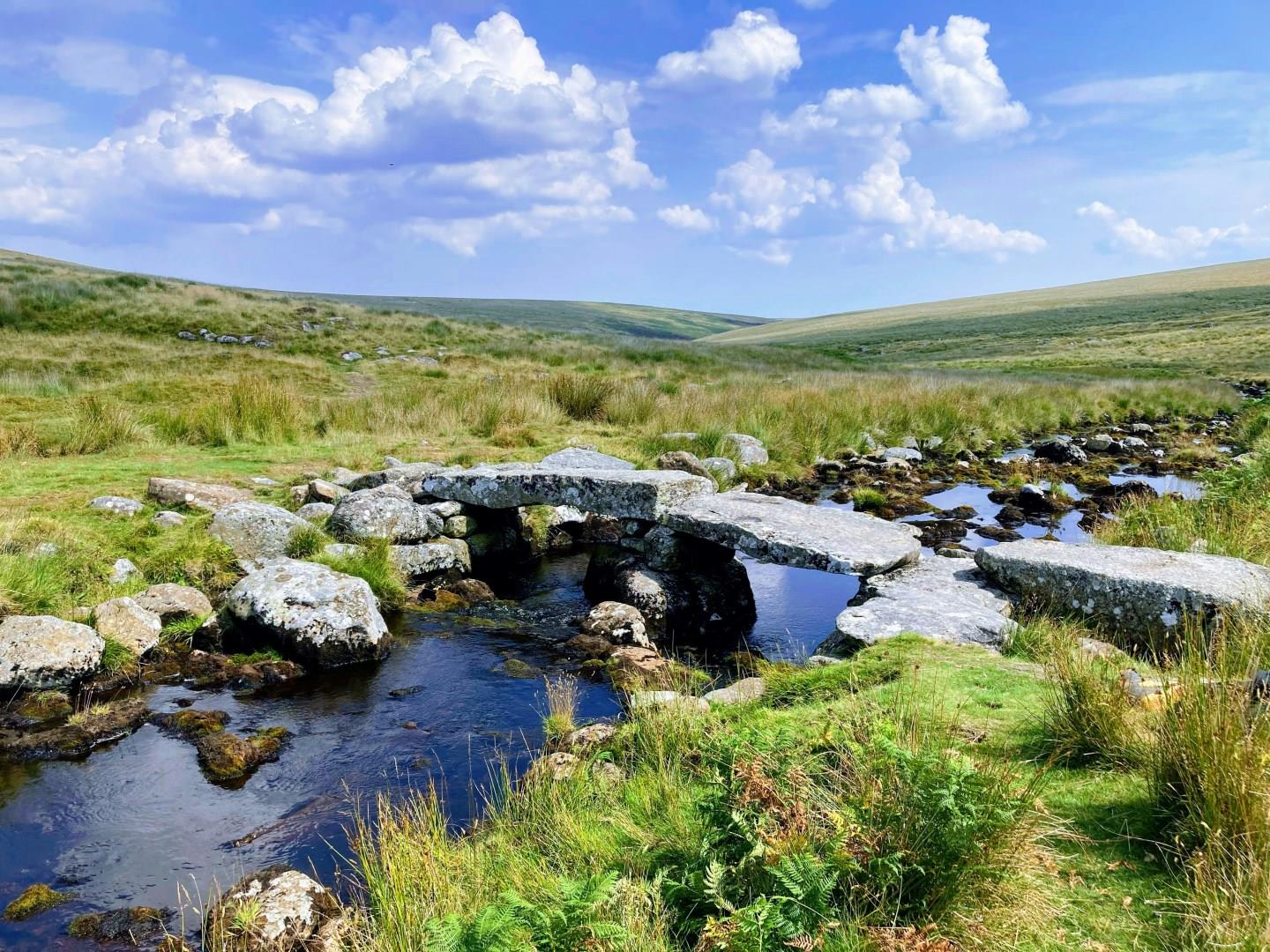
Dartmoor National Park
Dartmoor National Park sits in the heart of Devon, England, and invites travelers to step into a landscape that has changed little over thousands of years. Rolling moorland, deep river valleys, and more than 450 miles of paths give visitors space to explore at their own pace. Ancient stone rows, circular dwellings, and burial cairns spread across the moorland are reminders of people who lived here as far back as the Bronze Age.
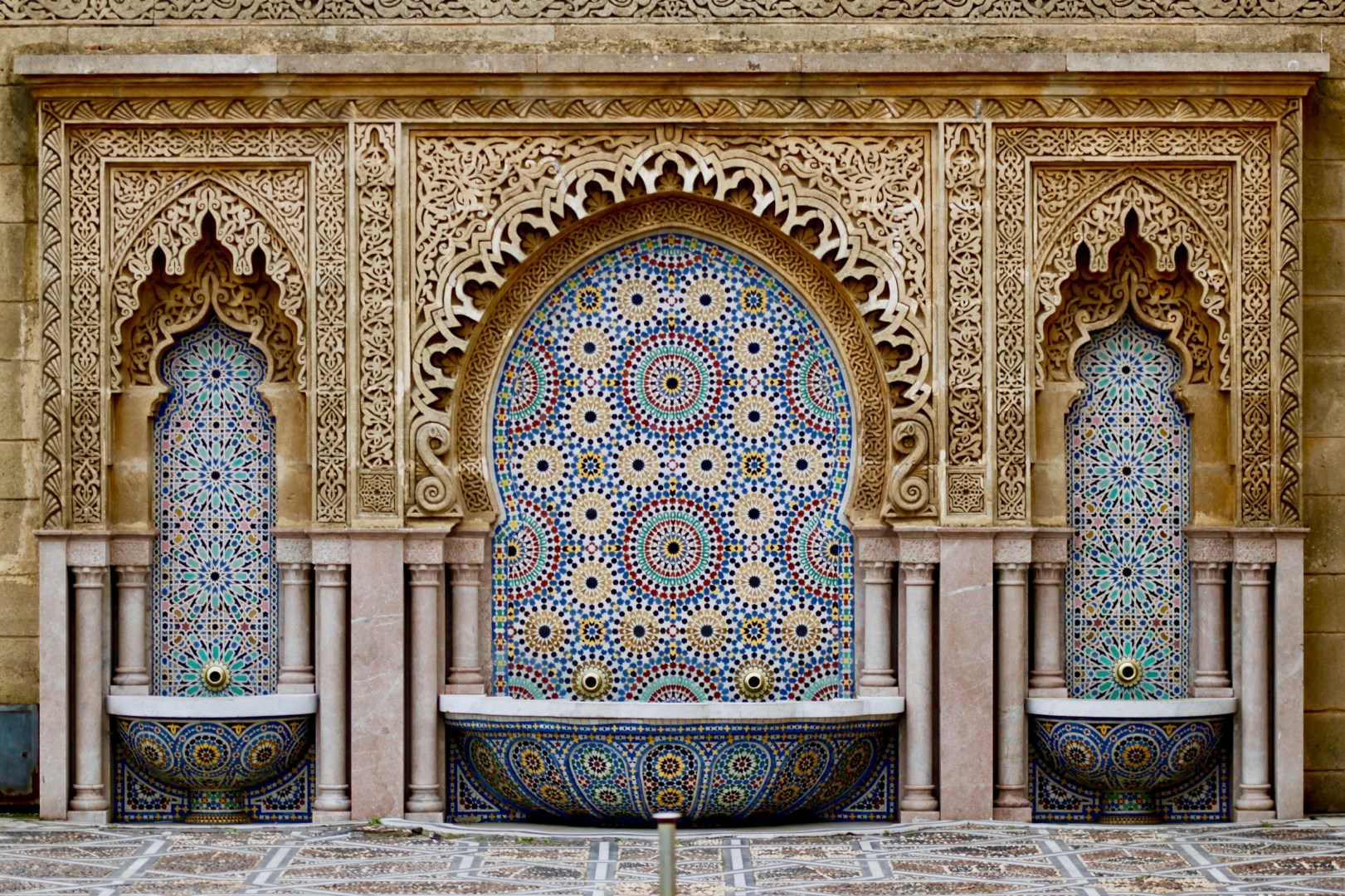
Rabat
Rabat, the capital of the kingdom of Morocco, is located on the edge of the Atlantic Ocean on the left bank of the Bou Regreg Estuary. A city of trees and flowers, Rabat combines peace, beauty and Serenity, and is steeped in history.
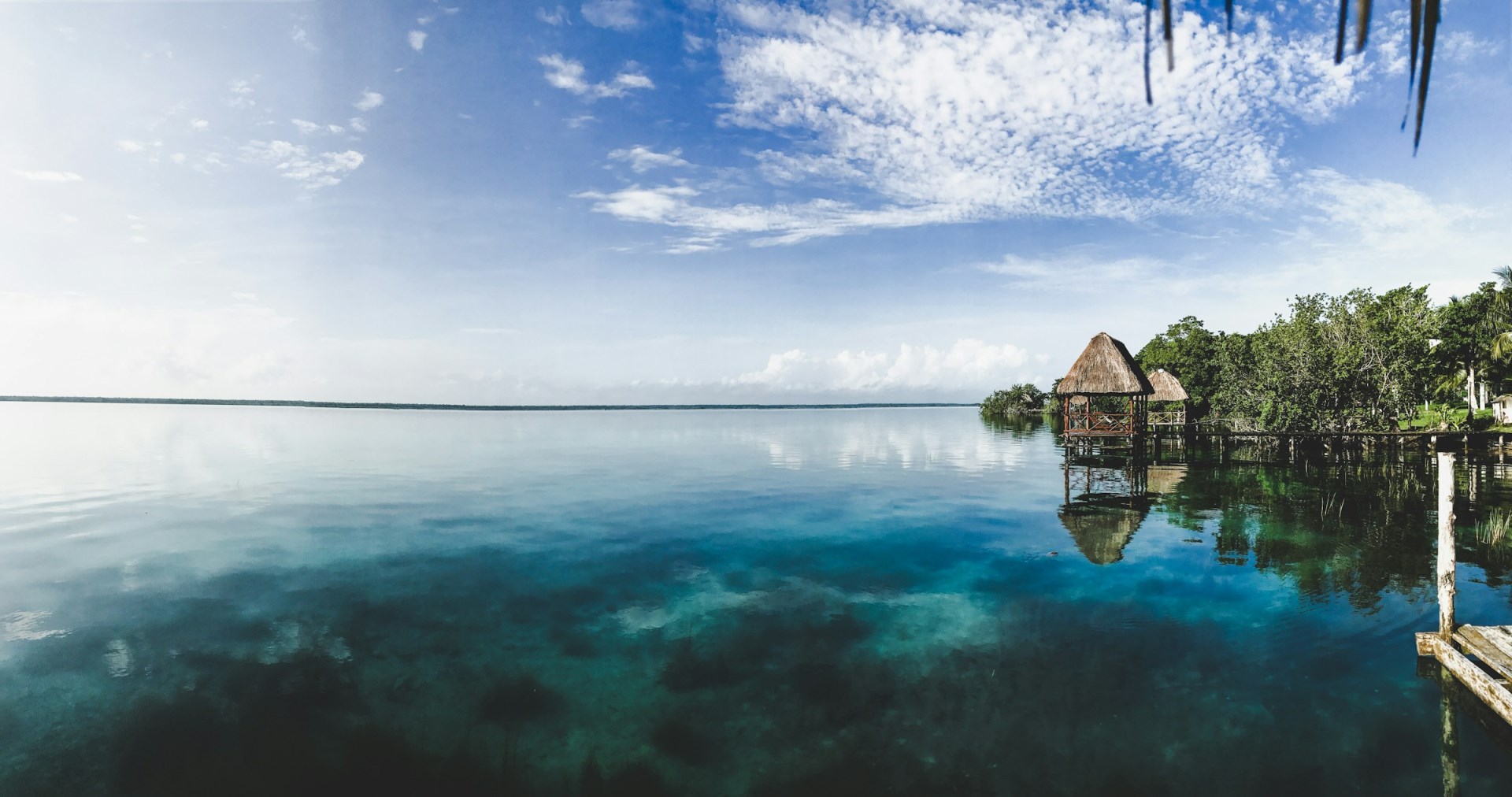
Lake Bacalar
The white limestone bottom of this freshwater lagoon makes the vibrant aquamarine waters look even brighter. This blissful escape is perfect for kayaking or lounging and has smaller crowds than some of the more well-known tourist towns.
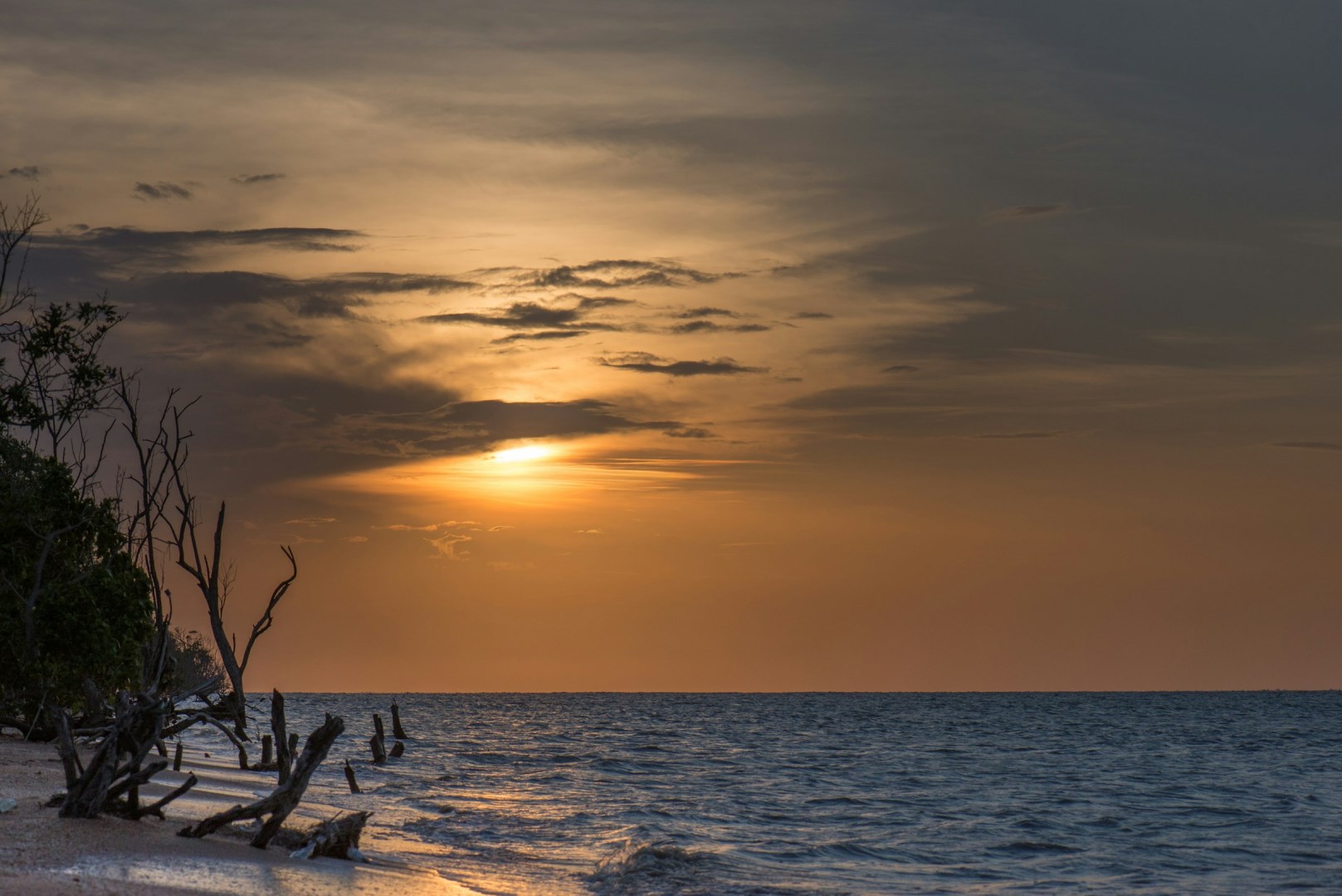
Suriname
Suriname’s forests cover more than nine‑tenths of the country and house an astounding array of wildlife. The Central Suriname Nature Reserve, one of the largest rainforest sanctuaries on Earth, shelters jaguars, giant river otters, and hundreds of bird species. Nearer the capital, Brownsberg Nature Park offers forest trails and waterfalls amid 1,450 plant and 350 bird species, just a short drive from Paramaribo.

Lake Manyara
Nestled at the base of the Great Rift Valley, Lake Manyara is a hidden gem in northern Tanzania that offers an unforgettable safari experience. The lake is part of Lake Manyara National Park, which is known for its dramatic landscapes, from dense groundwater forests to grassy plains. Wildlife enthusiasts will be thrilled to explore this compact park, home to an impressive variety of animals, including elephants, hippos, and the famous tree-climbing lions.


