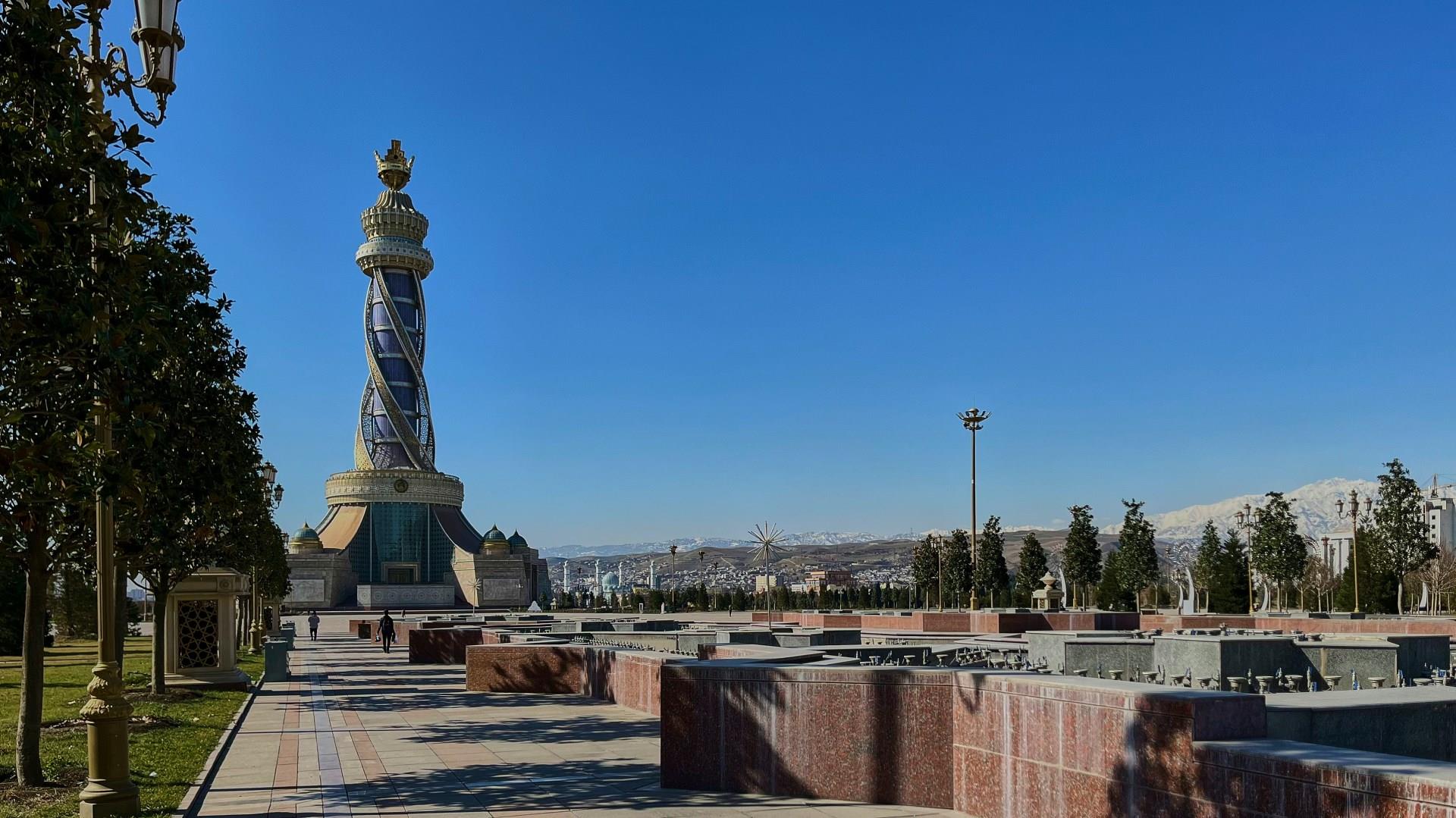
Dushanbe, the capital of Tajikistan, blends Soviet-era architecture with traditional Central Asian culture. The city is known for landmarks such as the National Library, Rudaki Park, and the striking Flagpole Square, which reflect both civic pride and the country’s heritage
Tulum, a jewel of the Riviera Maya, is a blend of ancient history, vibrant culture, and pristine natural beauty. Perched on a cliff overlooking the turquoise Caribbean Sea, the Tulum Ruins stand as one of the last cities built and inhabited by the Maya civilization. The well-preserved El Castillo, Temple of the Frescoes, and Temple of the Descending God offer insight into the architectural prowess and spiritual life of the ancient Maya.
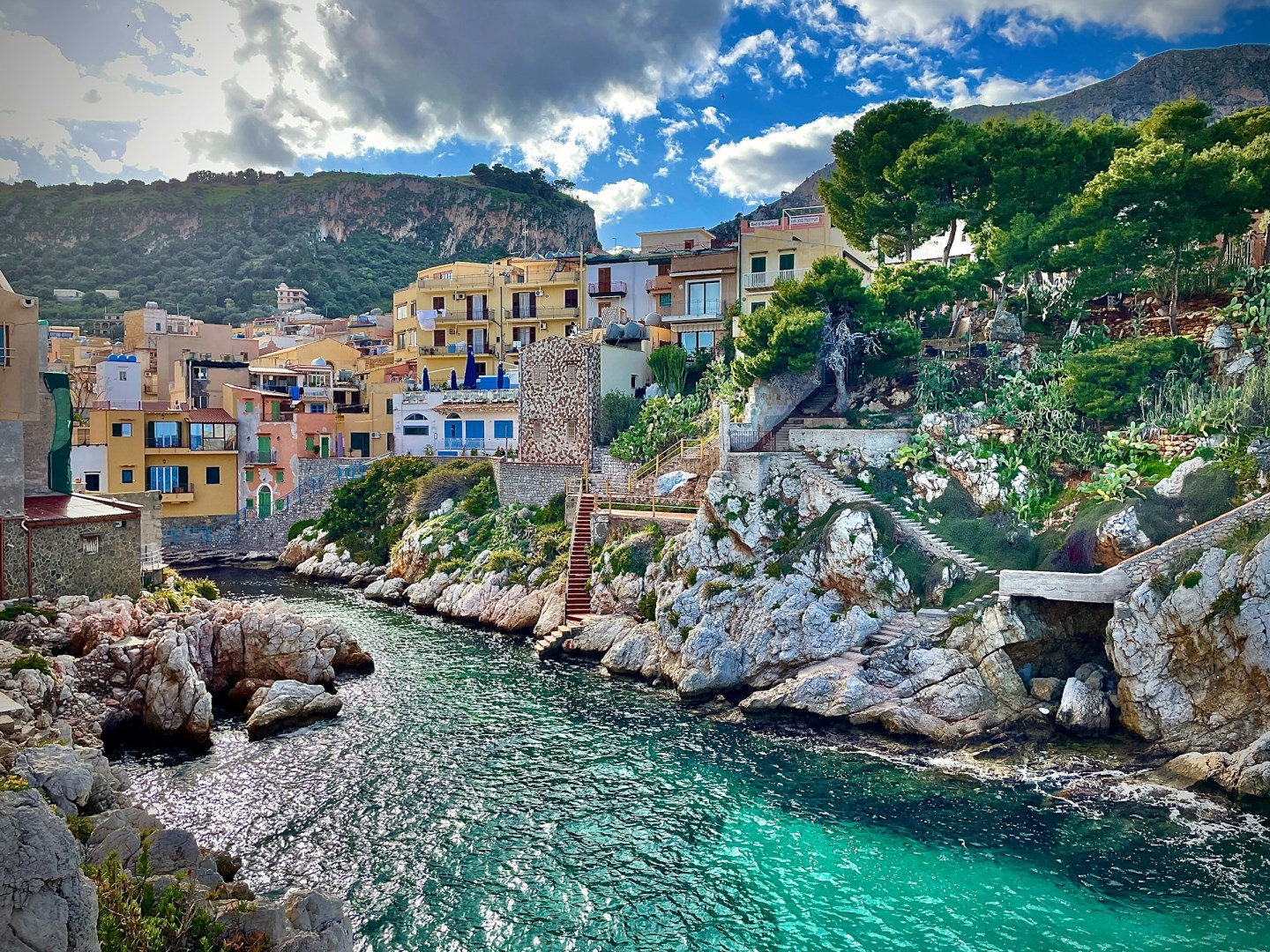
Sicily, the largest island in the Mediterranean, is a captivating blend of ancient history, stunning landscapes, and vibrant culture. The island’s rich past is evident in its archaeological treasures, with Greek, Roman, Arab, and Norman influences shaping its architecture and traditions. The Valley of the Temples in Agrigento is a must-visit for history lovers, where you can wander among some of the best-preserved Greek temples outside of Greece.
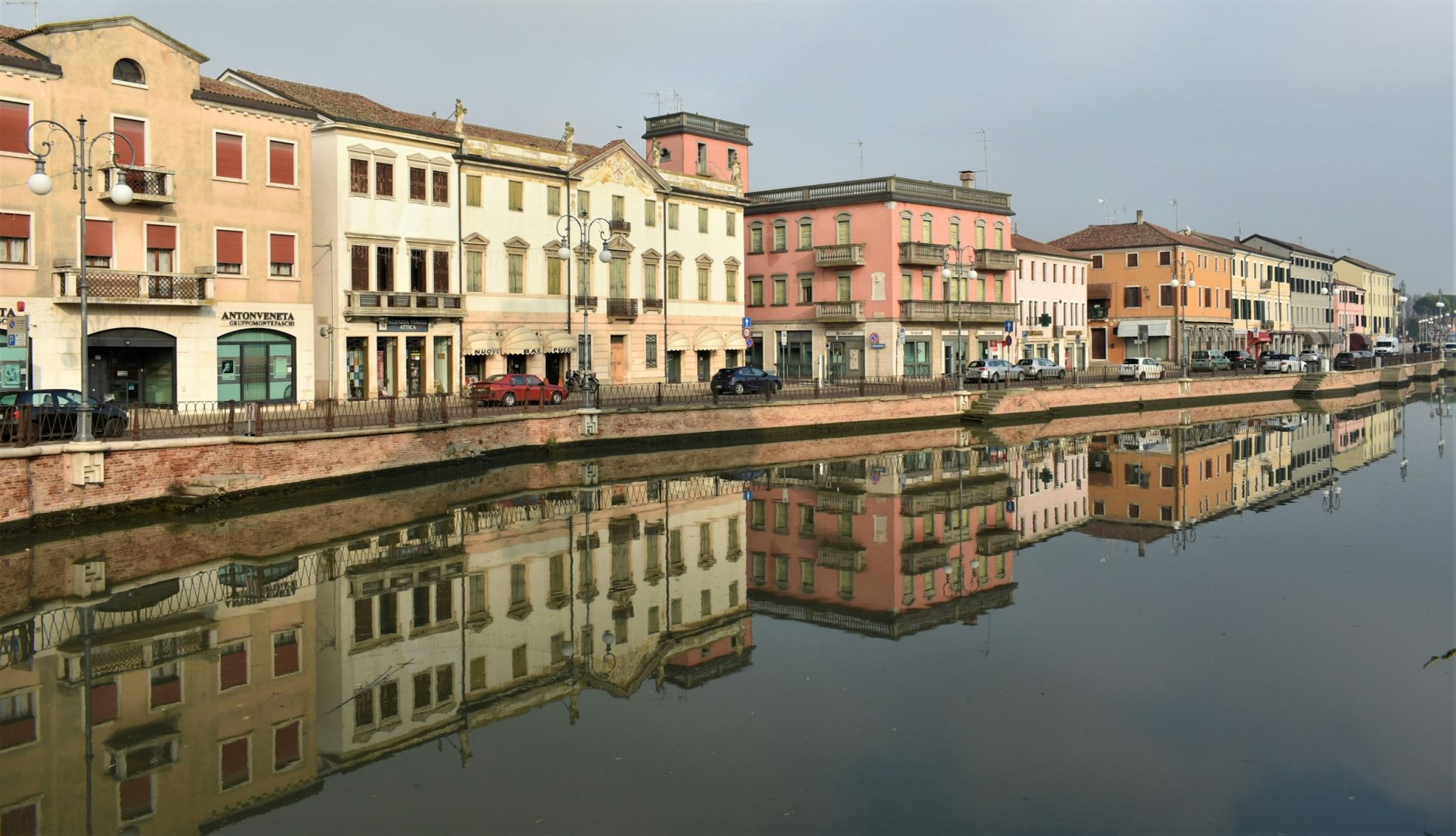
Adria is a historic town in the Veneto region of northeastern Italy, situated between the Po River and the Adriatic coast. Its name is closely associated with the Adriatic Sea, while its modern landscape lies within the flat, water-rich countryside of the Po Delta. The town developed around waterways that have long supported agriculture, trade, and transport.
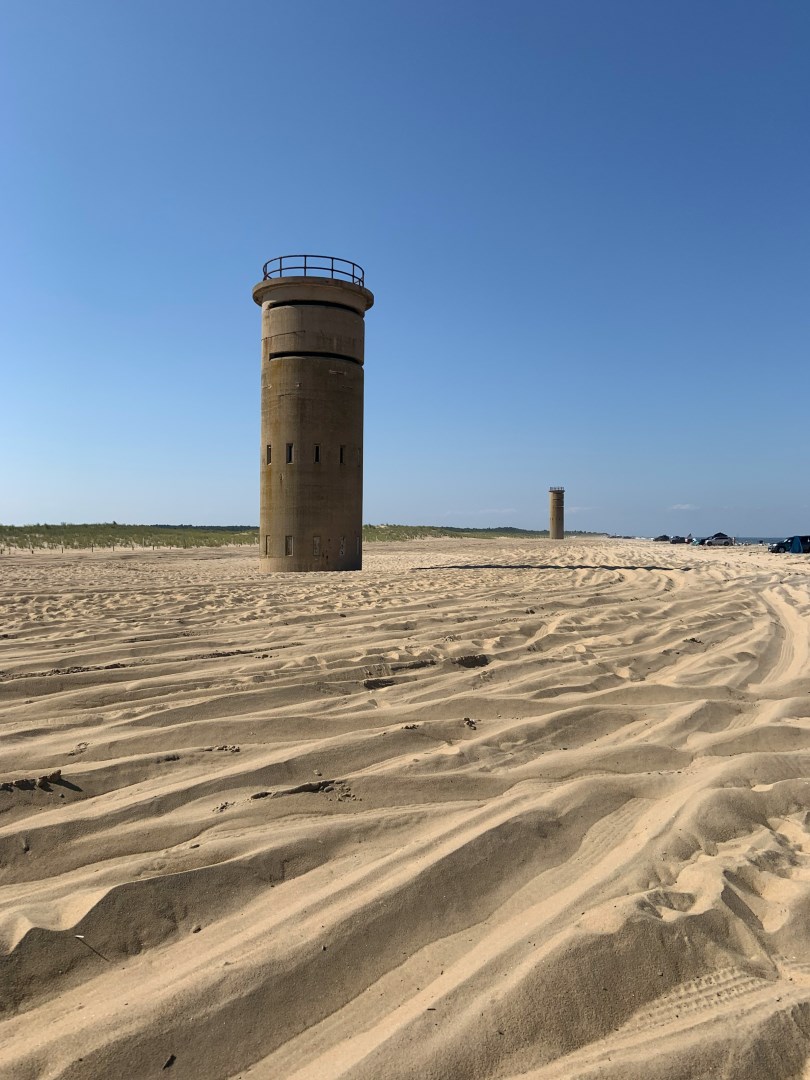
Delaware, often called the "First State" for being the first to ratify the U.S. Constitution, offers visitors a unique blend of historical charm, natural beauty, and coastal allure. In Wilmington, history enthusiasts can explore Old New Castle, a preserved colonial town featuring cobblestone streets and beautifully maintained 17th-century buildings.
The Volga River is an emblematic waterway that meanders through the heart of Russia, offering an exceptional journey through the country’s rich cultural and historical tapestry. As Europe’s longest river, stretching approximately 3,530 kilometers (2,194 miles), the Volga flows from the Valdai Hills to the Caspian Sea, weaving through major cities such as Tver, Nizhny Novgorod, and Volgograd. This grand river is not only vital for transportation and trade but also a central feature in Russia's cultural heritage.
Cruising along the Volga provides a unique vantage point to experience Russia's diverse landscapes and architectural marvels. The Volga River Cruises are particularly popular, offering travelers an opportunity to explore historic cities and picturesque countryside from the comfort of a riverboat. Highlights include the historic city of Kazan, with its stunning Kazan Kremlin, and Volgograd, known for its monumental Motherland Calls statue, which commemorates the fierce Battle of Stalingrad during World War II.
The river's significance is further underscored by its role in Russian folklore and literature. The Volga Boatmen's Song is a traditional Russian song that evokes the hardships and nostalgia of those who worked on the river. Additionally, the region is known for its vibrant festivals, such as the Volga Regatta, which celebrates the river's historical and cultural importance with rowing and boating events.
The Volga River is sometimes referred to as the “Mother Volga” because of its profound influence on Russian culture and its role in the livelihoods of countless communities along its banks. Its importance is reflected in the numerous cultural and historical sites that dot its course, making it a truly enchanting destination for those interested in exploring the depth of Russia's heritage.
Other Popular Destinations in On the River
Amazon River
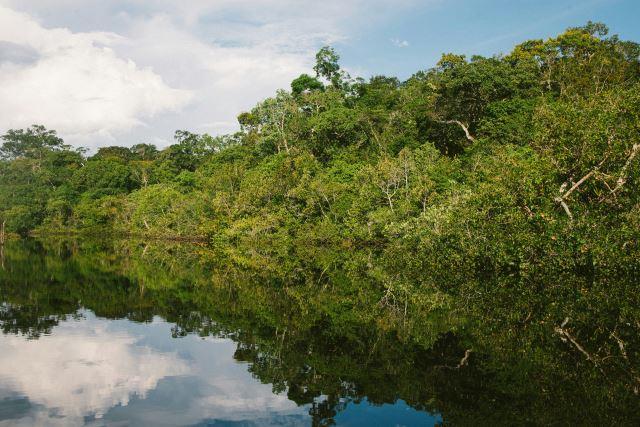
The Amazon River, winding through the heart of South America, is a marvel of nature that offers unparalleled adventure in one of the most biodiverse regions on Earth. Originating from the Peruvian Andes, the Amazon travels through nine countries before emptying into the Atlantic Ocean.
Danube
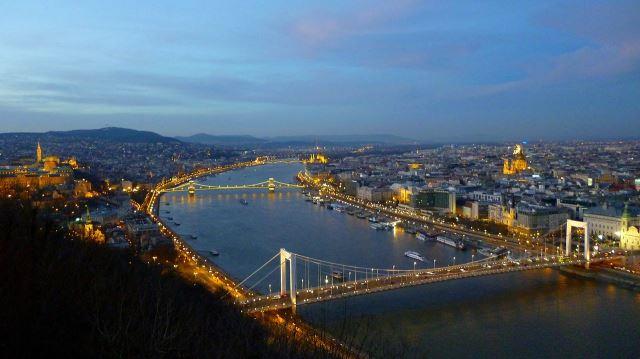
Coursing through 10 countries, the Danube is the second-longest river in Europe. This waterway, lined with fortresses and castles, rises in Germany's Black Forest and runs for 1,770 miles to the Black Sea. The Danube is an essential commercial thoroughfare for central and southeastern Europe, and several river cruise companies sail vessels on it year-round. Destinations along this river include Vienna, Budapest, Passau and Bratislava.