Situated in the Parque Nacional Iguazú near Puerto Iguazú, these spectacular falls lie just east of the confluence of the Iguazu and Paraná rivers. At least 5000 cubic m of water per second plunge the 70m into the abyss below.
Pristina, the dynamic capital of Kosovo, offers a unique blend of modernity and tradition. The city's skyline is punctuated by landmarks like the Mother Teresa Square, a tribute to the Nobel Peace Prize laureate and humanitarian who was born in Albania but had strong ties to the region. Nearby, the striking Newborn Monument, an ever-changing installation that commemorates Kosovo’s declaration of independence, showcases the country's evolving identity and creativity.
Ancona, perched on the Adriatic coast of Italy, is a vibrant port city with a rich historical tapestry and stunning seaside vistas. As the capital of the Marche region, Ancona boasts a captivating blend of ancient and modern charm. The city’s historical heart is evident in landmarks like the Roman Arch of Trajan, which stands as a testament to Ancona’s significance during Roman times.
Uxmal, located about 80 kilometers south of Mérida in the Puuc region of Yucatán, is one of the most architecturally refined ancient Maya cities. Unlike other major Maya sites built with steep pyramids and narrow passageways, Uxmal is known for its smooth limestone structures, wide plazas, and intricate stone mosaics. One unique experience available to visitors is the nightly light and sound show, which uses colored projections to highlight carvings and narrate local legends and Maya cosmology.
Palermo, the vibrant capital of Sicily, Italy, is a city where history, culture, and gastronomy converge in a kaleidoscope of experiences. A walk through Palermo is like stepping into a living museum, where Byzantine, Arab, Norman, and Baroque influences blend seamlessly. The Palermo Cathedral, a masterpiece of architectural evolution, showcases a mix of styles from its Norman origins to later Baroque and Neoclassical elements.
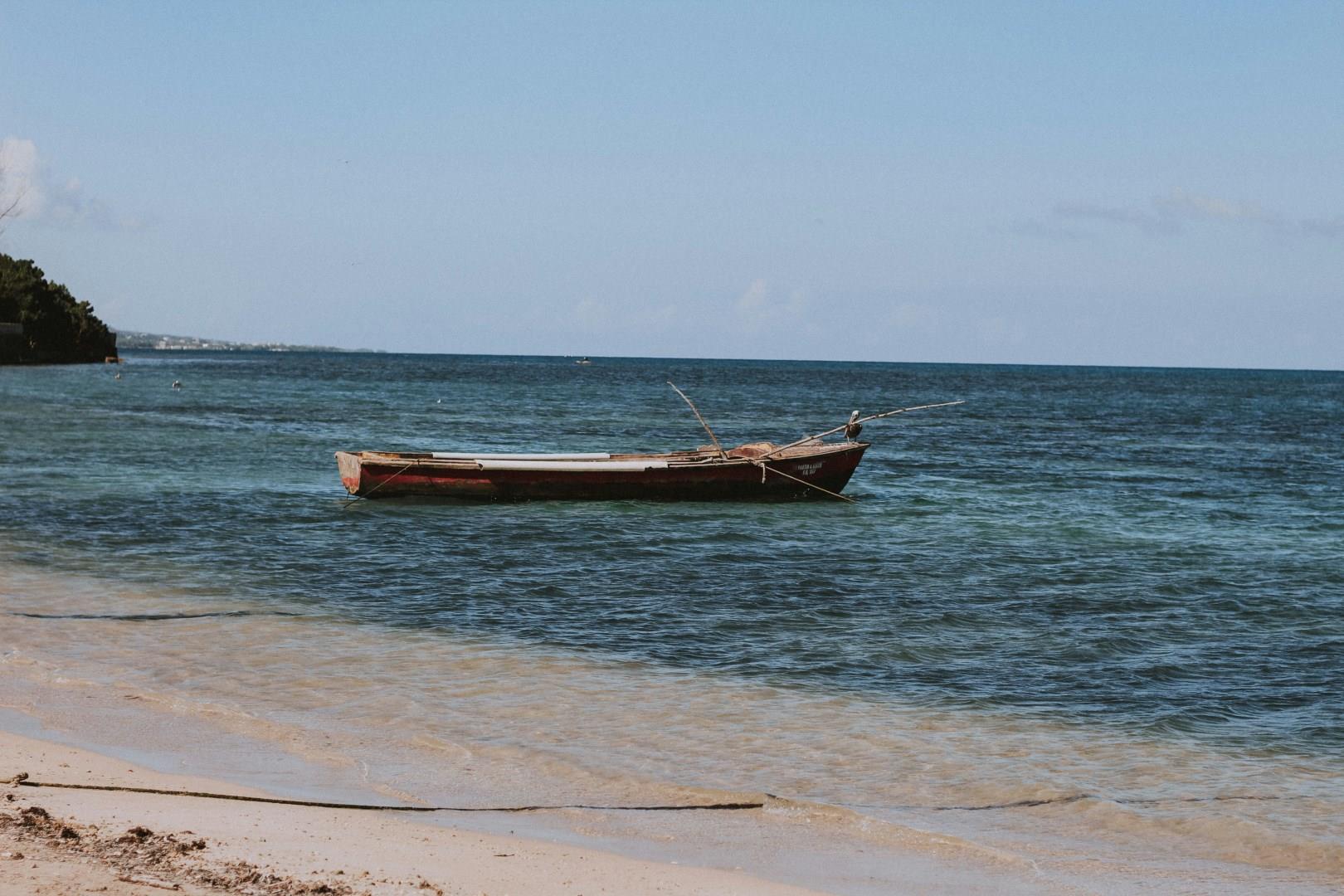
Falmouth, a charming port town on Jamaica’s north coast, offers a delightful mix of history, culture, and natural beauty. Founded in the 18th century, Falmouth is renowned for its well-preserved Georgian architecture, a testament to its once-thriving sugar trade. Visitors can explore the historic town center, where streets are lined with colorful buildings and the Falmouth Historical District provides a glimpse into the area's rich colonial past.
In addition to its historical allure, Falmouth is a gateway to natural wonders. Just a short drive away is the famous Martha Brae River, where visitors can enjoy a relaxing bamboo raft ride along the lush, scenic river. This tranquil experience is perfect for those looking to connect with Jamaica’s natural beauty while learning about local flora and fauna. More details can be found at the Martha Brae River Rafting website.
Falmouth also boasts a vibrant cultural scene. The town hosts the annual Trelawny Yam Festival, a celebration of local cuisine and culture, highlighting the importance of yam in Jamaican dishes. The festival features live music, dance, and a variety of culinary delights. For more information on local events and festivals, visit the Falmouth Events Calendar.
Fun Fact: Falmouth is where you can find the "Luminous Lagoon," a natural wonder where the waters glow at night due to bioluminescent microorganisms. This spectacular phenomenon can be experienced on evening boat tours, making it a must-see for any visitor.