Abu Simbel
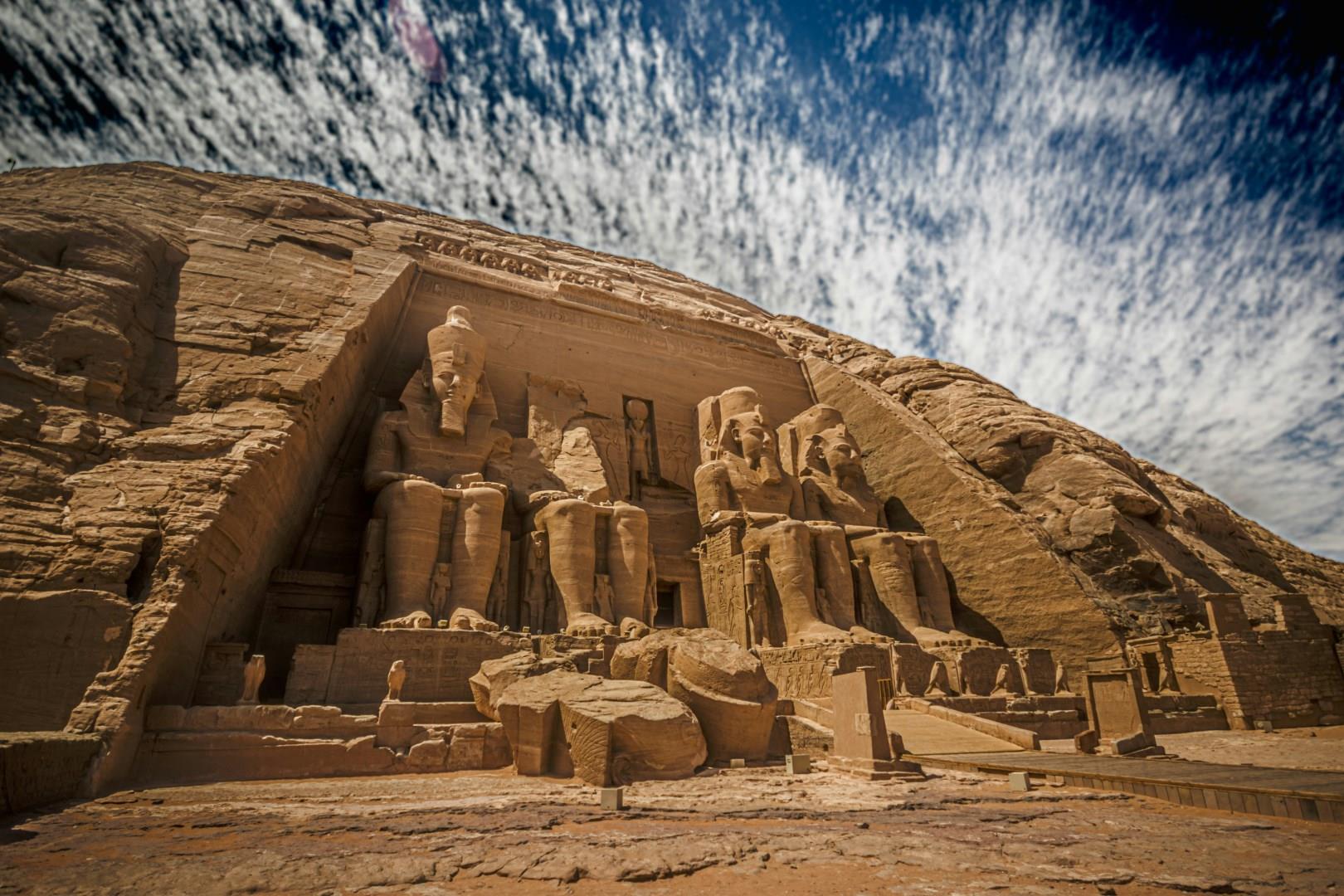
Abu Simbel, in southern Egypt near the border with Sudan, is one of the most awe-inspiring archaeological sites of the ancient world. Built during the reign of Pharaoh Ramses II in the 13th century BCE, the twin temples were carved directly into the sandstone cliffs overlooking the Nile. The Great Temple, with its four colossal statues of Ramses II seated at the entrance, was designed not only to honor the pharaoh but also to project his power to neighboring Nubia.

Nile River
The River Nile, most often associated with Egypt and its ancient civilizations, actually flows through eight other countries including Uganda, Ethiopia, Sudan, and Kenya. It is formed by two major tributaries, the White Nile and Blue Nile, and is considered by many to be the longest river in the world when measured from its source waters in Rwanda and Burundi.

Cuenca
Nestled in the Andes Mountains, Cuenca, Ecuador, is a city that seamlessly blends colonial charm, cultural richness, and natural beauty. Known as the “Athens of Ecuador” due to its vibrant intellectual and cultural life, Cuenca's historic center is a UNESCO World Heritage Site that delights visitors with its cobblestone streets, whitewashed buildings, and red-tiled roofs.
Manuel Antonio National Park
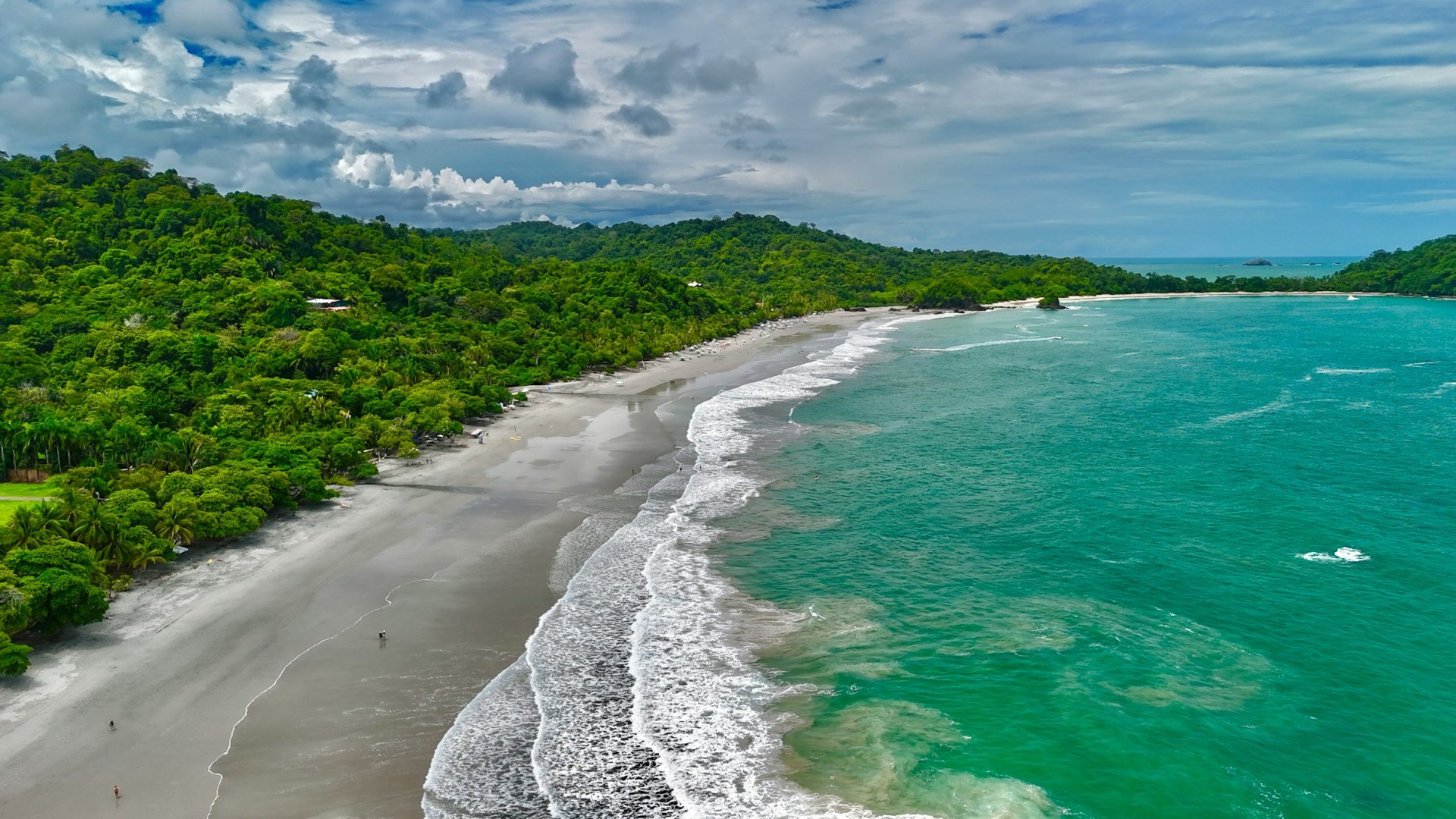
Nestled along Costa Rica's Pacific coast, Manuel Antonio National Park is a jewel of biodiversity and natural beauty that enchants every traveler who steps into its lush embrace. Renowned for its pristine beaches, dense rainforests, and remarkable wildlife, the park offers a unique combination of adventure and relaxation. Hike along the park's well-maintained trails, like the Punta Catedral trail, which winds through the jungle and offers stunning panoramic views of the Pacific Ocean.
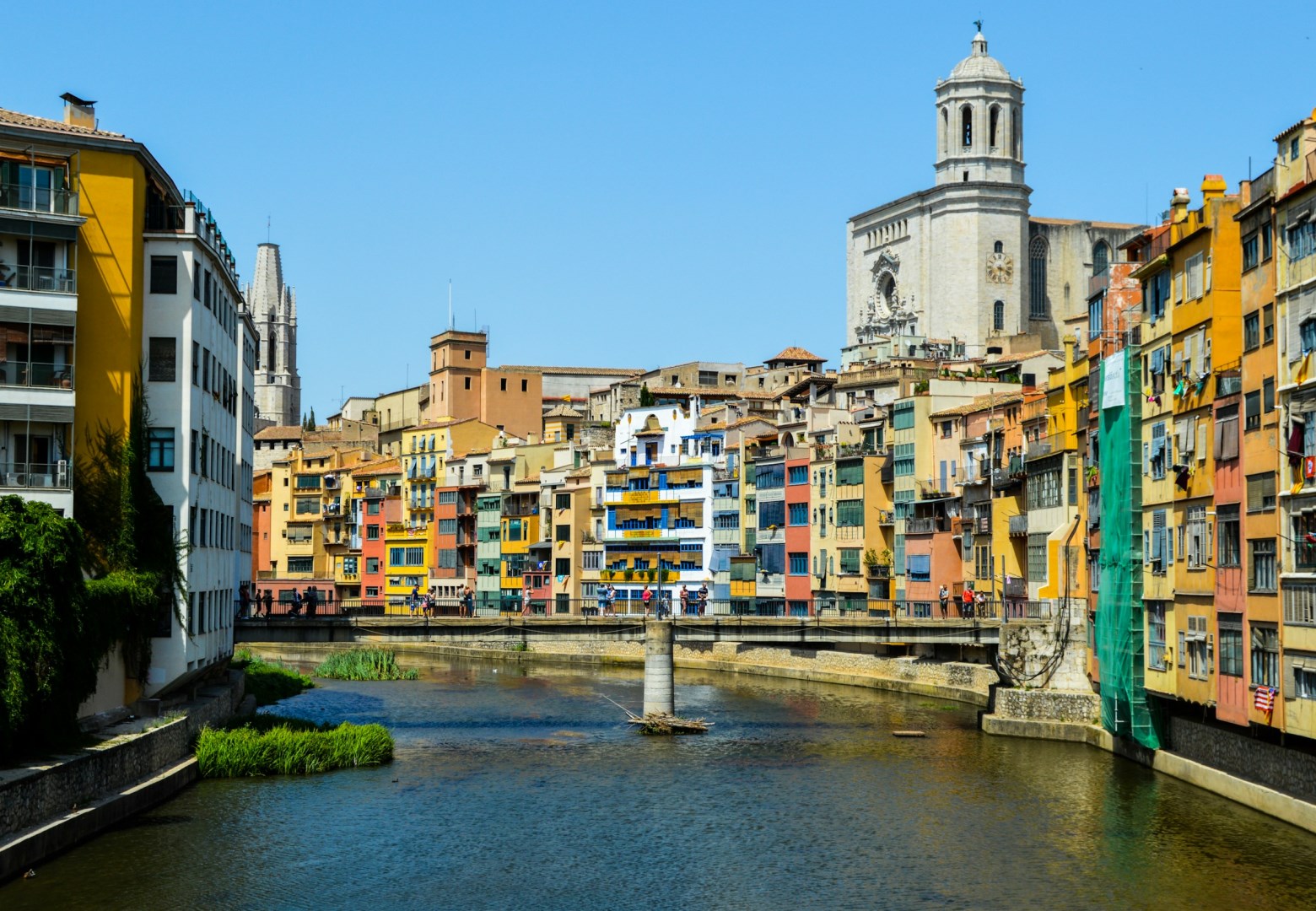
Girona
Town walls encapsulate this city, making for fantastic viewpoints all around. Visitors can also walk across the Pont de les Peixateries Velles bridge, designed by Gustave Eiffel. When leaving, it is a must to find El Cul de la Lleona, a lioness statue, and kiss her bottom. Tradition dictates that doing so will ensure a return trip in your future!