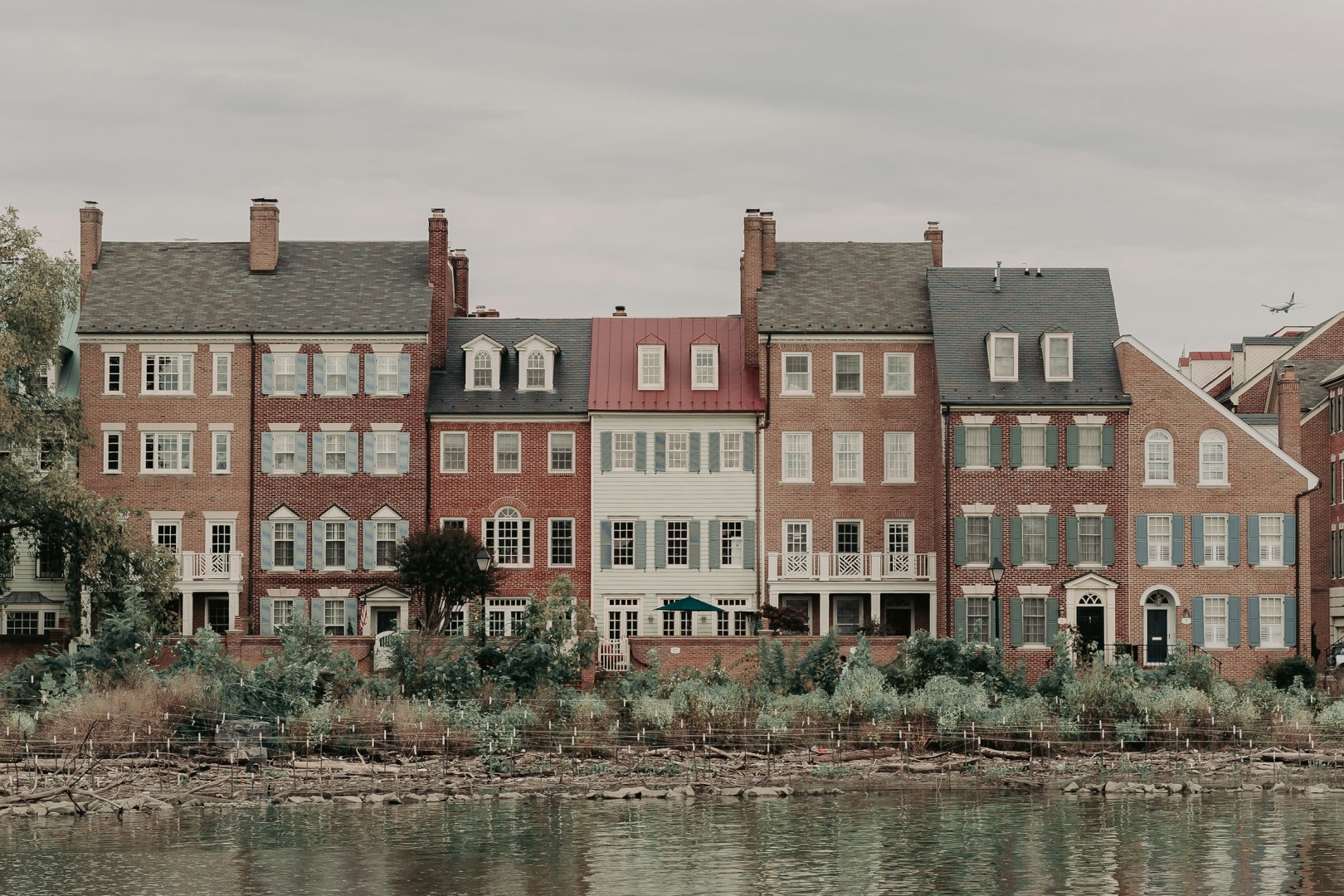
Alexandria
Alexandria is an unique and historic place that keeps pace with the modern world. The City is part of a large metropolitan area surrounding the nation's Capital, yet it has retained its period character. About one-quarter of the town's 15 square miles has been designated as a national or local historic district.
Baja California Sur
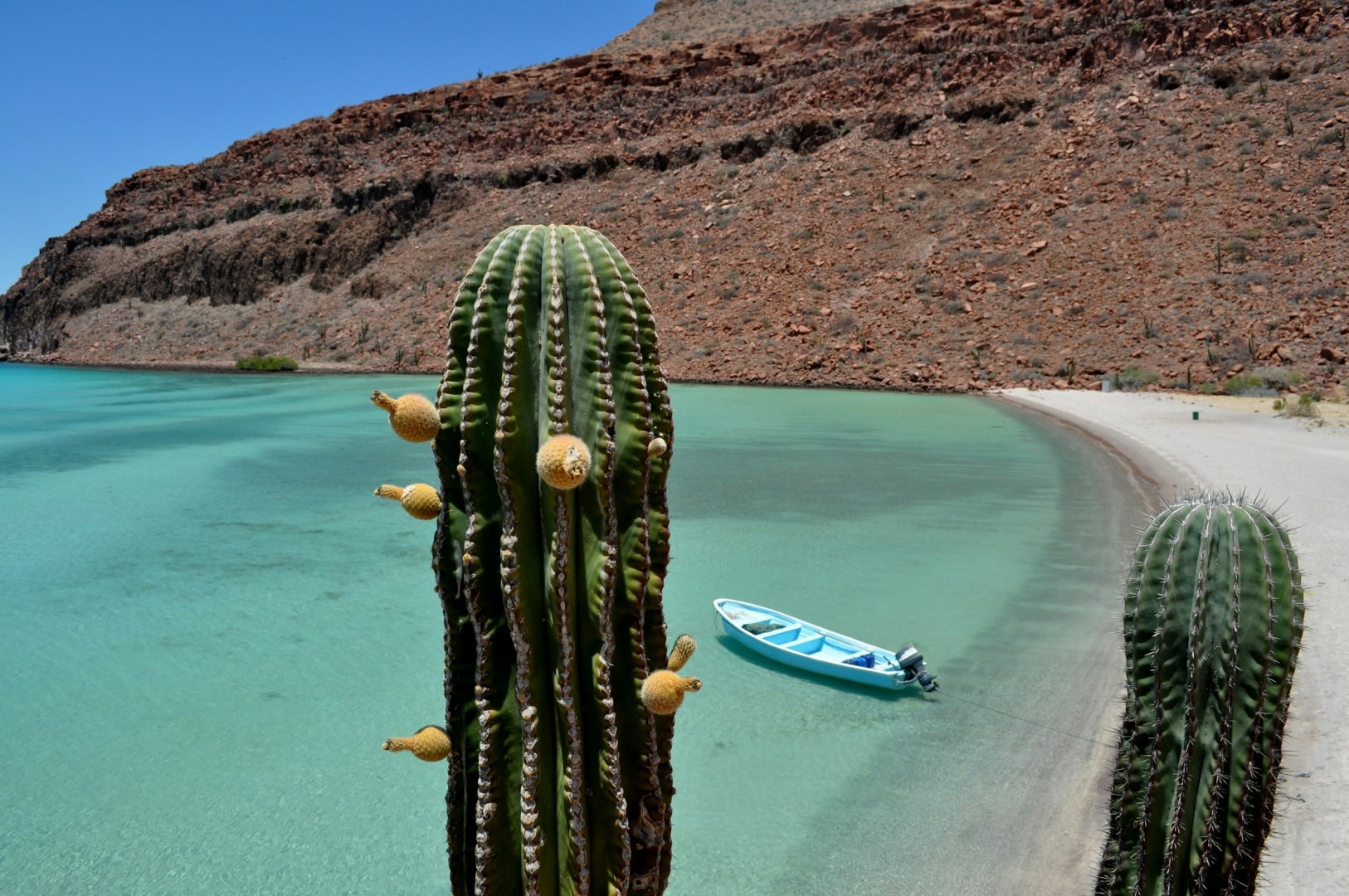
Baja California Sur is state located in Northwestern Mexico, on the Baja California peninsula. The capital is La Paz. The area is lightly populated. Tourism is the economic mainstay of this region, centered around the beach resort area, Los Cabos. Sport fishing is a major attraction, as well as having some of the best beaches Baja has to offer.
Gettysburg
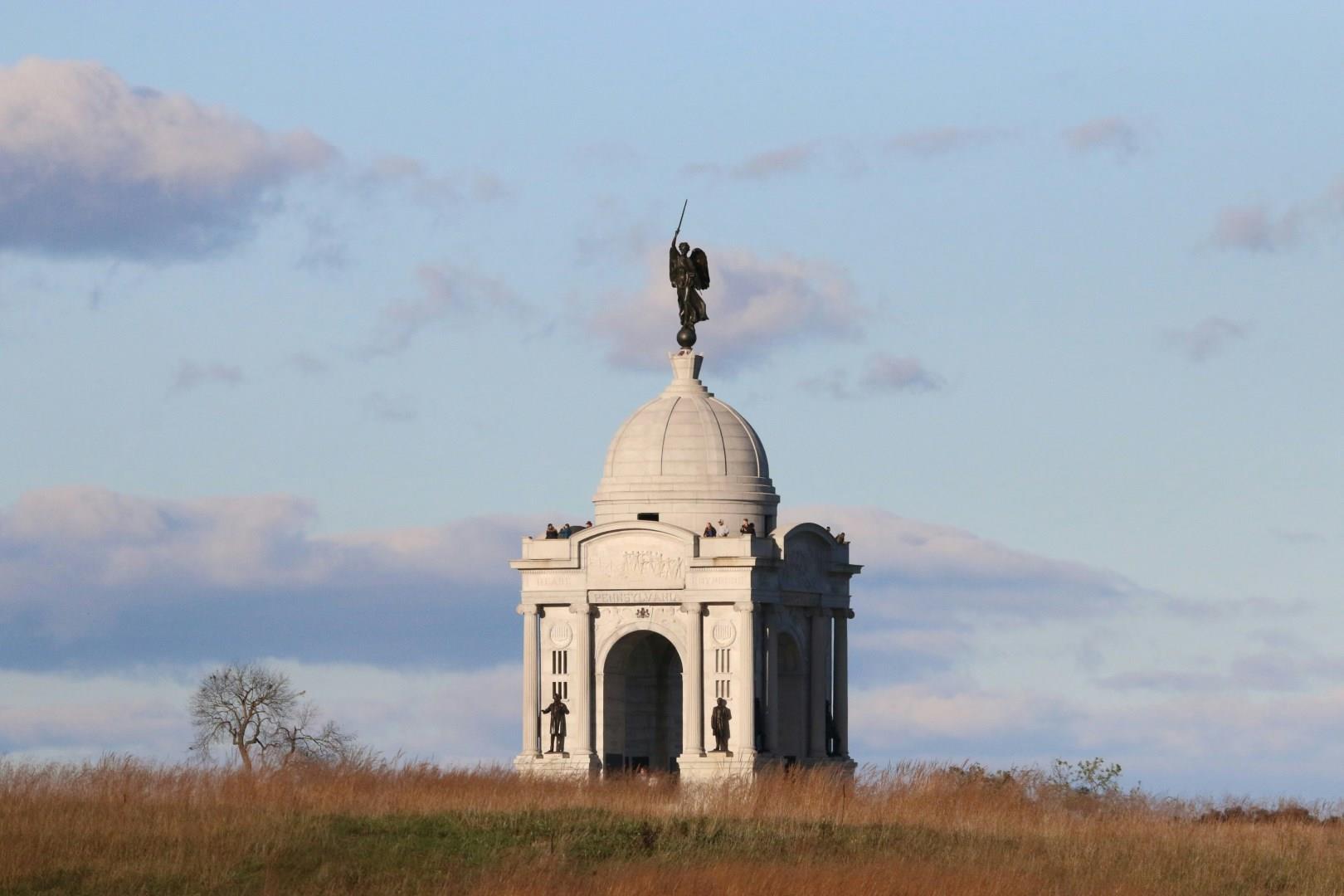
Gettysburg, Pennsylvania is best known as the site of the most significant battle of the American Civil War, fought over three days in July 1863. Today, visitors can explore the 6,000-acre Gettysburg National Military Park, which preserves the battlefield in remarkable detail. Over 1,300 monuments, cannons, and markers dot the landscape, each telling a piece of the story. One of the most visited spots is Little Round Top, where Union forces held their ground in a pivotal moment of the battle.
Reading
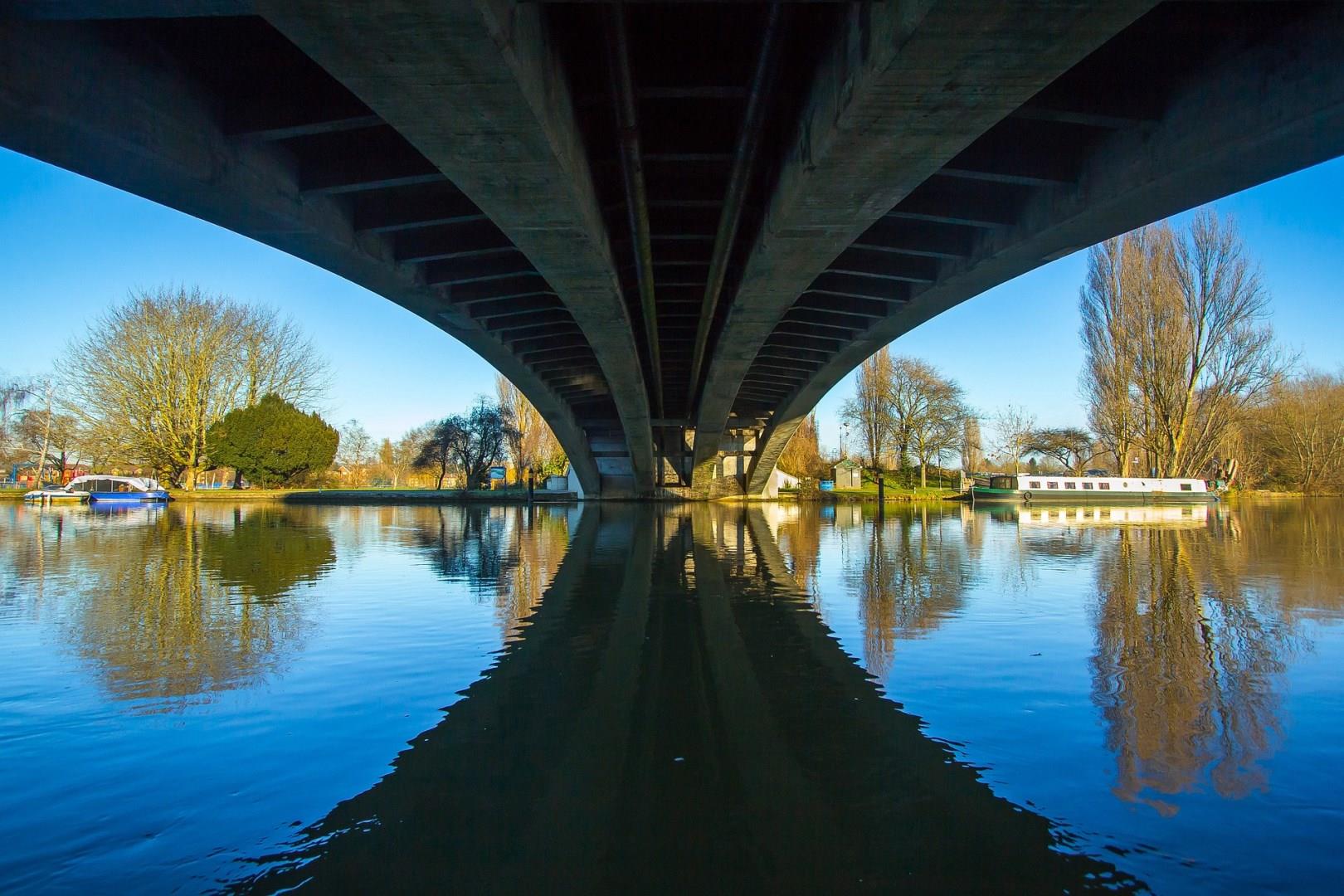
Reading, a historic town in Berkshire, England, offers a blend of cultural heritage and modern attractions. Known for its rich history, Reading boasts landmarks such as the Reading Abbey, founded in 1121 and once one of the most important monastic sites in England. The Abbey’s ruins are a fascinating site for history enthusiasts, providing a glimpse into medieval architecture and the town’s monastic past.

Yangon
Yangon, Myanmar’s largest city, blends colonial heritage, cultural diversity, and spiritual landmarks. Once the country’s capital, it remains the economic and cultural hub, with lively markets, tree-lined avenues, and historic buildings that reflect its layered past under British, Burmese, and regional influences.