Aït Benhaddou, located in southern Morocco along the former caravan route between the Sahara and Marrakesh, is one of the country’s most iconic historic sites. This fortified village, or ksar, is recognized as a UNESCO World Heritage Site and is admired for its striking earthen clay architecture that rises dramatically from the desert landscape.
Nuevo Vallarta, located along the Bahía de Banderas in the state of Nayarit, is a coastal destination known for its wide, sandy beaches and marina-lined canals. Originally developed as a tourism project in the late 20th century, it has grown into a well-organized resort area with luxury hotels, golf courses, and waterfront condos. Unlike older beach towns with colonial roots, Nuevo Vallarta was designed from the start to offer modern comfort while being surrounded by natural landscapes.
Playa del Carmen, located along Mexico’s Riviera Maya, offers more than just soft beaches and turquoise waters. Once a quiet fishing village, the town has grown into a lively hub where Mayan history meets a modern beachside lifestyle. Visitors walking along Quinta Avenida will find artisan shops, street performers, and cafes offering everything from espresso to tacos al pastor. This area becomes especially active in the evenings when live music spills out from local venues.
Mahón, the capital of Menorca, one of the Balearic Islands in Spain, is a charming and historic city that offers a blend of Mediterranean beauty, rich culture, and vibrant history. Located on the eastern coast of the island, Mahón boasts a picturesque harbor, which is one of the largest natural harbors in the world.
Bornholm, a picturesque Danish island in the Baltic Sea, offers a unique blend of natural beauty and cultural charm. Renowned for its rugged coastline and charming villages, Bornholm is a haven for outdoor enthusiasts. The island's northern coast is particularly famous for its dramatic cliffs and clear waters, perfect for hiking and cycling.
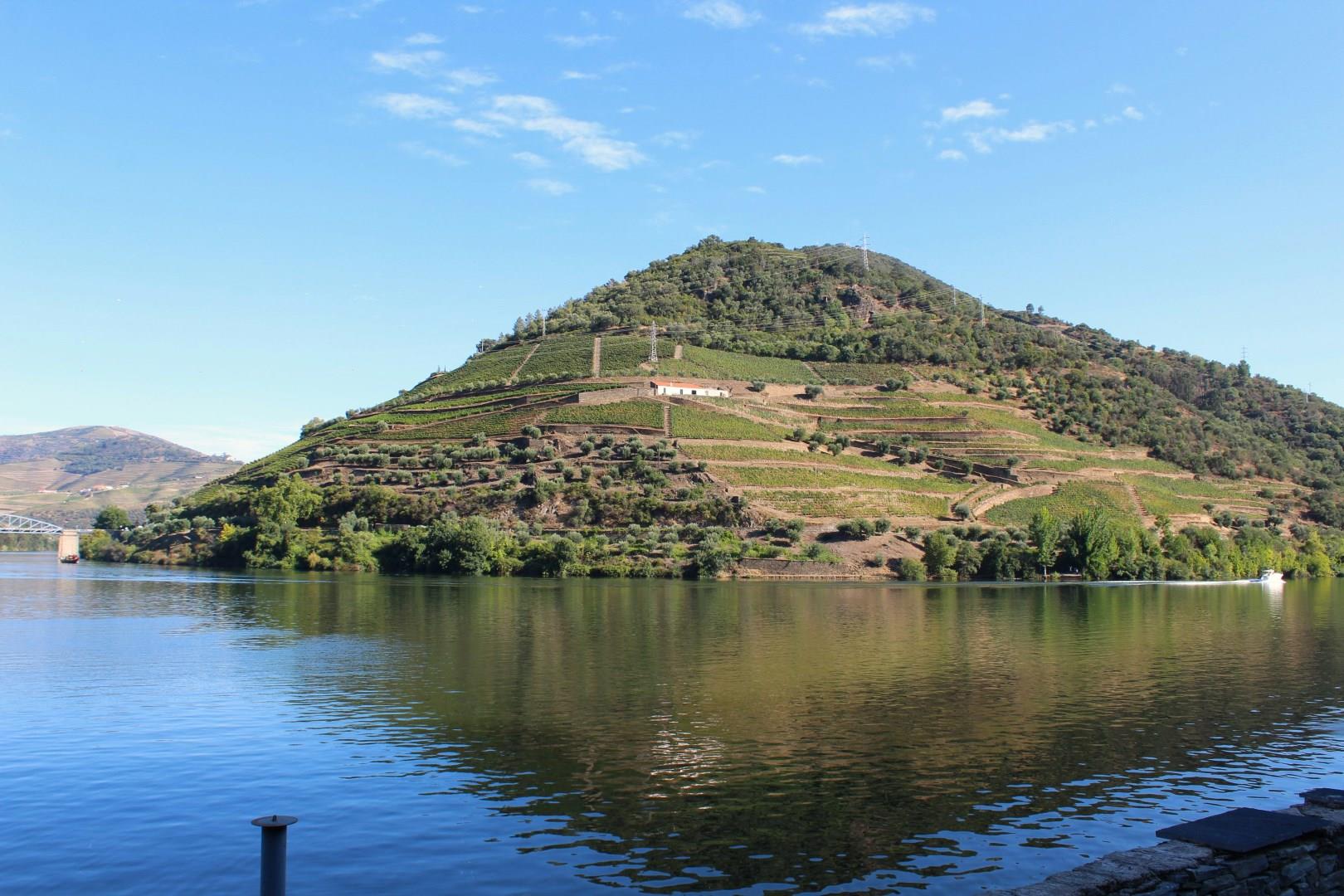
Pinhão, nestled in the heart of Portugal’s Douro Valley, is a small town with a big reputation for its world-renowned port wine and stunning landscapes. Surrounded by terraced vineyards that cascade down to the banks of the Douro River, Pinhão is a paradise for wine lovers and nature enthusiasts alike. The town is a key stop on the Douro Wine Route, where visitors can explore historic quintas (wine estates), sample exceptional vintages, and learn about the centuries-old winemaking traditions that have made the region a UNESCO World Heritage Site.
One of Pinhão’s most iconic attractions is its charming railway station, adorned with beautiful azulejos—traditional Portuguese tiles—that depict scenes of the local wine harvest and river life. The station is a gateway to some of the most scenic train journeys in Europe, offering panoramic views of the Douro Valley’s rugged cliffs and serene river as you travel along its winding tracks. A river cruise from Pinhão is another must-do, providing an unforgettable perspective of the valley’s dramatic landscapes and allowing you to experience the tranquility of this enchanting region.
In addition to its wine heritage, Pinhão offers visitors a taste of authentic Portuguese culture. The town’s quiet streets are dotted with family-run restaurants where you can savor regional dishes like bacalhau (salted cod) and the locally produced olive oil. The warm hospitality of the locals adds to the town’s charm, making every visitor feel like they’ve discovered a hidden gem. For those seeking outdoor adventure, the surrounding hills and vineyards offer excellent opportunities for hiking, with trails that lead to breathtaking viewpoints over the Douro River.
Pinhão invites you to "Sip, Savor, and Soak in the Beauty of the Douro Valley." Whether you’re exploring its historic wineries, enjoying a leisurely boat ride, or simply taking in the stunning scenery, Pinhão offers a serene and unforgettable escape into the heart of Portugal’s wine country.