Lao Cai, a gateway city to the northern highlands of Vietnam, offers an alluring blend of cultural diversity, breathtaking landscapes, and a touch of French colonial heritage. Situated along the Red River and bordering China, Lao Cai is the starting point for adventurers heading to the famous terraced rice fields of Sapa, but it has its own unique charms to discover.
Aldabra Atoll, a UNESCO World Heritage Site located in the Seychelles, offers a pristine and unparalleled escape into nature's untouched beauty. The atoll, the second-largest in the world, is renowned for its remarkable biodiversity and is home to the Aldabra giant tortoise, a species found nowhere else on Earth. This enormous tortoise population is one of the key attractions for visitors, providing a rare opportunity to observe these majestic creatures in their natural habitat.
Aguas Calientes, officially called Machupicchu Pueblo, sits in a narrow valley below the ruins of Machu Picchu, shaped almost entirely by geography and access. The town grew around the railway and hot springs that give it its name, becoming a necessary stopping point rather than a destination planned in advance. Its identity is closely tied to movement, with most people arriving on foot or by train and staying briefly before heading uphill.
Jodhpur, often called the "Blue City" of India, is located on the edge of the Thar Desert in the state of Rajasthan. The city is famous for the blue-painted houses in its old quarter, which create a striking contrast against the golden hue of the desert landscape.
Ubud lies in the uplands of central Bali and has long been regarded as the island’s cultural and spiritual heart. Historically a center for healing and royal patronage, the town developed around temples, palaces, and traditional villages that supported dance, painting, woodcarving, and ritual life.
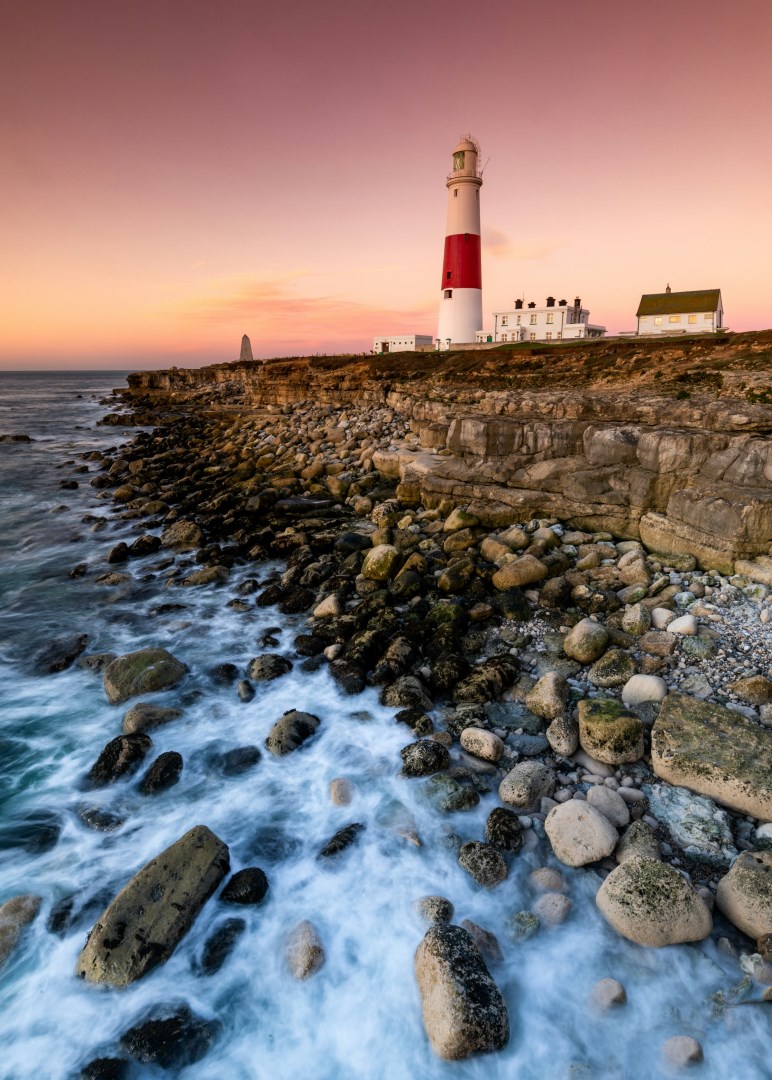
Portland, England, offers a charming blend of coastal beauty, historical intrigue, and unique geological features. Nestled on the Jurassic Coast in Dorset, this picturesque island town is renowned for its stunning cliffs and quarries. A visit to Portland means exploring its rugged coastline, including the famed Portland Bill, where the iconic lighthouse stands as a sentinel to the sea. The area is part of the Jurassic Coast UNESCO World Heritage Site, known for its rich fossil heritage and striking rock formations.
A stroll through Portland’s historic Quarries reveals a fascinating industrial past. The island’s Portland Stone has been used in notable landmarks including St. Paul’s Cathedral in London. You can visit the Portland Museum, which houses artifacts from the island's quarrying history and offers insight into the local culture and heritage.
The natural beauty of Portland extends to its outdoor spaces. Chesil Beach, a pebble beach stretching along the coast, is perfect for scenic walks and spotting diverse wildlife. For those interested in marine activities, the clear waters around Portland are ideal for diving and snorkeling, revealing a vibrant underwater world.
Fun Fact: Portland is home to the only Royal Navy Base in the UK, making it a key maritime location with a rich naval history.
For the best experience, visit Portland between April and October, when the weather is mild and the natural beauty of the island is in full bloom. This period also allows you to enjoy various local events and festivals that celebrate Portland’s maritime and quarrying heritage.