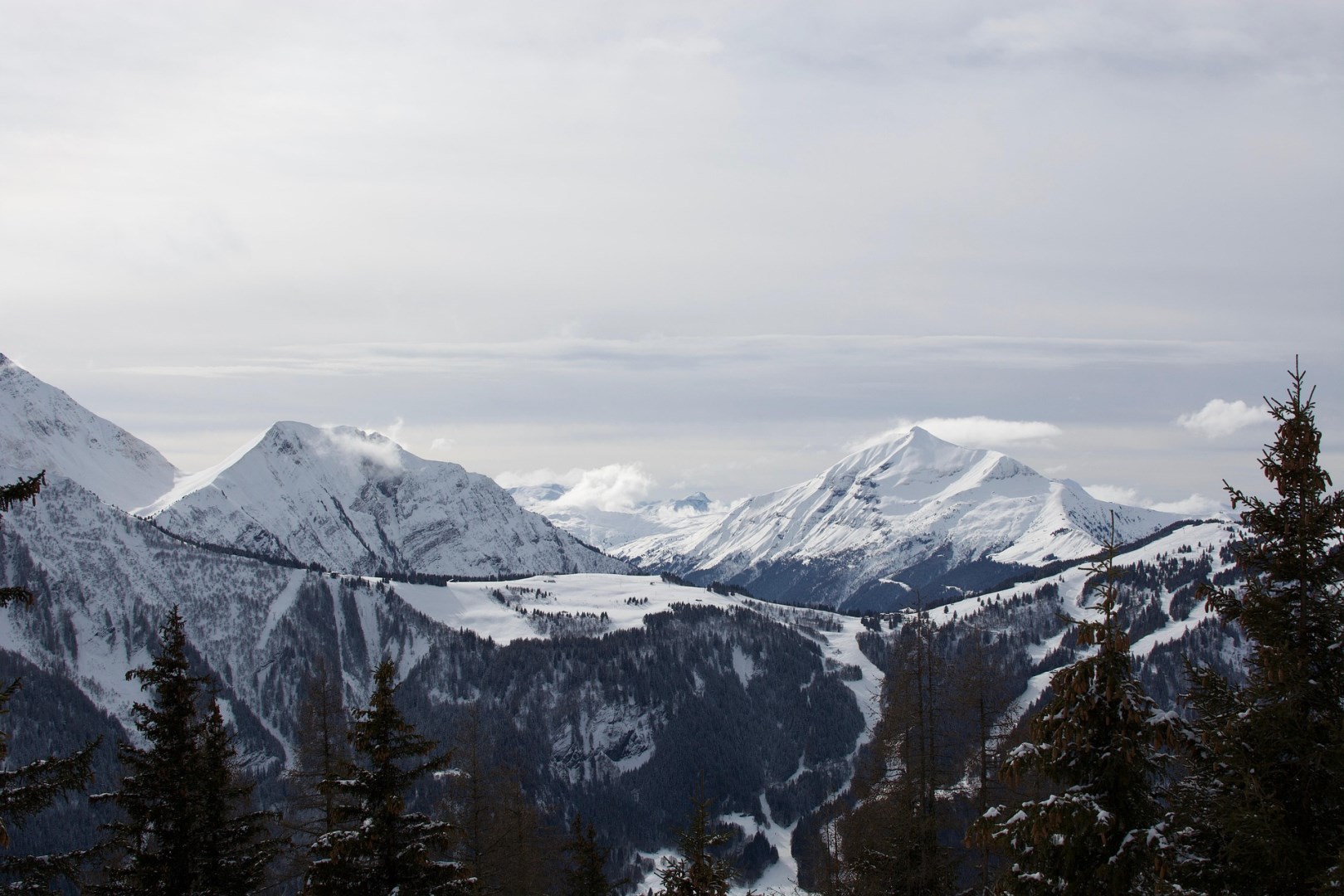
Mont Blanc is the highest mountain in the Alps, rising within the Mont Blanc massif on the border between France and Italy. Its summit reaches roughly 4,805 meters and is surrounded by glaciers, snowfields, rocky ridges, and some of the highest peaks in Western Europe. The mountain dominates views from Chamonix in France and Courmayeur in Italy, while the surrounding massif forms a major alpine landscape for mountaineering, hiking, skiing, and scientific study.

Flagstaff, Arizona, is a mountain town that perfectly blends the charm of a small community with the excitement of outdoor adventure and rich cultural experiences. Nestled at the base of the San Francisco Peaks, Flagstaff serves as a gateway to some of the Southwest's most iconic landscapes, including the Grand Canyon, which is just a short drive away.
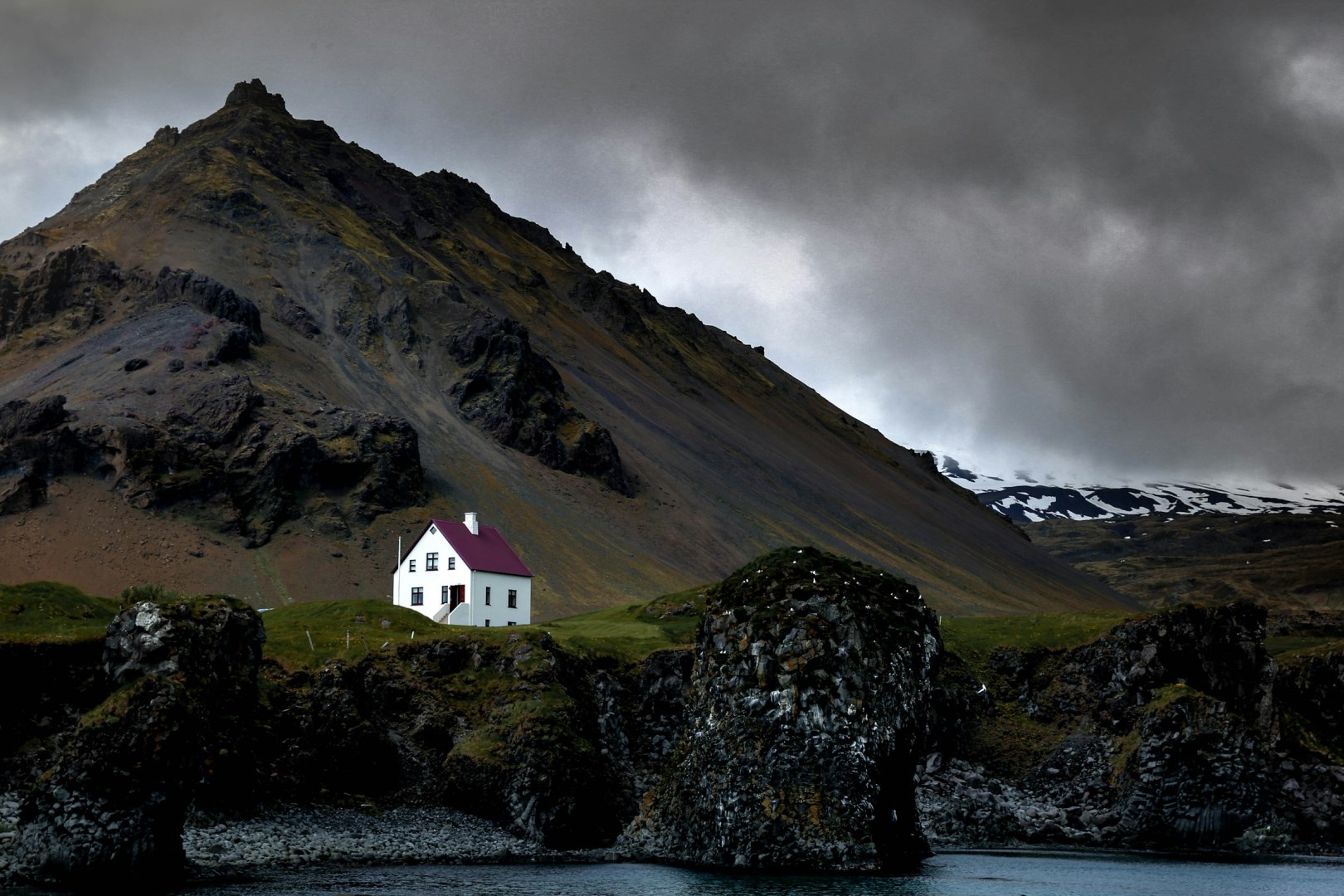
The Westfjords are a remote region in northwestern Iceland, shaped by deep fjords, steep flat-topped mountains, narrow coastal roads, and a shoreline carved over millions of years. The region lies away from Iceland’s Ring Road and contains some of the country’s least populated landscapes. Ísafjörður is the largest town and the main service center, with smaller communities including Patreksfjörður, Þingeyri, Flateyri, Súðavík, and Bolungarvík.
Elba Island, off the coast of Tuscany, is a Mediterranean gem known for its crystal-clear waters, diverse landscapes, and historical significance. This idyllic island is the largest in the Tuscan Archipelago and offers a perfect blend of natural beauty and cultural heritage. Visitors can explore pristine beaches such as Cavoli and Procchio, where turquoise waves lap against golden sands, making it an ideal destination for sunbathing, snorkeling, and diving.
An essential passageway between the Atlantic and Pacific Oceans, the Panama Canal is an extraordinary technological landmark and a testament to human innovation. Built in the early twentieth century by American engineers, the canal weaves through the Panamanian isthmus and allows easy access for commercial freighters and cruise ships alike.
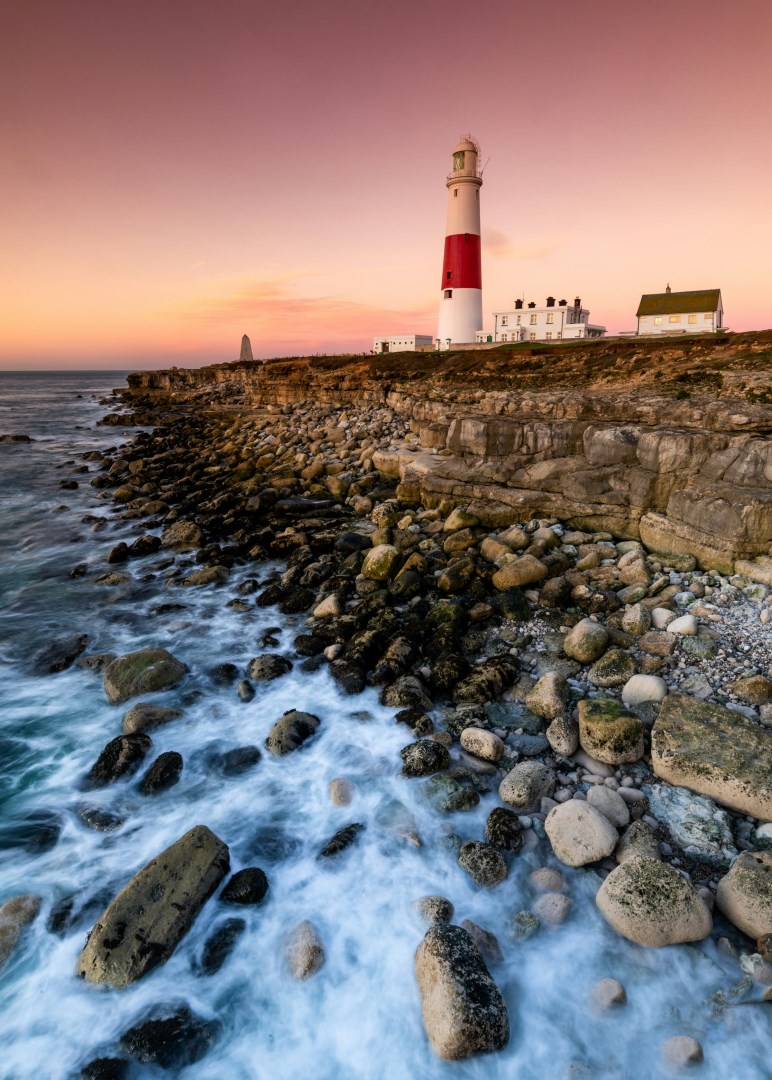
Portland, England, offers a charming blend of coastal beauty, historical intrigue, and unique geological features. Nestled on the Jurassic Coast in Dorset, this picturesque island town is renowned for its stunning cliffs and quarries. A visit to Portland means exploring its rugged coastline, including the famed Portland Bill, where the iconic lighthouse stands as a sentinel to the sea. The area is part of the Jurassic Coast UNESCO World Heritage Site, known for its rich fossil heritage and striking rock formations.
A stroll through Portland’s historic Quarries reveals a fascinating industrial past. The island’s Portland Stone has been used in notable landmarks including St. Paul’s Cathedral in London. You can visit the Portland Museum, which houses artifacts from the island's quarrying history and offers insight into the local culture and heritage.
The natural beauty of Portland extends to its outdoor spaces. Chesil Beach, a pebble beach stretching along the coast, is perfect for scenic walks and spotting diverse wildlife. For those interested in marine activities, the clear waters around Portland are ideal for diving and snorkeling, revealing a vibrant underwater world.
Fun Fact: Portland is home to the only Royal Navy Base in the UK, making it a key maritime location with a rich naval history.
For the best experience, visit Portland between April and October, when the weather is mild and the natural beauty of the island is in full bloom. This period also allows you to enjoy various local events and festivals that celebrate Portland’s maritime and quarrying heritage.
Other Popular Destinations in England
London
London is among the world's most visited cities, with countless attractions and a history stretching back two millennia. Visitors will discover historic iconic structures like Westminster Abbey, Big Ben, and Tower Bridge, as well as recent marvels such as London Eye, a giant observation wheel that offers breathtaking views of the whole city.
York
York, England, is a city where over 2,000 years of history comes to life. Originally founded by the Romans in 71 AD as Eboracum, York has witnessed the rise and fall of empires, from the Vikings to the Normans. Today, the city retains its medieval charm, with its historic York Minster, one of the largest Gothic cathedrals in Northern Europe, standing proudly as its centerpiece.