Located at the foot of the Pyrenees in southwestern France, Lourdes is best known for the Marian apparitions reported by 14-year-old Bernadette Soubirous in 1858. These events transformed the small market town into one of the most visited pilgrimage sites in the world. The Sanctuary of Our Lady of Lourdes, which includes the Grotto of Massabielle, the Basilica of the Immaculate Conception, and the underground Basilica of St. Pius X, draws millions each year.
Mijas, perched on the hillside above the Costa del Sol, blends centuries of Andalusian tradition with views that stretch across the Mediterranean. The whitewashed buildings of Mijas Pueblo reflect sunlight from narrow cobbled streets that wind through small plazas, each with its own fountain, chapel, or overlook. The town’s layout still follows Moorish-era planning, and remnants of the old wall (La Muralla) offer shaded walks lined with native plants and panoramic views over the coast.
The Coromandel Peninsula on New Zealand’s North Island is a place where coastline and culture come alive in ways that stay with visitors long after they’ve left. Stretching for about 110 kilometers between the Hauraki Gulf and the Bay of Plenty, this region has deep roots that go back to the arrival of Māori long before Europeans stepped ashore.
Carlsbad, California, a coastal gem located between San Diego and Los Angeles, offers visitors a unique mix of stunning beaches, family-friendly attractions, and natural beauty. The city is best known for its beautiful Carlsbad State Beach, where surfers, sunbathers, and swimmers flock year-round to enjoy Southern California’s idyllic weather and shimmering Pacific waters.
Capital of Martinique, a French overseas territory, Fort-de-France is a veritable island paradise replete with striking colonial architecture, exotic flora and fauna, verdant nature parks, and sparkling beaches. Highlights of this vibrant island capital include the colorful Jardin de Balata, the cascading Fontaine Didier waterfall, and the expansive Schoelcher Library.
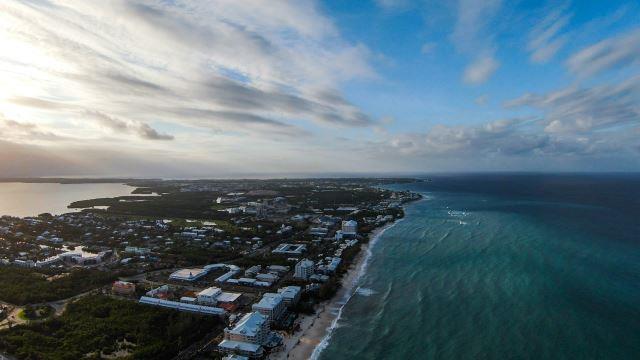
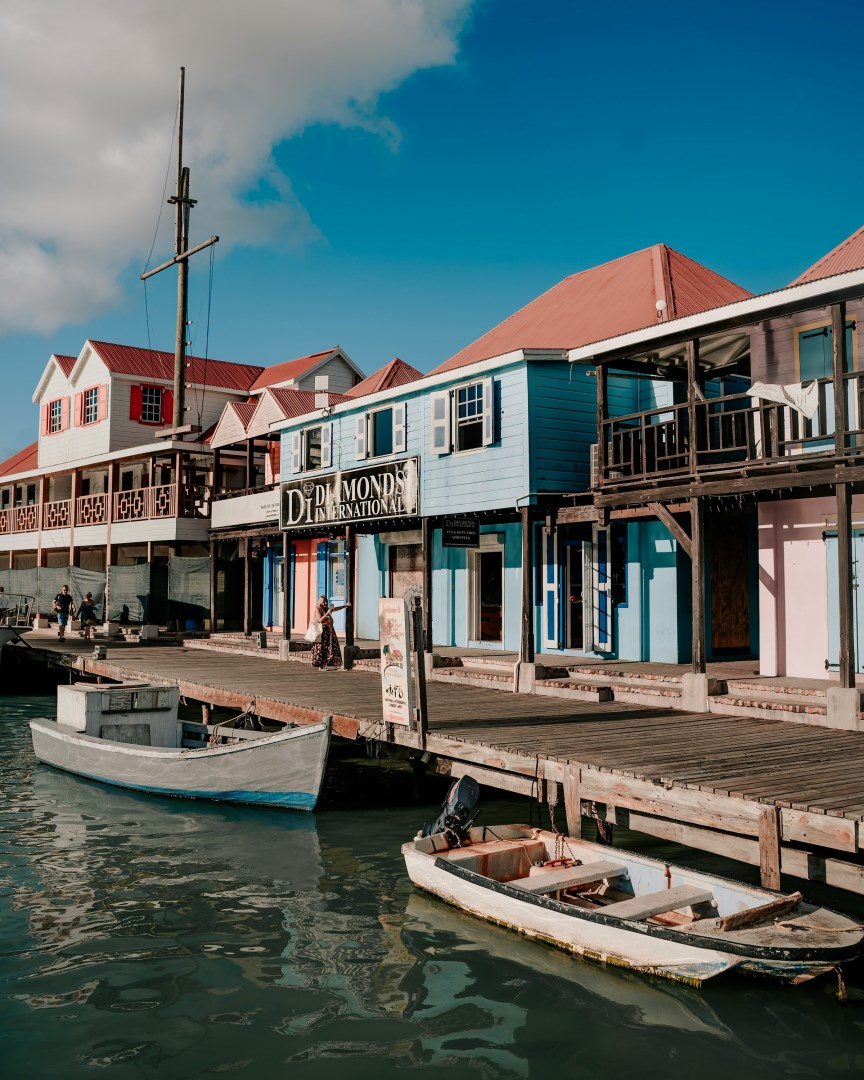
Georgetown, the vibrant capital of the Cayman Islands, offers an alluring blend of Caribbean charm and modern sophistication. As the bustling heart of the Grand Caymans, it is renowned for its picturesque harbor, duty-free shopping, and a rich tapestry of cultural experiences. The waterfront area, with its stunning views and inviting promenades, is perfect for leisurely strolls and offers a variety of dining options showcasing local and international cuisine. For a taste of luxury shopping and local crafts, the Georgetown Harbor Walk is a must-visit.
The city’s maritime heritage is palpable at the National Museum of the Cayman Islands, where exhibits chronicle the region’s history from its early settlement to its contemporary development. The museum’s collection includes artifacts such as shipwreck remnants and traditional Caymanian artifacts, offering a fascinating glimpse into the island’s past. Additionally, the nearby Cayman Islands National Archive holds valuable documents and historical records that enrich the cultural narrative of the area.
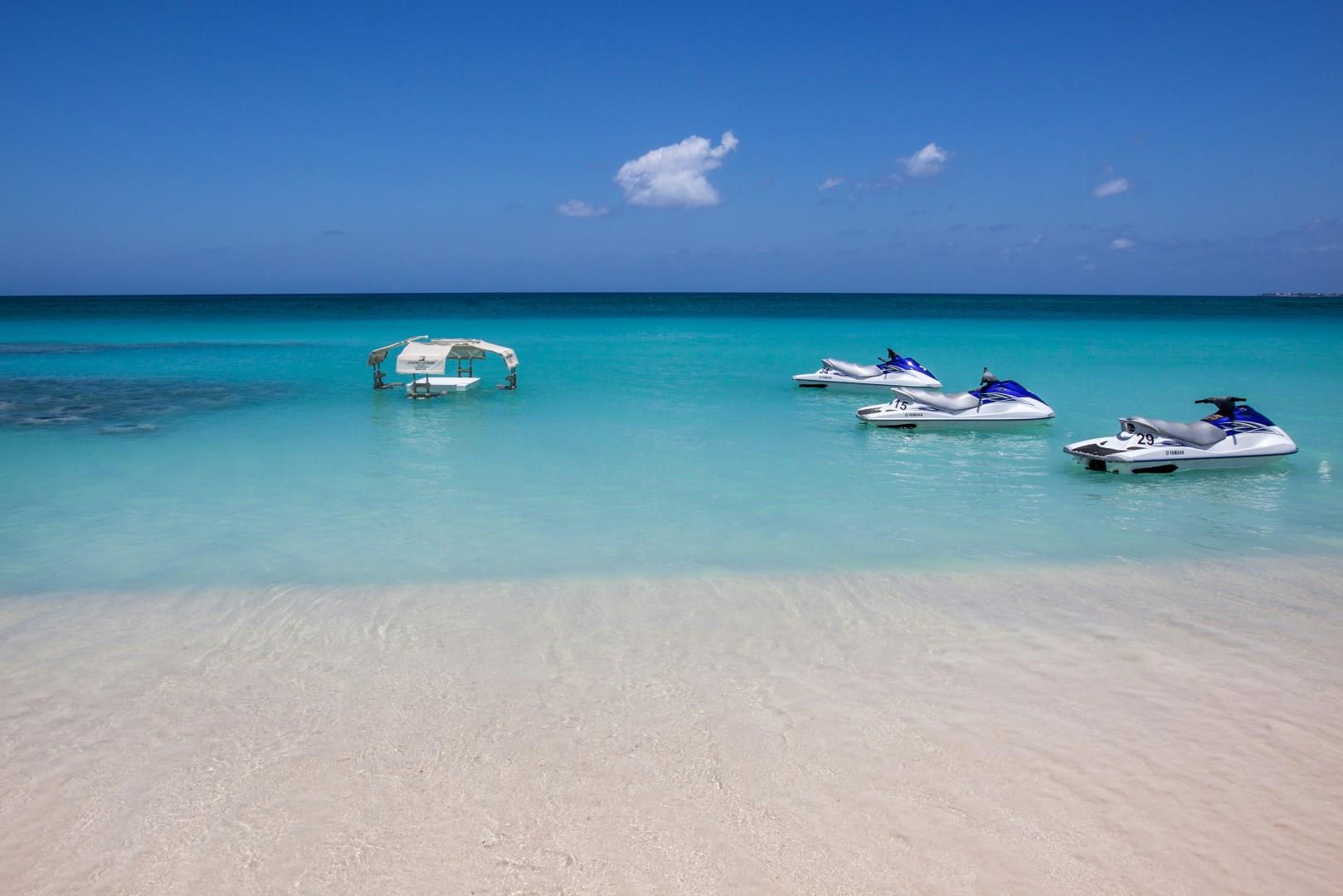
For those seeking outdoor adventure, Georgetown serves as a gateway to the stunning Seven Mile Beach, renowned for its powdery white sand and crystal-clear waters. This world-famous beach is ideal for sunbathing, snorkeling, and enjoying water sports. The nearby Stingray City provides an unforgettable experience where visitors can interact with friendly stingrays in their natural habitat, making for a highlight of any trip to the Cayman Islands.
A fun fact about Georgetown is that it is home to one of the world’s largest underwater marine parks, The Cayman Islands Marine Reserve. This protected area offers incredible opportunities for diving and snorkeling among vibrant coral reefs and diverse marine life, making it a paradise for underwater enthusiasts. Whether you’re exploring cultural sites, enjoying the beach, or venturing into the marine world, Georgetown promises a memorable and enriching experience.